Types of Taiwanese Tea: An Introduction to Taiwan’s Famous Teas

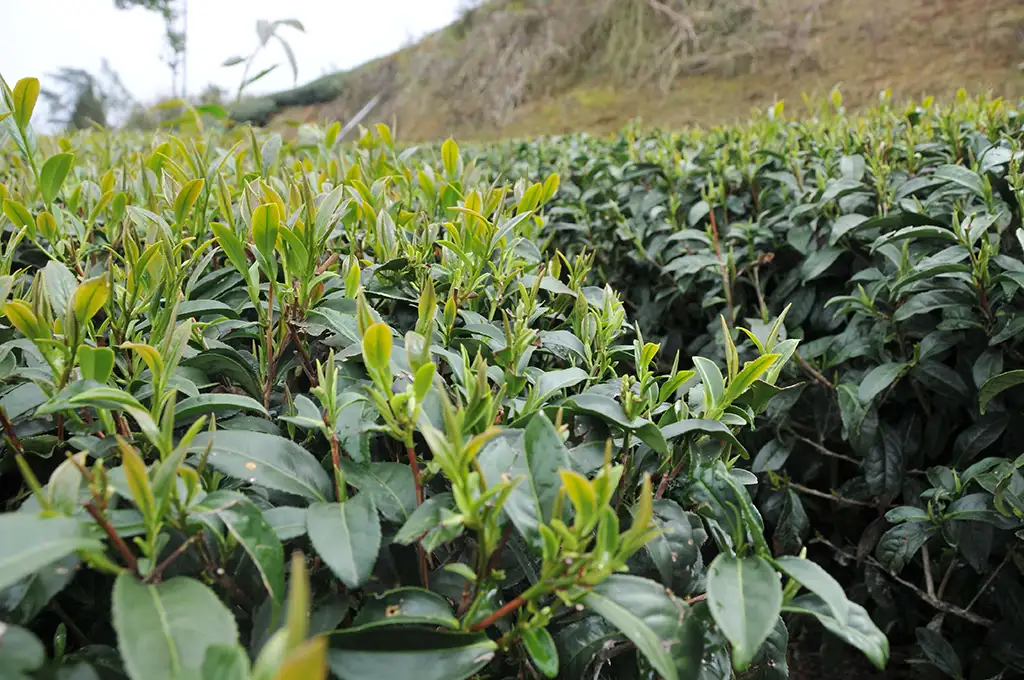
Taiwanese tea is primarily centered around partially fermented oolong tea, with Dongding Oolong and Wenshan Baozhong being particularly famous. In addition, Taiwan also produces various types of tea such as green tea and black tea. Below is an introduction to Taiwan’s top ten famous teas, including: Wenshan Baozhong, Dongding Oolong, Oriental Beauty, Songbo Changqing, Muzha Tieguanyin, Sanxia Longjing, Alishan Zhulu, High Mountain Tea, Red Oolong, and SunMoon Lake Black Tea. These teas are widely known for their unique flavors and exceptional quality.

The Most Representative Types of Taiwanese Tea

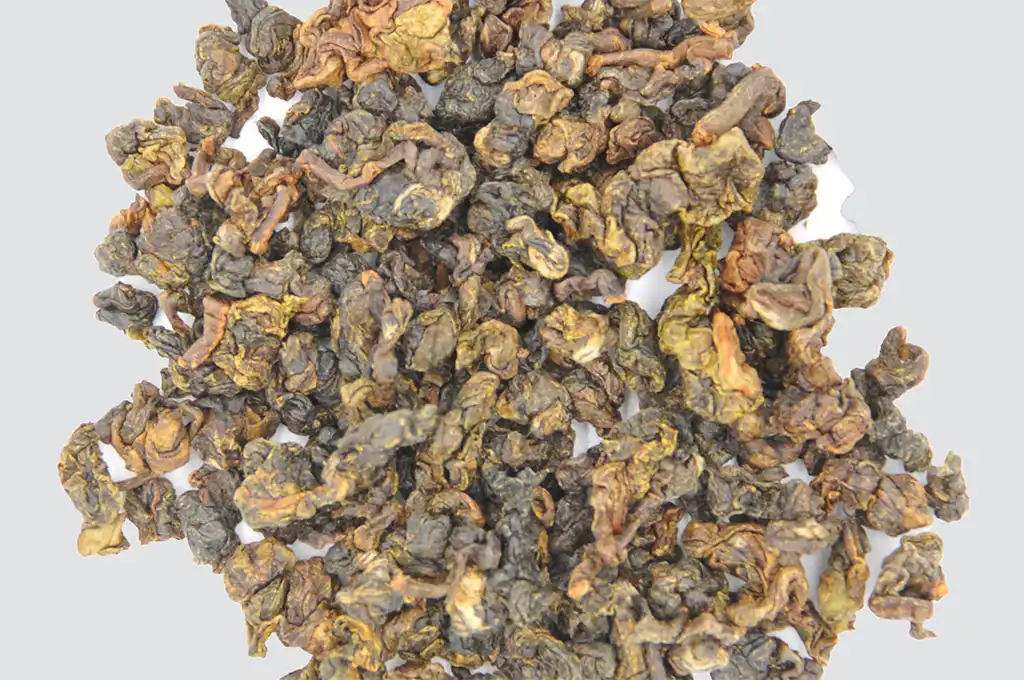
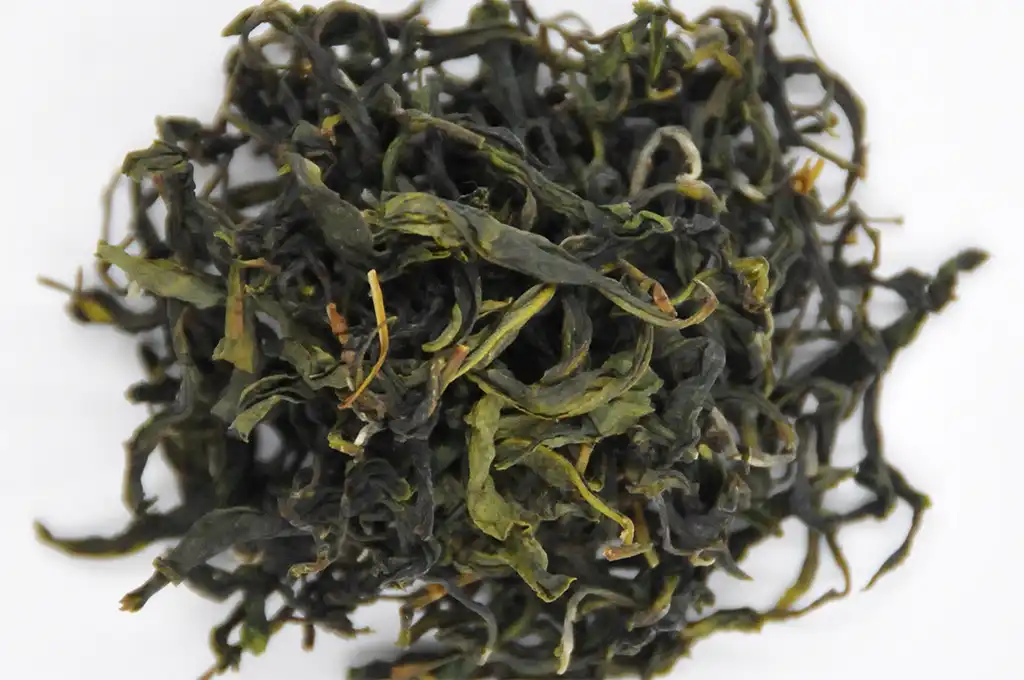
A partially fermented oolong tea mainly produced in areas such as Pinglin, Shiding, Nangang, Xindian, and Wulai in New Taipei City. It is characterized by its clear, fragrant, refined, and lingering notes. Also known as Qingcha (light tea).

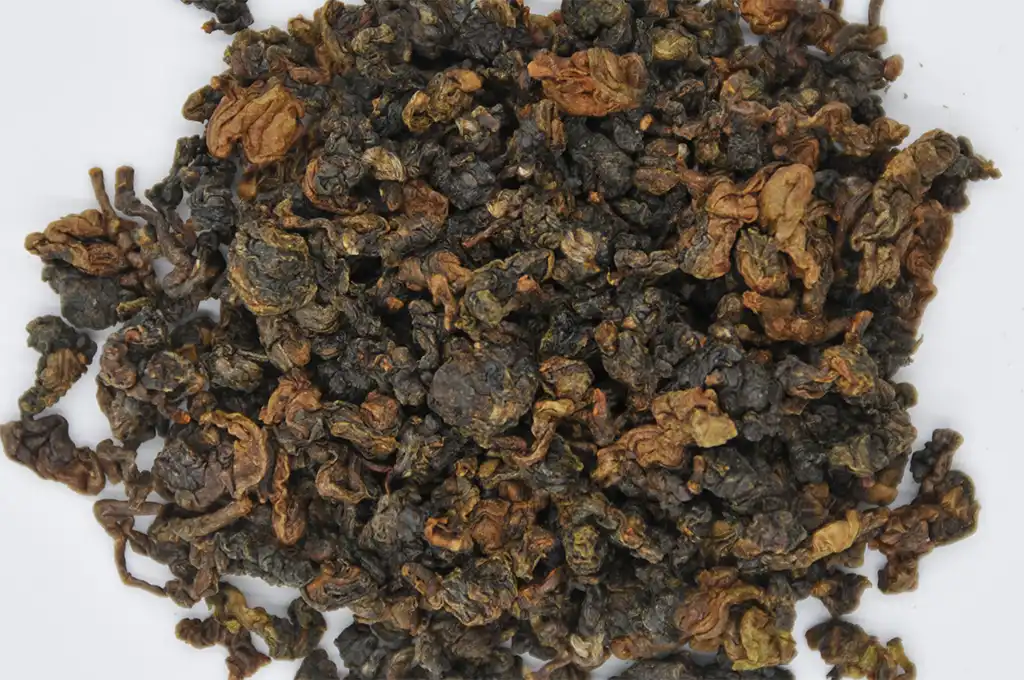
Produced in Lugu Township, Nantou County, Taiwan, it is renowned for its unique partial fermentation and medium-to-heavy roasting techniques. It holds the prestigious reputation of “Baozhong in the north, Dongding in the south.”

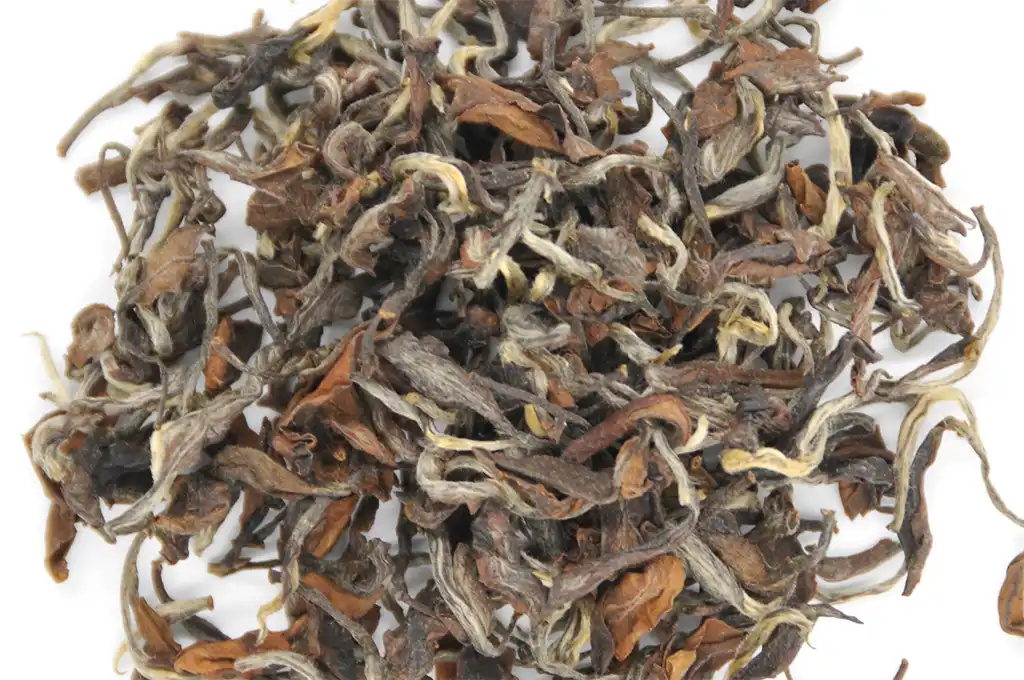
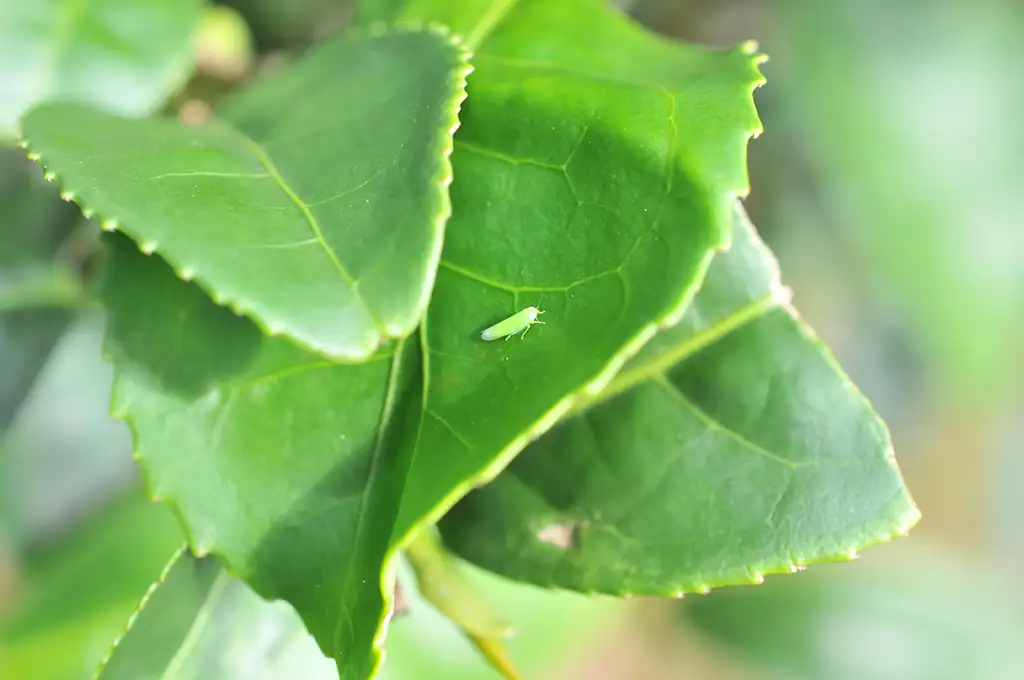
Also known as Baihao Oolong, this is a partially fermented tea. The tea leaves must be bitten by the tea green leaf hopper to develop its signature honey aroma and sweet taste.

Originating from Anxi Tieguanyin in Fujian, China, it has been refined by Taiwanese tea farmers to develop a distinct flavor profile, becoming one of Taiwan’s signature specialty teas.

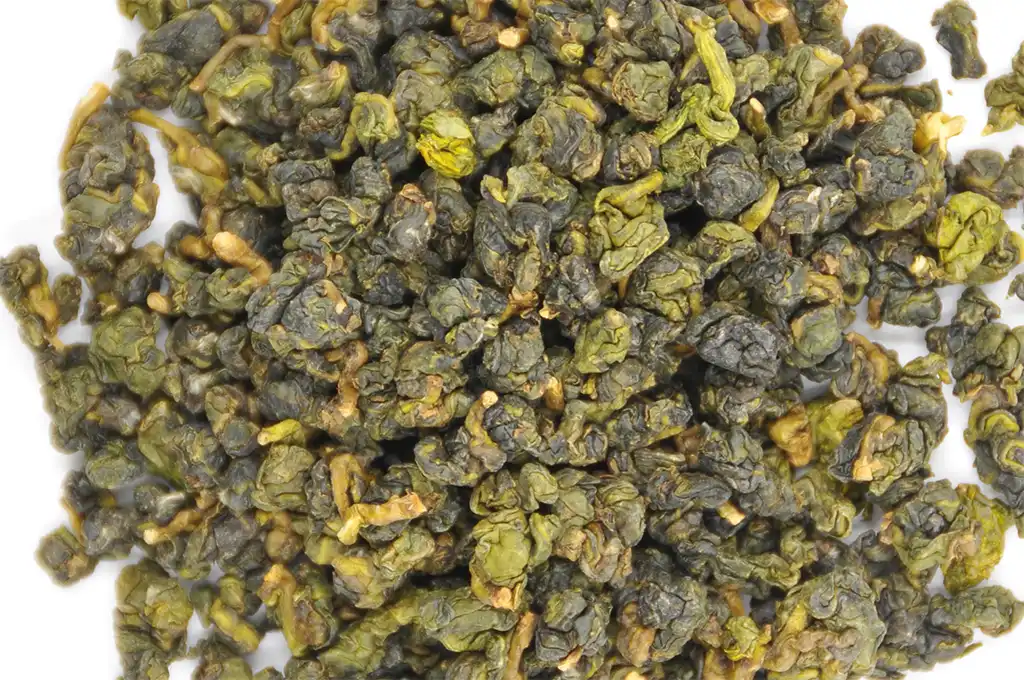
Often referred to simply as High Mountain Tea, it denotes tea harvested from plantations situated at altitudes of 1,000 meters or higher. It is typically lightly fermented and unroasted.

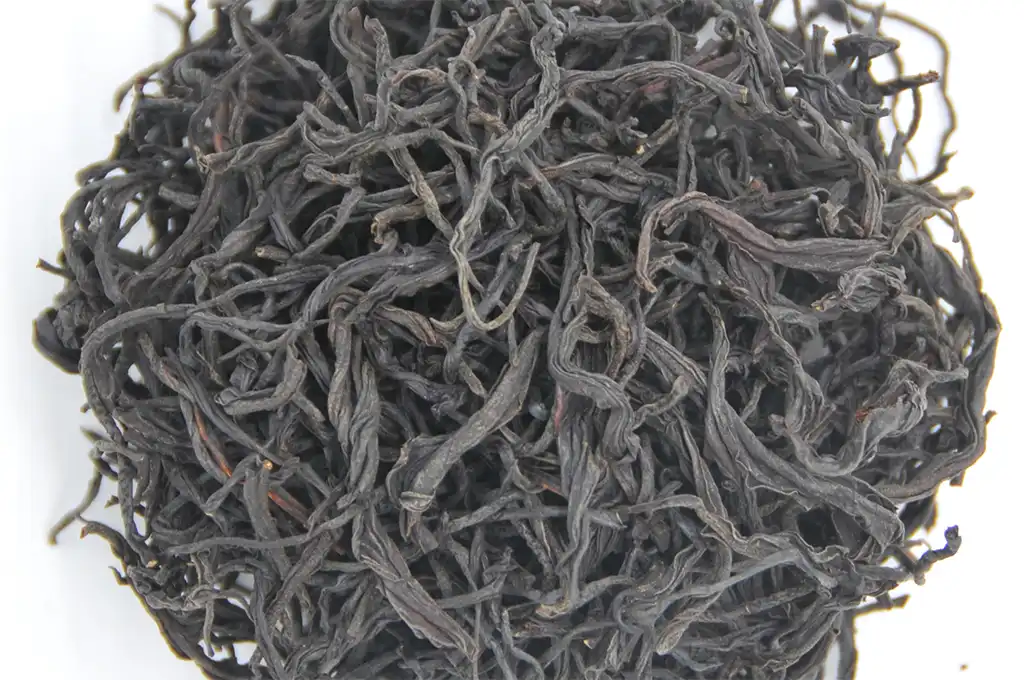
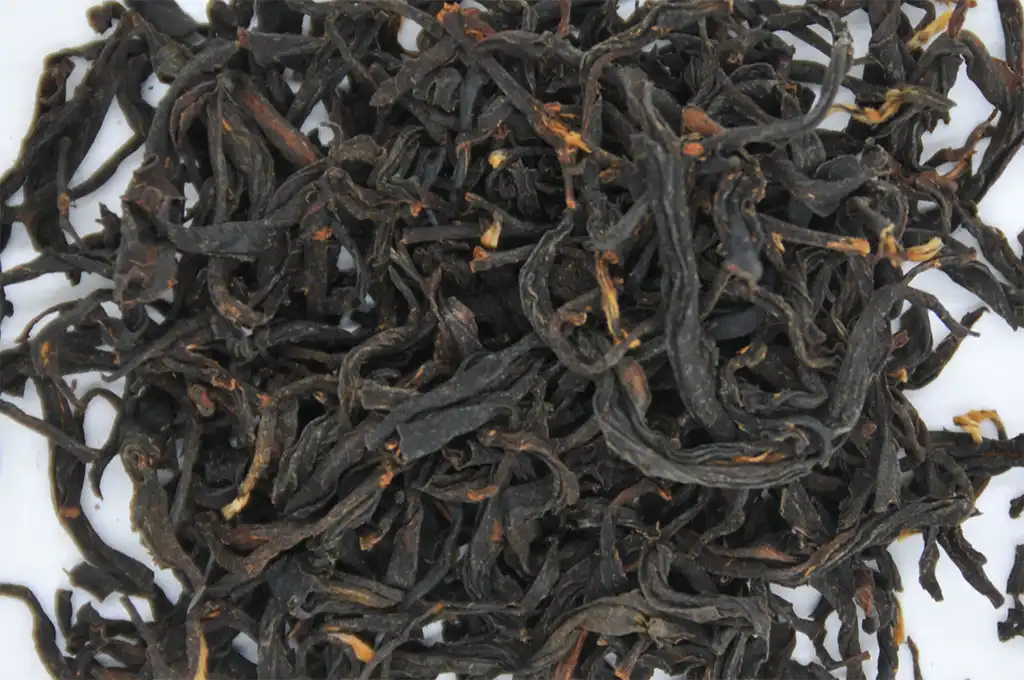
Produced around SunMoon Lake in Nantou County, this is a fully fermented black tea. Thanks to the humid and rainy environment, SunMoon Lake has become Taiwan’s premier black tea production region.

A strip-style, fully fermented black tea. It requires bites from the tea green leaf hopper, giving it a natural “insect-bitten honey aroma.” Produced in Pinglin (New Taipei), Zhushan (Nantou), and Chiayi.

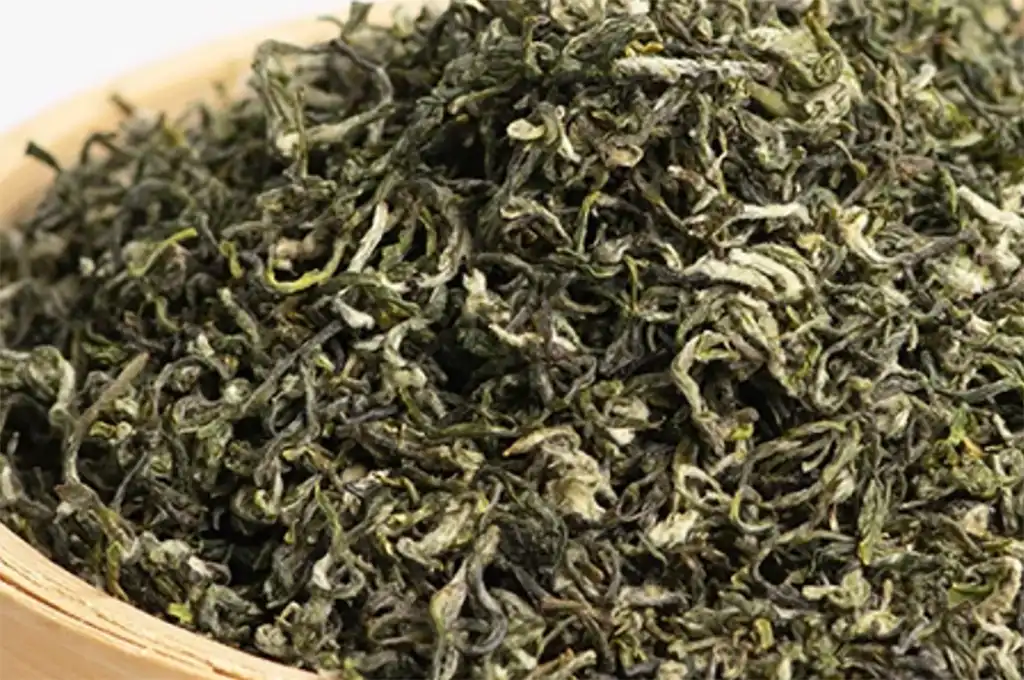
A rare green tea in Taiwan, produced exclusively in Sanxia District, New Taipei City, with limited yields.

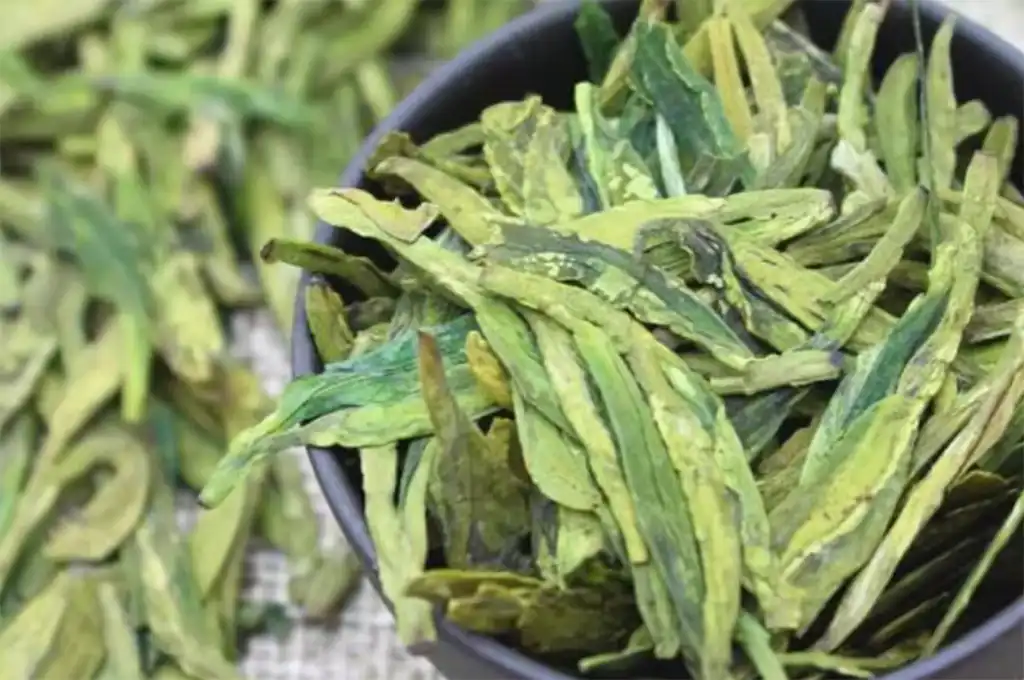
Another rare green tea in Taiwan, exclusively produced in Sanxia District, New Taipei City. The tea tree varieties are primarily Qingxin Gancheng and Qingxin Oolong. Production is even scarcer than Taiwan Biluochun.

An innovative tea developed by the Taitung Branch of the Tea Research and Extension Station to help mid-to-low altitude tea regions overcome production challenges. Combining the craftsmanship of oolong and black tea, it offers a rich, smooth flavor that is resilient to multiple steeping sessions with a deeply sweet aftertaste.

Specialty & Reprocessed Teas

Terms like “insect-bitten tea” or “zuoxiancha” sound intriguing yet unfamiliar—what kind of teas are these?

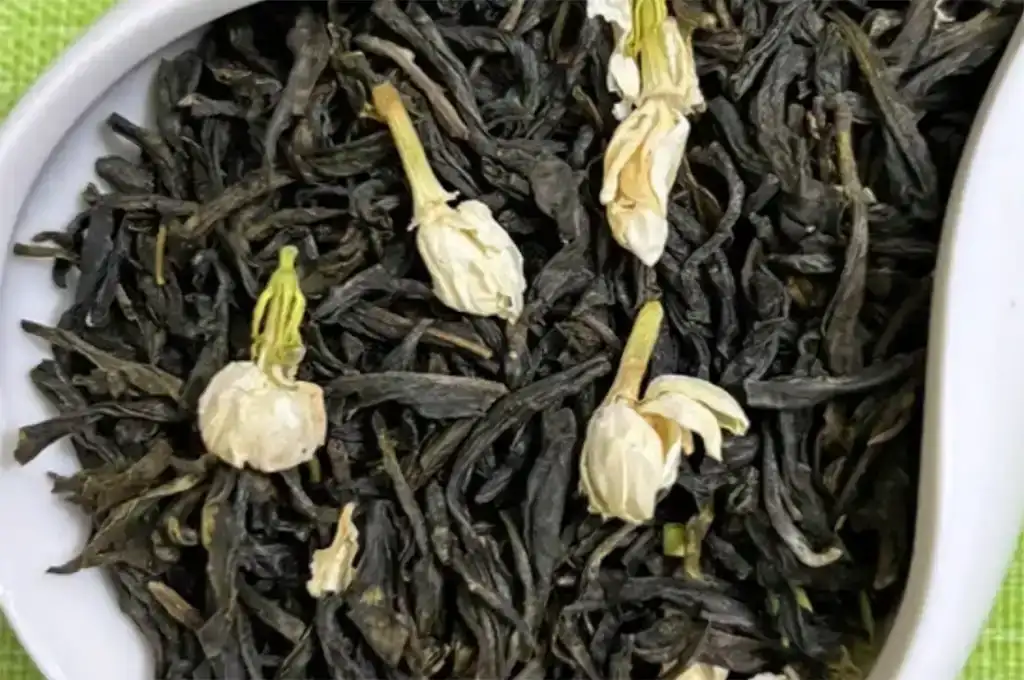
Xiangpian is a reprocessed tea typically made with a green tea or oolong tea base, scented with jasmine flowers. It blends the natural depth of tea with a delicate floral fragrance.

Originating from Fuzhou, Fujian, China. Jasmine flowers are mixed with tea leaves, utilizing the tea’s natural ability to absorb aromas to create a harmonious blend of tea and floral notes.

A uniquely Taiwanese specialty tea crafted from leaves nibbled by small insects in the tea garden—the tea green leaf hopper.

Generally refers to tea harvested around the “Beginning of Spring” solar term. Because the tea leaves harvested during this period are neither strictly winter tea nor spring tea, they are playfully called “Buzhichun” (Not Knowing Spring).

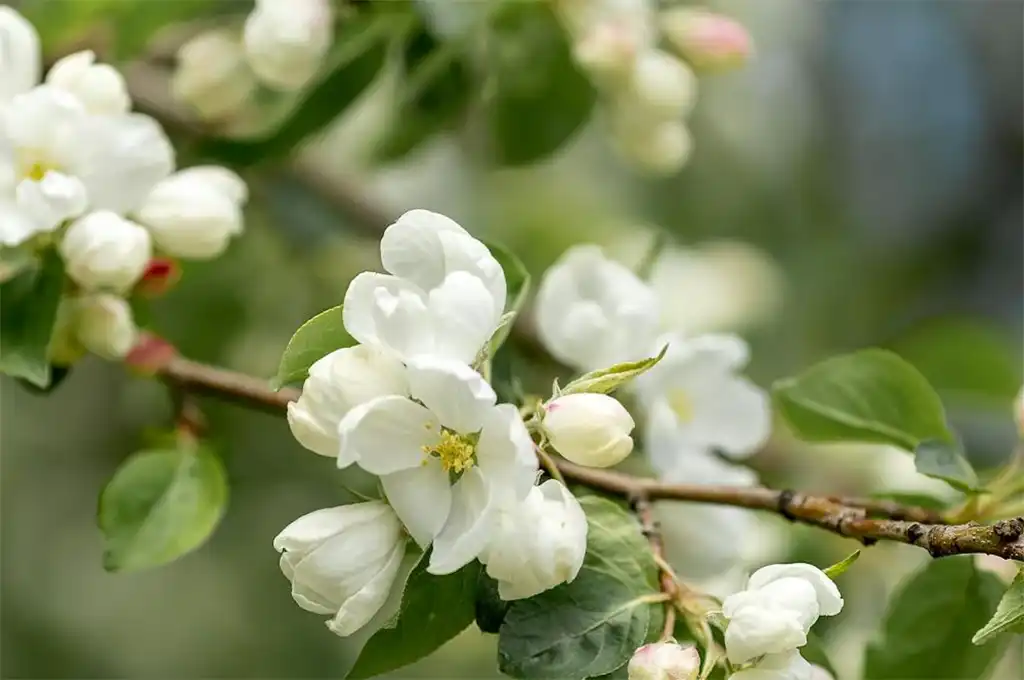
Scented flower tea is a reprocessed tea crafted by layering a tea base with fresh blossoms to infuse natural floral aromas.

A unique tea native to Taiwan, crafted by relying on bites from the tea green leaf hopper to develop its natural honey aroma.

Shopping Cart