What is the Difference Between Qingcha and Oolong Tea?

Straight to the point: “Qingcha is Oolong tea“. So the title is actually inaccurate—these two terms refer to the exact same tea. But why does the same tea have two different names?

Difference between Qingcha and Oolong Tea

Difference between Qingcha and Oolong tea? Are Oolong tea and Qingcha the same?

The world’s six major tea categories are classified by the appearance and liquor color of the tea leaves into green tea, white tea, yellow tea, Qingcha, dark tea, and black tea. Among them, green tea is unfermented, black tea is fully fermented, and the category in between is Qingcha, a general term for various partially fermented teas.

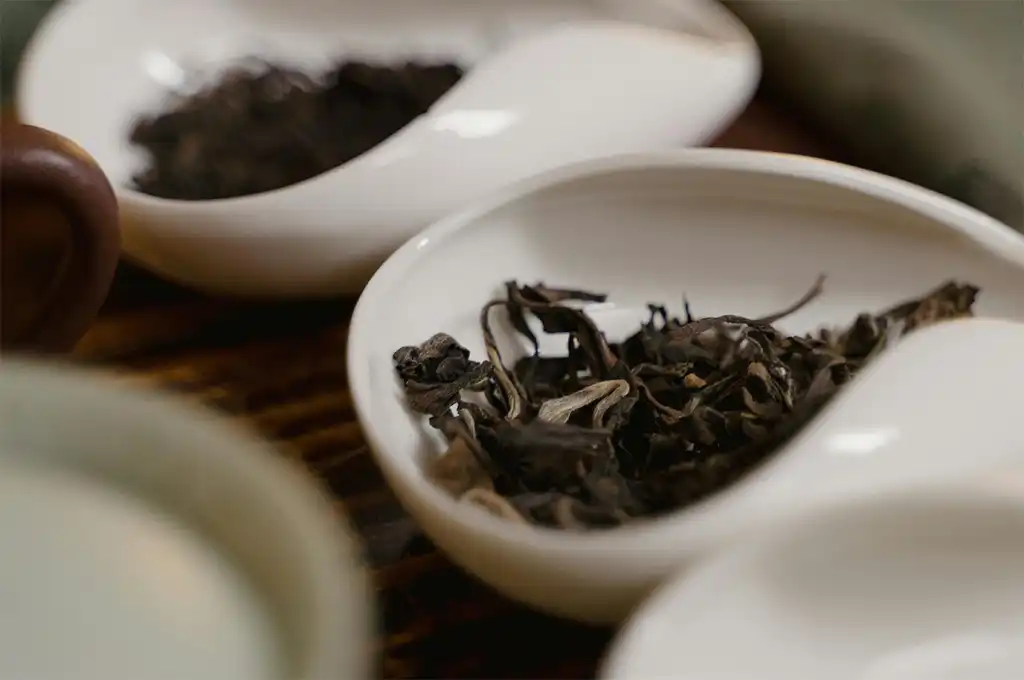
Partially fermented tea is called Qingcha because the appearance of the finished leaves and the tea liquor are mostly greenish-blue. As for why it is called Oolong tea, there are two legends. One is that a villager in Fujian nicknamed “Wulong” (Oolong) accidentally discovered and developed the method for making partially fermented tea, hence it was named Oolong tea. The second is that the earliest Qingchas were dark, strip-like leaves that uncurled like a black dragon when brewed, earning the name Oolong tea.

There is no difference between “Oolong tea and Qingcha”; they refer to the exact same tea. For details, see: Origins of Oolong Tea

What is the difference between green tea and oolong tea

Additionally, some beverage brands in Taiwan offer “Oolong Qingcha” bottled or ready-to-drink teas. The “Oolong” in the name refers to it being made from the “Qingxin Oolong tea tree variety,” which can easily cause confusion. Don’t be misled!

Shopping Cart