
Reader Inquiry: I really enjoy drinking tea, especially green tea, and I can drink up to a dozen cups a day. A few days ago, I saw on TV that there are restrictions to drinking tea and that too much green tea is bad for your health, which made me quite worried. What are the things to watch out for when drinking green tea?
Changxing Tea: Hi Rainie, thanks for reaching out. Like any food or beverage, too much or too little can have a negative impact on your health. Green tea is no exception. While drinking green tea offers many health benefits, it shouldn’t be consumed in excess, or it can easily affect your well-being. Here are the situations where you should be cautious with green tea:
Green Tea Caution 1: Insomnia Sufferers
Tea leaves contain caffeine, which helps with diuresis, alertness, and stimulation. While this isn’t necessarily a bad thing for most people, consuming too much is still discouraged. For those who struggle with insomnia, the alertness from green tea can worsen sleep issues, making it a definite beverage to avoid for anyone with insomnia.
Green Tea Caution 2: Anemic Individuals and Vegetarians
Catechins easily bind with iron to form insoluble complexes, which hinder the body’s iron absorption. Individuals with anemia are best off avoiding tea altogether, and that naturally includes green tea. Additionally, vegetarians are more prone to iron and protein deficiencies, so they should also moderate their green tea consumption.
Green Tea Caution 3: Underweight, Malnourished, or Protein Deficiency Sufferers
Drinking tea can aid in weight loss, and green tea is known for this benefit. However, for those who are malnourished, underweight, or suffering from protein deficiency, the weight-loss properties of green tea actually become a downside. Primarily, the phenolic compounds in green tea hinder protein absorption, so it’s best to avoid long-term or excessive consumption.
Green Tea Caution 4: Drinking on an Empty Stomach or Hypoglycemia Sufferers
An empty stomach tends to lower blood sugar and insulin levels, and drinking tea on top of that can drop these levels even further. This can easily trigger dizziness, nausea, queasiness, and heart palpitations. Therefore, drinking tea on an empty stomach or for those with hypoglycemia should be avoided as much as possible.
Green Tea Caution 5: Pregnant Women and Children
Excessive tea consumption can lead to protein absorption barriers and also inhibit the absorption of calcium and iron. Pregnant women and children have a high demand for these nutrients, so they should avoid drinking too much tea to prevent negative impacts on maternal health, fetal development, and children’s growth.
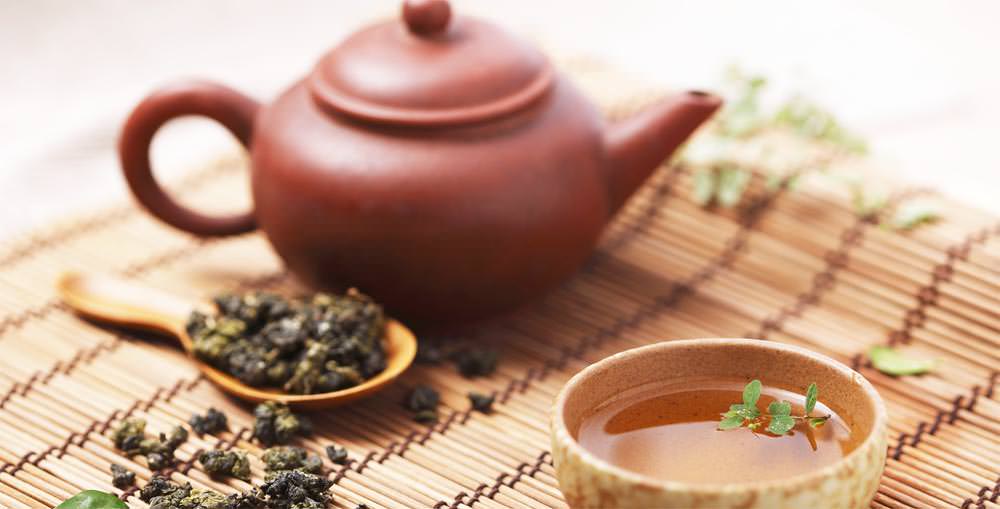
▲ Tea is a healthy beverage, but there are still precautions to keep in mind when drinking it.