Tea Cultivar: TTES No. 11

TTES No. 11 (Taiwan Tea Experiment Station Cultivar No. 11) was developed by the Taiwan Tea Research and Extension Station through artificial hybridization between its male parent, Jaipuri, and female parent, Daye Oolong. Officially named TTES No. 11 in 1975, it is an extremely early-budding cultivar ideal for black tea production.

Tea Cultivar: TTES No. 11

TTES No. 11 was created by crossing the male parent Jaipuri (an Indian large-leaf variety) with the female parent Daye Oolong (a small-leaf variety). Its key advantages are very early budding and exceptional spring tea quality, yielding spring black tea superior in quality to other large-leaf varieties.

Excerpt from the Taiwan Cultural Memory Bank: According to regional trial results, among the three new cultivars released in the same period, TTES No. 11 exhibited the earliest budding season, the heaviest 100-bud weight, the longest internodes, the largest leaf length, width, and surface area, as well as the highest density of leaf trichomes. Other characteristics include dark, almost black-green foliage resembling large-leaf varieties. Overall, although its fresh leaf yield is moderate, its extremely early budding produces outstanding black tea quality—with its spring harvest outperforming any other large-leaf variety in the region.

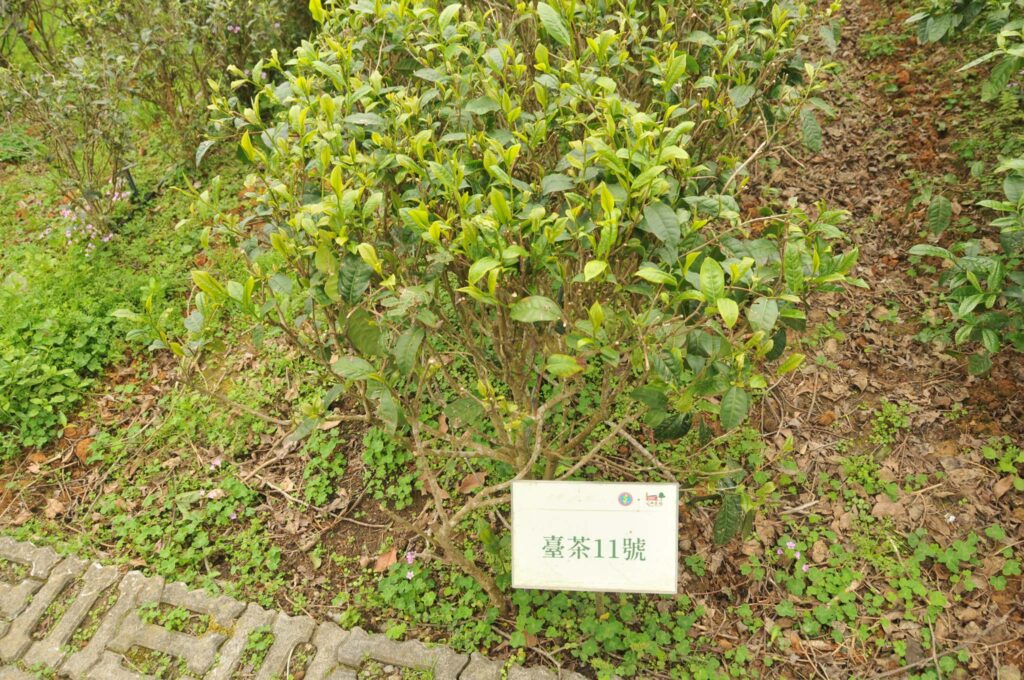
Our Observations on TTES No. 11

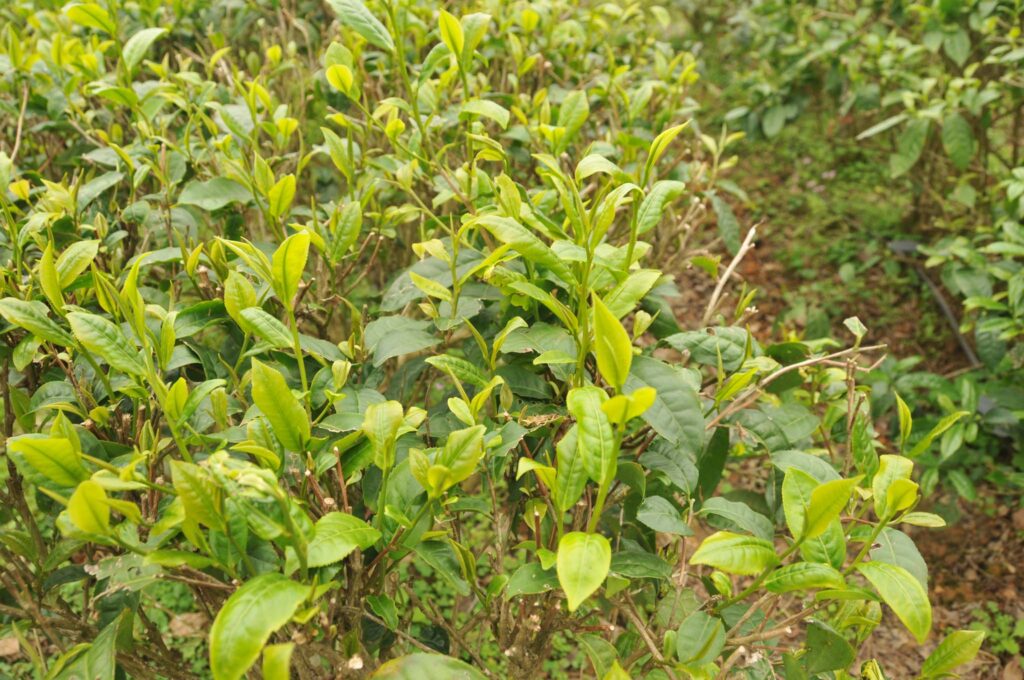
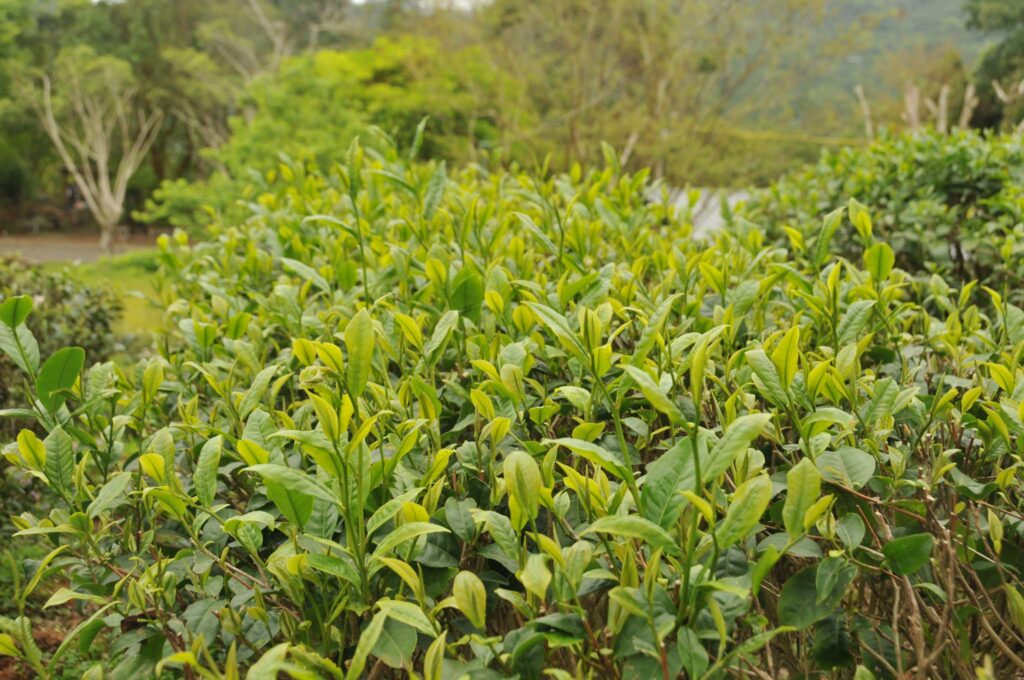
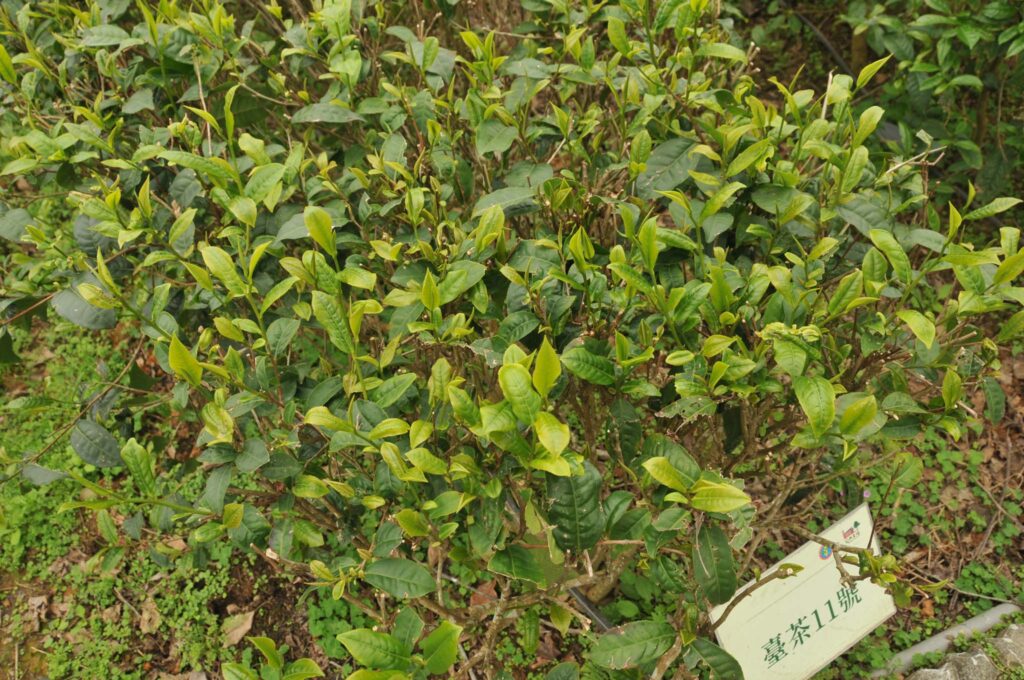
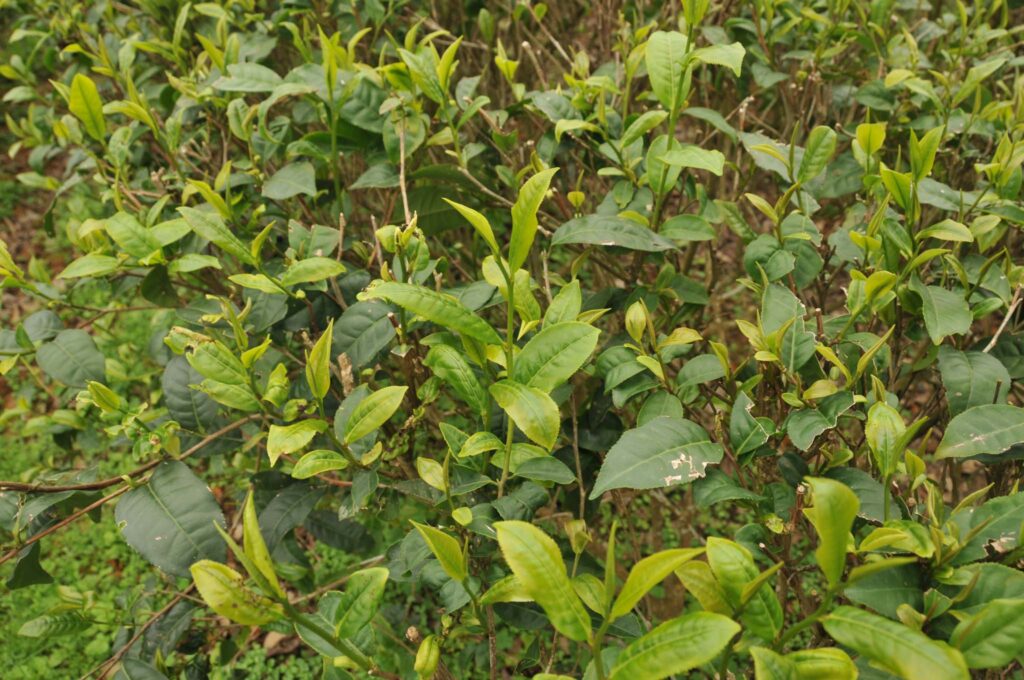
TTES No. 9, 10, and 11 were cultivar varieties released around the same time, all suitable for black tea processing. Shortly after their release in 1975, the Taiwanese tea market shifted toward semi-fermented oolongs, so TTES No. 11 was never widely promoted. The photo shows TTES No. 11 in early April, featuring long internodes, yellowish-green young shoots that mature into a deep green, and thick, sturdy leaves.

Shopping Cart