Tea Cultivar: TTES No. 3

TTES No. 3 is a cultivar developed by the Tea Research and Extension Station (TRES). Trials began in 1952, selecting from 46 strains, with final selection completed in 1968 and its naming registered in 1969. It was created through artificial hybridization using the father plant Manipuri and the mother plant Hongxin Dahong.

TTES No. 3 Tea Cultivar

It was bred through artificial hybridization between the male parent Manipuri from India (large-leaf variety) and the female parent Hongxin Dahong (small-leaf variety). It was named in 1969 alongside TTES No. 1, No. 2, and No. 4.

Transcribed from the Taiwan Cultural Memory Bank: TTES No. 3 is a hybrid derived from superior small-leaf and large-leaf cultivars. It is a mid-season cultivar (with a bud-burst period similar to Qingxin Dahao) characterized by vigorous growth, flat and upright leaf surfaces, minimal inward folding or reflexing, a relatively elliptical leaf shape with a pointed tip, strong pest and disease resistance, and a high cutting survival rate (the highest among the four cultivars developed in the same period). It is particularly well-suited for black tea production.

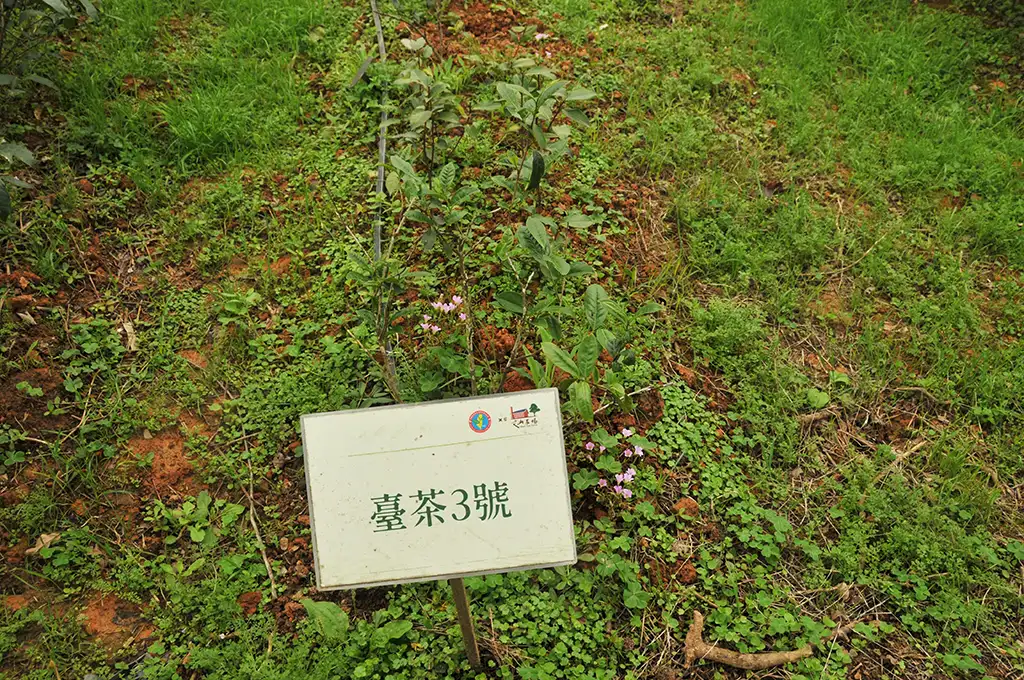
In short, TTES No. 3 boasts advantages such as vigorous growth, strong resistance to pests and diseases, and high cutting survival rates. It is a mid-season cultivar whose characteristics make it ideal for producing black tea.

Our Observations on TTES No. 3

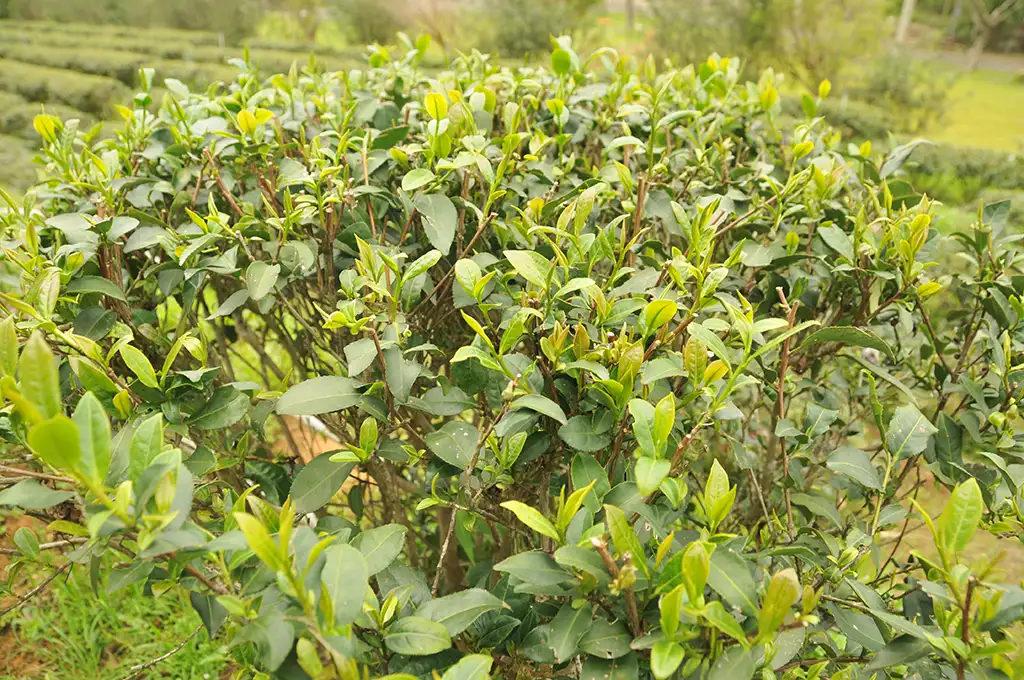
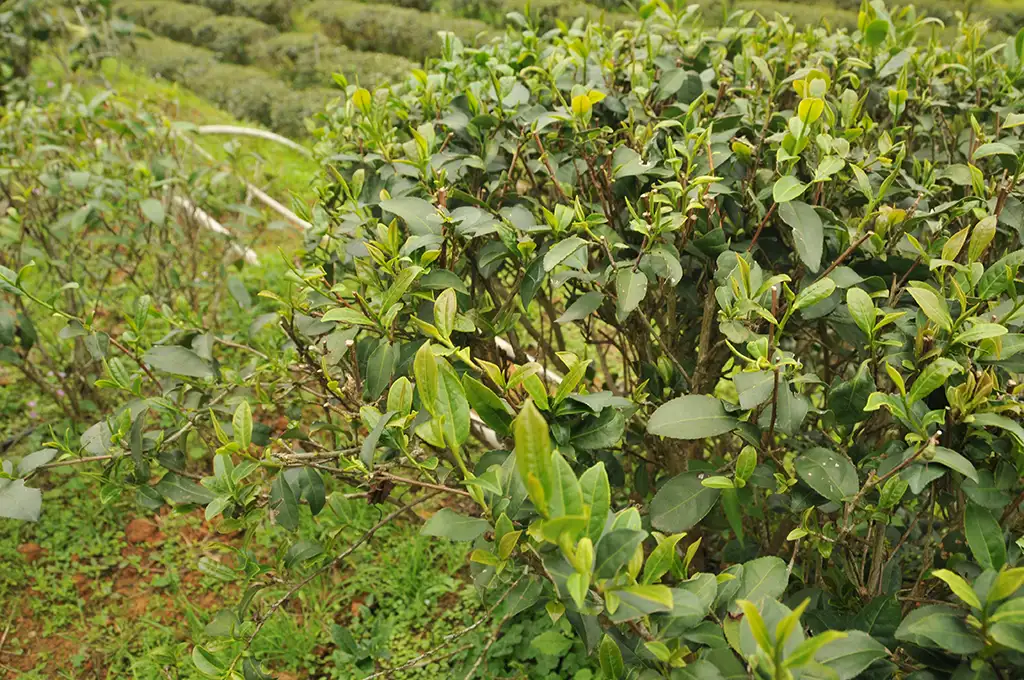
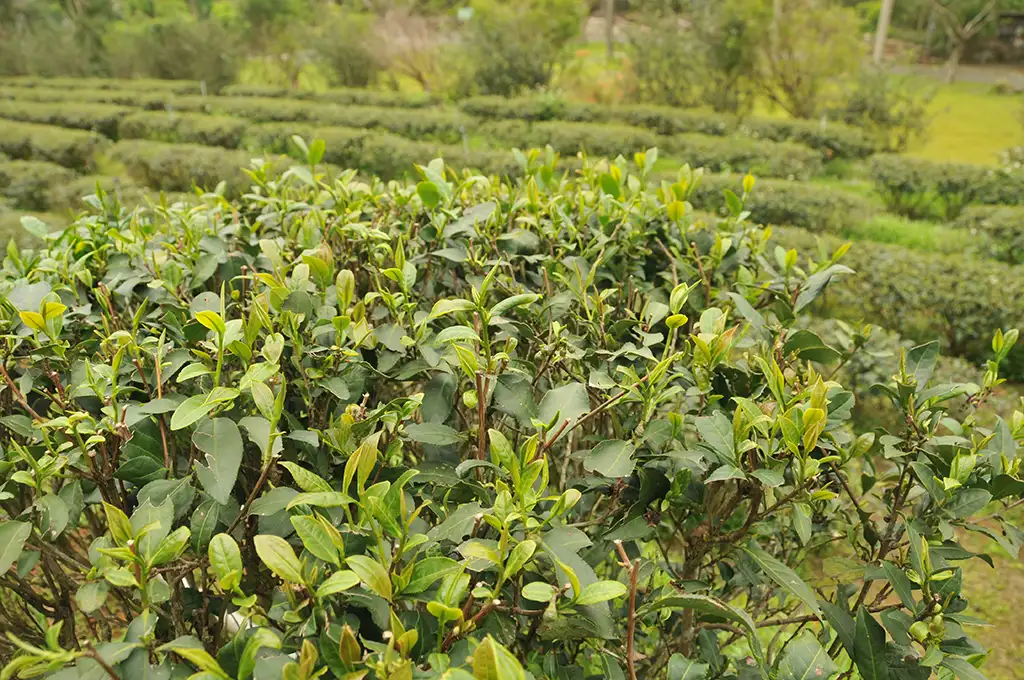
Like TTES No. 2, it is suitable for black tea production. However, its overall quality and yield fall short compared to later cultivars like TTES No. 8 and TTES No. 18 Ruby, and it is rarely cultivated in Taiwan today. The photo shows TTES No. 3 at Wenshan Farm in Xindian District in early April, exhibiting a bud-burst rate similar to Qingxin Oolong.

Shopping Cart