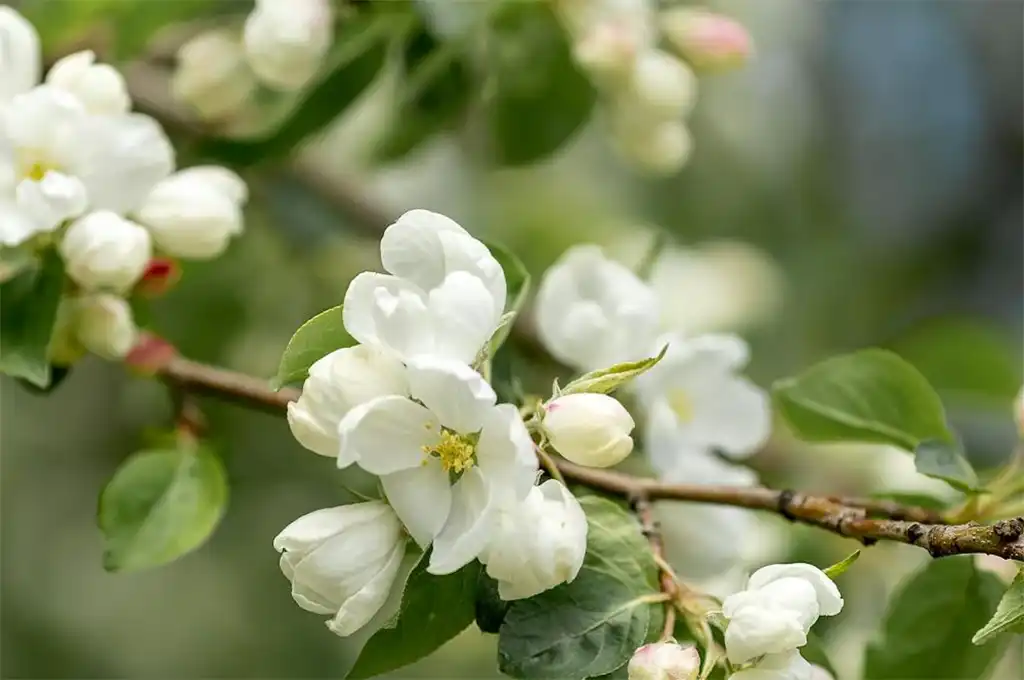
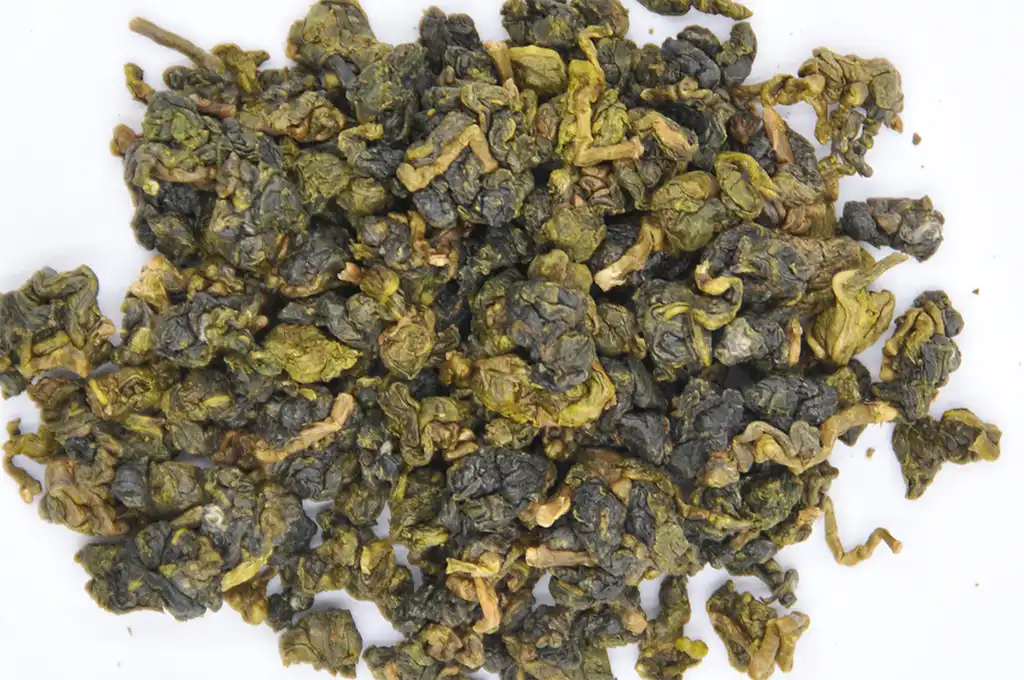
Scented tea, also known as flower tea, is a re-processed tea made by using tea leaves as a base and scenting them with fresh flowers. Originating in Fujian, China, the earliest scented tea was jasmine tea, which later led to the development of osmanthus tea and rose tea.

What is Scented Tea? What Does Scenting Mean? How is "窨" Pronounced?
The character “窨” (pronounced “yìn”) shares the same meaning as “薰” (to scent or smoke), and can be understood as “the craftsmanship of scenting tea leaves.” The production method of scented tea involves layering fresh flowers and tea leaves together. Under specific temperature and humidity conditions, and taking advantage of the tea leaves’ natural ability to absorb aromas, the floral fragrance is allowed to infuse into the leaves. This entire process is called “flower scenting (窨花).”
The most crucial aspect of the scenting technique is mastering the freshness of the flowers. When the flowers release their richest aroma, they are promptly scented with the tea leaves to achieve a rich floral fragrance without overpowering the tea’s inherent flavor. Scented tea made this way possesses both the deep aroma of tea leaves and the delightful fragrance of fresh blossoms, making it considered a premium re-processed tea.
Common Types of Scented Tea
- Jasmine Tea: The earliest type of scented tea, featuring the crisp and refreshing aroma of jasmine, perfect for those who prefer a light and elegant taste.
- Osmanthus Tea: Features a sweet osmanthus fragrance. As early as 1881, Taiwan produced osmanthus Pouchong tea using Pouchong tea as a base, which became a popular export product.
A Harmonious Blend of Tea and Floral Aromas
Scented tea is the perfect union of tea leaves and floral fragrances. Through the “scenting” craft, it not only enhances the complexity and depth of the tea leaves but also allows the floral aroma to fully shine, resulting in a crisp, refreshing, and soothing re-processed tea.