
What kind of tea is Pu-erh? With raw (sheng) and ripe (shou) varieties, plus a complex production process, Pu-erh often leaves tea lovers with a few questions. Let’s get straight to the answer: Pu-erh is not a black tea, green tea, or oolong tea. Among the six major classes of tea, it belongs to dark tea (heicha) and is a post-fermented tea.
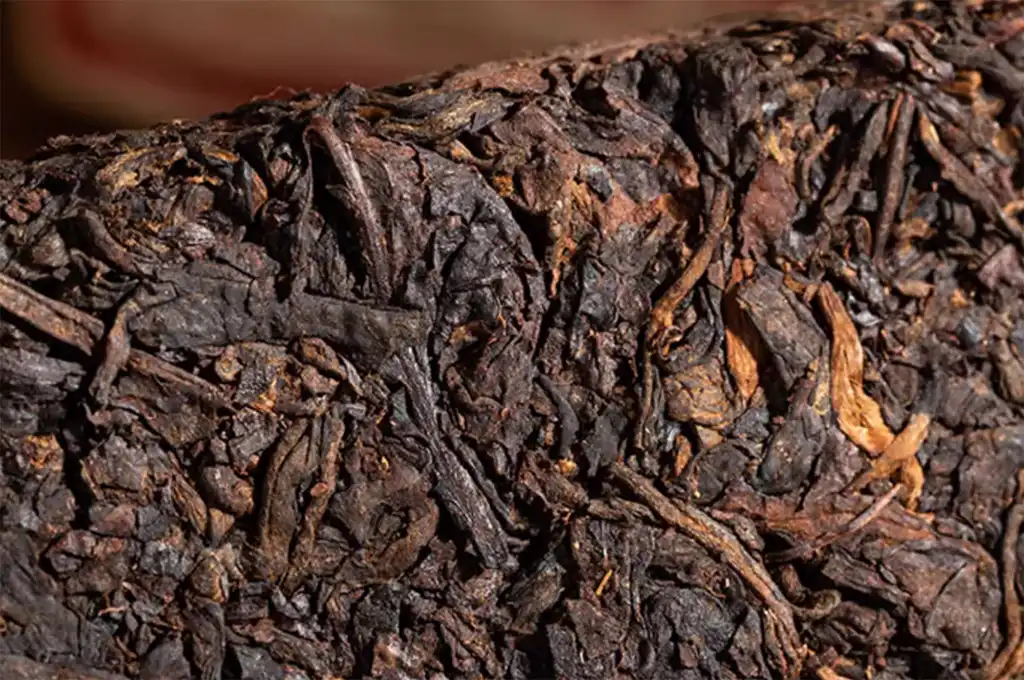
Is Pu-erh Tea a Black Tea or Green Tea?
Looking at the production process, Pu-erh comes in raw and ripe styles. The process for raw Pu-erh is: Harvesting → Withering → Fixation (pan-firing at high temperatures to halt oxidation) → Rolling → Drying → Compression into shape → Natural aging and fermentation. The process for ripe Pu-erh is: Harvesting → Withering → Fixation → Rolling → Pile-fermentation (Wo Dui) → Drying → Compression into shape.
Could it be Oolong Tea?
Oolong tea is a partially fermented tea, whereas Pu-erh is a post-fermented tea with a completely different fermentation method, so Pu-erh is not oolong tea. Oolong tea relies on enzymatic oxidation, while Pu-erh primarily depends on microbial fermentation (raw Pu-erh ages naturally, while ripe Pu-erh undergoes pile-fermentation), making their methods entirely distinct.
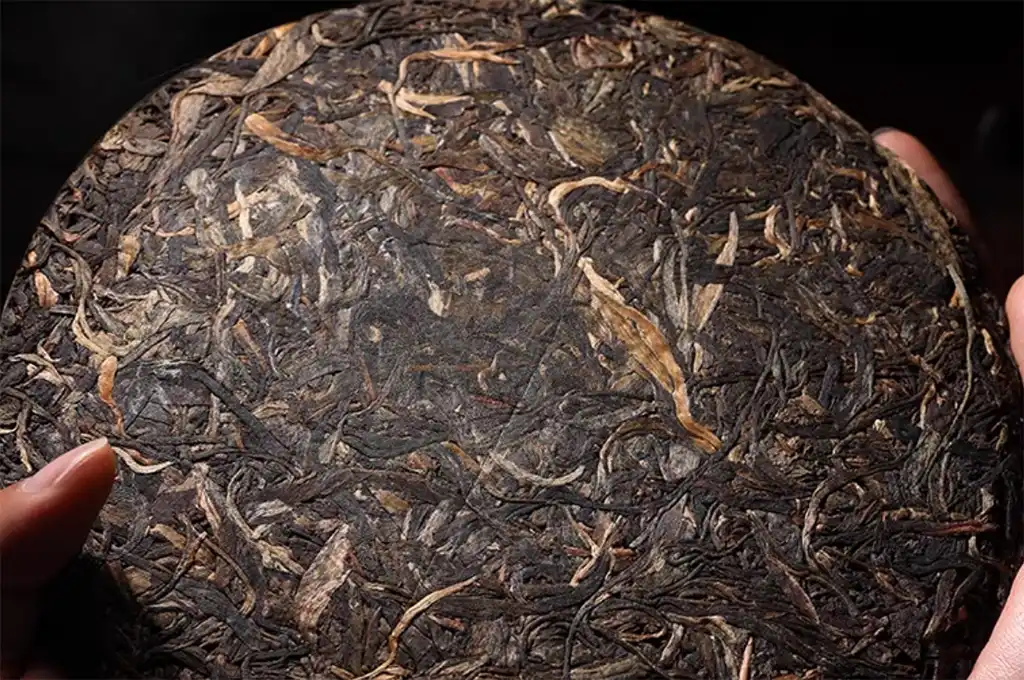
Then What Kind of Tea is Pu-erh?
What makes Pu-erh unique is its microbial fermentation. Whether it’s the natural aging of raw Pu-erh or the pile-fermentation of ripe Pu-erh, both rely on microbes, which differs from the enzymatic oxidation of oolong tea. As a result, Pu-erh is recognized as an independent tea category. Among China’s six major tea types, it is classified under “Dark Tea (Heicha)” and shares the post-fermented dark tea classification with Anhua Dark Tea, Guangxi Liubao Tea, and Sichuan Tibetan tea.
Beyond the production process, Pu-erh also differs significantly in appearance from black, green, and oolong teas. While black, green, and oolong teas are mostly sold as loose-leaf tea, Pu-erh is predominantly compressed tea—meaning the leaves are pressed into specific shapes (during the compression step) such as tea cakes (bingcha), tea bricks (zhuancha), or bowl-shaped tuocha. Compression was originally done to facilitate transportation and storage. Of course, loose-leaf Pu-erh exists, just as compressed black, green, and oolong teas can be found, but those are comparatively rare.