
Why is Pu-erh tea pronounced as “tshàu-phú-tê” (stinky rot tea) in Taiwanese Hokkien? “Tshàu-phú” (often written as 臭脯 or 臭殕) means musty or moldy in Taiwanese. This stems from the early days when Pu-erh tea was first introduced to Taiwan, and people weren’t used to its aged flavor. Combined with poor storage conditions that caused some tea to actually mold, this gave rise to the derogatory nickname “stinky rot tea.”
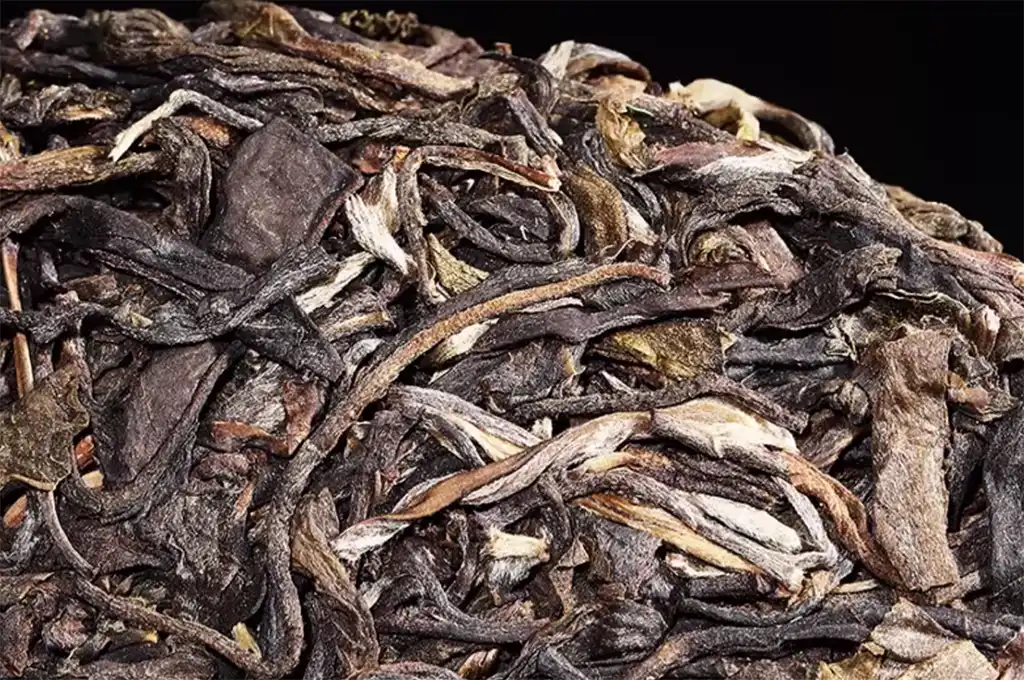
The Origins of "Stinky Rot Tea" in Taiwanese Hokkien
Taiwan began importing Pu-erh tea around the 1970s. At the time, mainstream tea appreciation in Taiwan focused heavily on floral aromas, which contrasted sharply with the deep, aged character of Pu-erh. Moreover, most of the tea was shipped from Yunnan to Hong Kong and then transshipped to Taiwan; the long journey meant some teas did indeed absorb moisture and mold. Consequently, Pu-erh was mockingly dubbed “stinky rot tea.”
Pu-erh tea was inexpensive back then, and with Taiwan’s higher income levels compared to China, many Taiwanese imported it in bulk, buying and selling it cheaply. Gradually, people grew to appreciate its unique aged flavor. Although many later promoted changing the pronunciation from “tshàu-phú-tê” to the phonetic translation “phóo-ní-tê”, old habits die hard, and many people still call Pu-erh tea by its colloquial name.
If you’re not sure how to pronounce it, you can listen to the audio here: PTS Taiwan
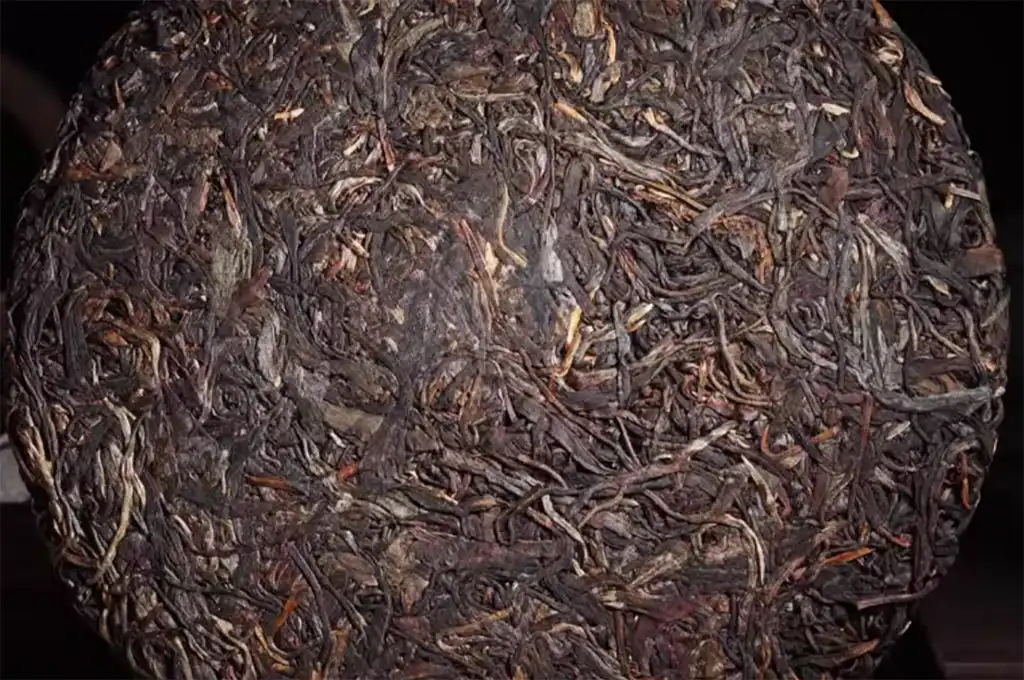
The Legend of Taiwan's "Stinky Rot Tea"
Although Taiwan’s first impression of Pu-erh tea wasn’t great, many people don’t know that Pu-erh’s current popularity in China is largely due to the influence of people in Taiwan and Hong Kong. In the early days, Pu-erh was cheap, and Taiwanese importers brought in massive quantities, not only hoarding plenty of aged Pu-erh cakes but also cultivating a loyal base of dedicated Pu-erh enthusiasts. After 2000, when the Pu-erh craze swept across China, it was heavily influenced by Taiwanese collectors, and even the subsequent Pu-erh market speculation was driven by people from Hong Kong and Taiwan. A cake of Pu-erh that Taiwanese buyers picked up for mere tens of NT dollars in the early days was sold back to China for tens of thousands of NT dollars per cake after 2000. Going from unwanted “stinky rot tea” to liquid gold is surely something few could have imagined.