Taiwan produces a wide variety of oolong teas, with Dongding Oolong and High Mountain Oolong being two of the most representative. Although both are ball-shaped oolongs, they have notable differences in origin, production methods, and flavor profiles. Let’s walk you through the similarities and differences between these two Taiwanese oolongs:
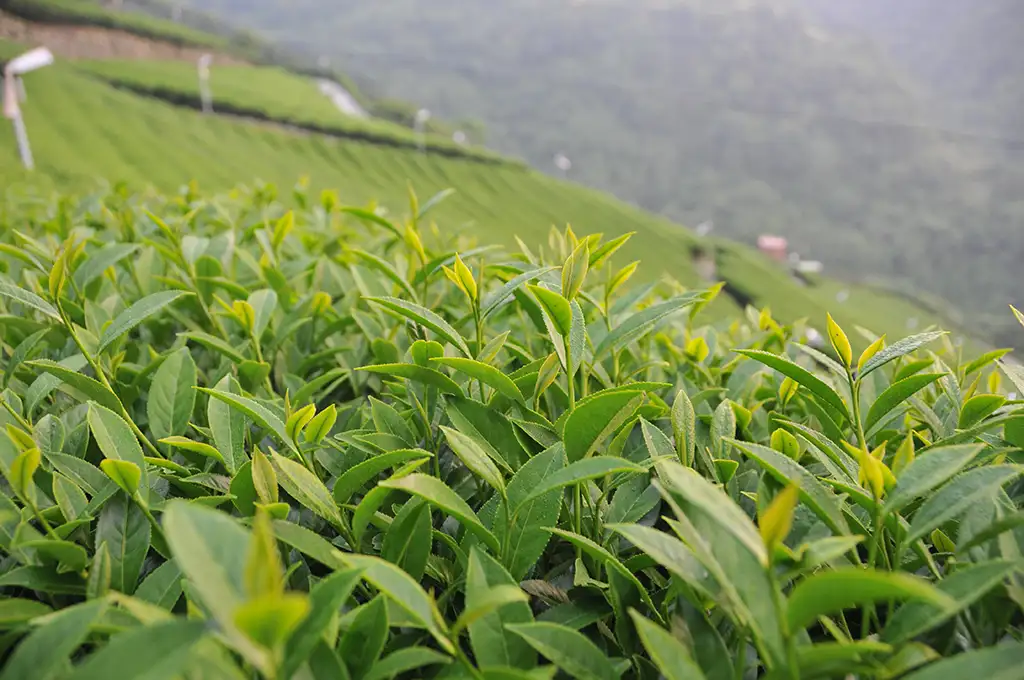
Difference Between Dongding Oolong and High Mountain Oolong
The production methods for these two teas are quite similar, with the main differences being the degree of fermentation and roasting. Altitude also plays a role in shaping their flavors. Here is a breakdown of what sets Dongding Oolong apart from High Mountain Oolong:
| Dongding Oolong | High Mountain Oolong | |
|---|---|---|
| Origin | Originally from Dongding Mountain in Lugu Township, Nantou County. Today, it is produced across various regions in Taiwan. These teas are collectively known as Dongding-style Oolong, and are primarily produced in tea regions below 600 meters in Nantou County. | Widespread, primarily grown in high mountain regions above 1,000 meters in elevation, such as Alishan in Chiayi, Lishan in Taichung, ShanLinXi in Nantou, Ren’ai Township in Nantou, and Dayuling. |
| Crafting Process | Crafted primarily through medium fermentation (20–40%) and medium-to-heavy roasting. The roasting process gives Dongding Oolong its rich, roasted aroma and fruity notes. | Lightly fermented (15–25%), with most varieties undergoing light roasting or no roasting at all. |
| Flavor Profile | Dongding Oolong yields a clear, golden-yellow liquor with a full-bodied, rich texture. It features a prominent roasted aroma with subtle fruit notes—deep and robust, making it ideal for those who enjoy a richer tea flavor. | High Mountain Oolong is fresh, delicate, and elegant, offering distinct floral notes and a natural sweetness. It also features a unique “mountain breath” (gaoshanqi); the higher the altitude of the tea garden, the more pronounced this mountain character becomes. |
| Tea Cultivars | Mainly made from Qingxin Oolong, alongside newer cultivars like JinXuan, CuiYu, Sijichun, and Yingxiang, offering a wider variety of cultivars. | Over 90% is Qingxin Oolong, with a small amount of JinXuan and Tieguanyin. The higher the altitude, the greater the proportion of Qingxin Oolong. |
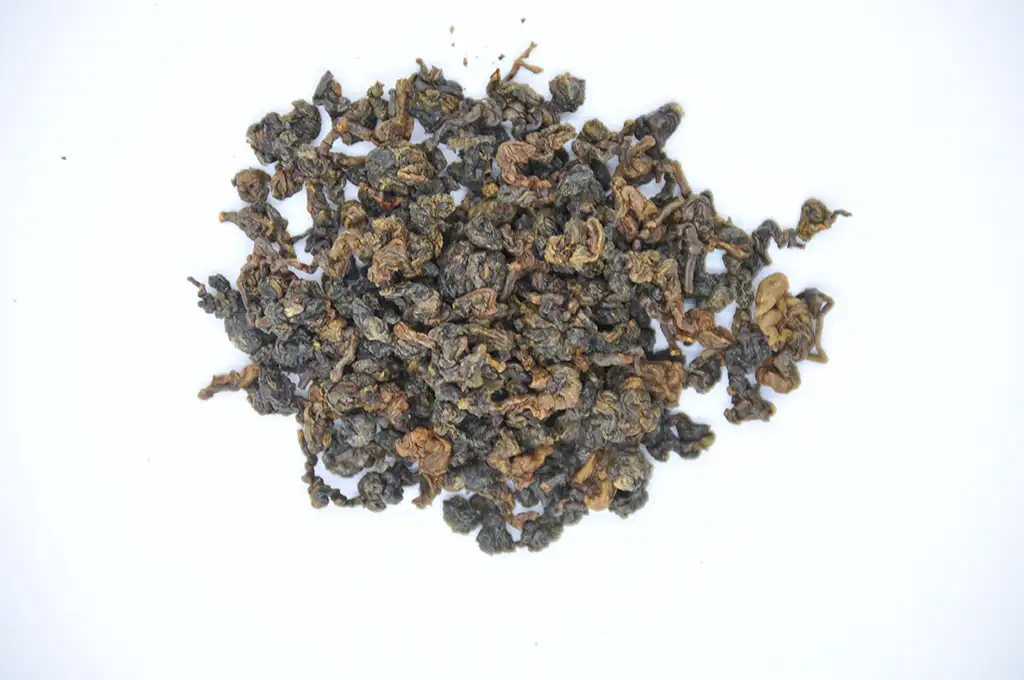
The main differences between Dongding Oolong and High Mountain Oolong lie in their levels of fermentation and roasting. In addition, High Mountain Oolong places a strong emphasis on “mountain breath” (gaoshanqi). These three points are the biggest distinctions between the two teas.