
It’s common knowledge that tea harvested on rainy days tends to be lower in quality. As recorded in the Classic of Tea by Lu Yu: “Do not harvest when it rains; harvest when it’s sunny.” This means tea leaves should be picked on sunny days to be at their best. But truly exceptional tea isn’t just harvested on a sunny day—it’s harvested during a stretch of consecutive sunny days to reach the next level of quality.
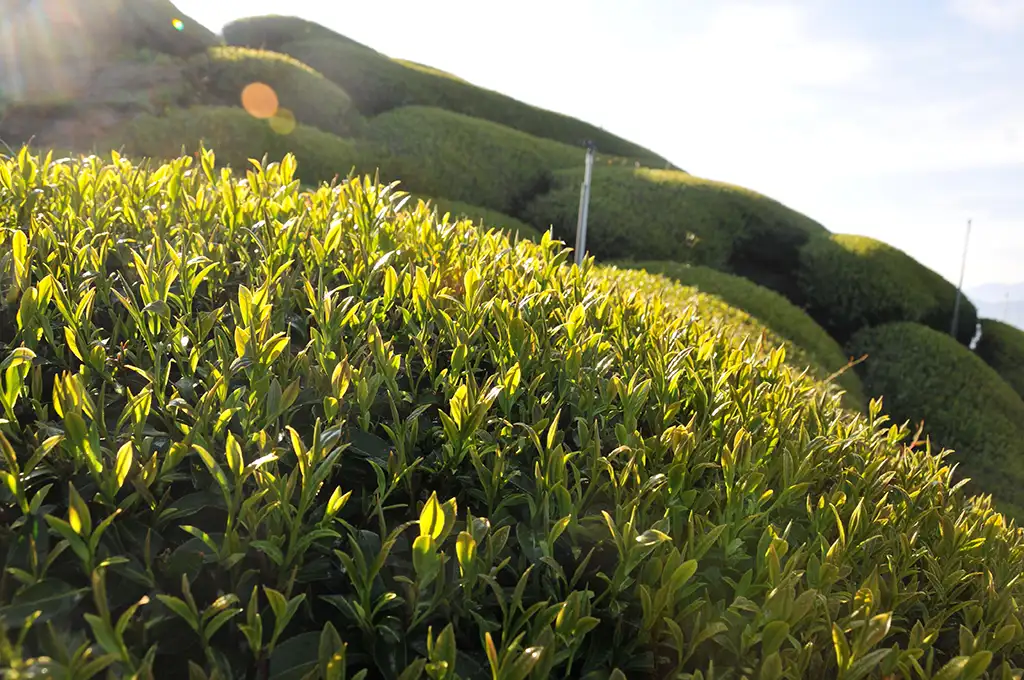
Why It's Hard to Make Good Tea on Rainy Days
Tea makers generally prefer not to process tea on rainy days. Aside from the high harvesting costs, the main reason is the difficulty of withering. Tea leaves saturated with rainwater both inside and out require a much longer withering time, which delays subsequent processes and makes the entire tea-making workflow far less predictable. As a result, even the most skilled tea makers struggle to match the quality of rainy-day tea with that of sunny-day tea.
Another reason why rainy days make it difficult to produce great tea is that they typically rely solely on artificial heat for withering—meaning there’s no sunlight available for natural solar withering. Consequently, the tea’s aroma and mellow depth tend to be inferior.
Are Sunny-Day Teas Always Good?
Tea made on a bright, sunny day following heavy rain the day before isn’t necessarily good either, largely due to withering challenges. Although the exterior of the leaves may be dry, the inside of the tea leaves is still packed with moisture, keeping the withering process fraught with difficulty. Therefore, tea quality cannot be judged solely by the weather on the day of harvest; rain from previous days continues to affect the quality in the days that follow.
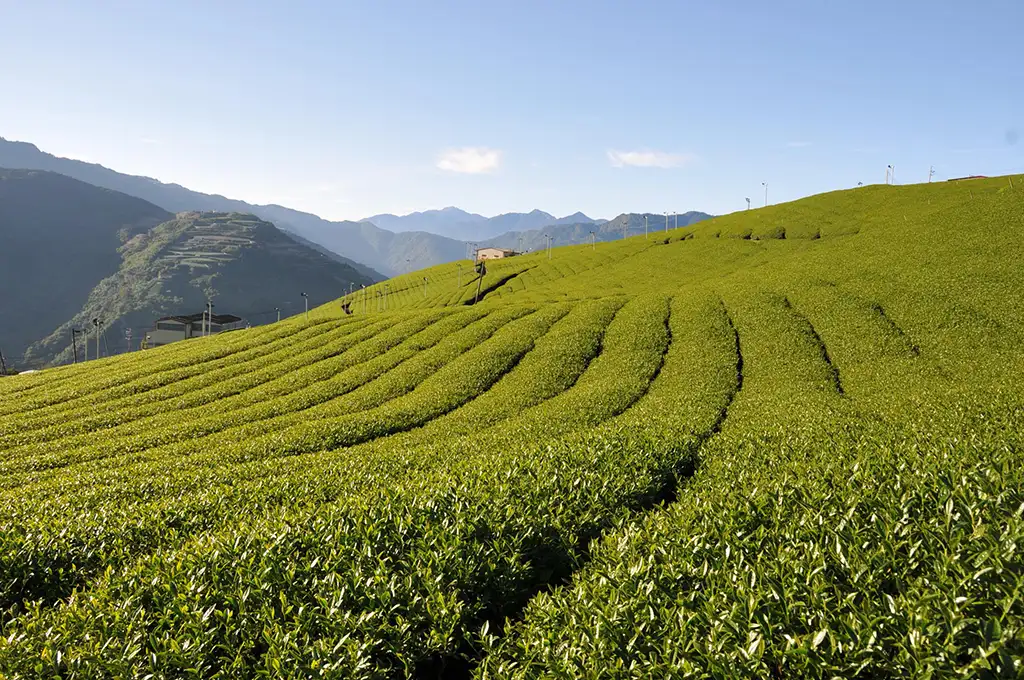
Why Is "Consecutive Sunny Days Tea" the Best?
After consecutive sunny days, the soil becomes drier, meaning the tea plants do not absorb excessive water, and the moisture content inside the tea leaves drops to an ideal level, allowing the withering process to proceed smoothly. With a smooth withering process, the tea maker can focus more energy on the subsequent steps of fixation and rolling, elevating the tea quality to the next level.
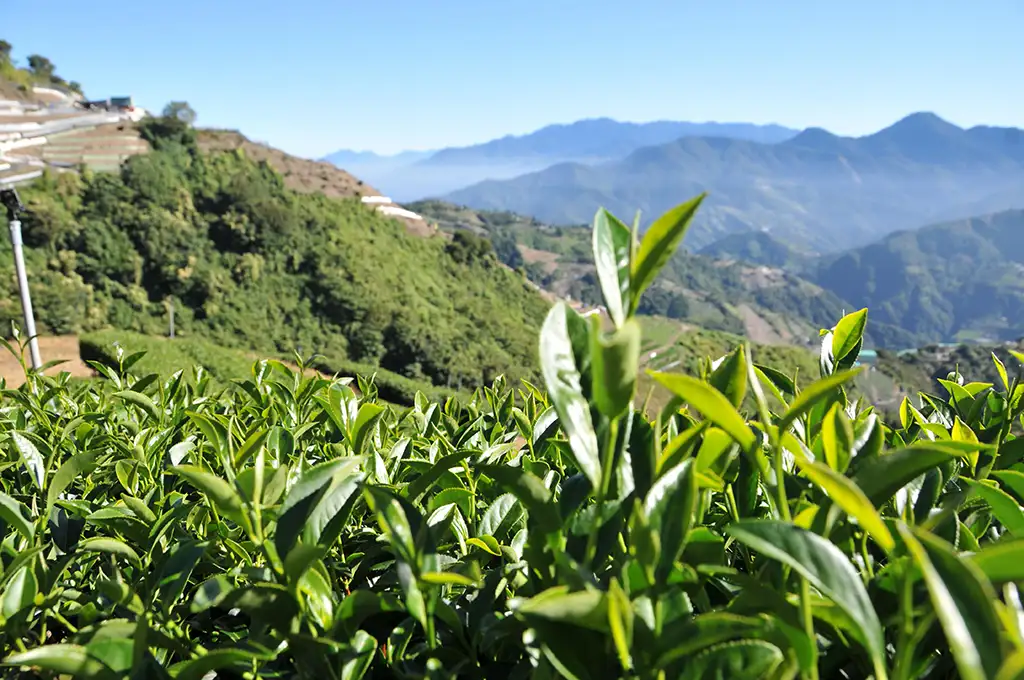
Another advantage of tea made from consecutive sunny days is that tea makers can adjust the production process each day based on the previous day’s results, such as increasing or decreasing withering time, fixation temperature, or drying time. Under normal circumstances, the tea quality improves day by day. Because the quality of the harvested leaves remains stable during consecutive sunny days, tea makers can make daily micro-adjustments to ultimately achieve the peak quality possible for those leaves. If rain falls midway, the adjustment process has to start all over again. That is why consecutive sunny days make it much easier to produce phenomenal, monster-grade exceptional teas.