
Wuyi rock teas are widely loved, and among the many mountain origins and cultivars, Rougui tea from Niulankeng is by far the most popular, often considered a top-tier tea on par with “Maro” (Matouyan Rougui tea). Prized for its unique terrain, limited harvest, and exceptional quality, Niulankeng Rougui is affectionately nicknamed “Niu Rou” (Beef) by tea enthusiasts.
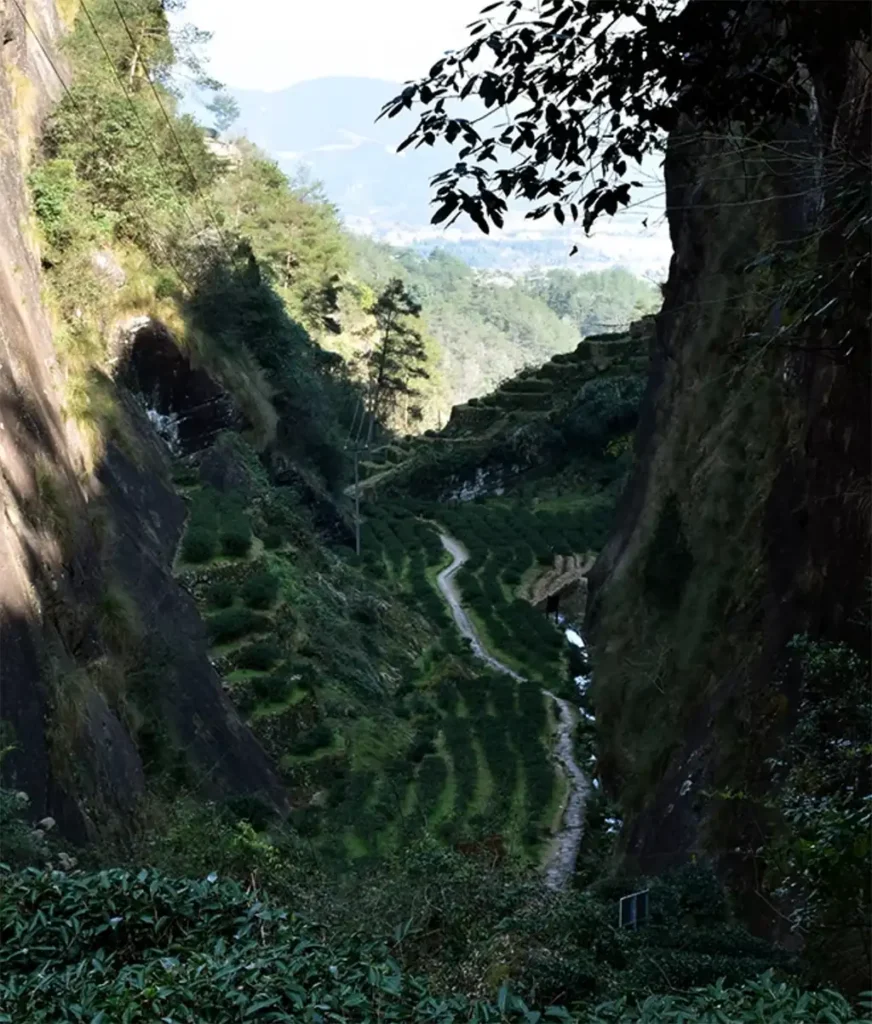
Authentic Wuyi Rock Tea Origin: Niulankeng Rougui Tea
Wuyi tea origins are often described as the “Three Pits and Two Gullies,” which include Huiyuankeng, Niulankeng, Daoshuikeng, Liuxiangjian, and Wuyuanjian. Among them, Niulankeng stands out because of its striking rock formations. As a “Zhengyan” (true rock tea, with tea gardens flanked entirely by mountain rock), it is beloved for its pronounced “rock rhyme” (yan yun). The local tea variety is “Rougui,” leading the tea community to playfully nickname Niulankeng Rougui tea “Niu Rou” (Beef). Along with Matouyan Rougui tea, it is regarded as one of the finest Wuyi rock teas available.
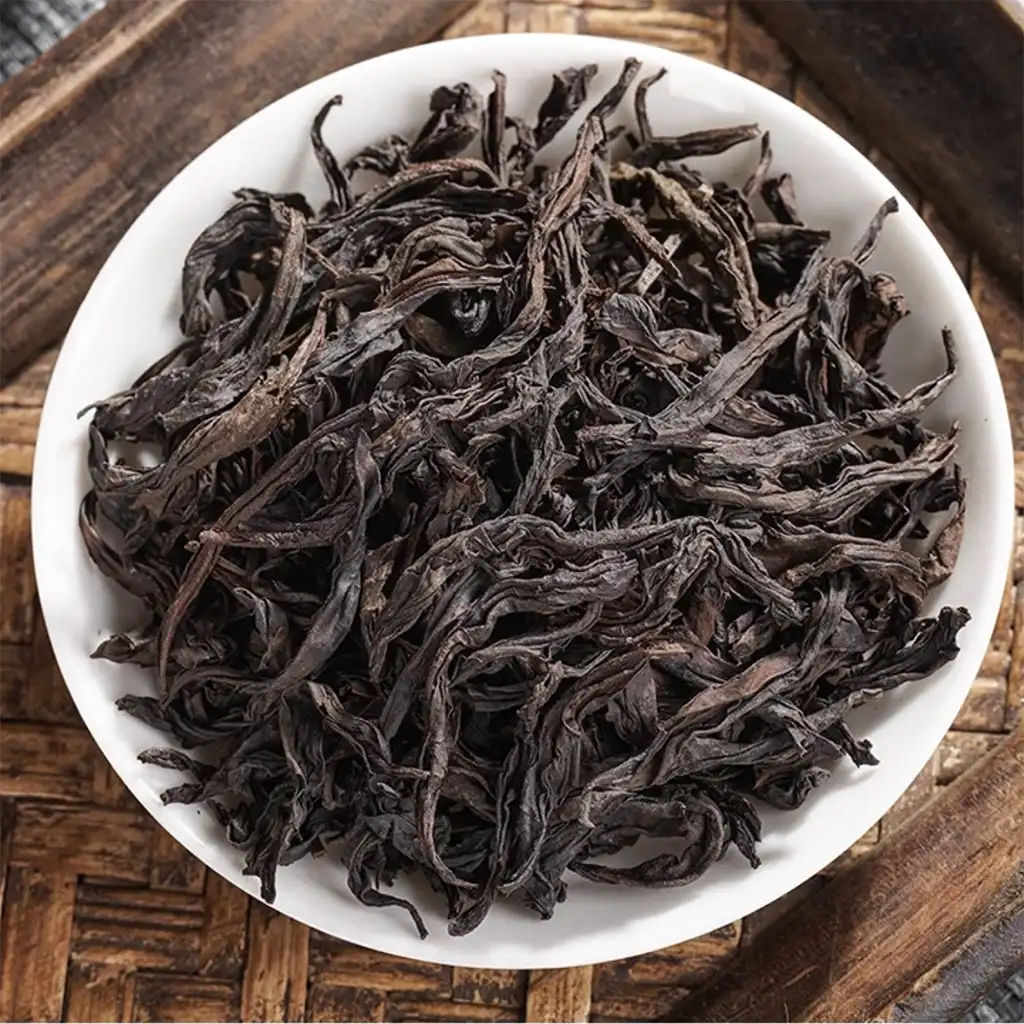
"Zhengyan" Niulankeng Rougui Tea
There is a saying in rock tea: “The highest grade grows in stone, the middle grade in gravel, and the lowest grade in soil.” Teas grown among rocks develop a distinct “rock rhyme” (rock bone and floral fragrance) and are called Zhengyan (true rock tea). Teas grown in the semi-hilly terrain along the edges of Wuyishan are called Banyanyan (semi-rock tea); their aroma and flavor are weaker than Zhengyan, and while the rock rhyme is present, it’s less pronounced. Tea harvested from plains or flat fields is called Zhoucha (field tea), which is inferior to semi-rock tea, practically devoid of rock rhyme, and generally considered a lower-quality Wuyi rock tea.
Niulankeng is transected north-to-south by the Liuxiangjian gully, creating its unique topography. With shorter hours of sunlight and massive rock walls right alongside the plots, it is widely considered a premier rock tea production area.
Astonishing Market Prices
The massive hype around Niulankeng Rougui is also tied to its extreme rarity. Because yields are so low, even entry-level Niulankeng tea starts at over NT$10,000 per 500 g, while mid-tier options range from NT$10,000 to NT$20,000. Premium “Niu Rou” reportedly breaks past NT$100,000 (roughly NT$450,000), which is quite staggering.
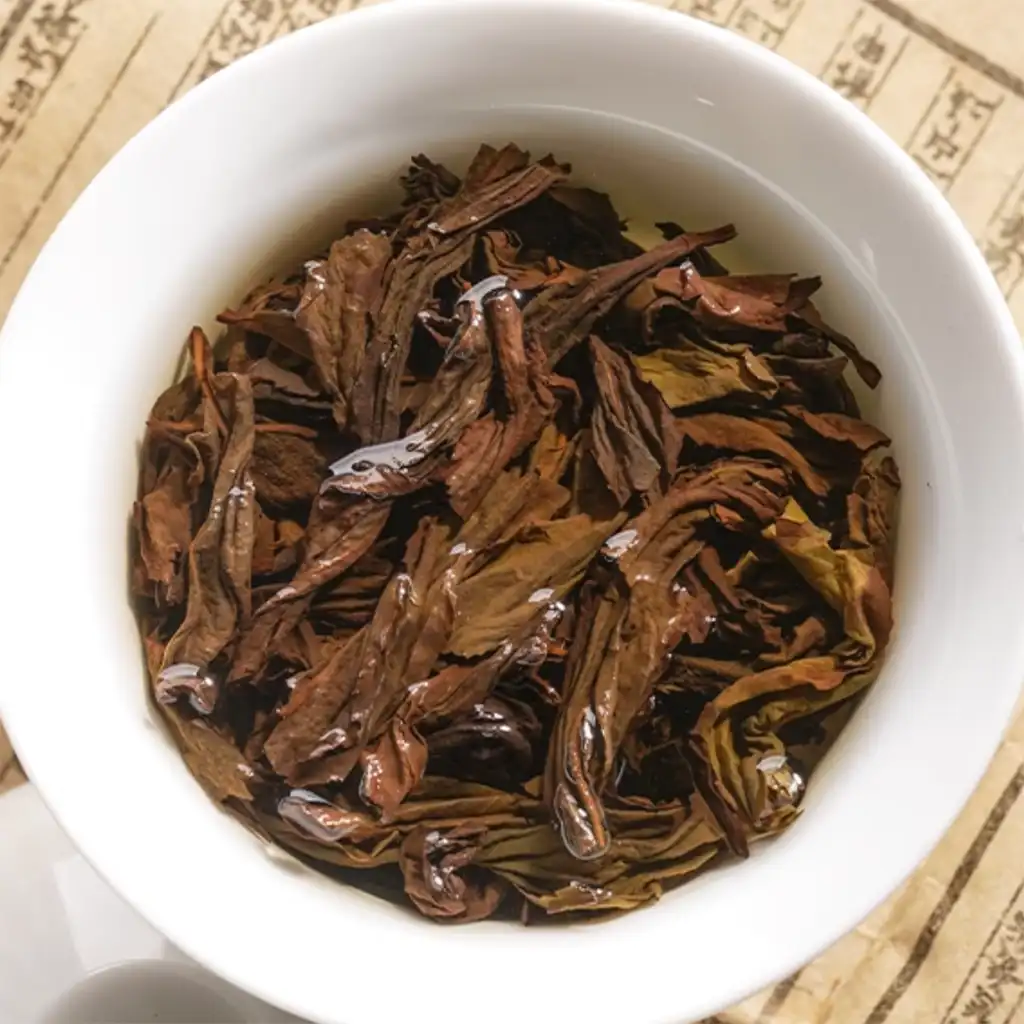
Is Niulankeng Rougui Tea Always Delicious?
Niulankeng certainly offers an exceptional environment for rock tea, but no matter how great the growing conditions are, tea garden management and craftsmanship remain the true keys to quality. Niulankeng Rougui tea is much like Taiwan’s Dayuling tea and Lishan tea—while they benefit from a naturally superior growing environment, it doesn’t automatically mean the final product will taste great. Furthermore, Niulankeng Rougui faces a major issue in the tea market: an abundance of counterfeits. Just like Taiwan’s Dayuling tea, 99% of what’s out there on the market is fake. Be sure to ask questions before buying, because spending tens of thousands of yuan only to end up with fake tea would be a real heartbreak.
Read more:
- How to Brew Wuyi Rougui Tea: What to Keep in Mind?
- Is Narcissus Tea Green Tea? What Kind of Tea Is It?
- What’s the Difference Between Narcissus, Rougui, and Da Hong Pao in Wuyi Rock Teas?
- What Kind of Tea Is Da Hong Pao? Is It Black, Green, or Oolong Tea?
- Where to Buy Da Hong Pao Tea? Is It Produced in Taiwan?
- What Category of Tea Do Wuyi Rock Teas Belong To? Are They Puerh?