
The main production area of Yueguangbai is located in Pu’er City, Yunnan. Since the local area is already famous for producing Pu-erh tea, and quite a lot of Yueguangbai is pressed into tea cakes, many people mistakenly believe that Yueguangbai is a type of Pu-erh tea. Some vendors even sell “Yueguangbai Pu-erh Tea” on the market. In reality, Yueguangbai belongs to the white tea category, not Pu-erh tea!
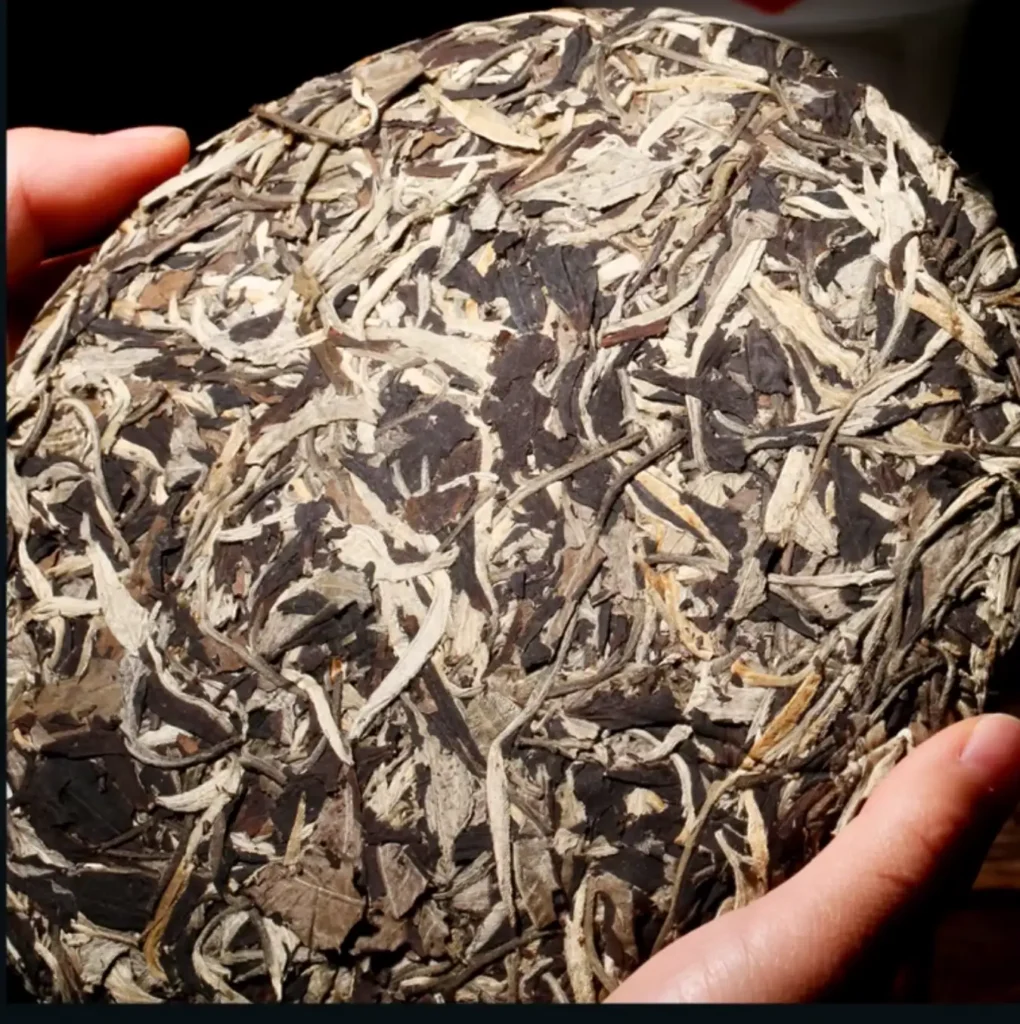
Yueguangbai Pu-erh Tea? Absolutely Wrong!
Yueguangbai pressed into tea cakes or bricks does not mean it is Pu-erh tea. To distinguish tea categories, we primarily look at their production processes. The process for white tea includes harvesting, withering, and drying, while the process for Pu-erh tea involves harvesting, fixation, rolling, fermentation, and drying. Yueguangbai only goes through harvesting, withering, and drying, which is why it falls under white tea.
Pressing Yueguangbai into tea cakes or bricks should be called “Yueguangbai tea cake” or “compressed Yueguangbai tea”. It remains a white tea because its production process does not include fixation, rolling, or fermentation. No matter how you look at it, it can never be Pu-erh tea. (The image above shows a Yueguangbai tea cake, and the image below shows a ripe Pu-erh tea cake for comparison)
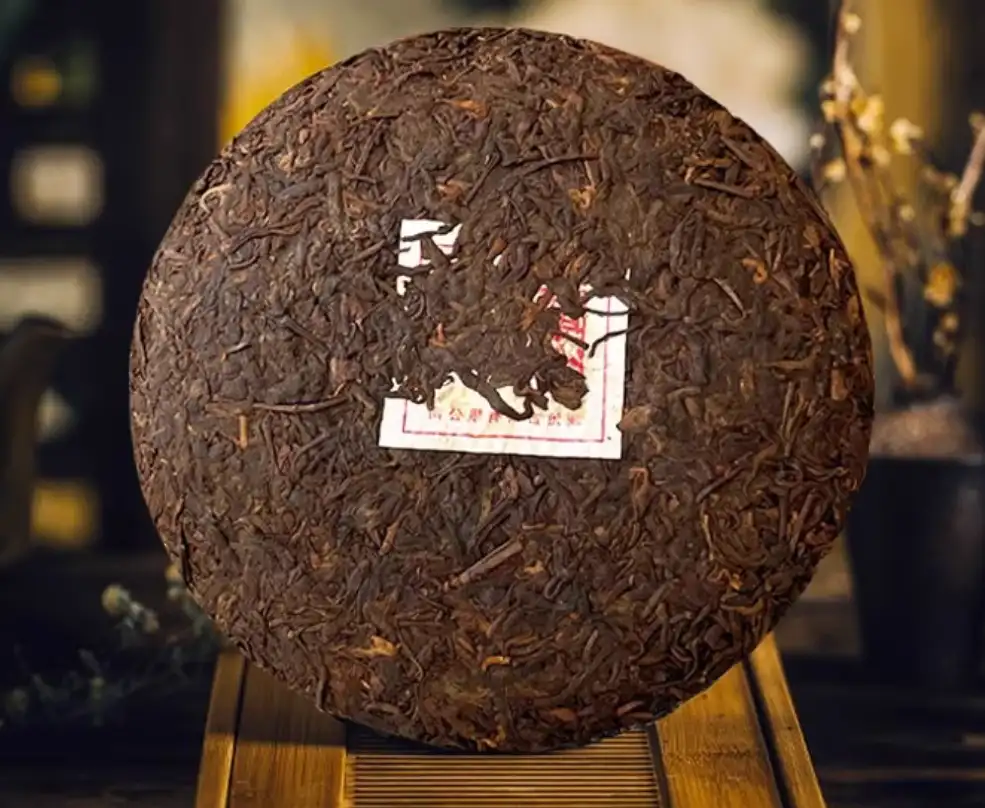
So, why is there "Yueguangbai Pu-erh Tea" on the market?
Perhaps for sales purposes, sellers invented the term “Yueguangbai Pu-erh Tea,” combining the selling points of both Yueguangbai and Pu-erh tea. Coupled with the average consumer’s lack of familiarity with the definitions of Pu-erh and white tea, this misunderstanding arose. Next time you see Yueguangbai Pu-erh Tea on the market, just treat it as a marketing gimmick.