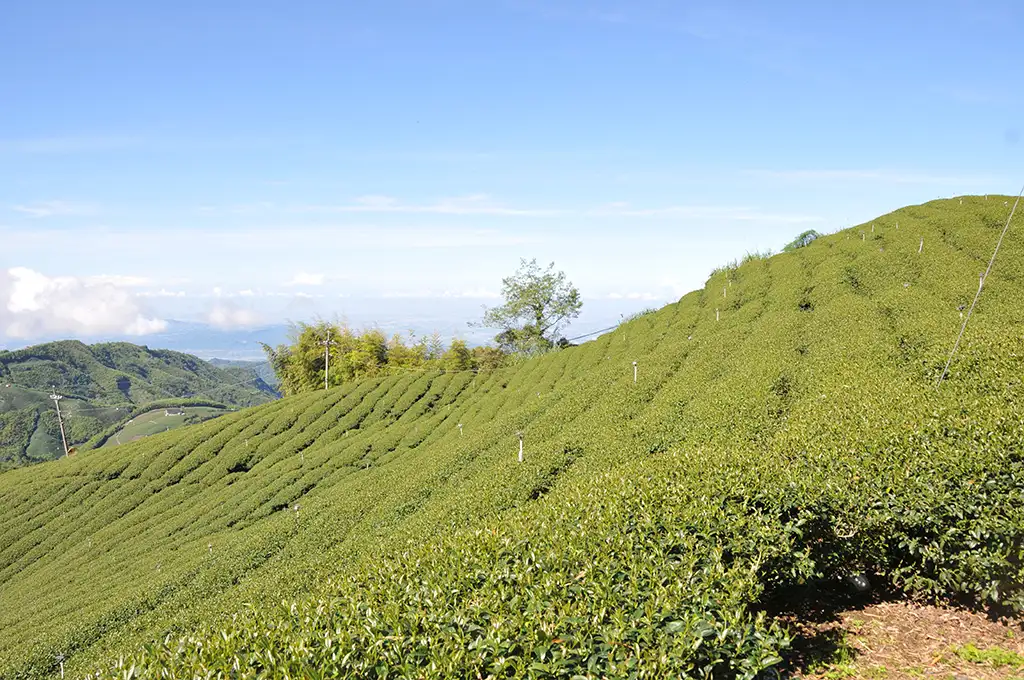
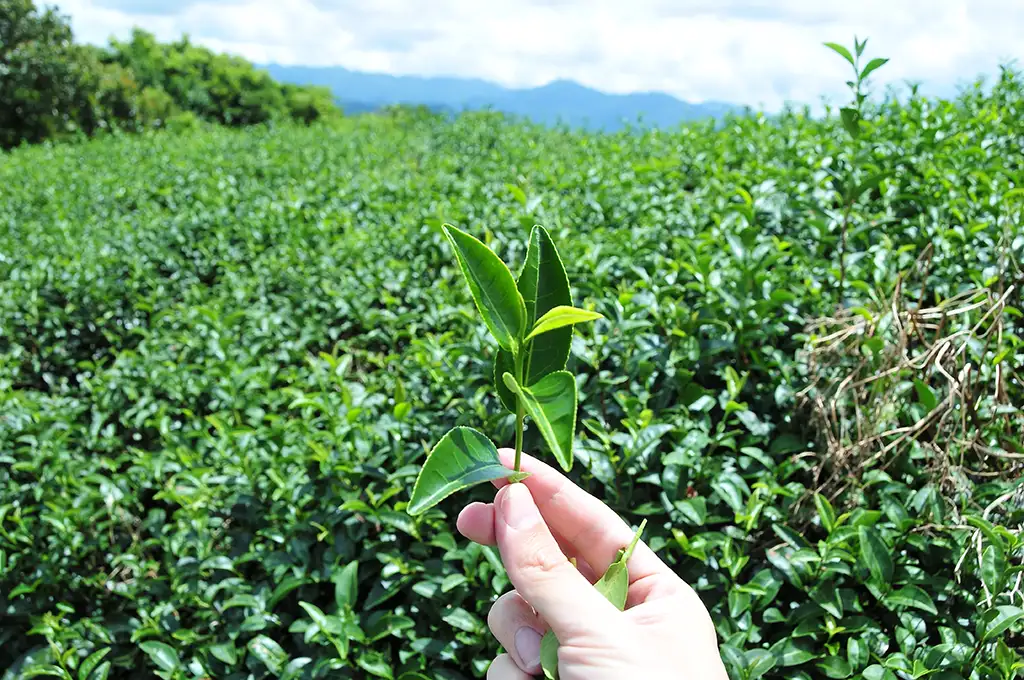
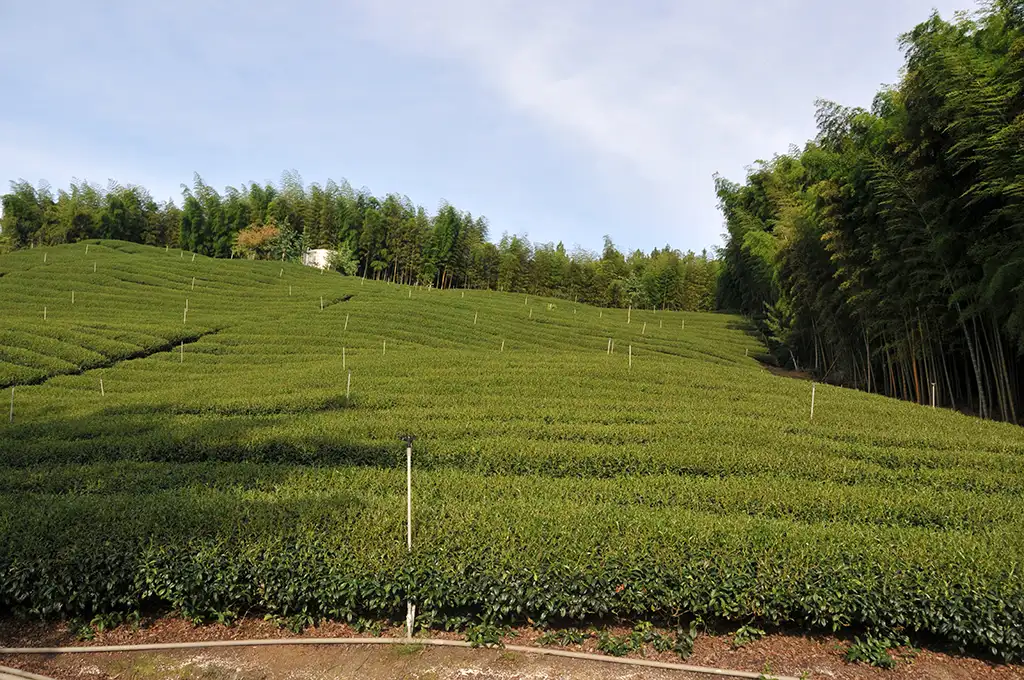
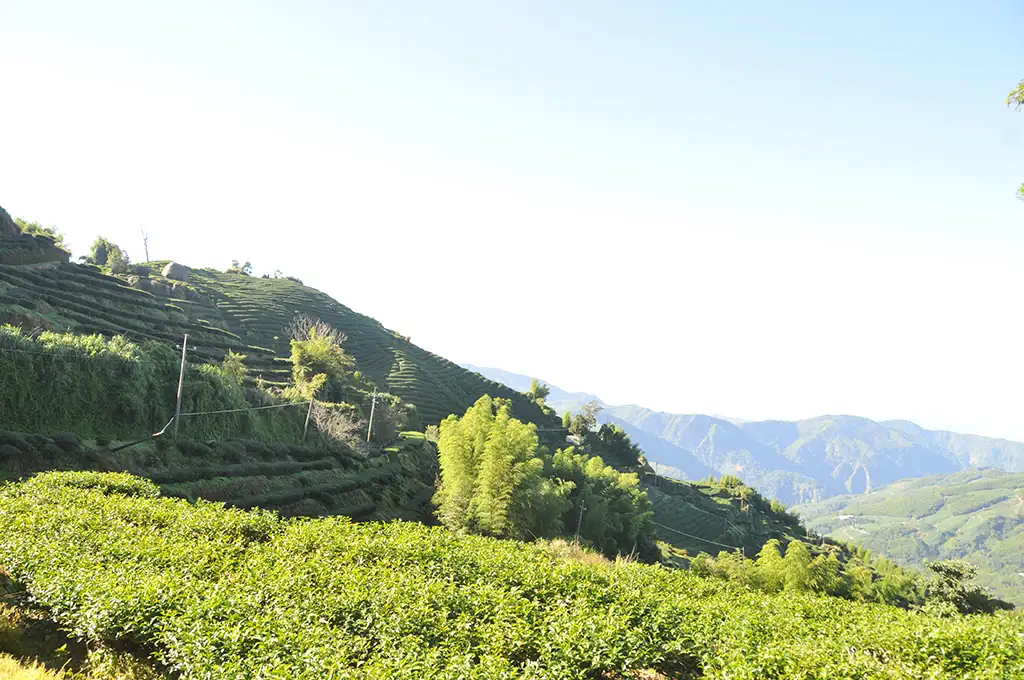
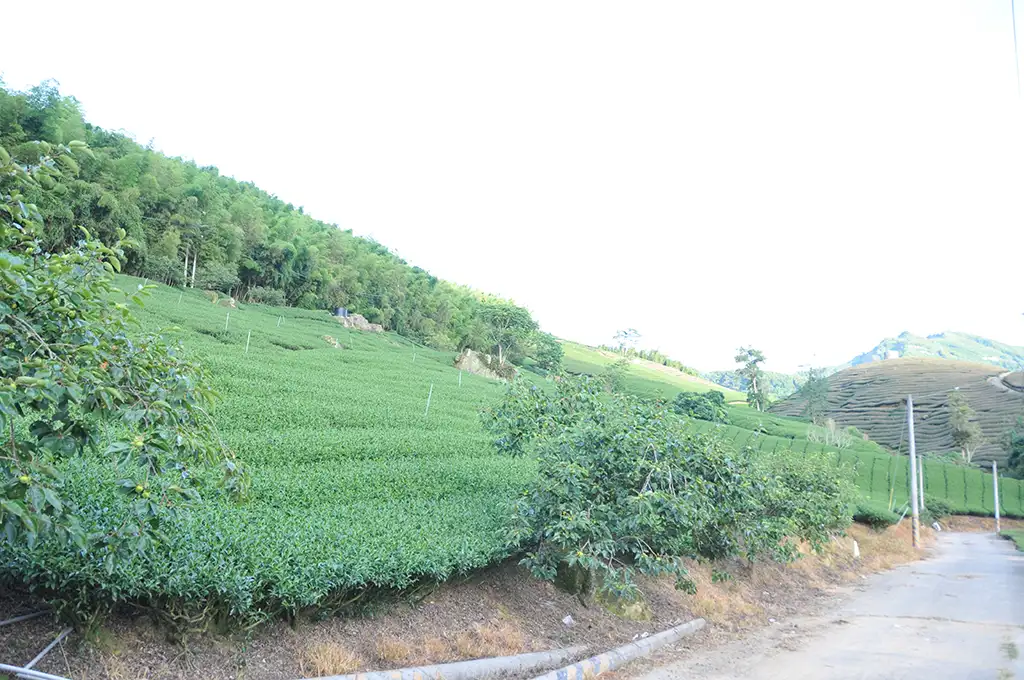
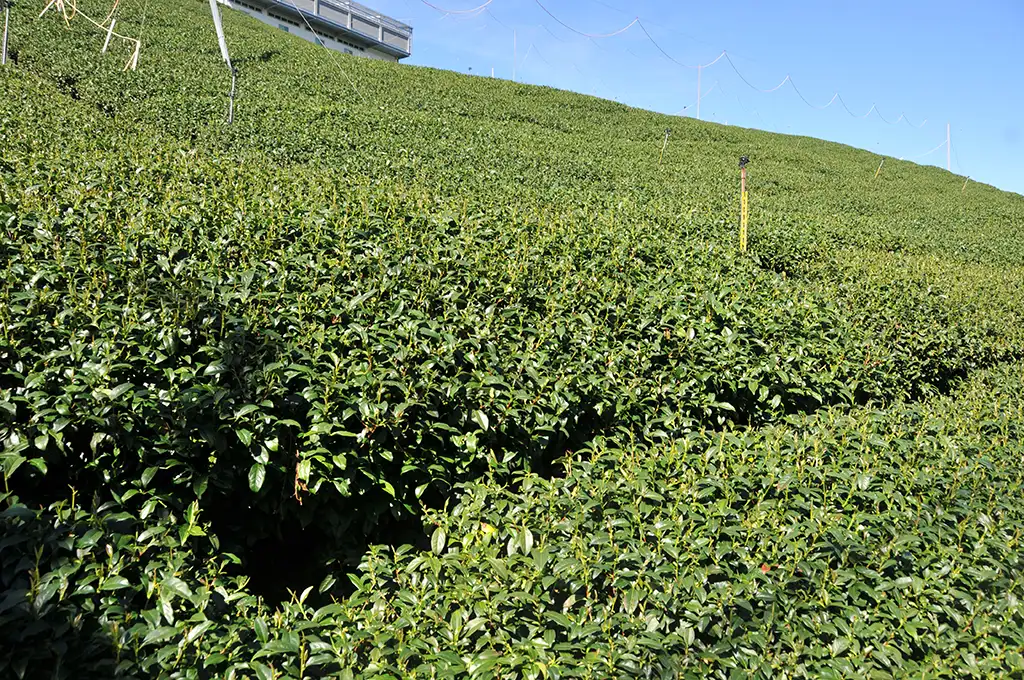
You read that right—high mountain areas also harvest summer tea (Ershui tea)! Many people assume high mountain tea is only harvested in spring and winter, but Ershui summer tea is actually harvested as well, and in quite substantial quantities!
This year has been rather interesting. Because the spring tea harvest was delayed by two weeks, the high mountain Ershui tea, which normally would have been picked in late May, was pushed back to June. With temperatures rising, tea-making quality tends to drop, and the yield of high mountain Ershui summer tea is expected to be lower than in previous years.

Another interesting point: due to this year’s drought, many spring teas that should have been harvested in early April had a “zero yield,” only starting to be picked from mid-May through June. This raises the question: should this batch of tea be considered spring tea or Ershui tea?
The drawback of summer tea is its tendency toward bitterness. Because of the higher temperatures, tea leaves contain more bitter compounds, resulting in a heavier astringent taste when brewed. However, does that mean Ershui tea or summer tea is inherently no good? Not necessarily! Our store manager has tasted exceptionally high-quality Ershui tea that, if you weren’t paying close attention, you’d easily mistake for spring tea!
Note: While much of the lowland summer tea is used as raw material for bubble tea and shaken beverages, high mountain Ershui summer tea is of better quality and is mostly sold as retail tea. Some tea merchants also buy it back to “blend” with spring or winter tea. High mountain Ershui summer tea is priced at just half that of spring tea. If you haven’t tried it yet, it’s worth giving a shot—it actually makes a pretty great daily drinking tea.