A Major Quality Killer: “Gongsun Buds” (Asynchronous Buds)

This year’s drought in the Alishan tea region has led to slow growth and low yields, but many tea gardens are also facing uneven growth and an issue with uneven bud development. This year’s uneven bud problem is shaping up to be the worst in 20 years.

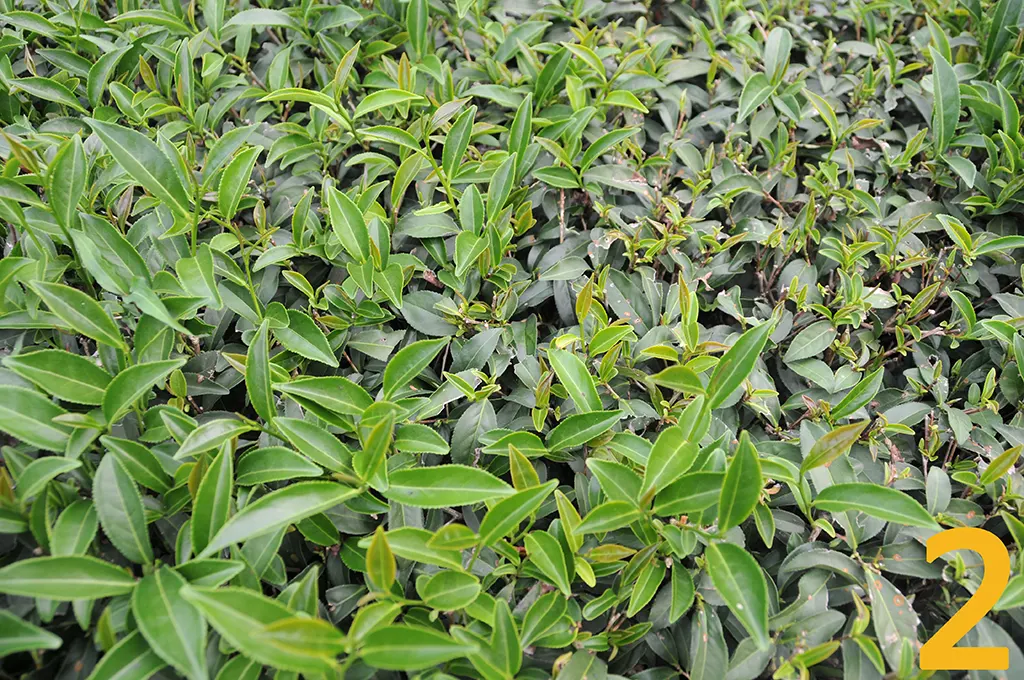
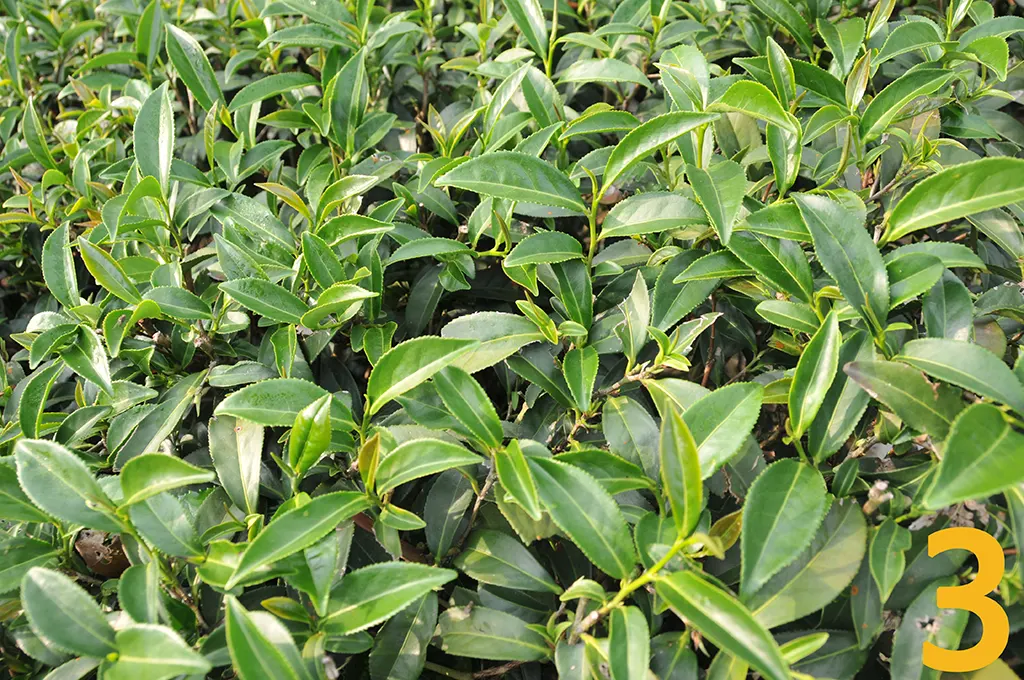
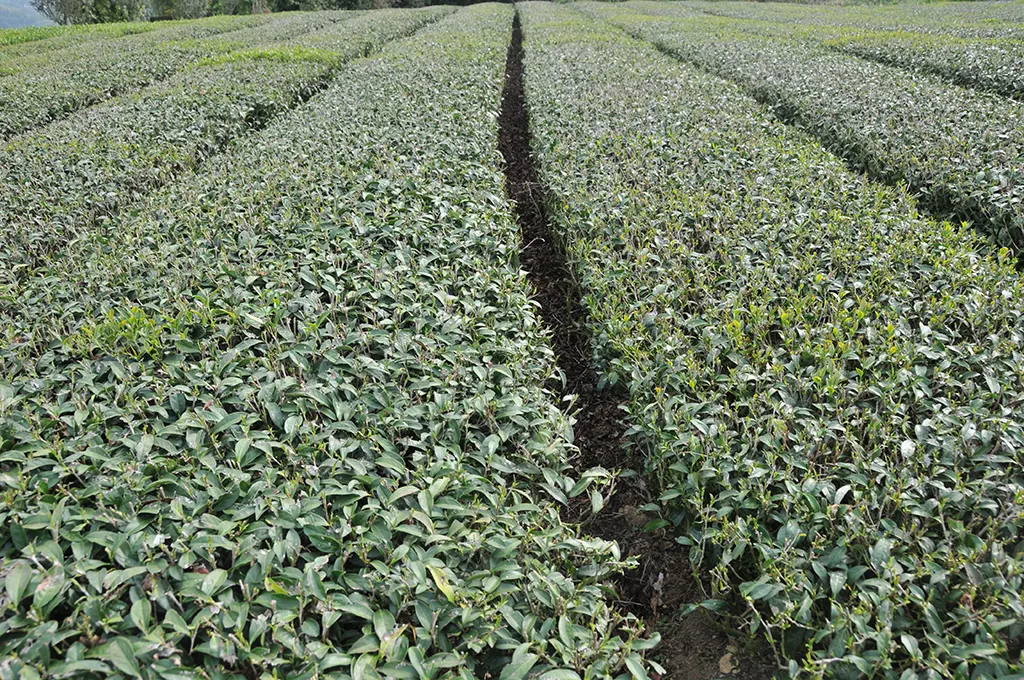
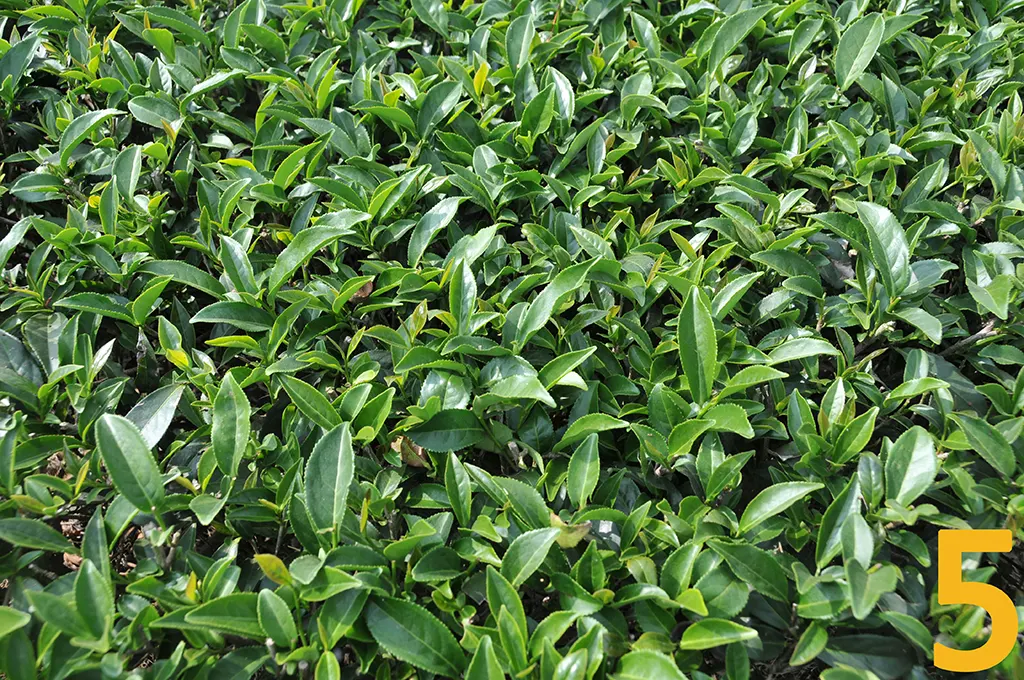
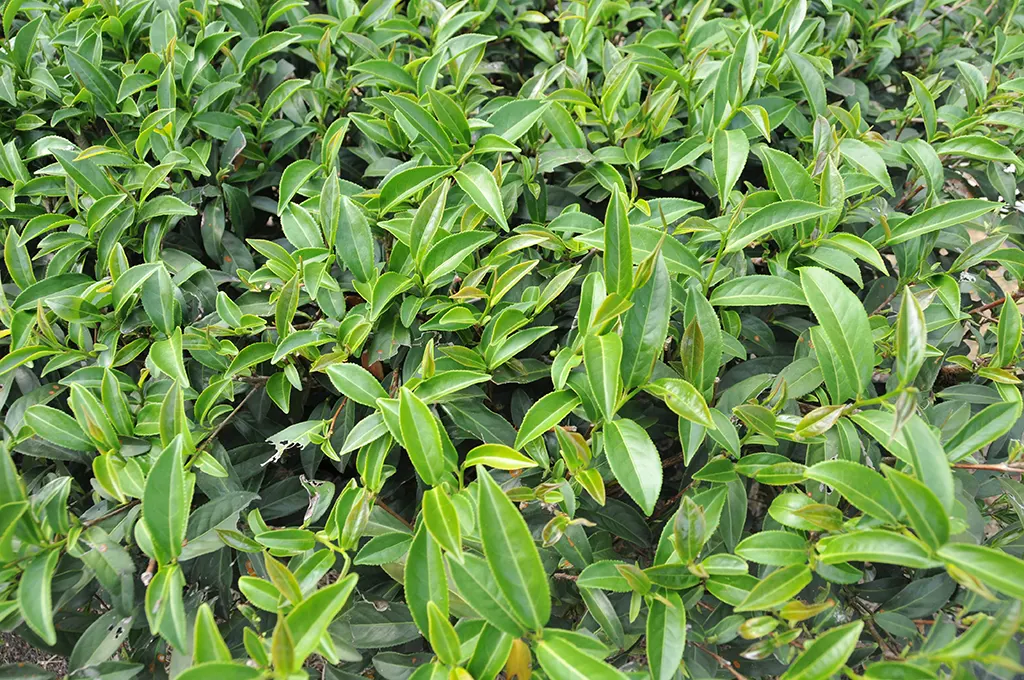
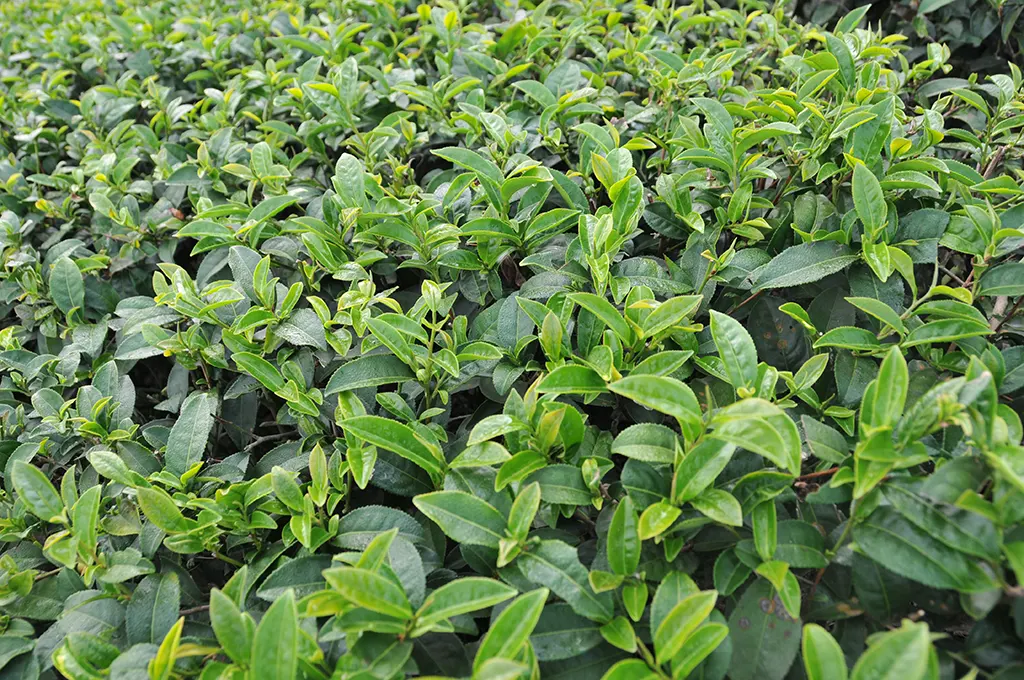
Uneven buds happen when tea growth is out of sync, meaning there is too high a proportion of older leaves (“grandfathers”) coexisting with tender shoots (“grandsons”). If you look closely at the photos (Figure 2), you can clearly see the asynchronous sprouting. On the same tea tree (Figure 3), some buds are just starting to emerge while others have already matured into older leaves. This is a clear case of severe uneven bud growth.

It’s completely normal in nature to have a mix of old and young leaves. Tea farmers typically use pruning and heavy irrigation to encourage the tea trees to sprout all at once, which significantly reduces the proportion of uneven buds. Because of the lack of rainfall this year—coupled with the inability to irrigate heavily—this uneven bud issue has become particularly severe.

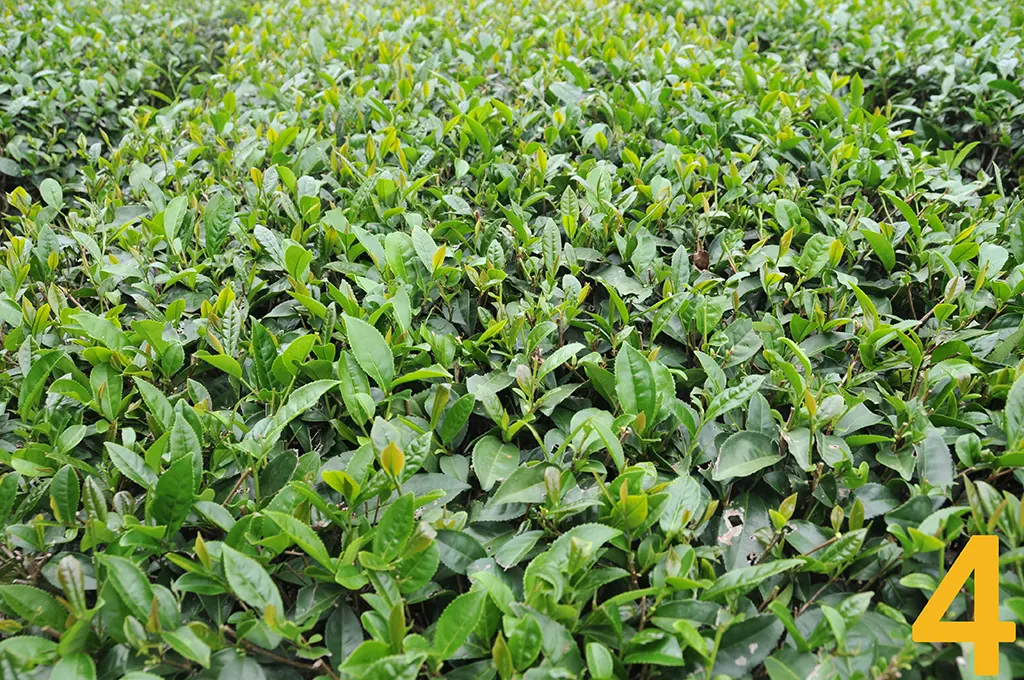
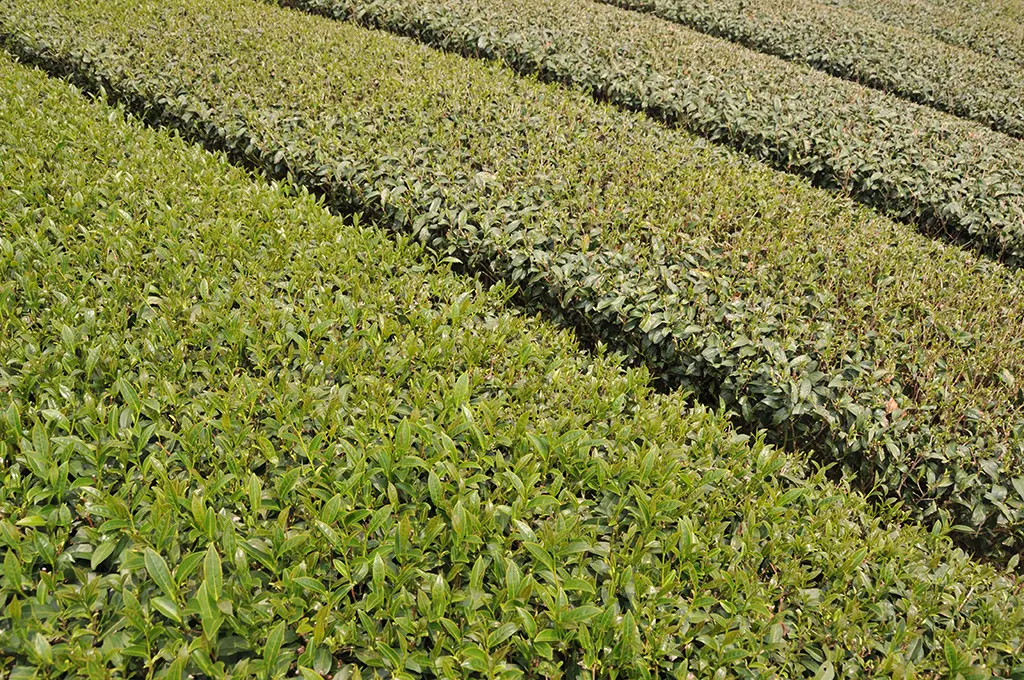
Gongsun buds (unevenly matured tea buds) are a ‘major minus factor’ for tea quality. Because old and tender leaves are mixed together during tea-making, the overall quality suffers. With different moisture levels and inconsistent withering, the final result drags down the entire batch. The only solution for Gongsun buds is ‘selective harvesting’—first harvesting the mature and old leaves (as shown in Figures 4 and 5, which were harvested in advance), and waiting for the tender leaves to grow before picking them (some people process these into black tea or white tea). However, selective harvesting is a huge hassle for both tea pickers and tea makers, driving up costs, which tea factory owners dislike. For tea merchants like the store manager, Gongsun bud tea is never top quality, so tea merchants aren’t fans of it either.

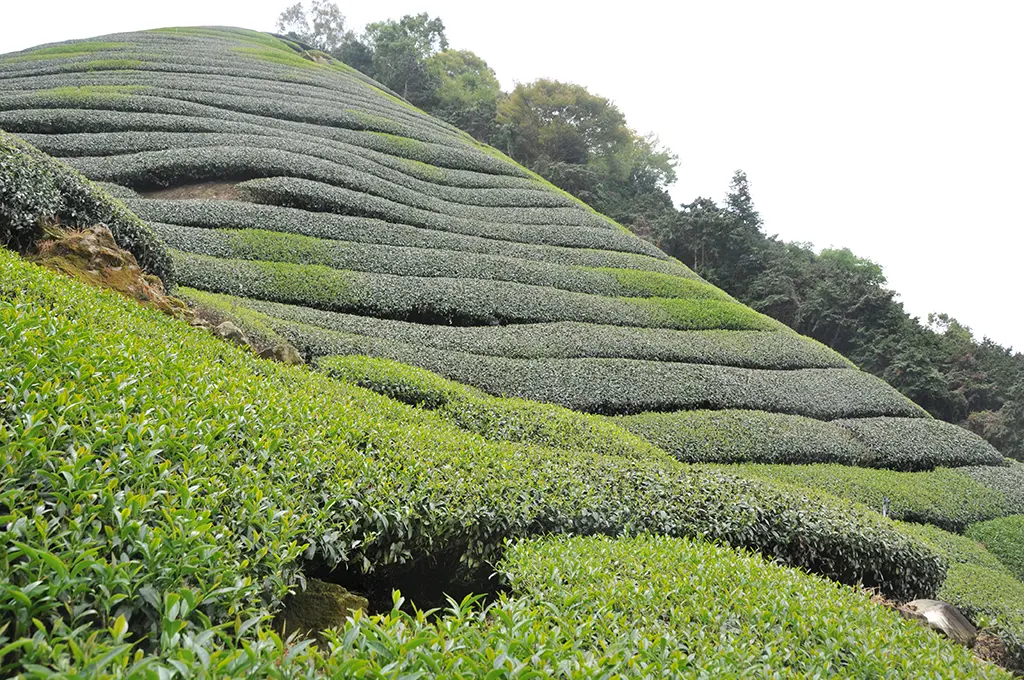
Due to this year’s drought and water shortage, many tea gardens are dealing with the Gongsun bud issue, with the problem worsening the further south you go. In some tea regions, the proportion of Gongsun leaves even exceeds half, meaning less than half of the leaves are at their optimal harvesting stage—making it very hard for this tea to be of good quality. We’re sharing a few more photos of tea trees with Gongsun buds so everyone can take a closer look and keep an eye out when buying Alishan tea this year.

Leave a Comment

Your email address will not be published. Required fields are marked *

This site is protected by reCAPTCHA and the Google Privacy Policy and Terms of Service apply.

The reCAPTCHA verification period has expired. Please reload the page.

Shopping Cart