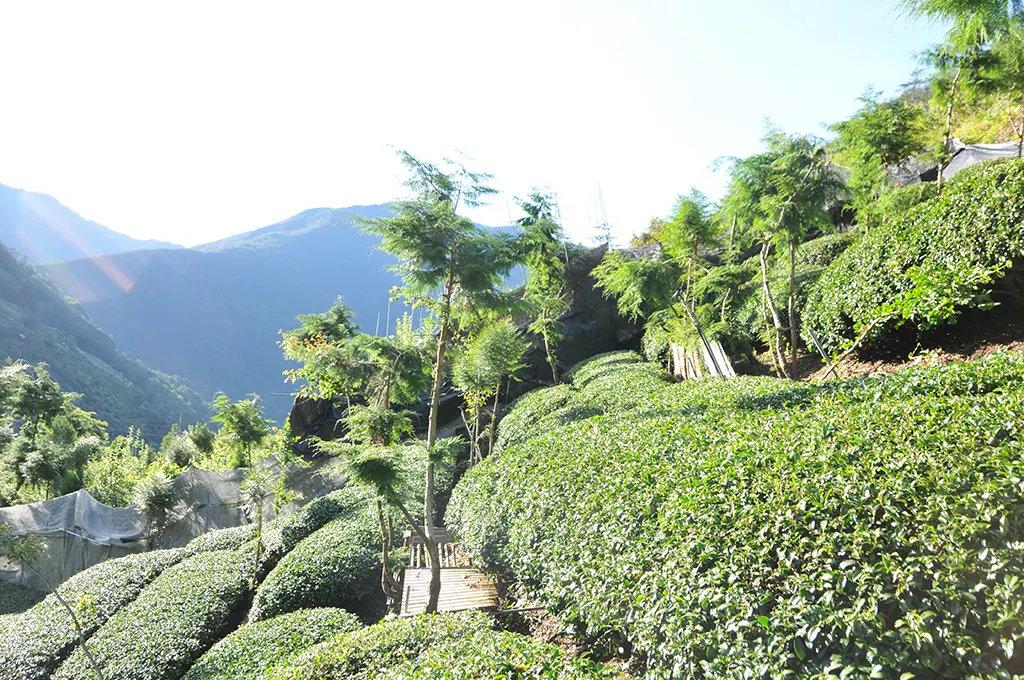
Are tea gardens planted with cypress and ginkgo of good quality?

Every now and then, customers ask if we sell tea harvested from under ginkgo or apple trees. Out of curiosity, I asked them why, only to find out they heard these teas would carry notes of ginkgo or apple. I nearly fell over hearing that—isn’t ginkgo famously stinky? ヽ(o^▽^o)ノ

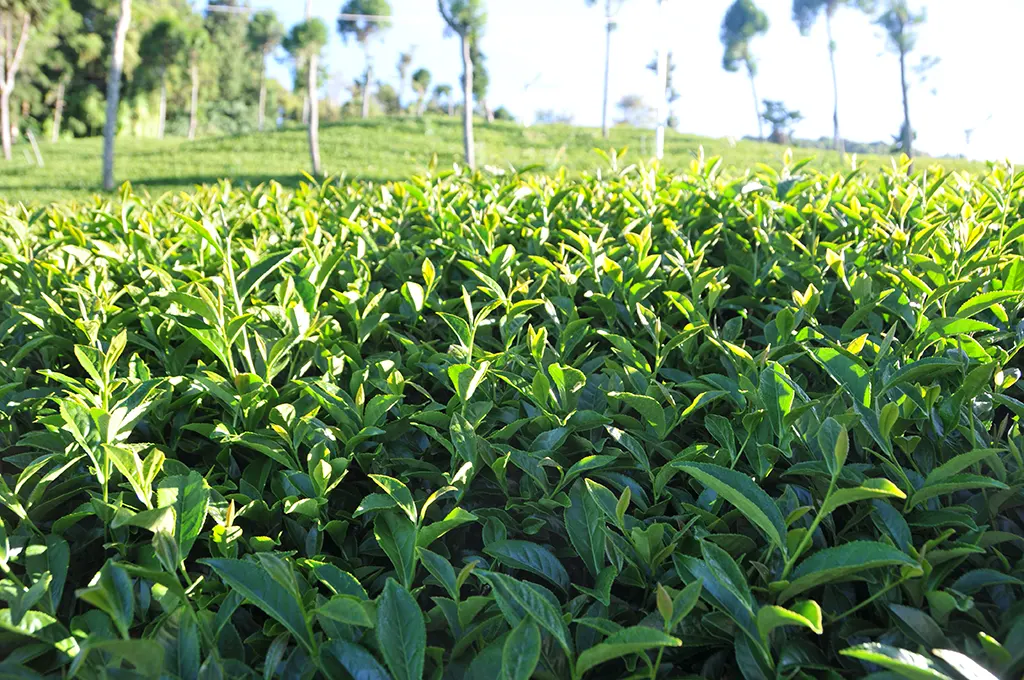
Ginkgo trees planted in the tea garden

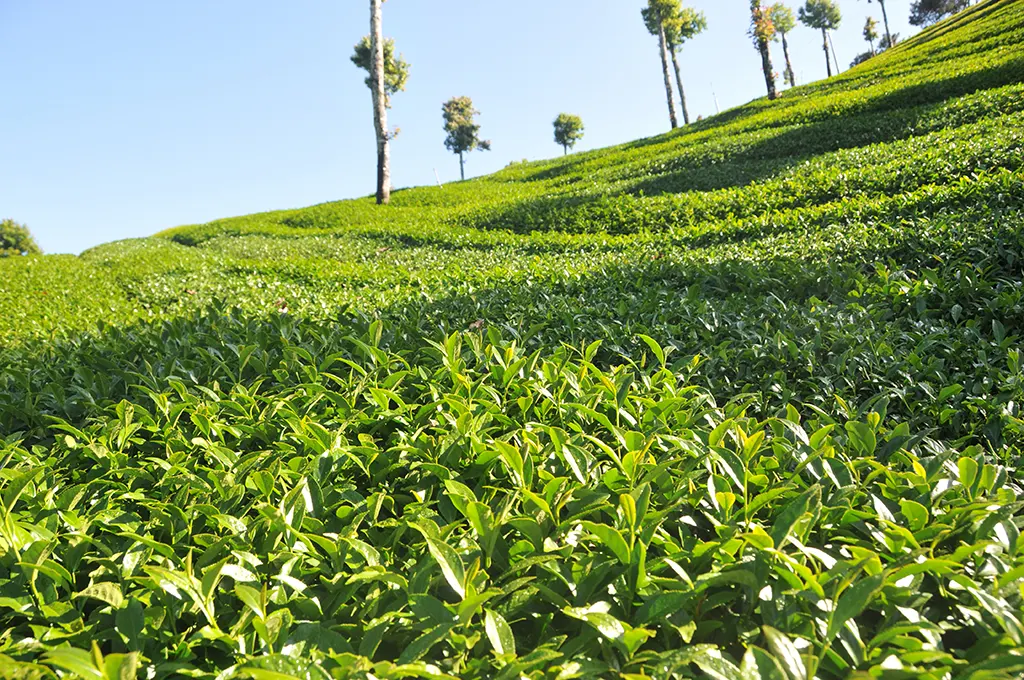
As far as I see it, having trees in a tea garden is a major negative for quality. Trees compete for nutrients, water, and sunlight, preventing the tea bushes from getting adequate nourishment and light, which ultimately hurts tea quality. So, why do people plant trees in tea farms in the first place? It usually comes down to land issues. For instance, when people grow tea on forest lands or encroach on state-owned property, government intervention often results in tea farmers planting trees just to put on a show while authorities look the other way—hence the sight of trees scattered right through a tea plantation.

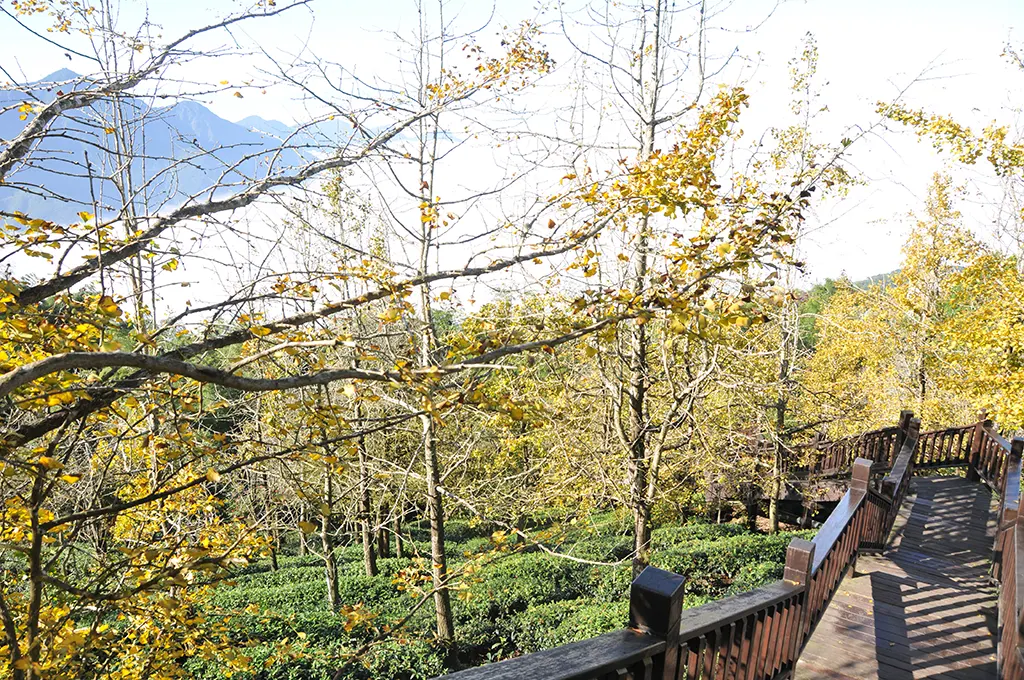
Trees planted in the tea garden

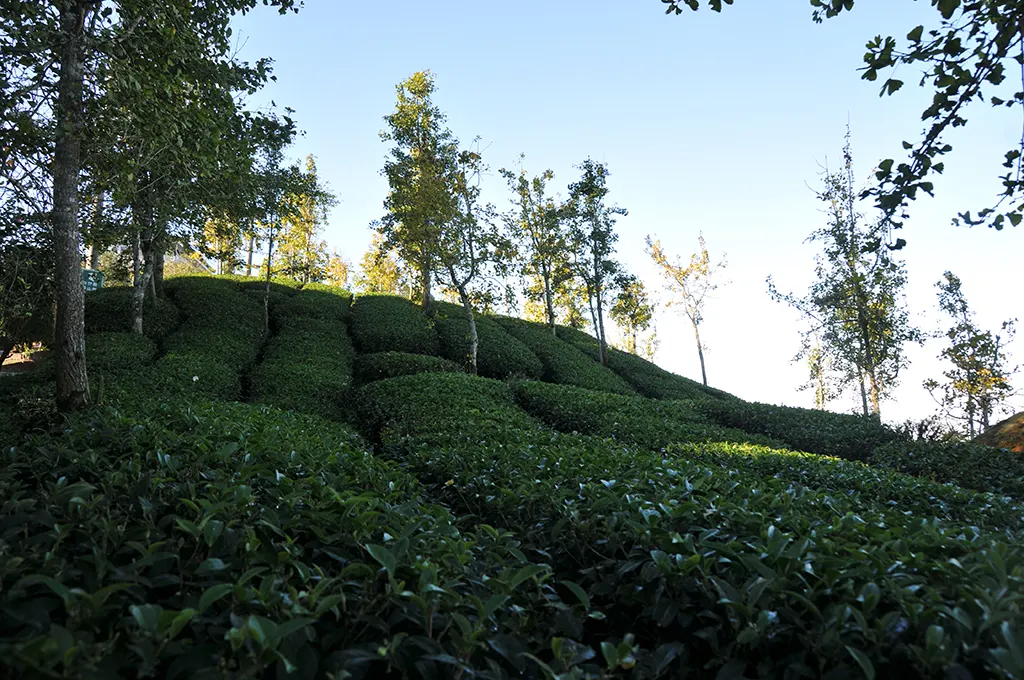
Cypress trees are the most popular choice because they grow slowly and don’t impact the tea bushes as much, though the downside is their thick shade requires frequent pruning. Another popular option is ginkgo, which grows even slower than cypress and drops its leaves in the winter. This saves the trouble of pruning while offering tourism appeal, making ginkgo trees quite trendy in recent years.

Ginkgo trees planted in the tea garden

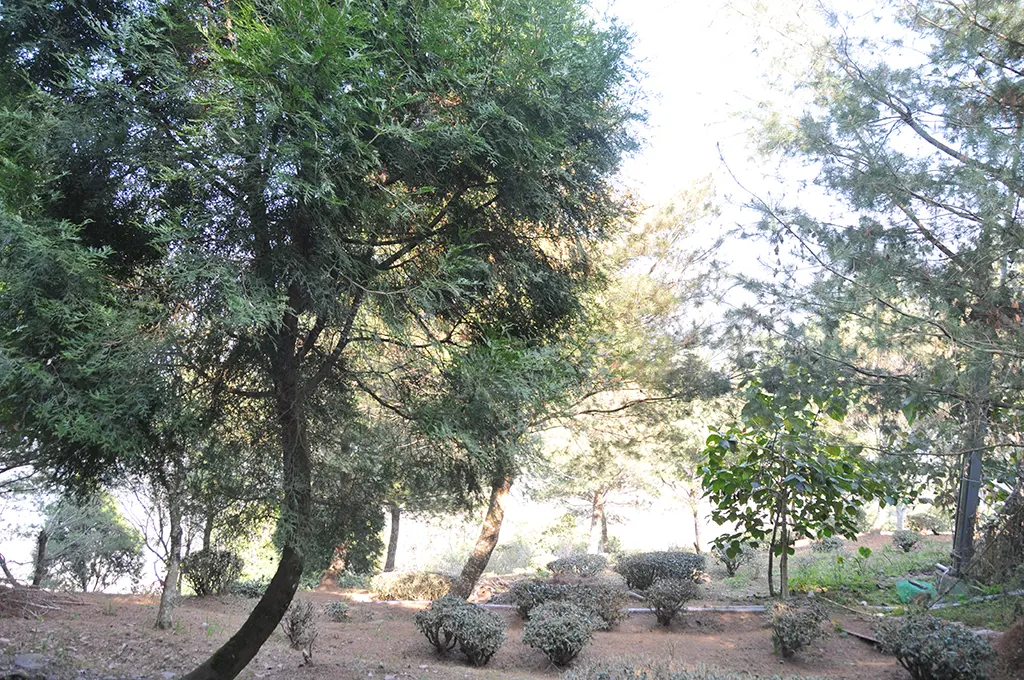
There are quite a few drawbacks to having trees mixed into a tea garden. Aside from stealing nutrients from the tea plants and complicating farm management, the biggest issue is that they block sunlight. This causes some tea leaves to experience “leggy growth” and grow more slowly. These leaves end up with poor flavor, and when mixed with normal tea leaves during post-processing steps like withering and moisture loss, they process at different rates. The result drags down the quality of the entire batch.

Trees planted in the tea garden

Then there’s the practice of “growing fruit trees.” This usually happens during a transition of crops—such as converting former betel nut groves (common around Gukeng and Meishan) or pear and apple orchards into tea farms—by planting tea under the fruit trees to make a seamless switch. This situation is even worse than planting ginkgo or cypress because fruit trees and tea plants require vastly different soil pH levels. Growing fruit trees and tea together ultimately results in poor quality for both crops.

Trees planted in the tea garden

From a tea garden management perspective, the ideal tea plantation enjoys plenty of sunlight, minimal shade, and great airflow. Having trees planted right among the tea bushes drastically lowers the chances of producing great tea. No matter how high the elevation or how much fertilizer is used, if there are trees growing in the middle of the tea farm, I simply steer clear.

Trees planted in the tea garden

Leave a Comment

Your email address will not be published. Required fields are marked *

This site is protected by reCAPTCHA and the Google Privacy Policy and Terms of Service apply.

The reCAPTCHA verification period has expired. Please reload the page.

Shopping Cart