
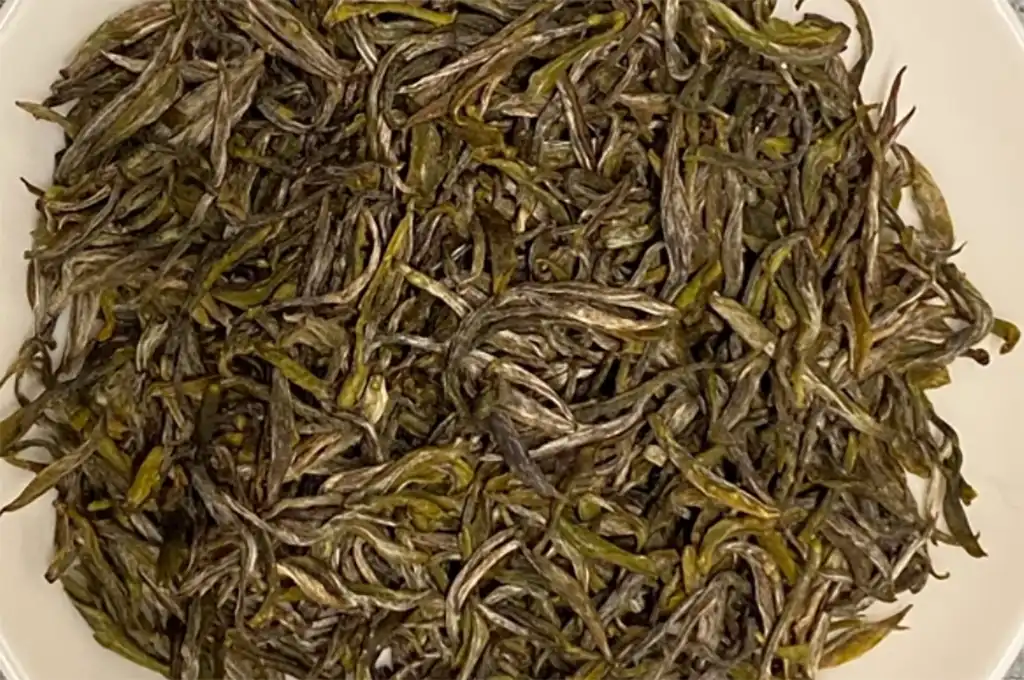
Mogan Huangya tea originates from Mount Mogan in Deqing County, Zhejiang Province, China, and belongs to the yellow tea category. It features a slender, tightly rolled appearance covered in downy hairs, with a yellowish-green hue and a lingering, fresh aroma, making it a prized gem among yellow teas.
History of Mogan Huangya Tea
As early as the Jin Dynasty, monks were already cultivating tea on Mount Mogan. The “Wukang County Gazetteer” compiled during the Qianlong reign of the Qing Dynasty records: “Mount Mogan has wild tea, mountain tea, and ground tea, including pre-Qingming tea, meijian, first flush, and second flush; those from the northwestern mountains are prized.” The northwestern mountain mentioned is precisely Tashan, the main peak of Mount Mogan. The Daoguang-era edition of the “Wukang County Gazetteer” further notes: “Tea produced in Tashan is exceptionally fine. Temple monks cultivate it there, where the tea absorbs the mists and clouds, making its fragrance ten times more intense.” These historical records fully demonstrate the long-standing heritage and superior quality of Mount Mogan tea.
Nurtured in such a natural environment, the quality of Mogan Huangya tea is naturally extraordinary. Beyond the characteristic yellowish-green hue and long-lasting aroma typical of yellow teas, it boasts a unique appearance that is slender, tightly rolled, abundant in pekoe, and shaped like a lotus seed. Highly favored by the market, it can truly be called a top-tier product among yellow teas.
Production Method
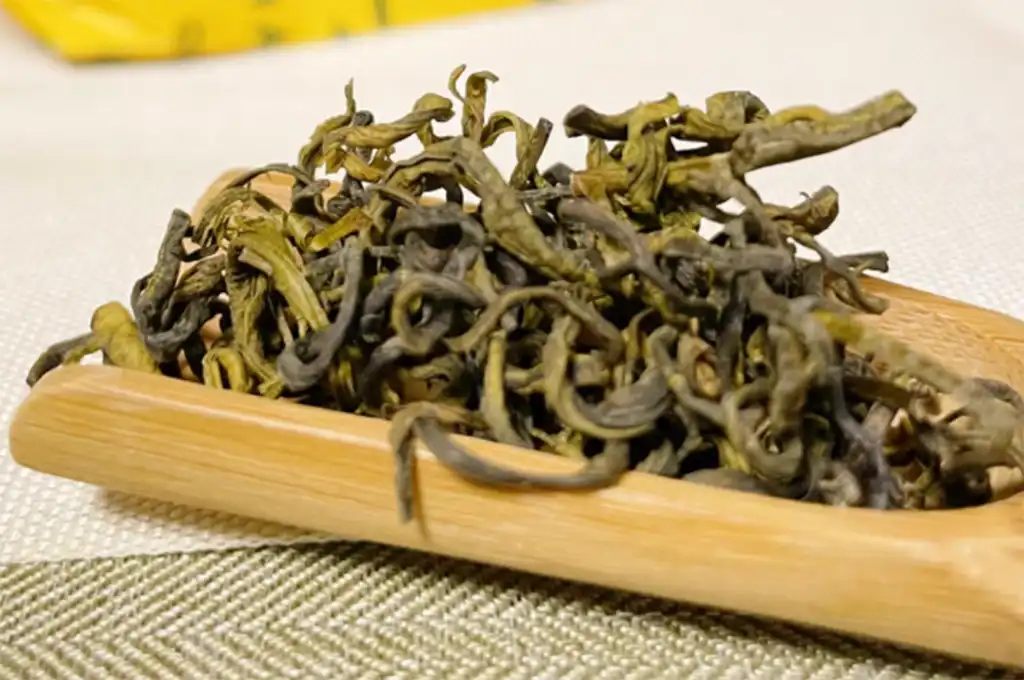
The craftsmanship of Mogan Huangya tea is meticulous, selecting bud tea or maojian harvested before Qingming as raw material. Harvested in early summer is called meijian, while that in July and August is called qiubai, with the pre-Qingming bud tea being of the highest quality. Typically, one bud with one leaf or one bud with two leaves is picked. After sorting, grading, and withering, it undergoes a series of steps including fixating (shaqing), light rolling, slight damp piling (menghuang), secondary pan-firing, baking to dry, and sifting. The production process is similar to general yellow teas, but places special emphasis on light rolling to shape the tea leaves into a lotus-seed form. If the buds and leaves show prominent downy hairs and the tea liquor is bright and clear, it is considered top-grade Mogan Huangya.
Brewing Guide
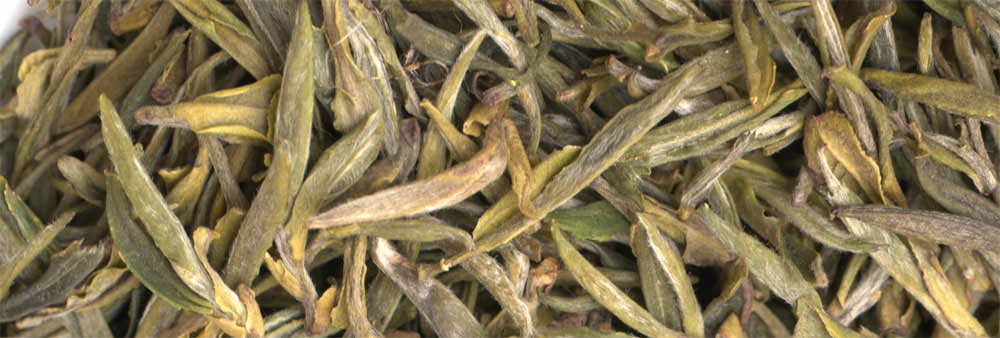
Brewing Mogan Huangya requires some flexibility regarding teaware, though river water or spring water is ideal for the best water quality. If using tap water, let it sit for a day to allow the chlorine to evaporate. Maintain the water temperature at around 90°C, and use a tea-to-water ratio of 1:50—meaning 2 grams of Mogan Huangya for a 100ml teapot. Steep for 3 minutes the first time, adding 1 minute to each subsequent infusion.