Tea Knowledge

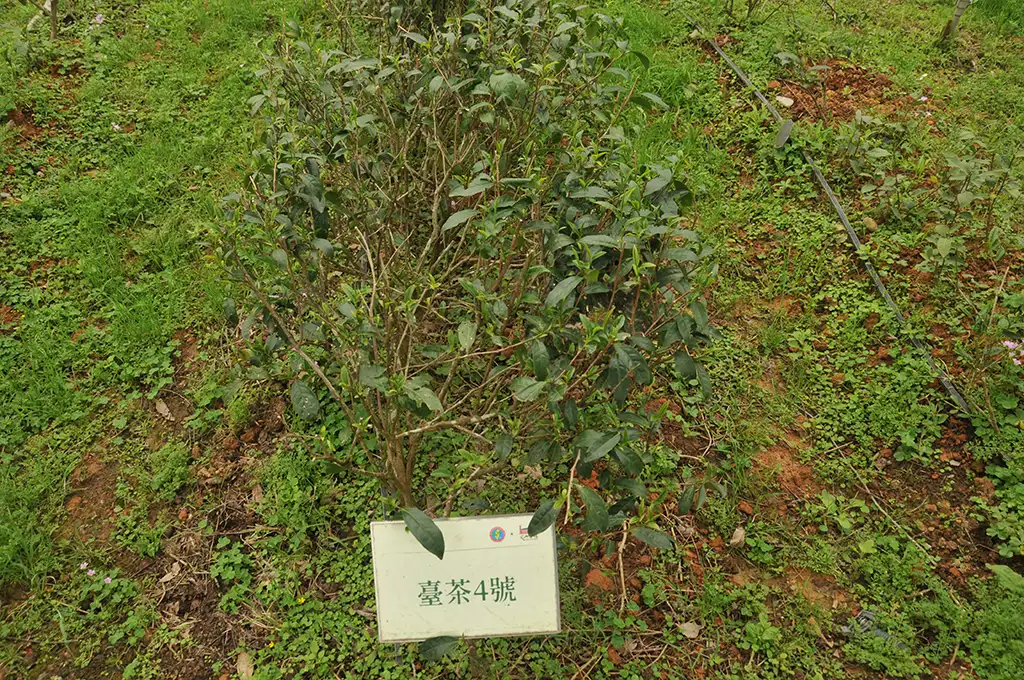
Tea Cultivar: TTES No. 4

TTES No. 4 is a cultivar developed by the Tea Research and Extension Station (TRES). Field trials began in 1952, selecting from 46 breeding lines before completing selection in 1968 and receiving its official name in 1969. Like TTES No. 3, it was created by cross-breeding the paternal Manipuri cultivar with the maternal Hongxin Damou
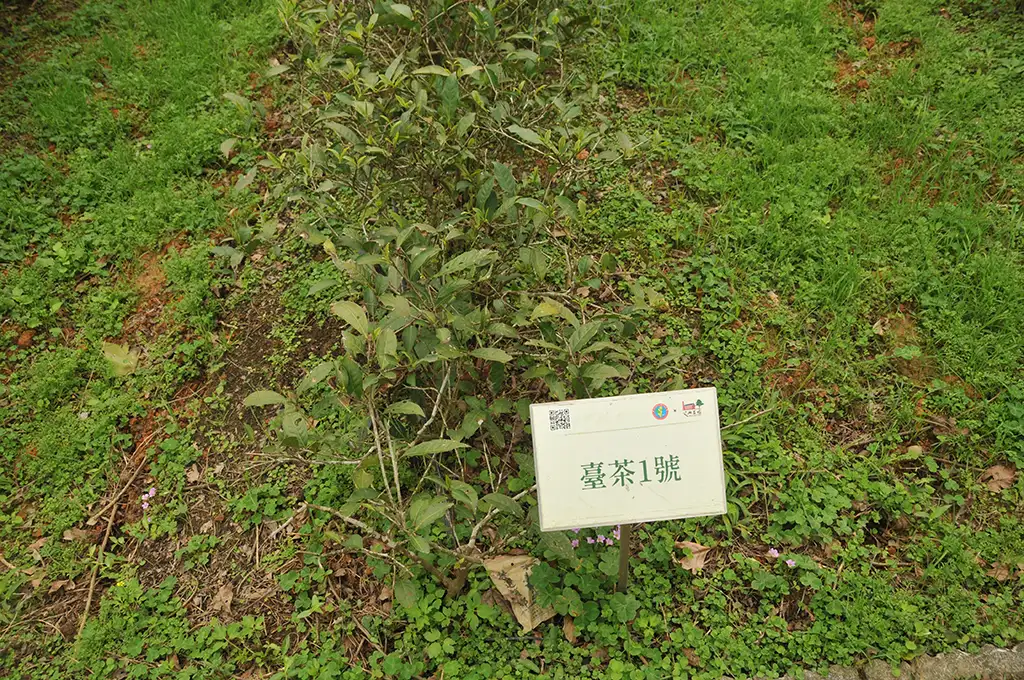
Tea Cultivar: TTES No. 1

In this post, we’re talking about the tea cultivar “TTES No. 1″—not the popular boba shop! If you ended up here by mistake, feel free to hit the back button 😂. Either way, hope you have a great day! 😉 TTES No. 1 Tea Cultivar Bred by Taiwan’s Tea Research and Extension Station, this variety

What Is “Mountain Terroir” in High Mountain Tea?

“Mountain terroir” is a phrase frequently used by Taiwanese high mountain tea enthusiasts, though opinions vary on its exact definition. Put simply, mountain terroir reflects how differences in water sources, sunlight, and air across various mountain peaks shape each tea’s distinct flavor profile. It is the ultimate expression of a tea’s origin. What Is “Mountain

Tea Cultivar: Daye Oolong

Daye Oolong is a tea cultivar selected during the Japanese colonial era in Taiwan and propagated through vegetative cloning to become a renowned local variety. Along with Qingxin Oolong, Qingxin Damao, and Yingzhi Hongxin, it is known as one of Taiwan’s “Four Great Cultivars.” Despite having “Daye” (large leaf) in its name, it actually belongs

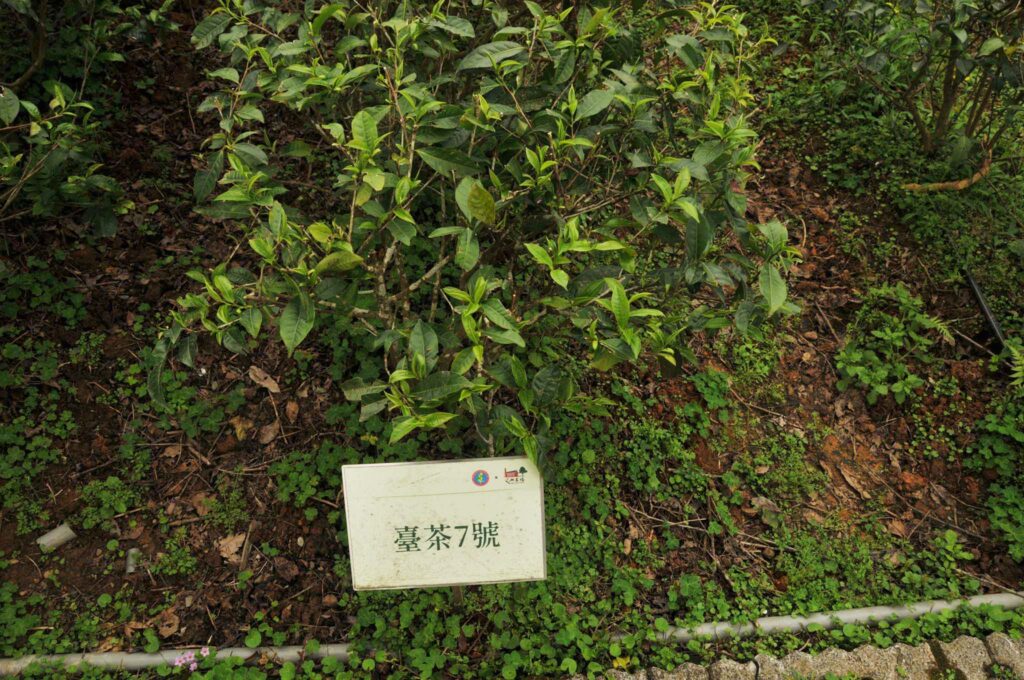
Tea Cultivar: TTES No. 7

TTES No. 7 is a tea cultivar developed by the Taiwan Tea Research and Extension Station. Selected in 1941 from open-pollinated offspring of the “Shan” variety, it was officially named in 1974. It is ideally suited for making black tea. Tea Cultivar: TTES No. 7 TTES No. 7 is a large-leaf, mid-early budding cultivar with

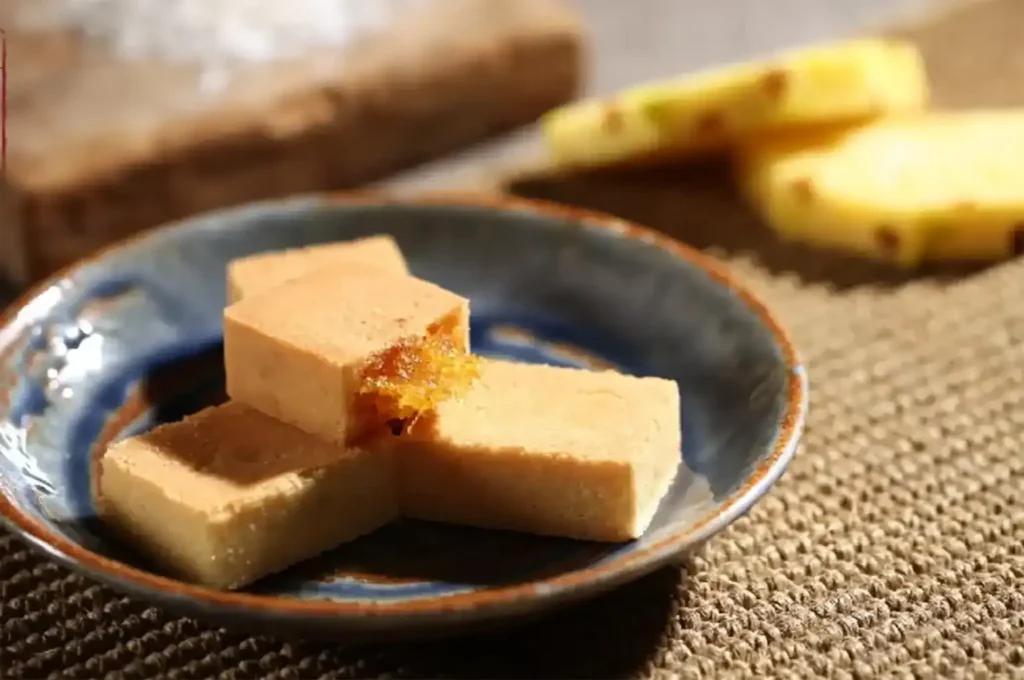
Pineapple cake

Taiwanese Gifts for Foreigners: 7 Practical & Impressive Souvenirs

Wondering how to choose a Taiwanese gift for foreigners that is both practical and impressive? Here are 7 of the most popular Taiwanese souvenirs—perfect for foreign executives, overseas friends, or business partners, ensuring your gift makes a great and lasting impression! Taiwanese Gifts for Foreigners: 7 Practical & Impressive Souvenirs Taiwanese High Mountain Oolong Taiwan

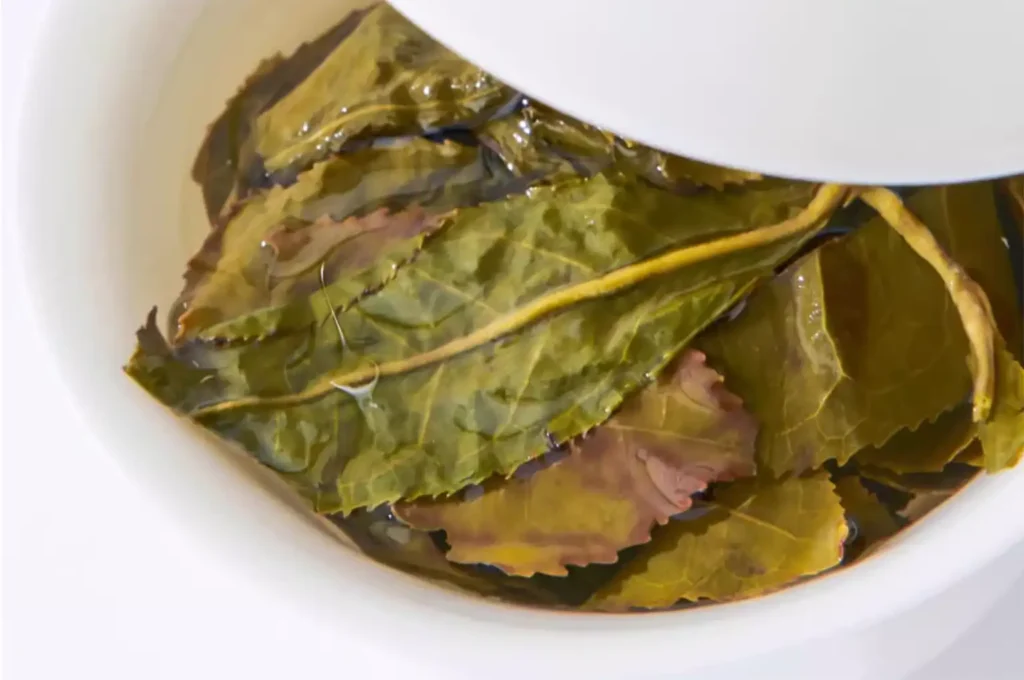
Tea leaves steeping in a bowl

How Long Does It Take for Tea to Release Theophylline? Can It Cause Sleeplessness?

There’s a common rumor that steeping tea leaves for too long releases excessive theophylline, leading to side effects like toxicity or sleeplessness. Is this actually true? How Long Does It Take for Tea to Release Theophylline? Tea leaves do contain theophylline, and small amounts are released during brewing. However, the levels are extremely low and

Milk Aroma JinXuan Tea

Where Does the Milky Aroma of TTES No. 12 JinXuan Come From?

A tea lover asked: I bought a JinXuan tea drink from a tea shop that had a rich milky aroma and loved it. Later, I bought loose-leaf JinXuan Oolong tea to brew at home, but I could barely taste any milky flavor. Why is that? Did I buy fake JinXuan tea? Where Does the Milky

Single Origin Tea

What Is Single-Origin Tea? Famous Examples Defined

When buying tea, you often hear the term “single-origin tea.” But what does it actually mean? Put simply, single-origin tea comes from a single cultivar, grown in a specific region, processed with a uniform method, and harvested during a single season. Unblended and unflavored, it delivers the purest, most authentic expression of its unique origin.

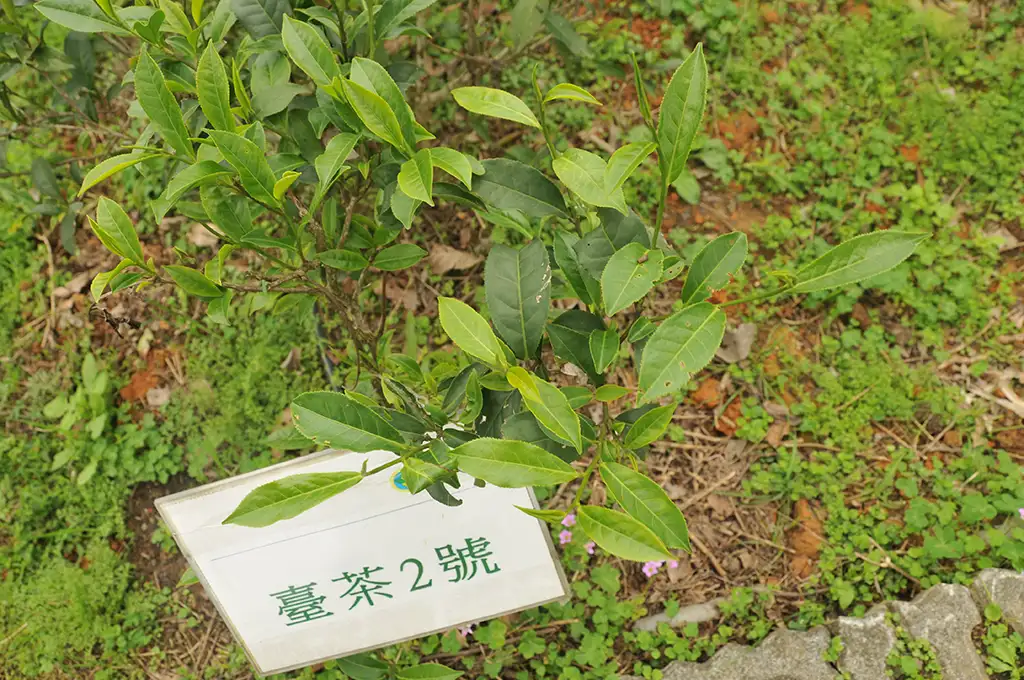
Tea Cultivar: TTES No. 2

TTES No. 2 is a cultivar developed by the Tea Research and Extension Station (TRES). Trials began in 1952, selecting from 46 lines before final selection in 1968 and official registration in 1969. It was created through controlled hybridization between a Jaipuri male parent and a Daye Oolong female parent. TTES No. 2 Tea Cultivar

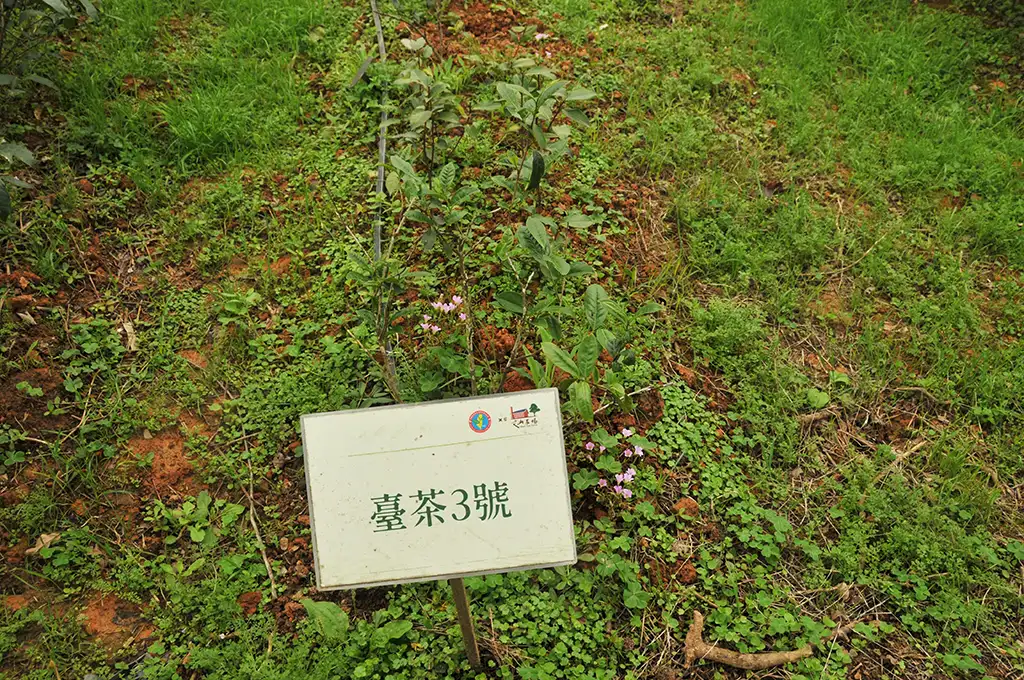
Tea Cultivar: TTES No. 3

TTES No. 3 is a cultivar developed by the Tea Research and Extension Station (TRES). Trials began in 1952, selecting from 46 strains, with final selection completed in 1968 and its naming registered in 1969. It was created through artificial hybridization using the father plant Manipuri and the mother plant Hongxin Dahong. TTES No. 3

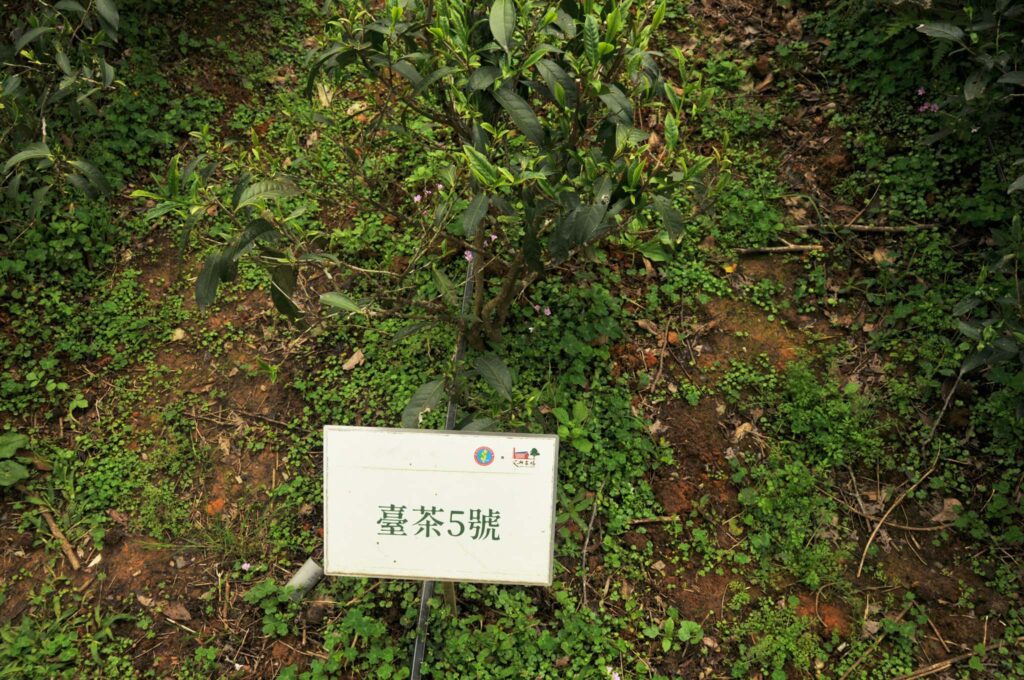
Tea Cultivar: TTES No. 5

TTES No. 5 is a tea cultivar developed by Taiwan’s Tea Research and Extension Station (TRES) and officially named in 1974. Selected from natural hybrid descendants of a Fuzhou maternal line, it is an early-budding cultivar exceptionally suited for green tea production. TTES No. 5 Tea Cultivar Selected from natural hybrid offspring of a Fuzhou

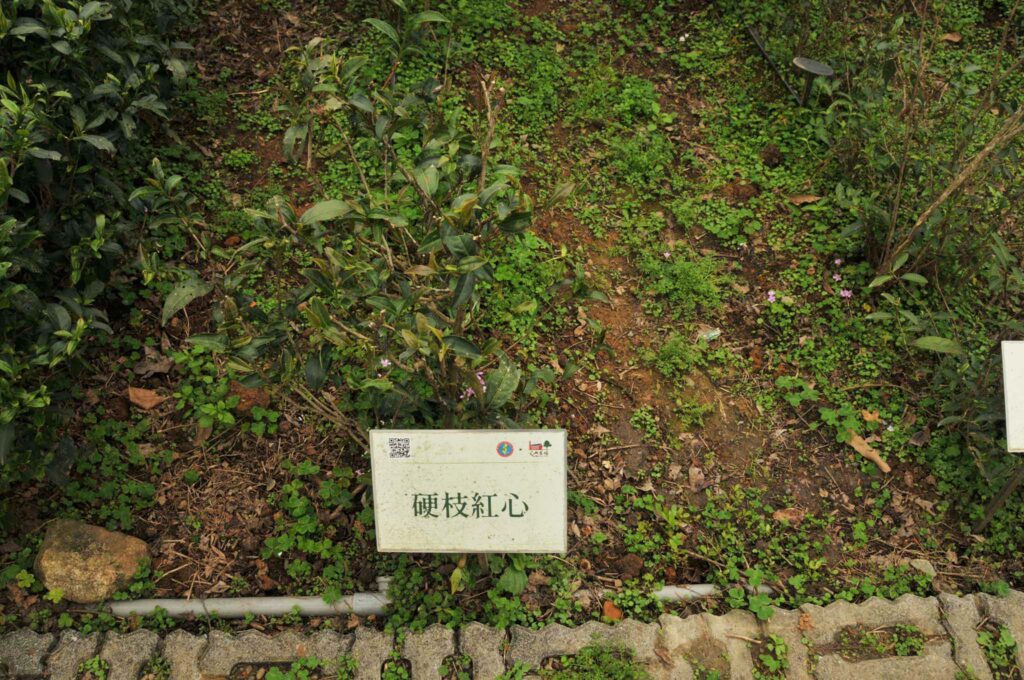
Tea Cultivar: Yingzhi Hongxin

Yingzhi Hongxin is a tea cultivar selected during the Japanese era and established as a renowned local cultivar through vegetative propagation. Together with Qingxin Oolong, Qingxin Damao, and Daye Oolong, it is celebrated as one of Taiwan’s “Four Great Cultivars.” Its defining characteristic is young leaves with a purplish-green tint and tender leaf midribs that

Can Diabetics Drink Oolong Tea? Master 3 Keys to Help Stabilize Blood Sugar!

On the journey to managing blood sugar, “Can diabetics drink oolong tea?” is a common question among those monitoring their sugar levels. If you find green tea a bit too astringent and black tea a bit too heavy, partially fermented oolong tea might just be the ultimate blood-sugar-friendly beverage! The answer is: Not only can

Shopping Cart