Tea Cultivar: Yingzhi Hongxin

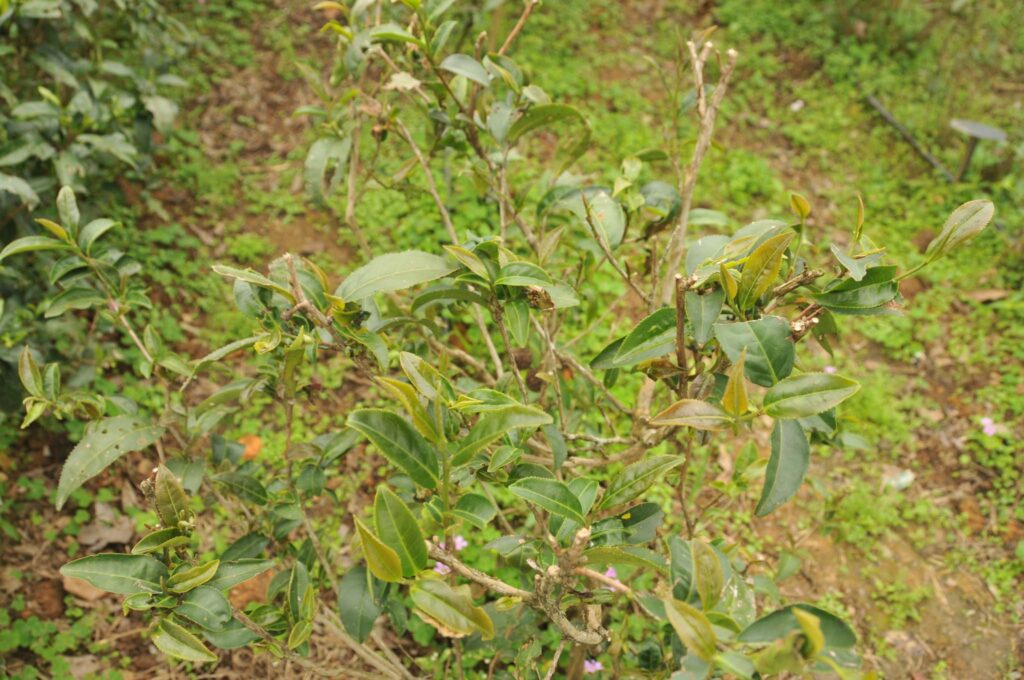
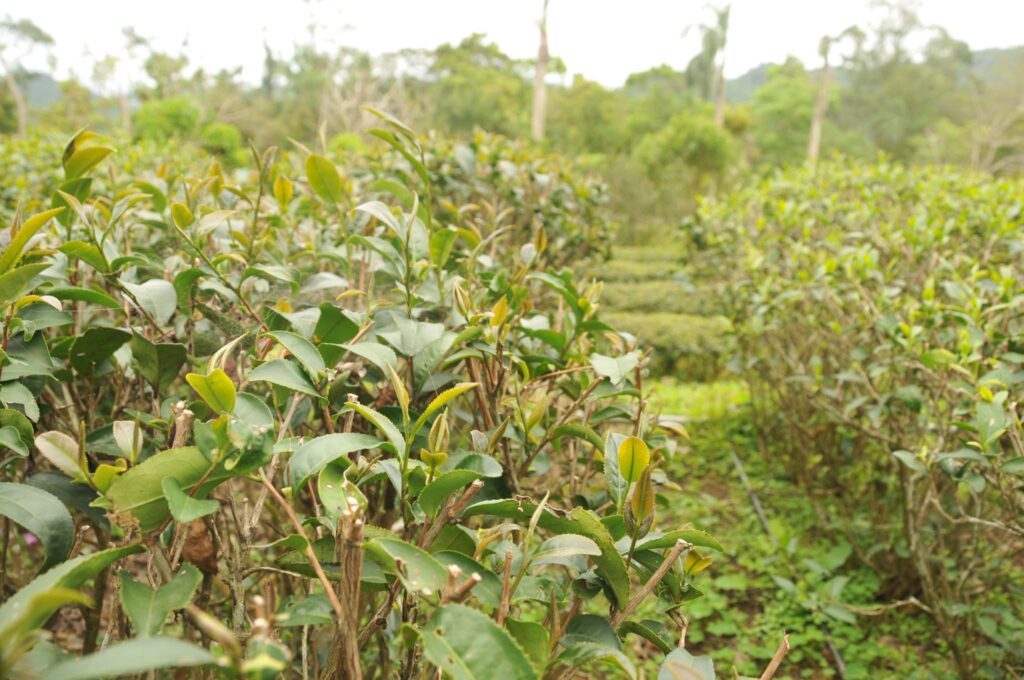
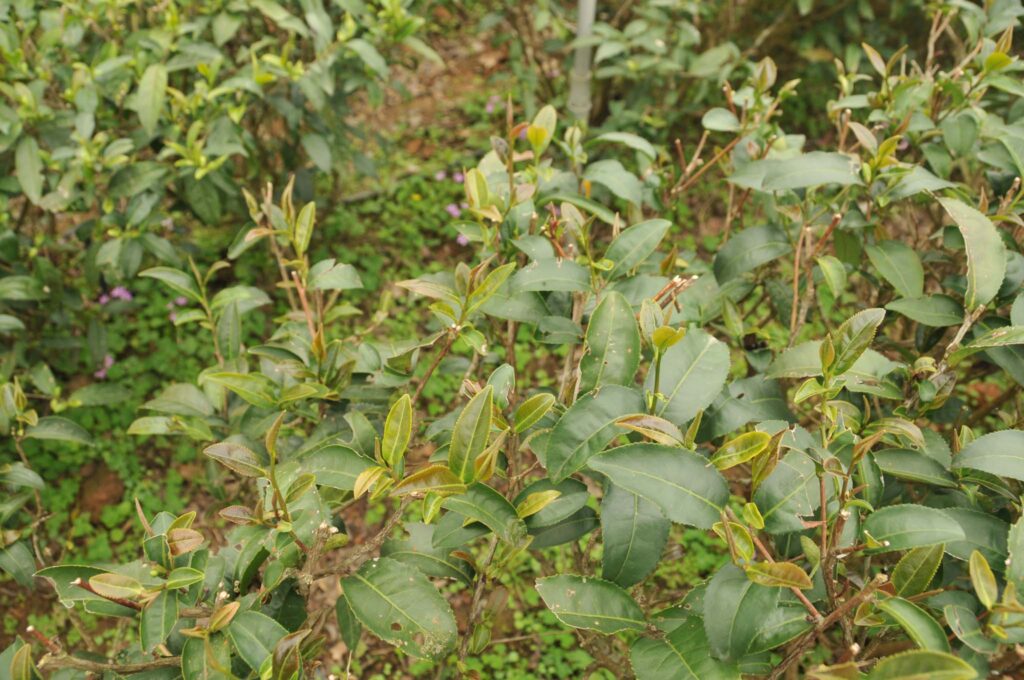
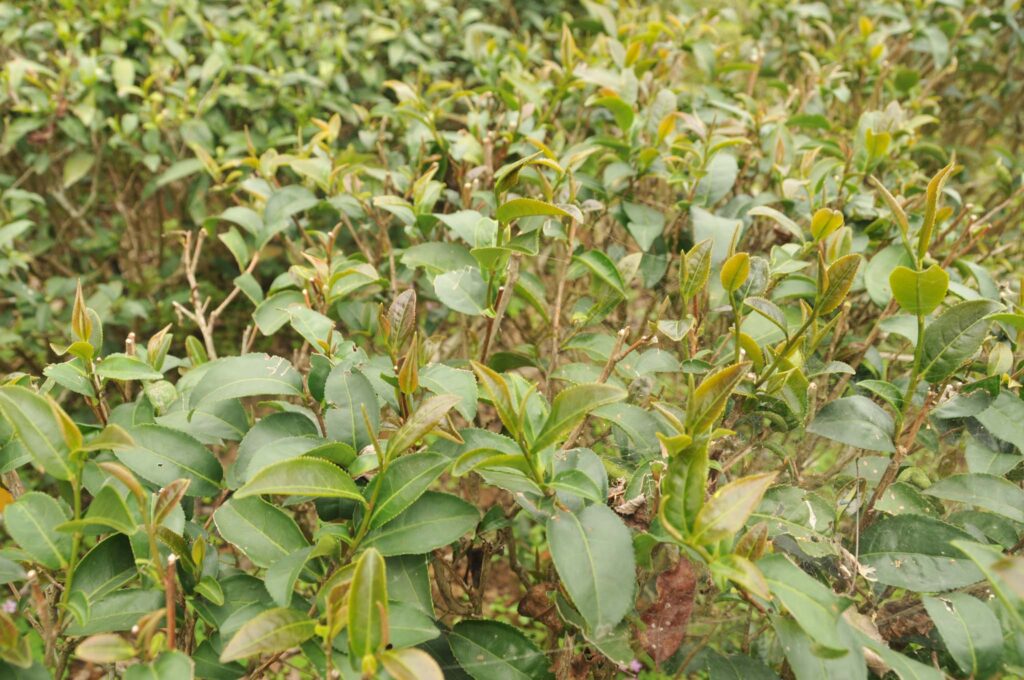
Yingzhi Hongxin is a tea cultivar selected during the Japanese era and became a famous local variety through vegetative propagation. Along with Qingxin Oolong, Qingxin Damao, and Daye Oolong, it is known as one of Taiwan’s “Four Famous Cultivars.” Its most distinctive features are young leaves with a purplish-green tint and tender leaves whose midribs often show a light red color.

Tea Cultivar: Yingzhi Hongxin

Yingzhi Hongxin, also known as “Daguang Hongxin,” is recognized alongside Qingxin Oolong, Qingxin Damao, and Daye Oolong as one of the “Four Famous Cultivars.” It is a small-leaf, early-budding variety with sparse, stout branches and few buds. It features distinct serrated leaf margins and plump young buds densely covered in fine fuzz with a reddish-purple tint. It exhibits moderate vigor, disease resistance, and drought tolerance.

Historically, it was commonly grown in the Shimen, Sanzhi, Jinshan, Tamsui, and Wenshan regions. While it produces high-quality Baozhong tea, its yield per unit area is relatively low, leading to its gradual replacement by other cultivars. It has also been used to produce roasted strip-style Oolongs made in the “Tieguanyin style.” Due to its average plant vigor and lower economic return compared to cultivars like Qingxin Oolong and JinXuan, current cultivation remains limited.

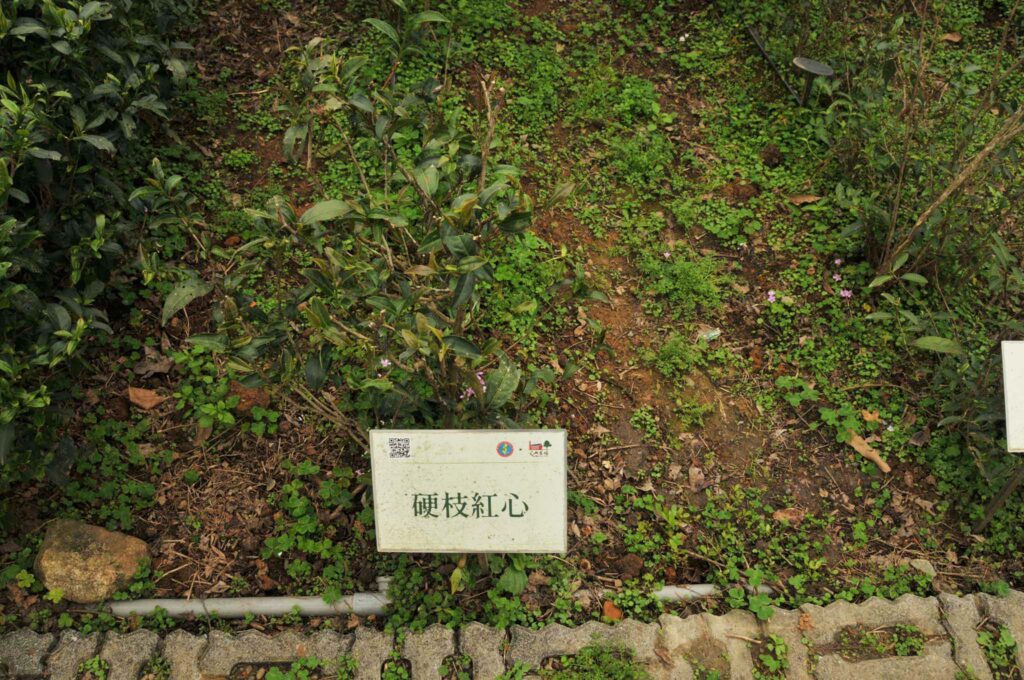
Our Observations on Yingzhi Hongxin

Due to its relatively weak vigor, moderate yield, and lower economic viability compared to other cultivars, Yingzhi Hongxin is rarely planted today. In addition to being one of the four famous classic Taiwanese tea cultivars in early history, Yingzhi Hongxin also served as a parent plant, breeding TTES No. 12 and No. 13. Furthermore, TTES No. 12 served as a parent for TTES No. 19 and No. 22. Yingzhi Hongxin holds a crucial place in the history of Taiwanese tea.

Shopping Cart