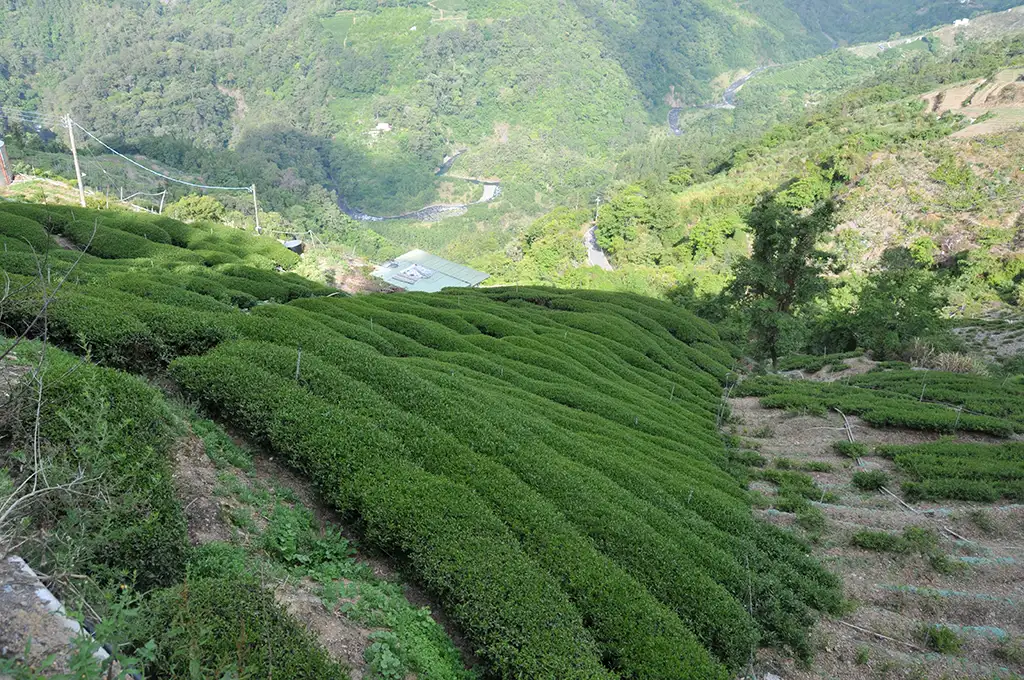
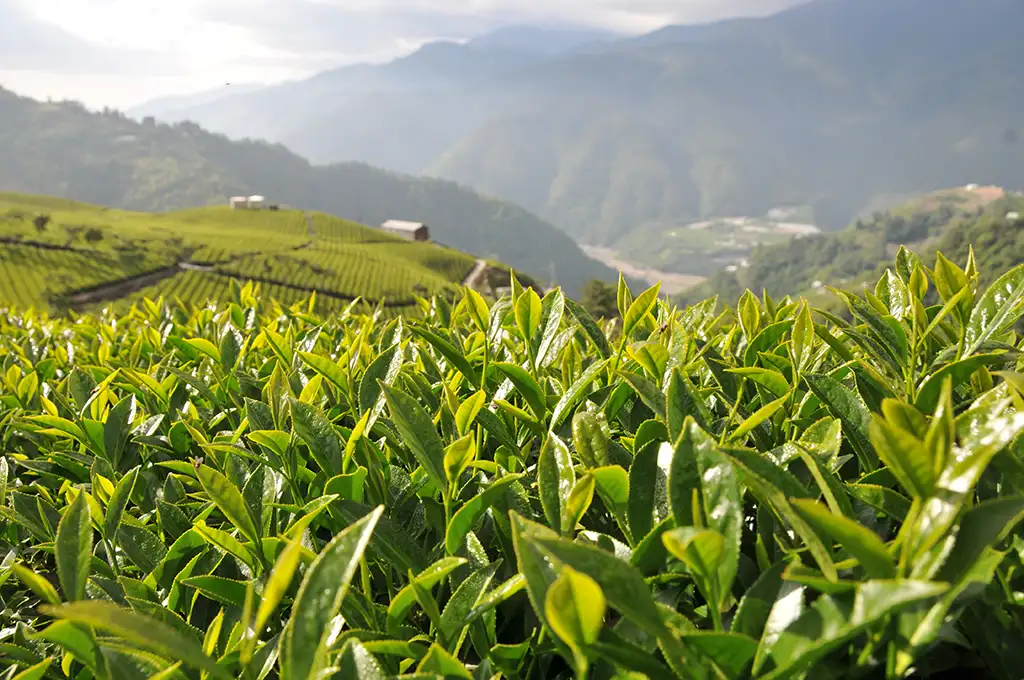
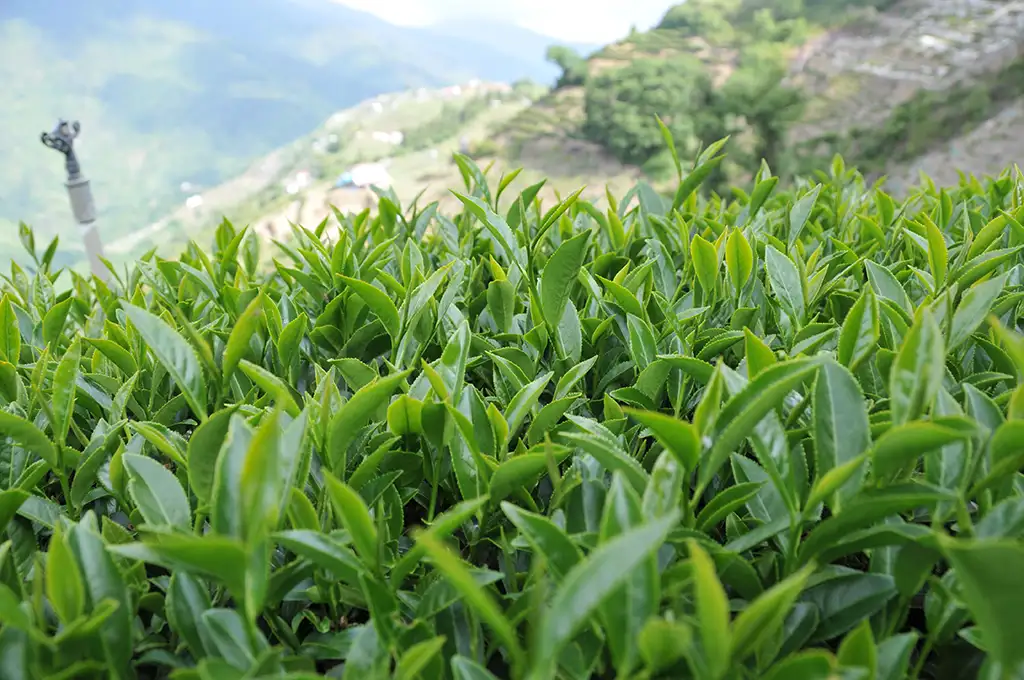
“Mountain terroir” is a phrase frequently used by Taiwanese high mountain tea enthusiasts, though opinions vary on its exact definition. Put simply, mountain terroir reflects how differences in water sources, sunlight, and air across various mountain peaks shape each tea’s distinct flavor profile. It is the ultimate expression of a tea’s origin.
What Is "Mountain Terroir" in High Mountain Tea?
“Mountain terroir” generally refers to the fresh aroma and distinct flavor characteristics that high mountain tea develops under specific elevation and climate conditions. Taiwan is home to many high mountains where tea farmers cultivate tea gardens along the slopes. Each garden differs in orientation, sunlight exposure, altitude, and water supply. Combined with Taiwan’s dynamic monsoon climate, tea produced from different peaks develops subtle variations. These unique characteristics are what tea lovers call “mountain terroir.”
For example, Lishan and Dayuling are Taiwan’s highest-altitude tea regions. Because they are located further north (making them the northernmost high-mountain tea regions besides Lalashan), many people find that tea from Lishan and Dayuling often exhibits a crisp, cool mineral terroir.
Then there is ShanLinXi. Due to frequent fog, high humidity, and slow growth of the tea leaves, many find that ShanLinXi tea has a distinct, fresh fir-and-bamboo note (some even describe it as a delicate egg-white aroma).
Additionally, the Ren’ai Township tea region, located north of the Zhuoshui River, features sandy platy conglomerate soil. This soil offers excellent drainage but relatively poor water and nutrient retention, leading to leaves with lower moisture content. The resulting tea carries an uplifting fragrance and a pure, crisp high-mountain character.

Is Shan Tou Qi Always Present?
Does tea from Lishan always display its signature “cool mineral Shan Tou Qi”? Not necessarily. Poor weather conditions or mistakes during processing can prevent this unique mountain terroir from coming through. For instance, one year it rained for an entire month during the Lishan harvest season, and the resulting tea lacked its characteristic cool mineral notes. Likewise, if tea garden management is poor or processing fails, defects will mask the Shan Tou Qi, making it impossible to taste.
Shan Tou Qi doesn’t happen just anywhere; it is truly a gift from nature and the mountain forests. If you’d like to experience the authentic terroir of Taiwanese high-mountain tea, start with Liao Chang Xing Tea’s Fushou Lishan tea—it represents one of our most distinctive mountain profiles.