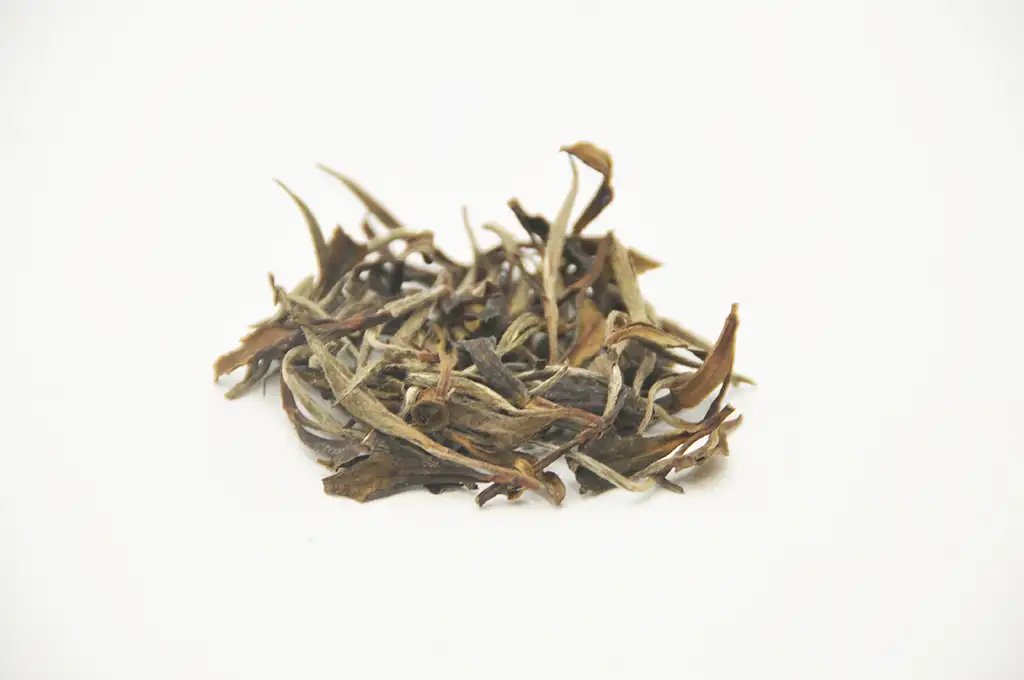
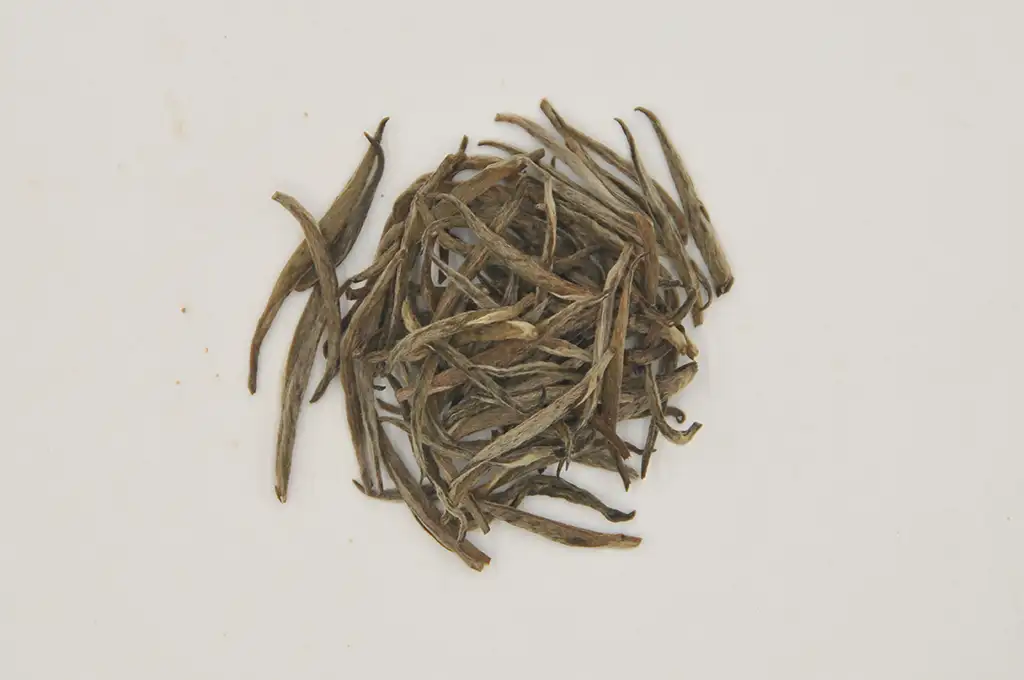
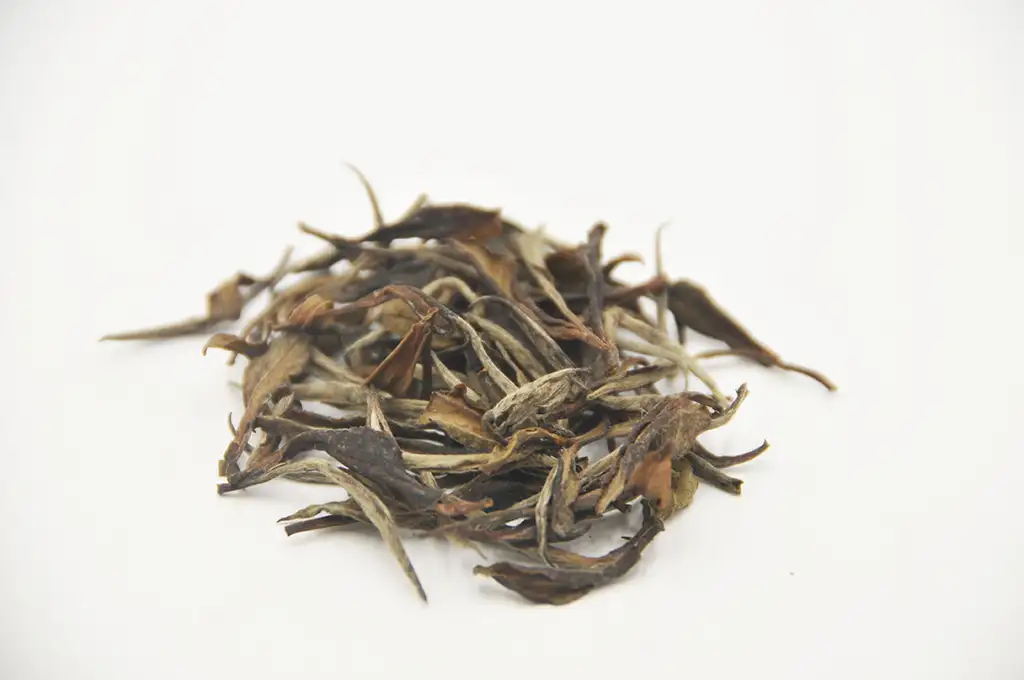
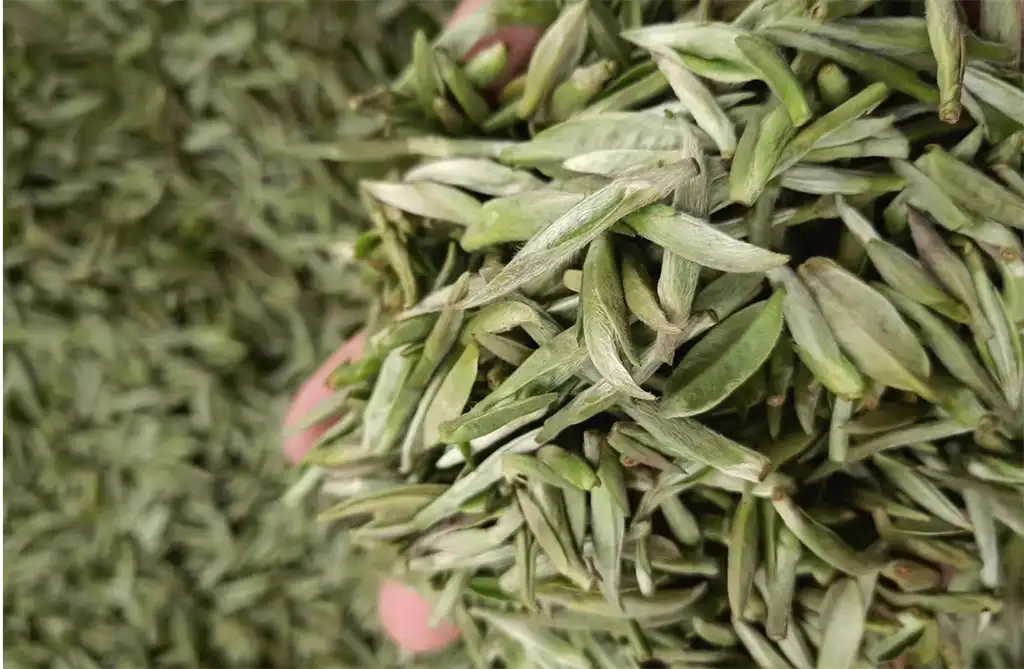
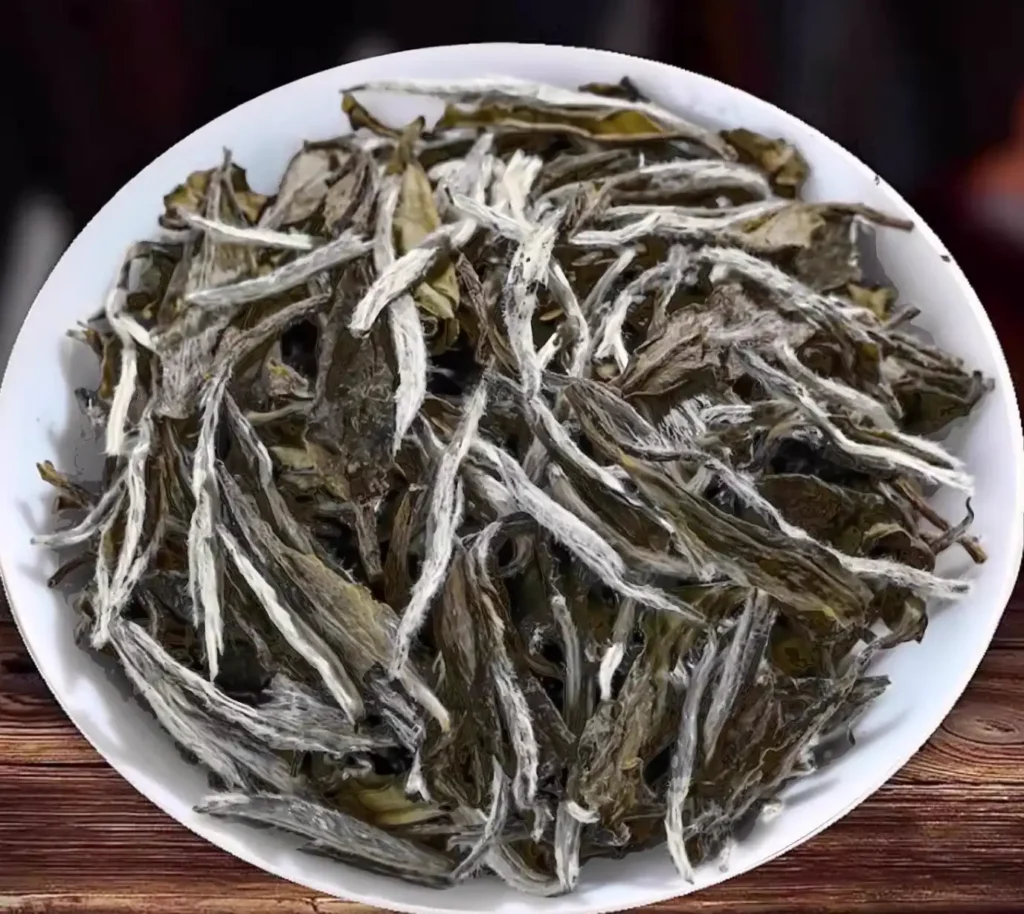
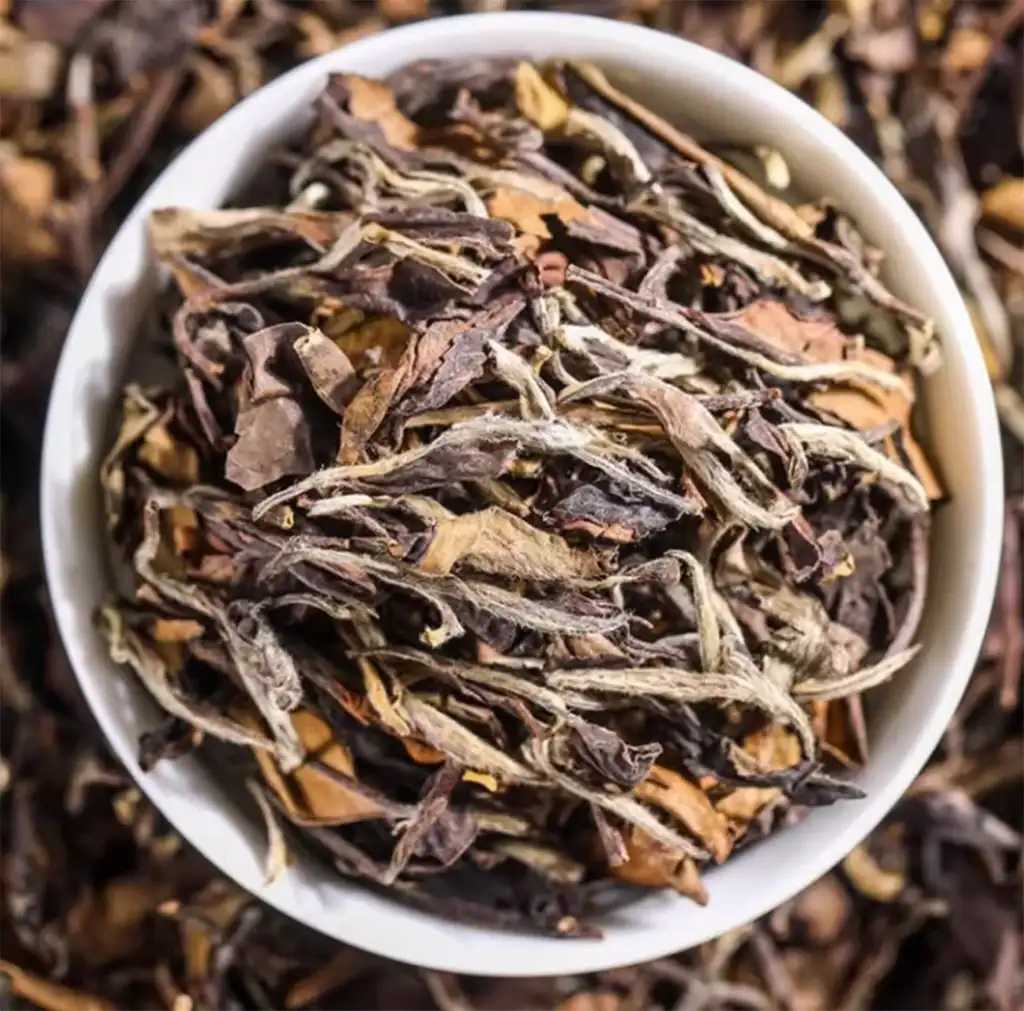
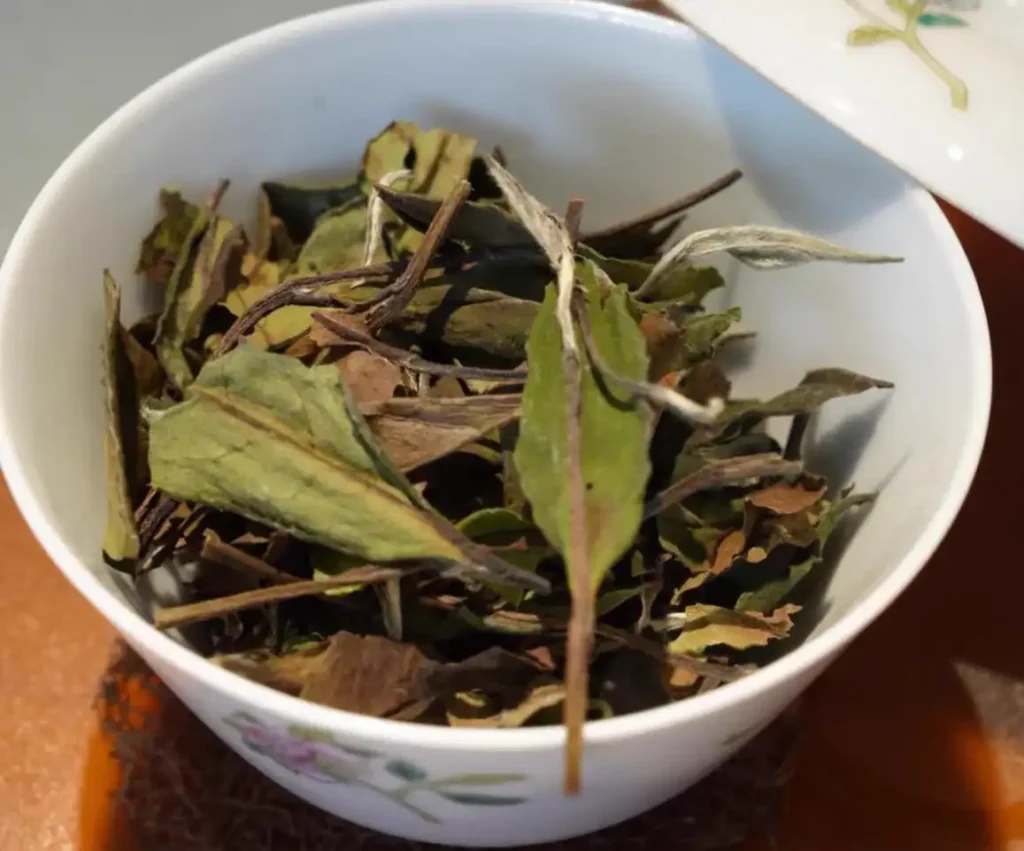
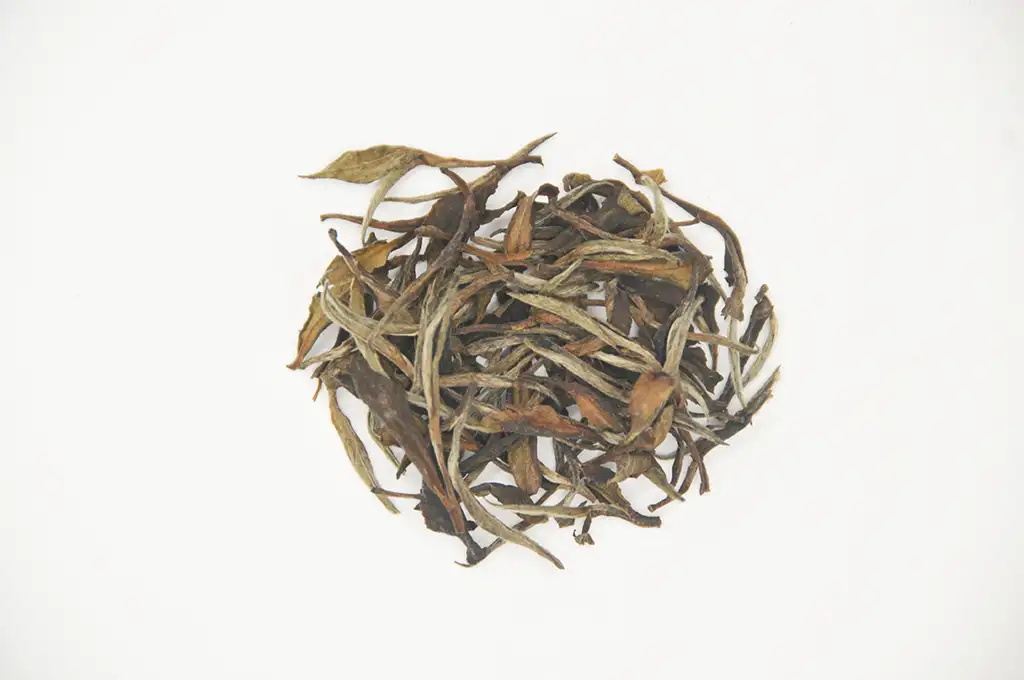
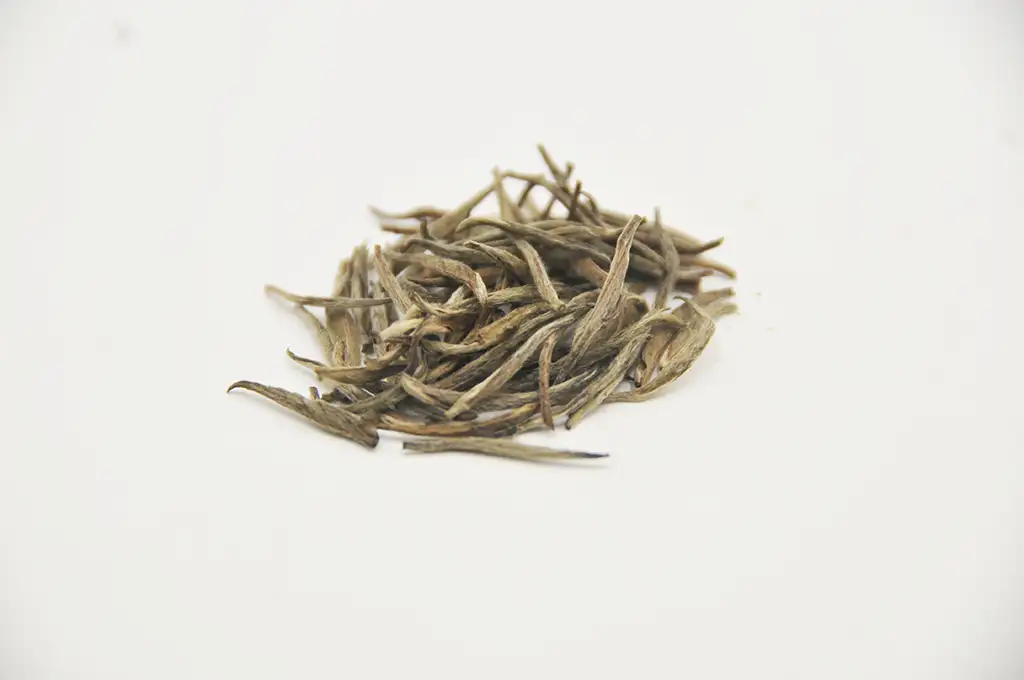
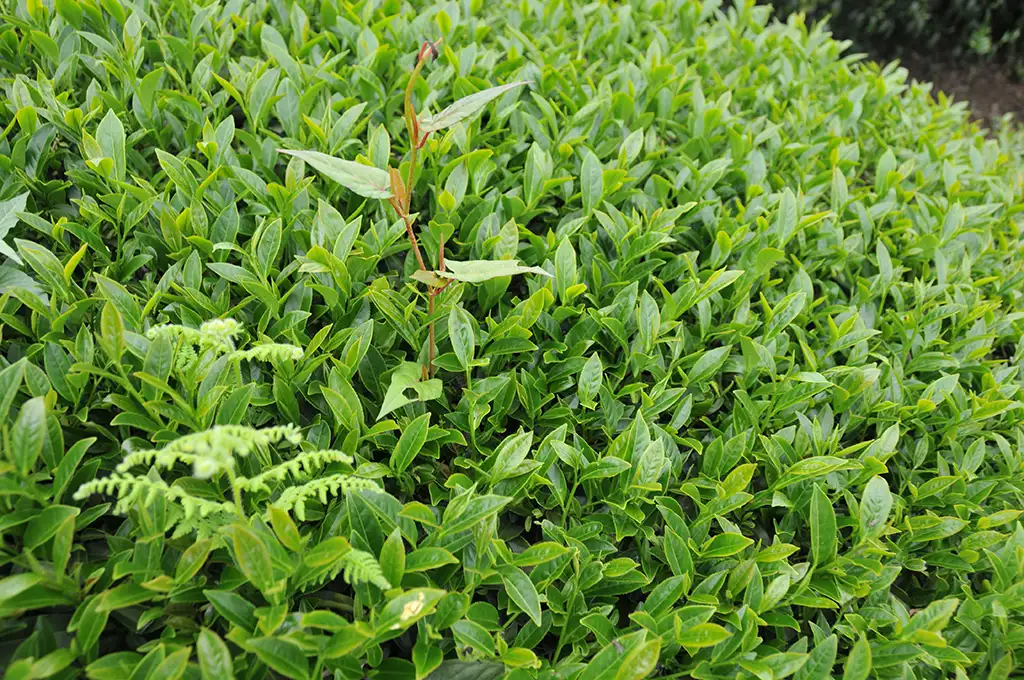
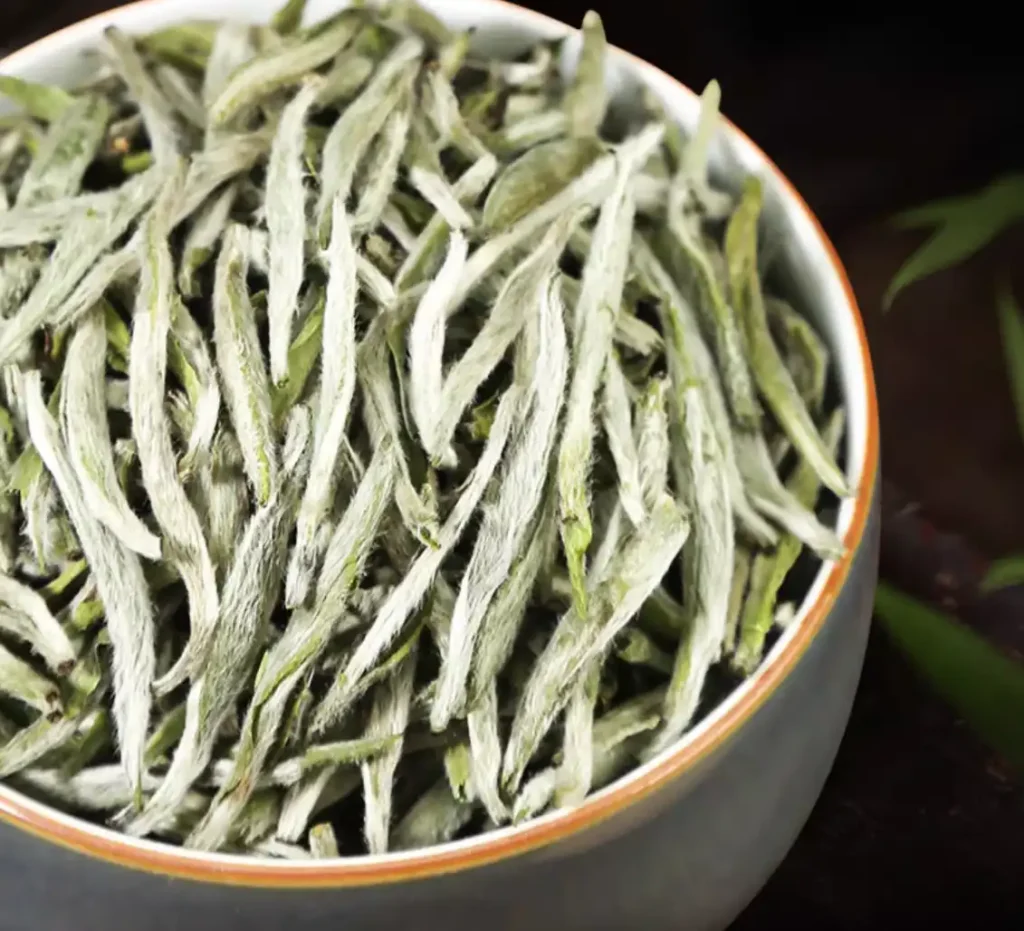
White tea is one of the six major tea categories, characterized by tea leaves that are dried directly after harvesting without pan-firing (kill-green) or rolling.
White tea contains more catechins and theobromine than green tea. Catechins offer multiple benefits such as antibacterial, deodorizing, and cavity-preventing properties…
The types of Taiwanese white tea follow the same classification as Chinese white tea, mainly comprising four categories: Baihao Yinzhen, Bai Mudan, Gongmei, and Shoumei…
There is consistent commercial production in Pinglin District, New Taipei City, as well as Zhushan, Mingjian, and Zhongpu in Nantou, and Yuchi in Nantou…
White tea is loved by many for its fresh and delicate flavor, but no matter how good a tea is, drinking too much of it can cause some adverse reactions…