Are there different grades of Dayuling tea?

Tea Lover’s Question: How are Dayuling tea grades classified? I’ve seen labels like Gold, Silver, and Premium, as well as markings such as 100K, 103K, and 105K online. What do these classifications mean, and which tea tastes the best?

Dayuling tea grades

Liao Chang Xing's Response: Dayuling Tea Grade Classifications

Dayuling tea does not have a unified “grading system.”
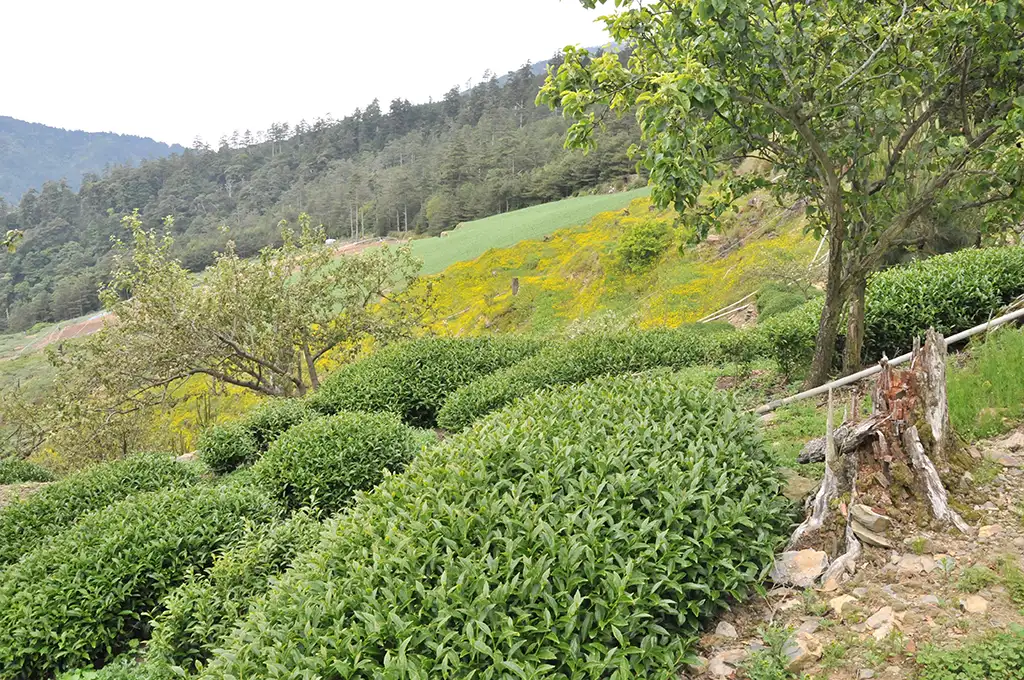
The “K” numbers actually represent kilometer markers. For example, “105K” refers to tea gardens located at the 105-kilometer mark of the Central Cross-Island Highway, rather than a quality grade. However, as the kilometer marker increases, the altitude typically gets higher, and higher-altitude tea generally comes with a higher wholesale price. Consequently, 105K tea usually has the highest wholesale price, but this doesn’t mean it’s inherently the highest-quality Dayuling tea—it simply means its sourcing cost is the highest.

As for labels like Gold, Silver, and Premium found on the market, these are mostly internal grading categories created by tea merchants without any clear standardization. There is really no need to read too much into what these labels mean.

Dayuling tea grades

How to Choose Quality Dayuling Tea

Currently, there are only three remaining tea gardens in Dayuling: 100K, 101K, and 103K. These gardens share very similar altitudes, so there isn’t much of a quality gap between them. If you want to choose high-quality tea, it’s best to look at the harvesting season instead. Spring tea generally offers the best quality, followed by winter tea, while autumn tea is typically not as refined as spring and winter harvests.

Shopping Cart