Zhuqi Shizhuo Tea: Classic Alishan Tea

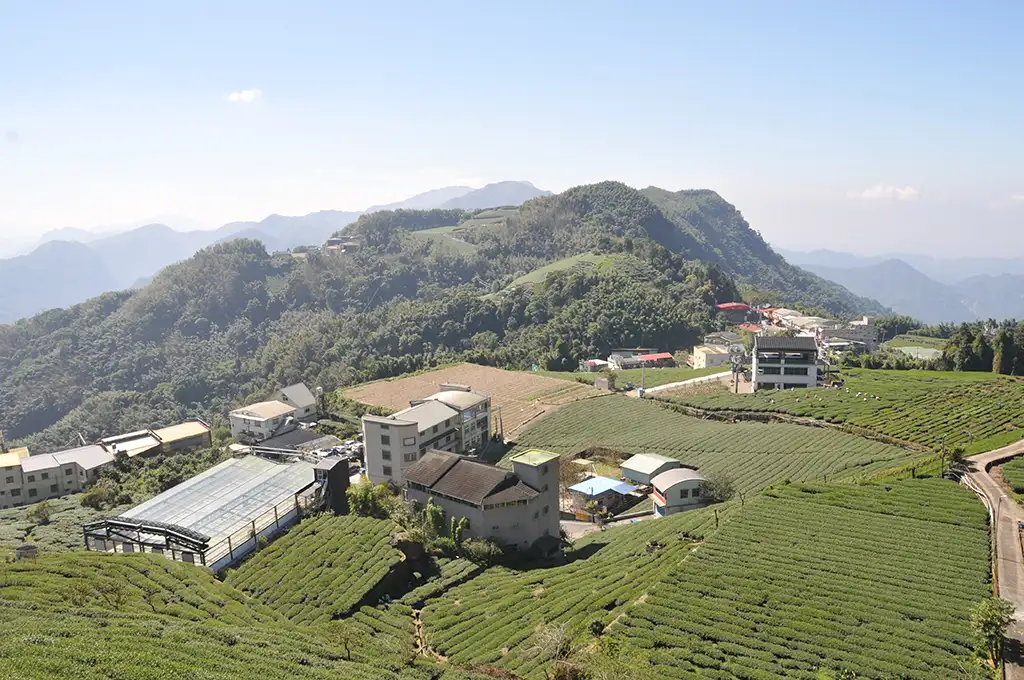
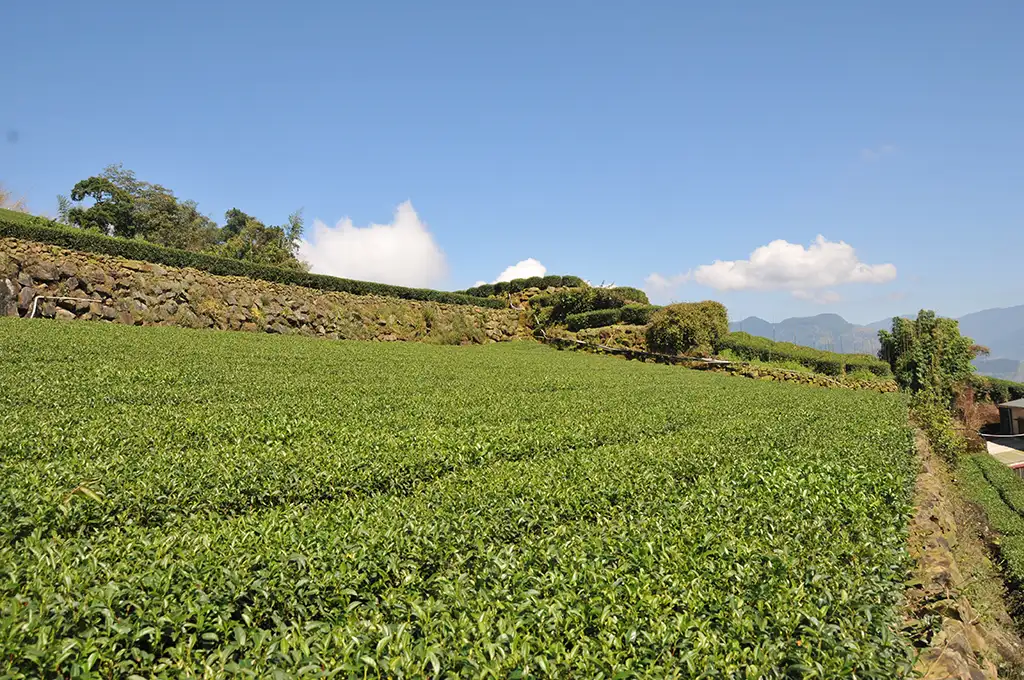
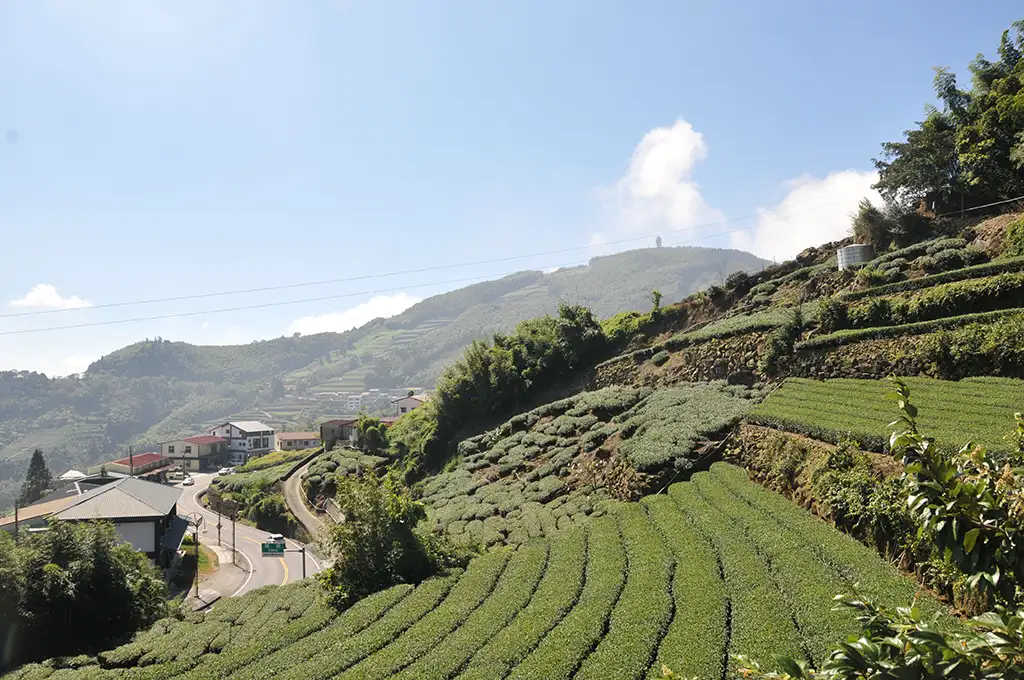
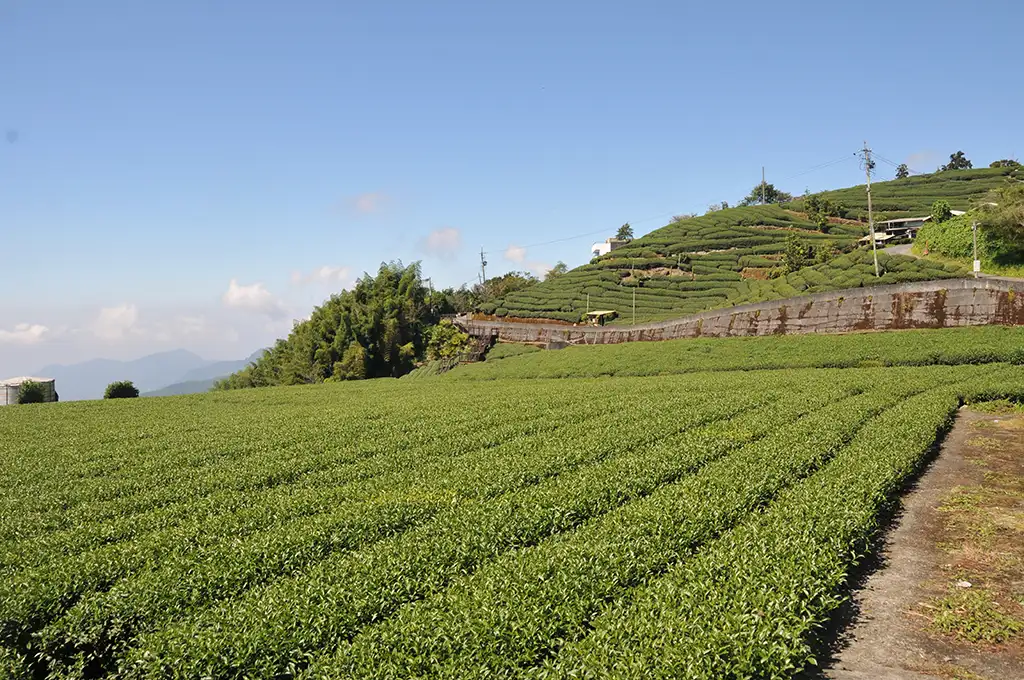
Located in Zhuqi Township, Chiayi County, Shizhuo tea is a well-established Alishan tea origin and trading hub. Dinghu, situated just above Shizhuo, boasts Alishan’s highest tea garden at an altitude of 1,700 meters.

Shizhuo tea

Characteristics and Advantages of Shizhuo Tea

Shizhuo has a long history of tea cultivation. Positioned centrally along the Alishan Highway, it became a distribution center for Alishan tea decades ago. Tea from nearby areas such as Shizilu, Dabang, Tefuye, Xiding, and Taihe is frequently brought to Shizhuo for sale. Shizhuo’s most famous product is Zhulu tea, a brand created and promoted by the Zhuqi Township Farmers’ Association. Dinghu Tea Garden, located above Shizhuo, sits at the highest point of the Alishan tea region, 1,700 meters above sea level.

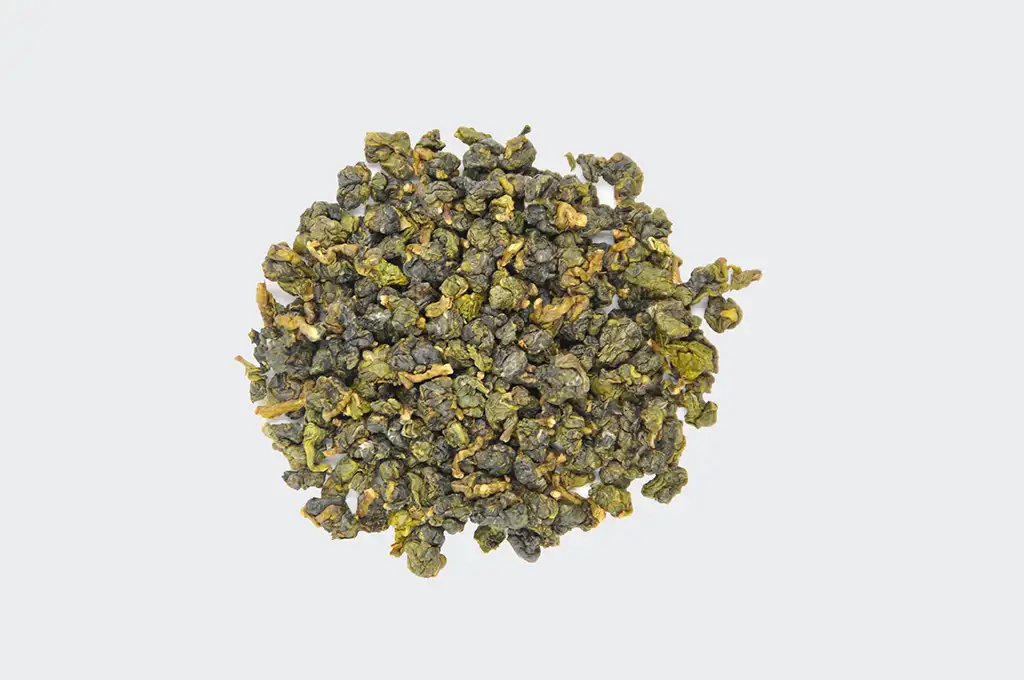
Shizhuo tea ranks among the best in Alishan for both output and processing expertise. With dozens of local tea factories, producers constantly compete and learn from one another, continually elevating their craftsmanship. This is further reinforced by the annual tea competitions held by the Zhuqi Farmers’ Association, which continually drive up local production standards.

Shizhuo tea

Market Price of Shizhuo Tea

Shizhuo is not only thriving in tea production but also in tourism, making it a prominent sightseeing tea district in Alishan. Prices for Shizhuo tea are among the highest in the Alishan region. Spring and winter harvests retail between NT$1,600 and NT$2,500 per 600 g, while summer and autumn harvests range from NT$900 to NT$1,400 per 600 g. JinXuan Oolong spring and winter teas typically retail between NT$1,200 and NT$1,800 per 600 g.

Liao Chang Xing's Review of Shizhuo Tea

Overall rating: 70 points, ceiling: 75 points. A major production region with high tea-making standards. Shizhuo produces large quantities of tea with high processing standards and numerous tea factories; with careful searching, you can find exceptional quality tea. However, the drawbacks of Shizhuo tea include older tea bushes and higher prices in tourist areas. The mountainous region suffers from insufficient water resources, experiencing severe droughts in 2021 and 2023 that significantly reduced tea quality. Additionally, tea garden management varies, with many farms still heavily relying on chemical fertilizers. The use of soybean meal fertilizer lags noticeably behind places like Ren’ai Township and Lishan.

Shopping Cart