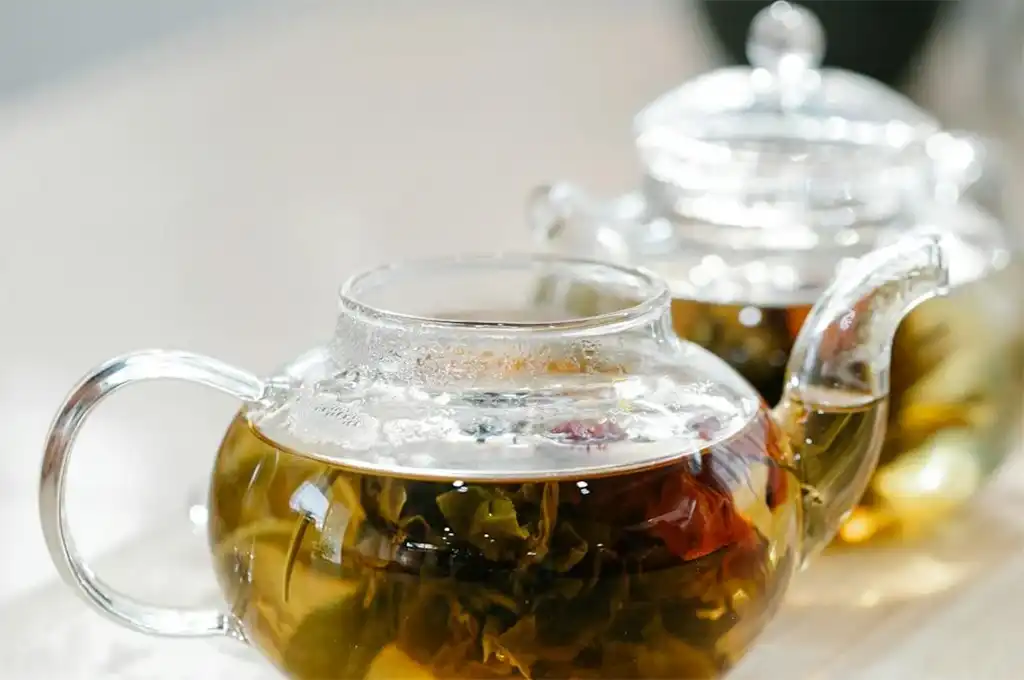
Feeling unwell after drinking tea? Tea is a delightful beverage that not only boosts your energy for many people, but also helps soothe the body and mind when under stress. However, drinking tea sometimes has side effects, such as headaches, heart palpitations, or nausea in some individuals. This phenomenon is commonly known as “tea drunkenness“. Let us introduce you to the causes of tea drunkenness and several effective ways to relieve it.
The causes of tea drunkenness usually involve the following factors
Drinking tea on an empty stomach: Drinking tea on an empty stomach easily stimulates gastric acid secretion, leading to stomach discomfort, which is also the most common symptom of tea drunkenness. In addition, when drinking tea on an empty stomach, caffeine enters the body much faster, triggering issues such as dizziness and heart palpitations.
Too Strong: Tea that is brewed too strong is even more likely to cause tea drunkenness. Strong tea contains higher levels of caffeine and theophylline, which stimulates the nervous system and can lead to a rapid heartbeat, dizziness, and other issues.
Drinking Too Much: Drinking too much tea in a short period of time—even if it is not strong—can still result in an excessive intake of caffeine and theophylline, thereby causing tea drunkenness.
Beginners or Component Sensitivity: People who do not drink tea often and suddenly consume too much, or those with sensitive constitutions, may react more strongly to the caffeine, theophylline, and catechins in tea, resulting in tea drunkenness.
What to Do If You Get Tea Drunk? How to Relieve Discomfort from Drinking Tea
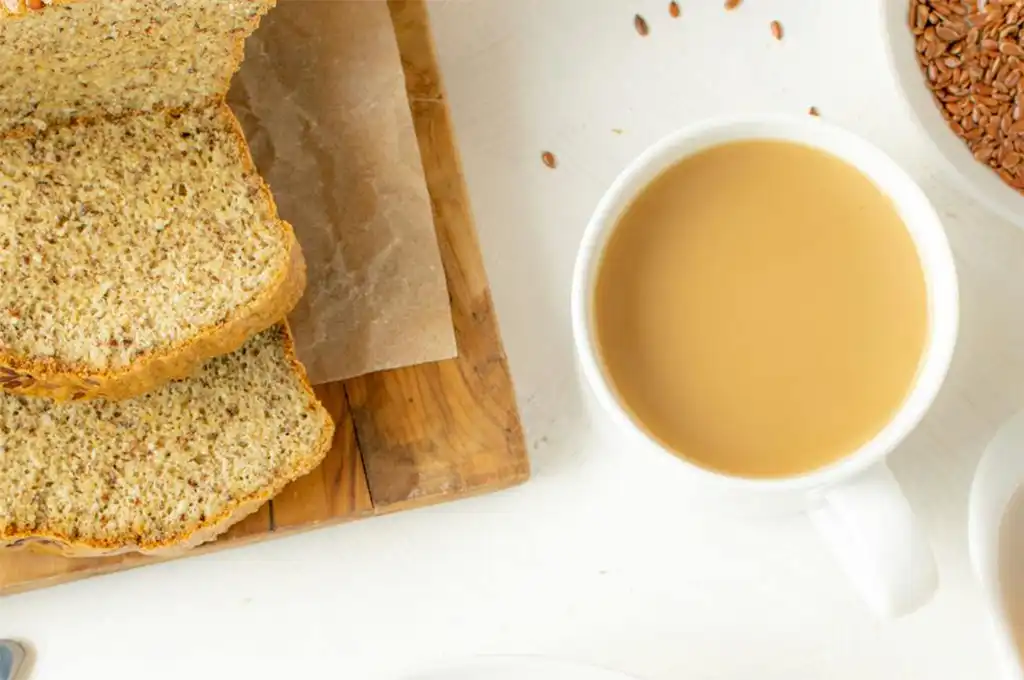
You can eat a little sugar or some light snacks like bread or soda crackers. You can also drink fruit juice or milk. Symptoms usually subside within 6 hours, so there is no need to worry excessively. However, if the symptoms are severe or you cannot determine whether the discomfort is caused by drinking tea, seek medical attention promptly.
How to Avoid Tea Drunkenness
You can avoid tea drunkenness by not drinking on an empty stomach, reducing strong tea, and drinking in moderation. In addition, freshly made tea, green tea, and lightly fermented oolong tea contain more theophylline and are therefore more likely to trigger tea drunkenness. You can choose black tea, Pu-erh tea, or heavily fermented oolong tea, as these fermented teas have lower theophylline content.