
First, let’s explain what Xincong tea is. “Xincong” refers to newly planted, young tea trees. Typically, tea trees aged 3 to 7 years are at their peak quality stage. They remain in their prime from 8 to 15 years old, while quality noticeably declines after 20 years. Compared to older tea trees, Xincong tea has a much higher potential to produce monster-level premium tea.
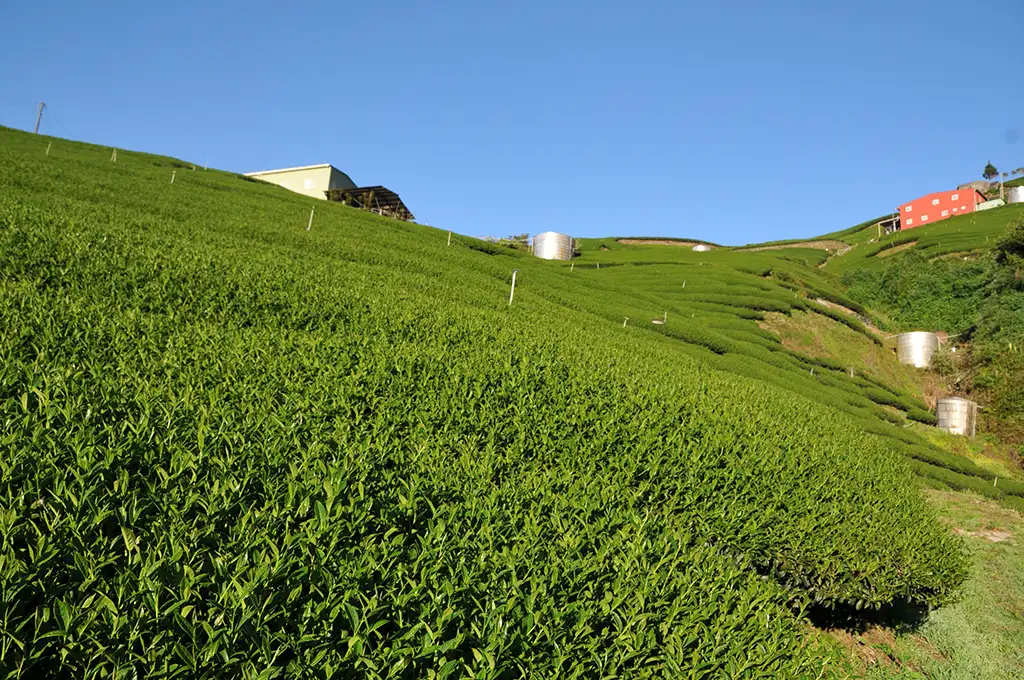
The Advantages of Processing Xincong Tea Trees
Why is the quality of Xincong tea superior to old-bush tea? Based on the experience of tea factory professionals, there are two main reasons:
- Soil and Fertility Advantage: Xincong trees are usually planted on new land, where newly cultivated soil is rich in trace elements. Even in tea gardens plowed from old soil, tea farmers invest more in fertilizer and management, giving young tea trees a better overall growing environment.
- Strong Absorption Capacity: Young tea trees possess a superior ability to absorb nutrients, resulting in higher concentrations of plant gums, tea polyphenols, and other key components that elevate the tea’s quality.
Combining these two advantages, Xincong tea has an innate edge, resulting in both a higher baseline quality and a much higher ceiling for the finished tea.
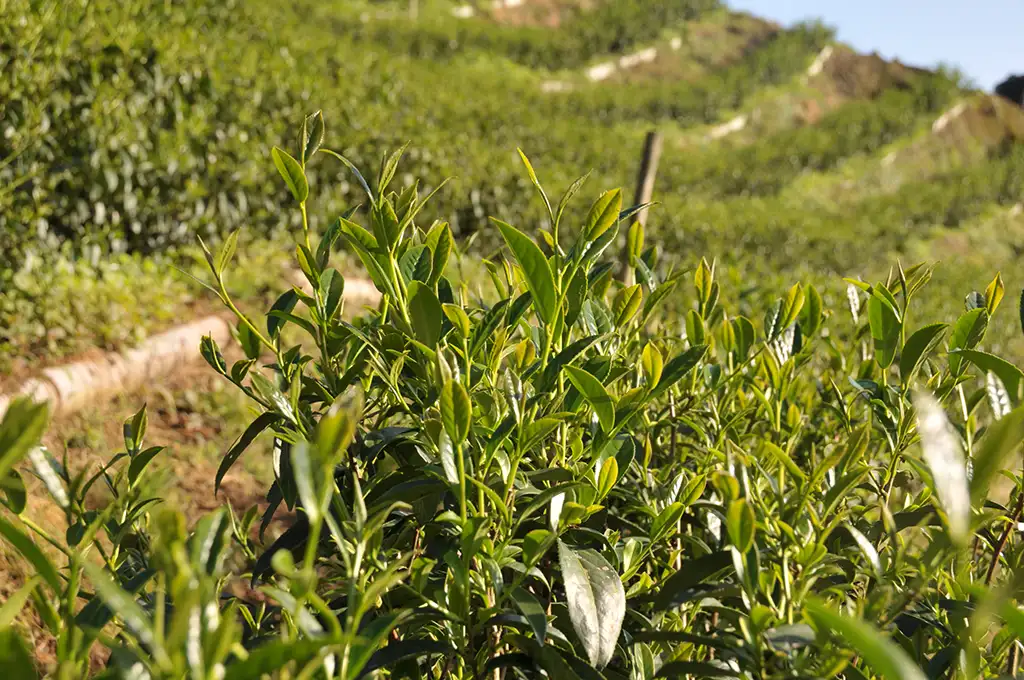
Rumers say that some tea factories specifically cultivate young tea bushes to enter tea competitions, as high-quality young-bushe tea offers a better chance of winning. We’ve also heard of tea merchants offering NT$700 per 37.5 g for “young bush fresh leaves” just to enter competitions. Spending NT$2,800 on fresh leaves for 150 g might seem unprofitable at first glance, but winning an award not only builds prestige, it also allows other teas to be sold under false pretenses. Since high costs don’t deter people from taking a shot, the advantages must be immense!
“Are young bushes really that amazing?” Let’s put it this way: as long as the management isn’t too sloppy, tea made from young bush leaves easily starts at a baseline score of 70. With well-managed leaves, producing quality tea isn’t difficult; and when conditions align with favorable weather, location, and human effort, there’s a chance to produce legendary tea. Over the past few years, the store manager has been fortunate enough to encounter a few “monster-level” young bush teas—truly the kind of quality that “takes you by surprise” with the very first sip.
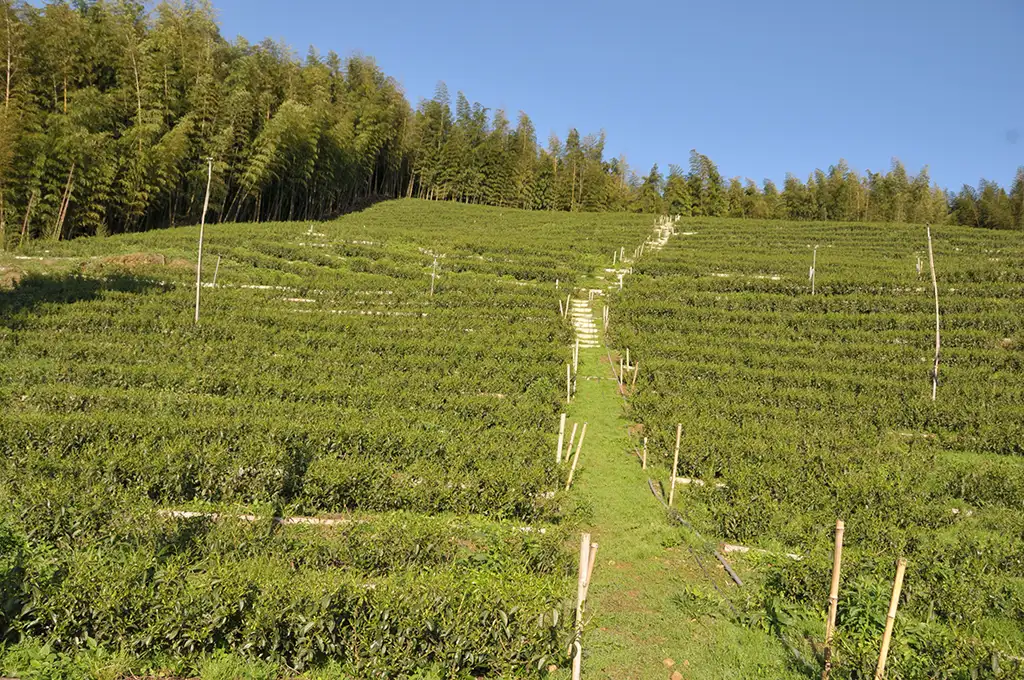
Good weather, a willingness to pluck tender leaves, applying quality soybean meal fertilizer, premium topdressing, adequate irrigation, and young bush fresh leaves—meet five of these conditions, and you just might get monster-level exceptional tea. Next time, we’ll introduce the other key factors for top-quality tea.