What are Taiwan’s unfermented teas? How are they made?

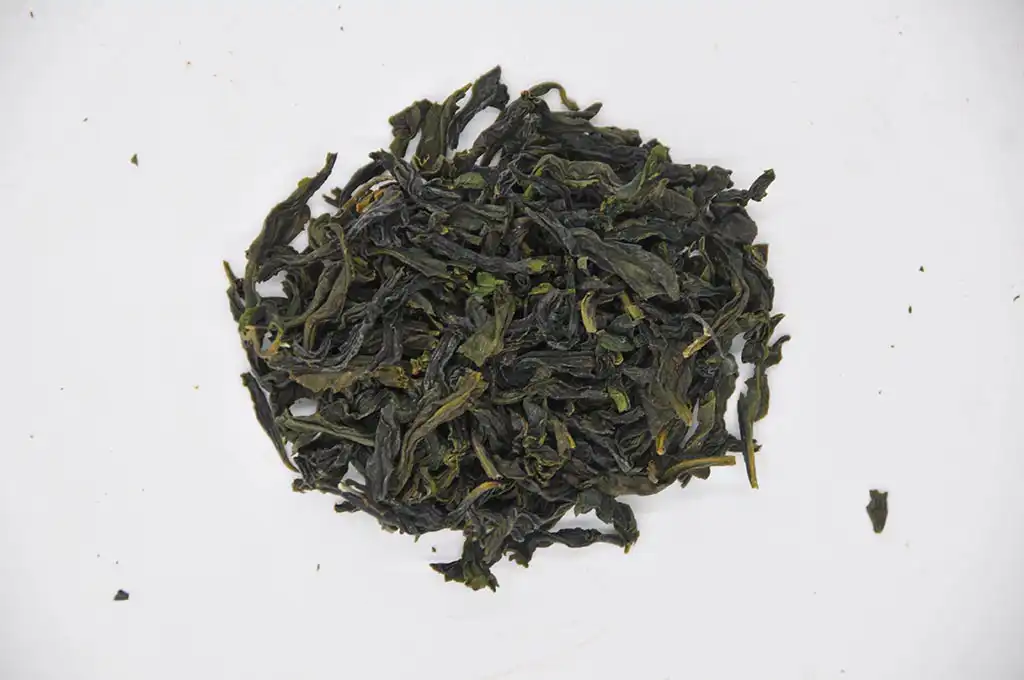
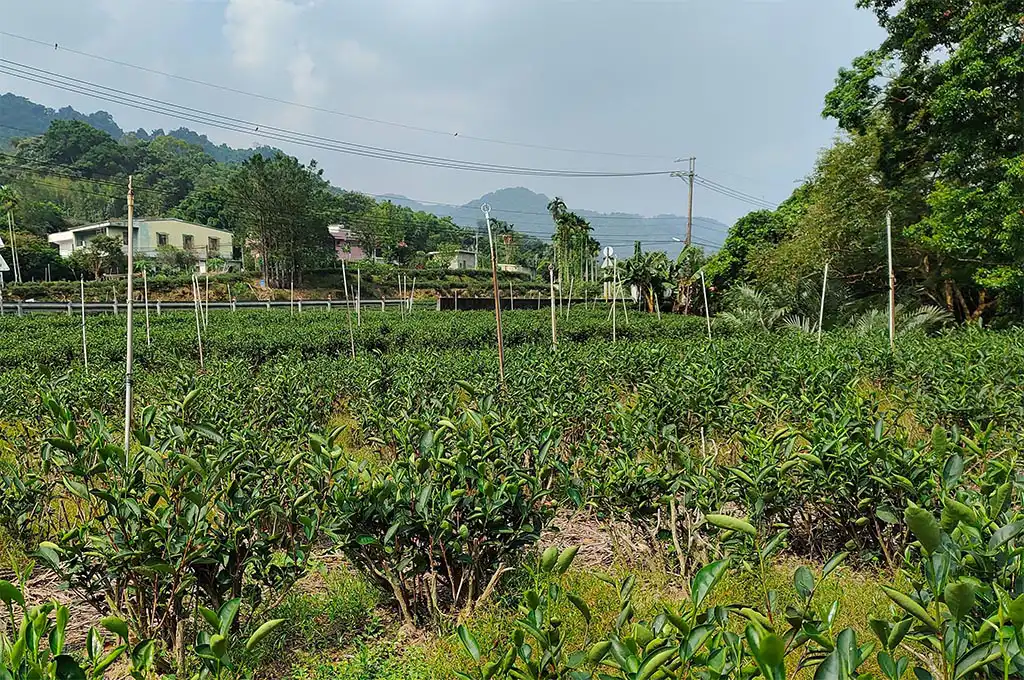
What are Taiwan’s unfermented teas? Unfermented tea generally refers to green tea. While it is produced across Taiwan’s major tea-growing regions, northern Taiwan is the primary production hub. Sanxia District in New Taipei City is home to Biluochun and Longjing (Dragon Well) tea, which are Taiwan’s most representative unfermented teas.

What are non-fermented teas

What is the difference between fermented and unfermented tea?

Unlike unfermented teas, the processing of fermented teas involves withering to lose moisture and tumbling or bruising to break down the leaves. This initiates oxidation inside the fresh tea leaves. Polyphenols such as catechins interact with polyphenol oxidase and peroxidase, causing changes in the tea’s aroma and flavor profile. Unfermented teas, on the other hand, skip these steps of withering and tumbling. Once harvested, the leaves go straight through a kill-green (fixation) process—using high heat via steaming or pan-firing—to deactivate the enzymes and halt oxidation.

How is unfermented tea made?

Taking Taiwanese green tea as an example, the production process for unfermented tea is: Harvesting → Fixing (Kill-Green) → Rolling → Drying. The key to keeping it unfermented is the fixing process immediately after harvest, which uses high heat to stop the tea leaves from oxidizing, allowing them to retain their original fresh taste and grassy aroma. Compared to Taiwan’s common oolong teas, oolong goes through additional steps like withering and tossing before fixing, which causes the leaves to ferment.

What are non-fermented teas

What are the types of Taiwanese unfermented tea?

Green tea is produced across various tea-growing regions in Taiwan, primarily concentrated in the northern part of the country. Sanxia District in New Taipei City is the most famous, locally renowned for strip-shaped Biluochun green tea and flat Longjing tea.

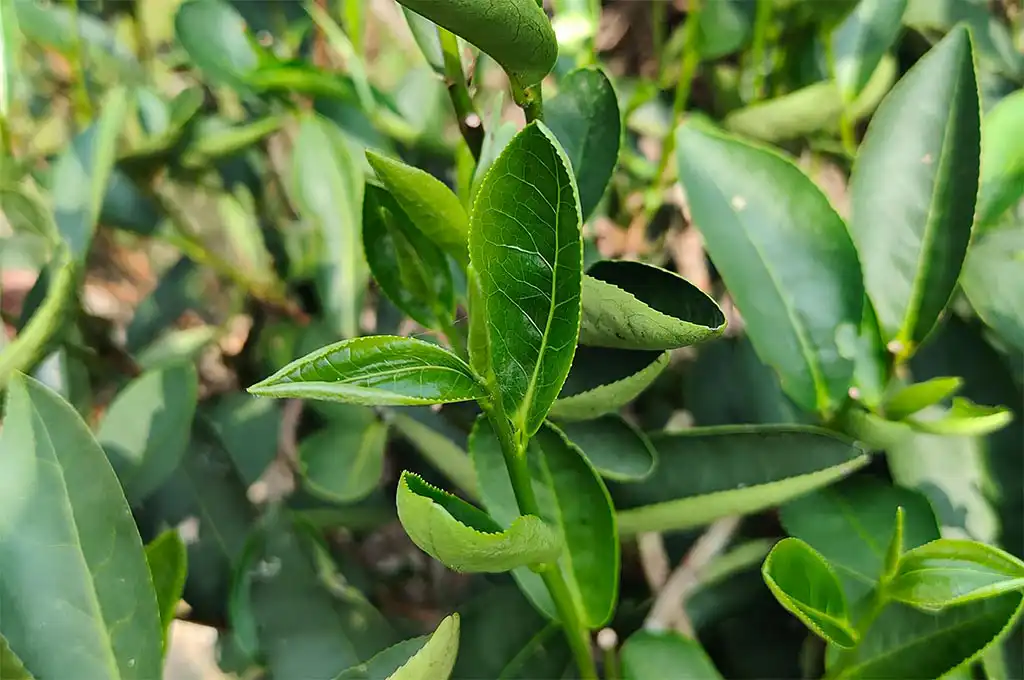
Sanxia Biluochun Tea: Biluochun is a traditional Chinese tea originally from Dongting Mountain by Taihu Lake in Jiangsu Province, China, characterized by its snail-curled leaves. It gets its name because it is emerald green (“Bi”), shaped like a snail (“Luo”), and spring (“Chun”) tea yields the best quality. Sanxia Biluochun is made using the local specialty tea cultivar, “Qingxin Ganzai.”

Sanxia Longjing Tea: A traditional Chinese tea originally from Hangzhou, Zhejiang Province, China, characterized by its flat, pressed appearance and notes of bean-like aroma and sweetness.

What are non-fermented teas

In addition to these two green teas, various tea regions in Taiwan also produce other green teas, such as green tea powder and matcha powder commonly used in pastries and beverages, which also have significant production output.

Shopping Cart