
Among Wuyi rock teas, the three classic varieties—Da Hong Pao, Shuixian, and Rougui—not only enjoy the highest recognition but are also priced well above other teas. So, what exactly sets these three apart?
Differences Between Shuixian, Rougui, and Da Hong Pao
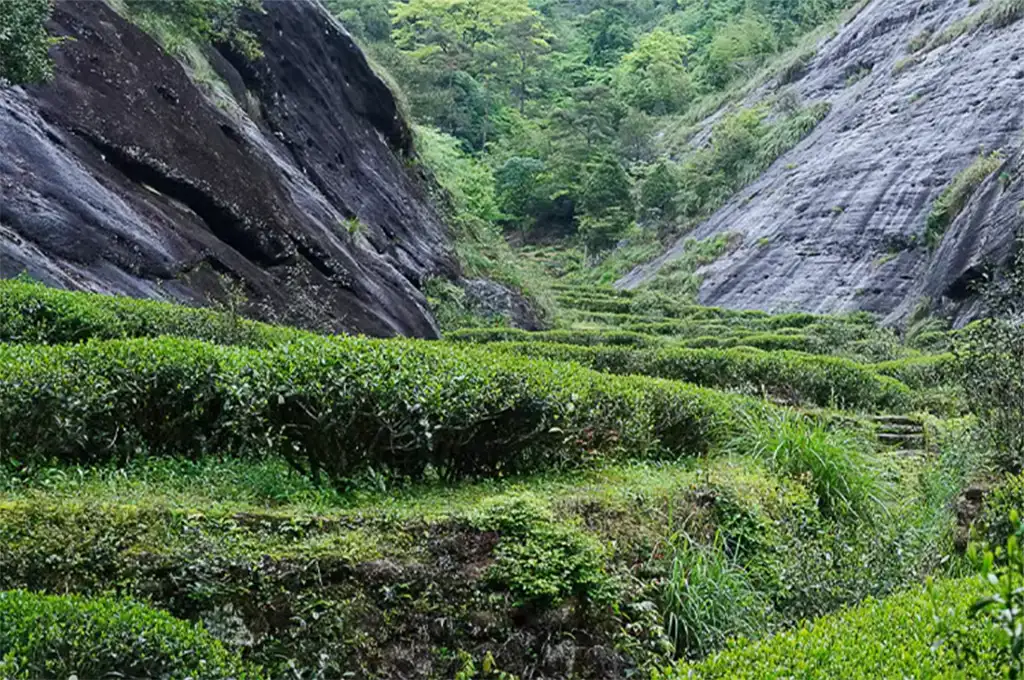
The term “rock tea” (yancha) originates from the saying, “Every rock has tea, and without rock there is no tea,” meaning only tea bushes growing in the rocky crevices of the Wuyi Mountains can be called rock tea. This tea is world-renowned for its unique “rock bone and floral fragrance” (yangu huaxiang). Wuyi Mountains is the primary production area for rock tea, so mentioning “rock tea” typically refers to tea produced in Wuyi.
Wuyi rock teas are generally divided into five main categories: Da Hong Pao, Shuixian, Rougui, Qizhong, and Bai Jiguan. Among them, Da Hong Pao, Shuixian, and Rougui are the most famous, serving as the three pillars of Wuyi rock tea, with Da Hong Pao hailed as the “King of Wuyi Rock Tea.” Even experienced tea enthusiasts sometimes struggle to tell the differences between these three teas. Let’s take a closer look at the unique characteristics of each of these famous Wuyi rock teas.
Wuyi Da Hong Pao
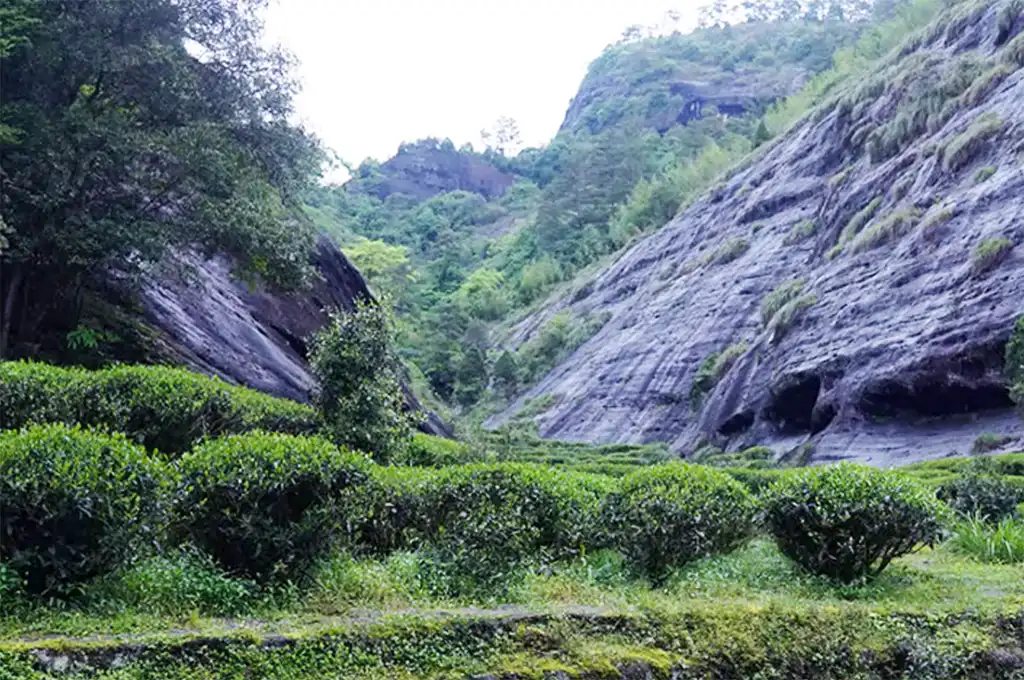
Da Hong Pao is a historic, renowned tea and a premium oolong known as the “King of Teas.” Only six original Da Hong Pao mother trees remain today, making their yield extremely scarce—producing just 23 to 30 grams of tea leaves each year, which makes them exceptionally precious. Because harvesting from these six mother trees is now banned, all Da Hong Pao circulating on the market is propagated through cutting.
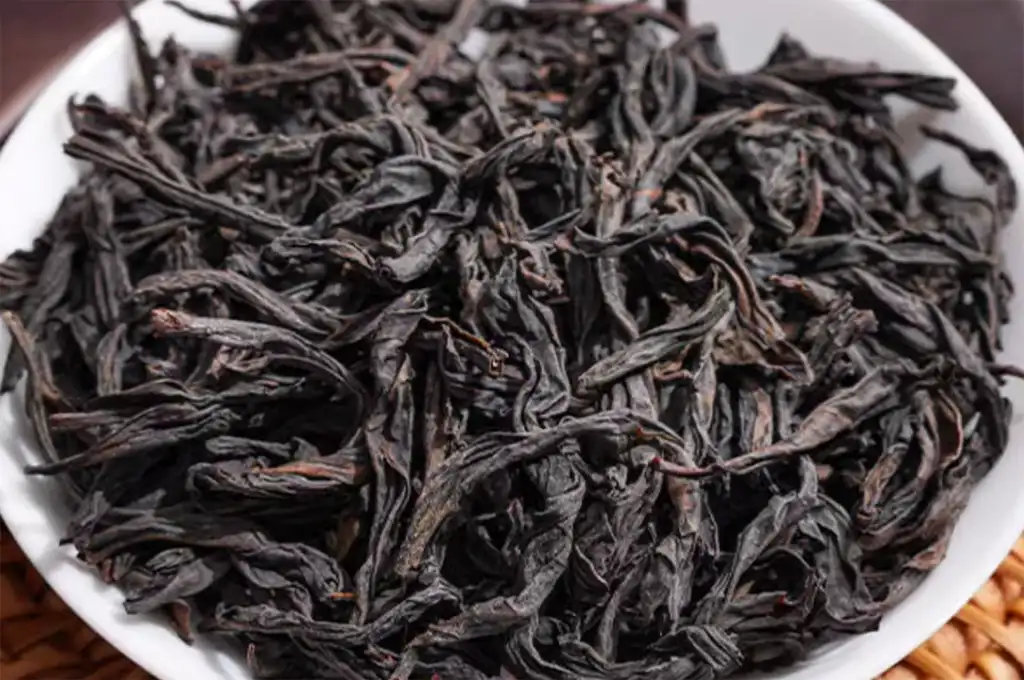
Finished Da Hong Pao leaves are tightly knotted and neat in appearance. They give off milky and rice-like aromas. When brewed, rich and lasting aromas of orchid and osmanthus emerge, and the tea is remarkably durable for multiple infusions, often described by the saying, “A lingering fragrance remains through seven or eight infusions, and an aftertaste persists even at nine or ten.” When tasted, the tea soup is clear, mellow, and sweet, with a prominent “rock bone and floral fragrance,” a smooth entry, and a delightfully sweet, refreshing finish.
Wuyi Shuixian
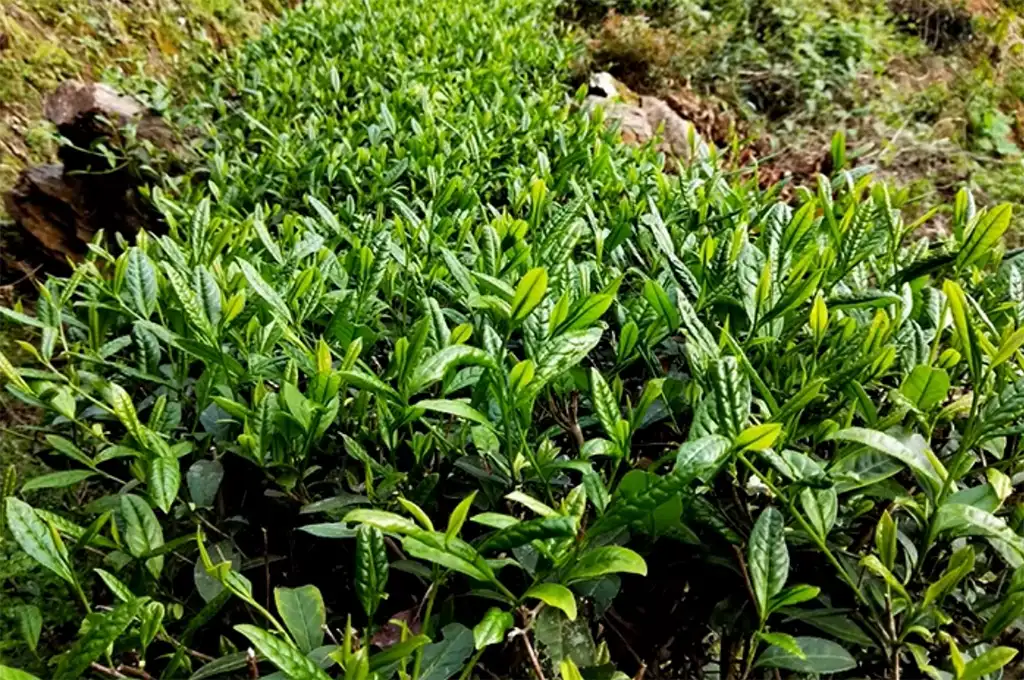
Wuyi Shuixian is also a tea with a long history, originating from a tea variety in northern Fujian. Records of it date back over a thousand years to the Jianyang and Jian’ou regions, boasting several centuries of cultivation history.
Although Wuyi Shuixian may not be as universally famous as Da Hong Pao, it remains a premium oolong tea. Known for its “mellow and rich tea soup,” it is deeply loved by tea enthusiasts. The dry leaves of Shuixian are plump and robust, with an oily, glossy, greenish-brown color. When brewed, the tea soup displays a vibrant, bright orange hue, accompanied by a rich and lasting narcissus floral aroma. Upon tasting, you will experience a mellow flavor with a refreshing aftertaste, a distinct throat finish, and a rich, lingering orchid aroma that stays long after the sip. In the Wuyi tea region, there is a long-standing saying: “For a mellow taste, nothing beats Shuixian; for aroma, nothing beats Rougui.”
Wuyi Rougui
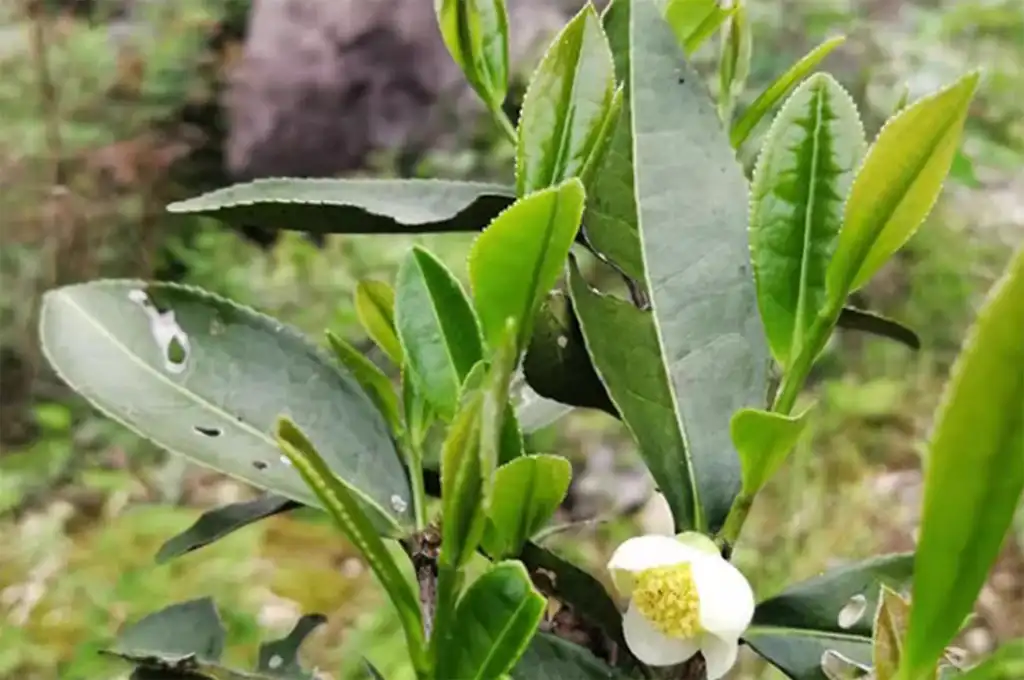
Wuyi Rougui, also known as “Wuyi Yugui,” is a standout among oolong teas. Originally from the Wuyi Mountains in Fujian Province, the Rougui from the Niulankeng production area is particularly famous. It gets its name, which translates to “cinnamon,” because its aroma resembles that of cinnamon bark. Rougui tea leaves are thick and fleshy with slender tips, a strong waxy texture, and clear longitudinal veins, giving off a rich, fresh fragrance.
Rougui’s widespread fame stems from its exceptionally high quality. Alongside the characteristic taste profile of rock tea (yancha), Rougui is especially celebrated for its pungent, sharp, and lingering aroma. The dry tea leaves are neatly twisted and curled, with an oily, brownish-green appearance, and feature small white spots on the back of some leaves, resembling a frog’s skin. When brewed, the infused leaves are even and glossy, yielding a clear, bright orange-yellow liquor with red undertones, creating the distinctive appearance of “green leaves with red edges.” The aroma is a perfect blend of cinnamon bark, floral-fruity notes, and a hint of cream. On the palate, the aftertaste is mellow and rich, leaving a lasting fragrance in the mouth. Even after six or seven infusions, the aroma persists, and Rougui’s signature “rock rhyme” (yanyun) remains exceptionally pronounced.
Conclusion
These are the differences and unique characteristics of Dahongpao, Rougui, and Shuixian. As the three main pillars of Wuyi rock tea, each possesses distinct, exceptional quality and clear defining traits.
Overall, Dahongpao combines the qualities of both Shuixian and Rougui, offering a complex and rich sensory experience for both the eyes and the palate. Shuixian is renowned for its inner beauty, offering a smooth, mellow, and subtle taste with a rich orchid aroma. Rougui, on the other hand, excels in its outer charm, captivating tea lovers instantly with its bold cinnamon bark fragrance.
Read More:
- How to Brew Wuyi Rougui Tea: Tips and Techniques
- Is Shuixian Tea Green Tea? What Kind of Tea Is Shuixian?
- What’s the Difference Between Shuixian, Rougui, and Dahongpao in Wuyi Rock Teas?
- What Type of Tea Is Dahongpao? Black, Green, or Oolong?
- Where to Buy Dahongpao Tea: Is It Produced in Taiwan?
- What Category of Tea Is Wuyi Rock Tea? Is It Pu-erh?