
Located at the center of Lixing Industrial Road, the Malieba tea region features tea gardens distributed across high mountains ranging from 1,200 to 1,800 meters in elevation. Its exceptional orientation and alpine environment produce premium Malieba high mountain tea.
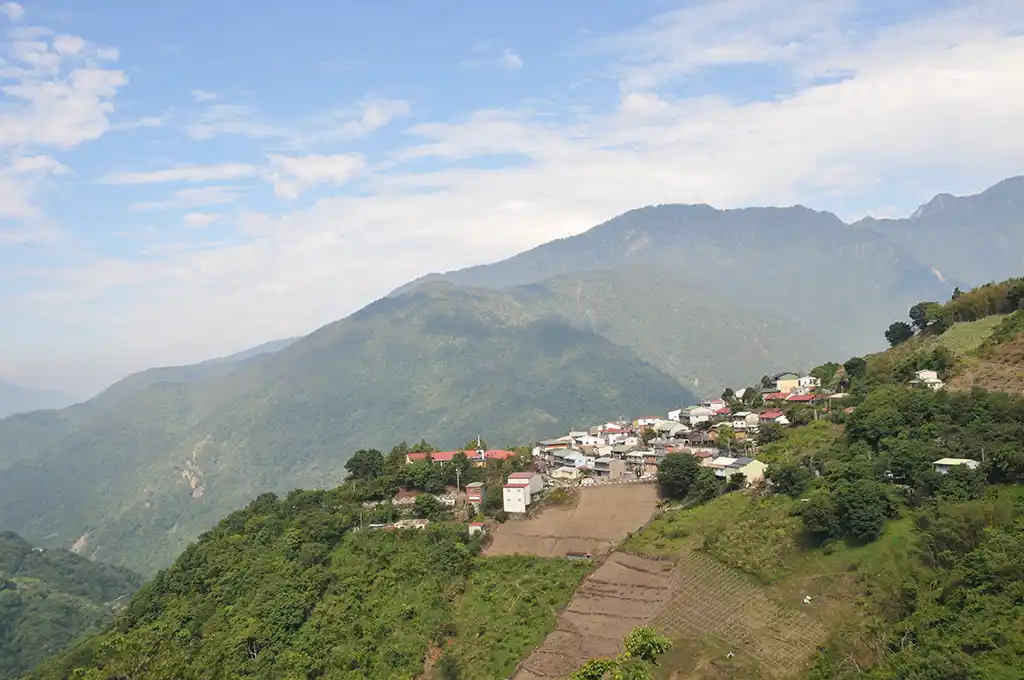
Table of Contents
Malieba Tea Region Elevation: 1,200m to 1,800m
Centered around the Malieba tribe, the tea gardens sit at altitudes between 1,200 and 1,800 meters (with the majority located in the 1,600 to 1,800 meter range). The high altitude imparts a distinct mountain aura. Heading further up leads to the Diaoqiaotou tea region, sitting at 1,650 to 2,050 meters. Some people also include parts of Diaoqiaotou within the Malieba tea region, which would bring Malieba’s elevation range to 1,200 to 2,050 meters. Regardless of how it’s categorized, Malieba is undeniably an exceptional origin for high mountain tea.
Characteristics and Disadvantages of Malieba High Mountain Tea
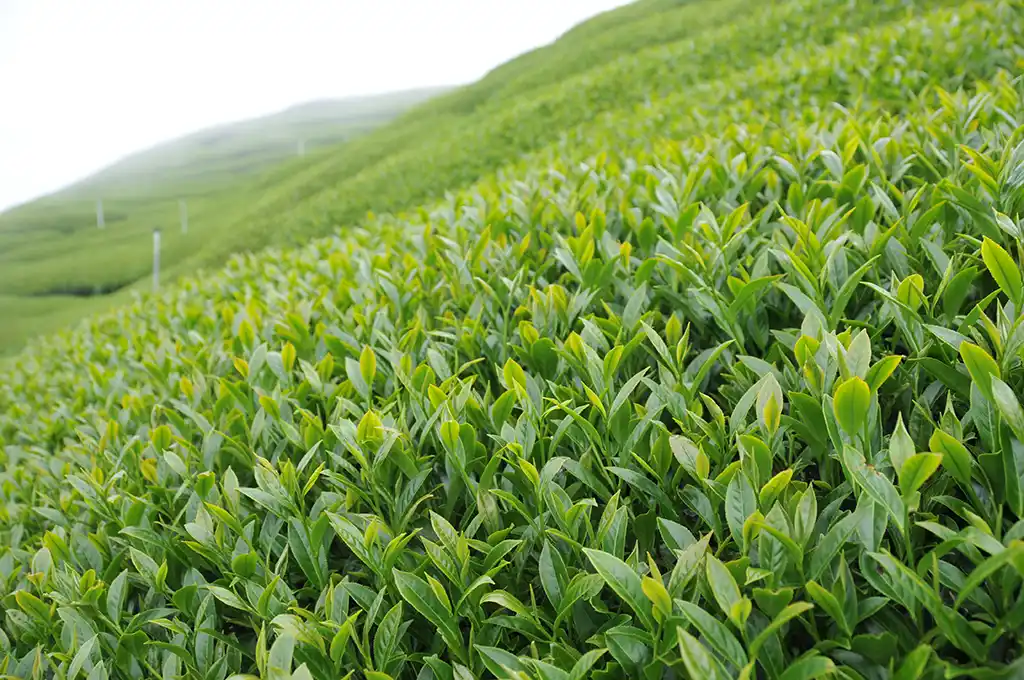
Characteristics: The alpine environment naturally places it in the upper echelon of high mountain teas. Aside from the plots closer to the valley floor, most other tea gardens sit above 1,600 meters, offering a superb high-altitude environment.
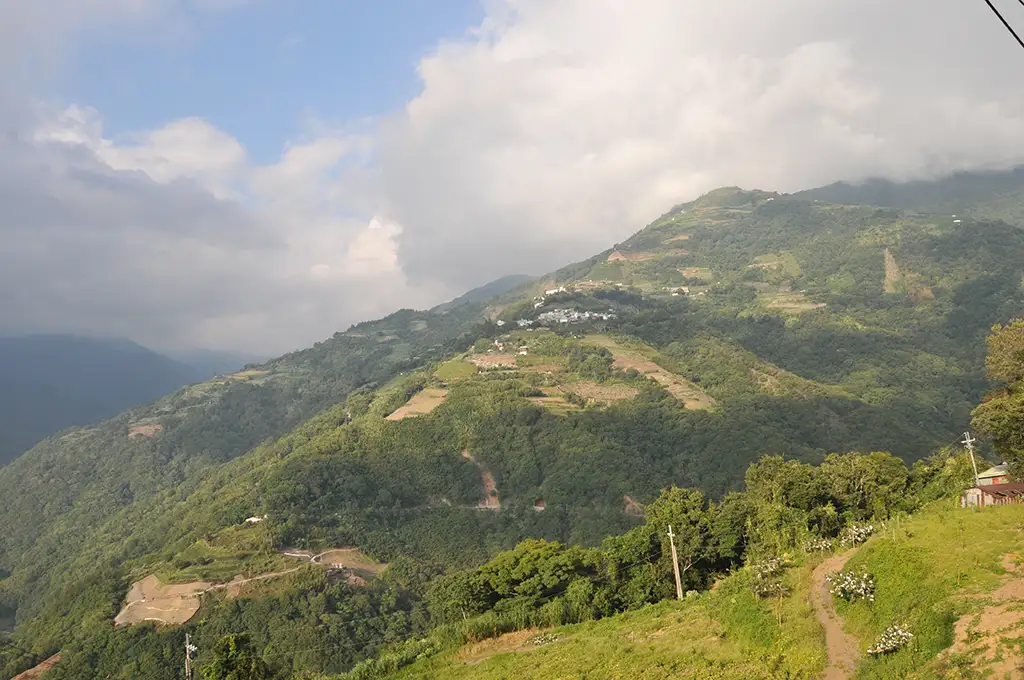
Disadvantages: A major issue with growing tea here is that Lixing Industrial Road frequently experiences landslides. Especially toward the Cuiluan direction from the tribe, road closures often last for over ten days. Much of the local tea is transported to the Cuiluan and HuaGung areas for post-processing; when roads are blocked during harvest season, the tea cannot be transported, causing significant processing difficulties. Additionally, fertilizer and facility costs are very high, and spring frost damage is a common occurrence. Growing tea in Malieba carries extremely high risks, leading some tea garden owners to sell off large plots of land in recent years due to the overwhelming risk.
Malieba Tea Garden Photos
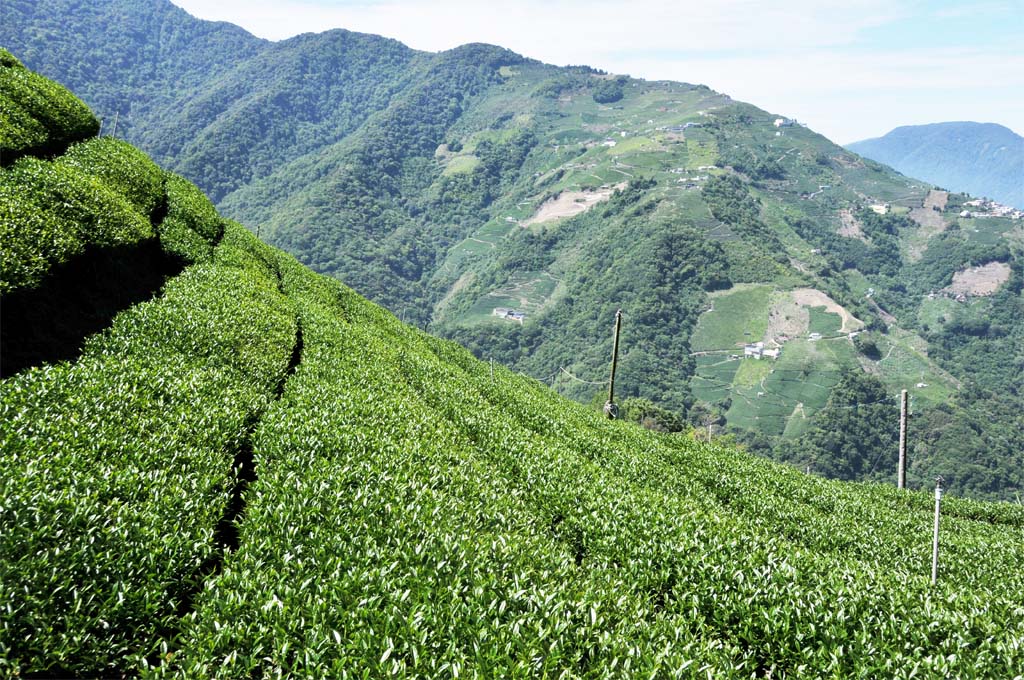
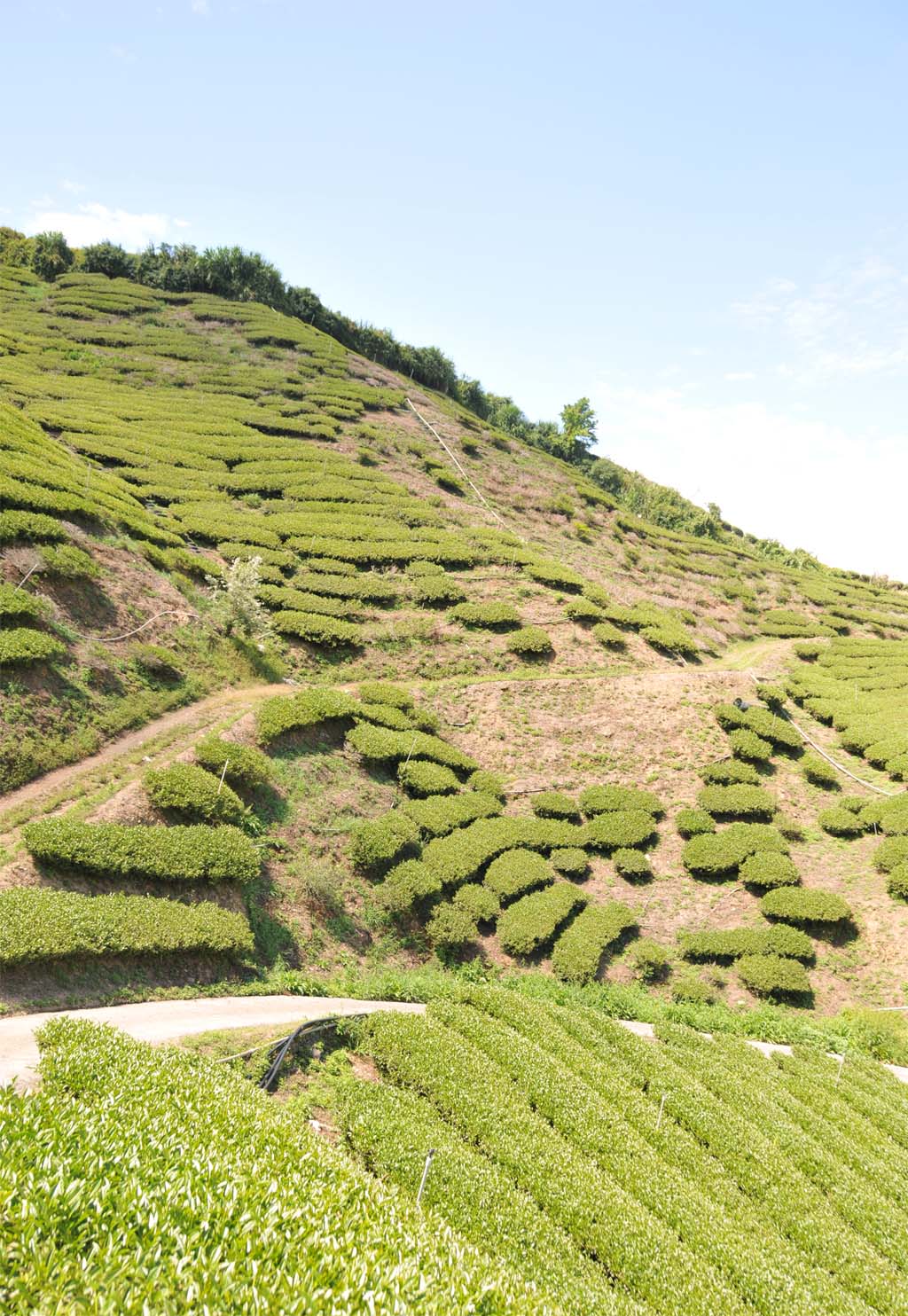
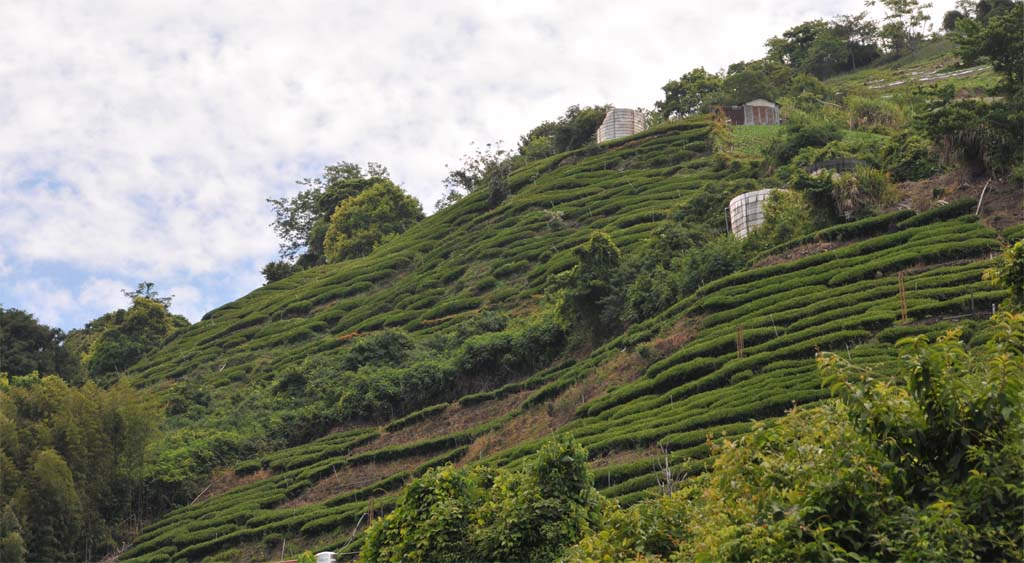
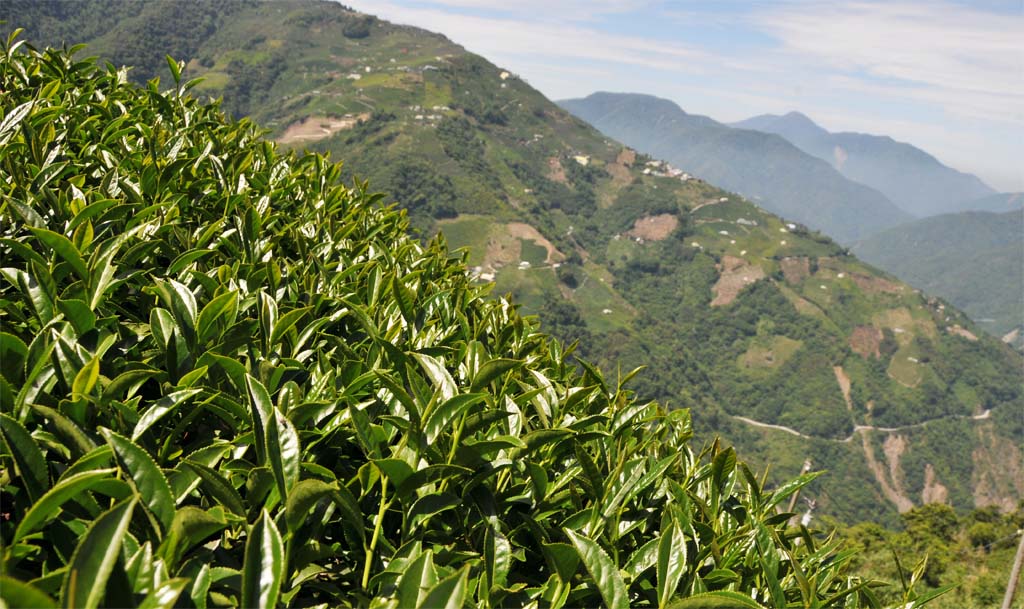
Shop Manager’s Review: As long as the weather is good, it’s practically a guarantee of fine tea. A succession of clear, sunny days is even more likely to yield an abundance of exceptional teas. Despite the inconvenient transportation, Malieba has become a must-visit spot for the shop manager every tea season.
| Lishan / Cingjing Tea Region | |||
Maleba Tea Region FAQ
What are the tea varieties and harvest seasons in the Maleba tea region?
The main tea variety is Qingxin Oolong, along with some Tieguanshan. Most of it is made into lightly fermented oolong tea, with a small amount of black tea. Spring tea is harvested in April and May, autumn tea in August, and winter tea in October and November.
How to get to the tea region?
You can only take Lixing Industrial Road. Google Maps. If tea lovers want to head up the mountain, remember to check the road conditions first and choose a vehicle with high ground clearance and 4-wheel drive. You can stay in Wushe or Cingjing the night before (you can also take the Lishan route), passing through Ruiyan Tribe and Maleba Tribe along the way. A day trip is just right, and on the way back, you can even stop by Hongxiang Tribe for a soak in the hot springs.
Is Maleba high-mountain tea of good quality?
In the store manager’s view, the Maleba tea region is similar to the Cuiluan tea region, and their usual quality is comparable. However, Maleba is a bit less consistent; once the Lixing Industrial Road is blocked, the tea quality takes a noticeable dip.