Removing Tea Stems

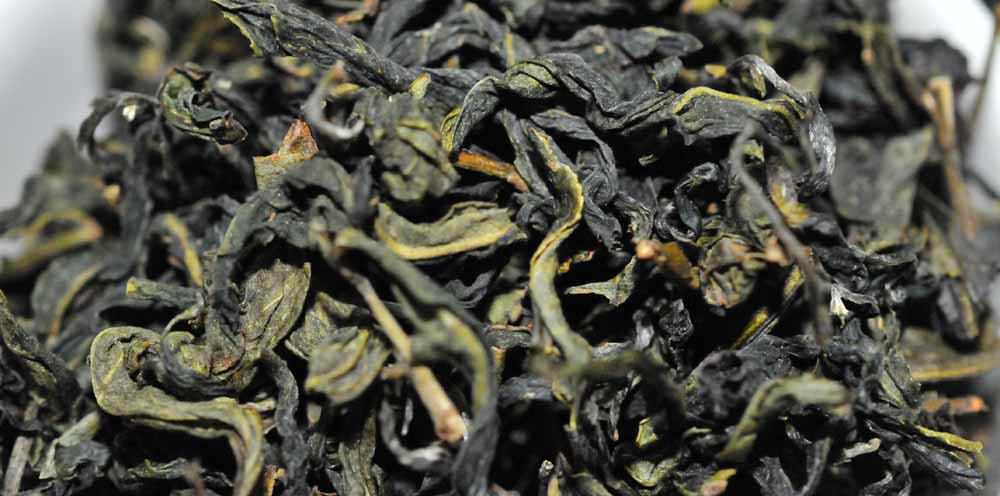
Crude tea inevitably contains excessive tea stems, mature leaves, and impurities. Tea producers who place a strong emphasis on quality will add a stem-removal step after the drying process. As the name suggests, removing tea stems involves picking out excess stems and mature leaves to reduce bitterness and astringency, resulting in a smoother brew.

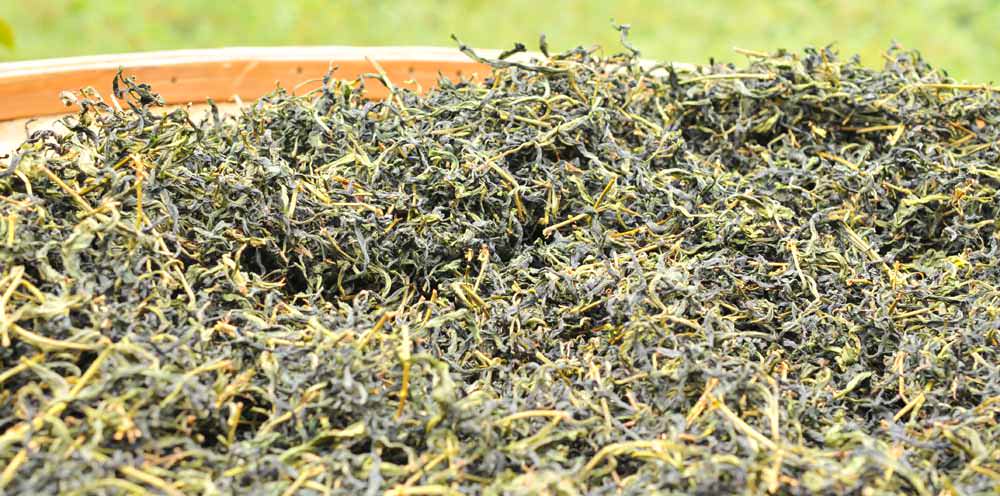
Traditional Taiwanese tea is harvested as one bud with two or three leaves, but varying growth rates mean that stem lengths also differ. The process of sorting and removing stems helps eliminate overly long ones. It also allows for the filtering out of impurities, including mature leaves and stray foliage that accidentally found its way in, thereby enhancing the overall quality of the tea.

Stem sorting is not strictly mandatory; it is primarily used for high-end teas or machine-harvested teas. Machine harvesting tends to cut in mature leaves and other debris along with a higher volume of stems, making stem removal an essential step. Similarly, high-quality high-mountain teas and competition-grade teas undergo stem sorting to elevate their quality. However, because stem picking requires labor costs and the discarded stems represent material loss, teas that have gone through this sorting process typically carry a higher unit price.

Removing tea stems

▲Crude tea, before stem removal.

Removing tea stems

▲Tea after stem sorting.

Shopping Cart