
Located in New Taipei City, Taiwan, Sanxia has been cultivating tea since the Tongzhi era of the Qing Dynasty, making it New Taipei City’s third-largest tea-producing region after Pinglin and Shiding. Sanxia is best known for its Taiwanese Longjing and Biluochun green teas, alongside small amounts of Pouchong and Oriental Beauty tea.
Tea cultivation in Sanxia began during the Tongzhi era and expanded rapidly through the Japanese colonial period. Thanks to active promotion by the Japanese government, Sanxia tea gained fame across the entire island. Following the retrocession of Taiwan, the region gradually adopted the production methods of Chinese Longjing and Biluochun green teas. Using Taiwan’s unique Qingxin Ganzai tea cultivar and adapting it to the local climate, the newly developed teas became an instant hit. Today, Longjing and Biluochun are Sanxia’s most iconic agricultural products. Currently, the Sanxia tea region covers approximately 980 hectares, with the Qingxin Ganzai cultivar making up the vast majority of plantings—primarily used for Longjing tea and accounting for about 70% of Sanxia’s total tea production. Other cultivated varieties include Qingxin Oolong and Qingxin Damu, which are used to craft Biluochun green tea, Pouchong, and Oriental Beauty tea.
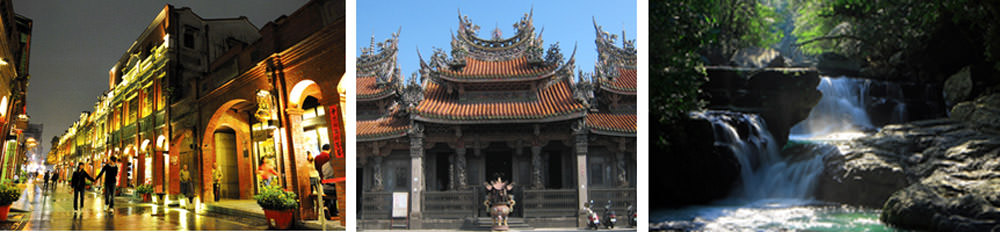
While Taiwanese tea production is dominated by semi-fermented oolongs, black tea is relatively uncommon, and green tea is cultivated almost exclusively in the Sanxia region. Thanks to the distinct character of its Longjing and Biluochun, Sanxia tea commands significant attention in Taiwan’s tea market. In recent years, continuous refinements in tea-making techniques have driven strong domestic sales and growing international popularity—rivaling even China’s West Lake Longjing and Dongting Biluochun. Truly, Sanxia is a rising star in the world of Taiwanese tea.
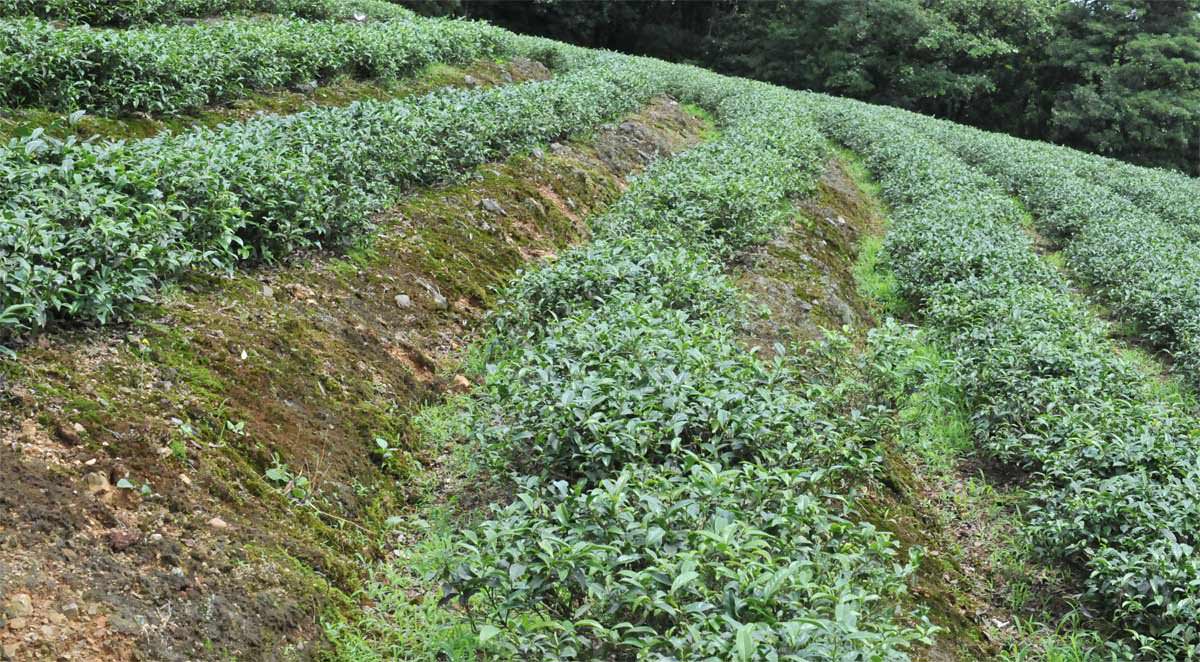
Directions:
Take the Sanying Interchange on National Highway No. 3 (Formosa Freeway), follow County Road 110 and transition to Provincial Highway 3 to reach Xinan, Xibei, Chengfu, Ankeng, and Zhulun—this comprises the northeastern Sanxia tea region. Alternatively, take Provincial Highway 7B to access the southwestern tea region, which includes Hongdaoli, Wuliao, Dapu, Jinmin, Chakiao, and Youmu.