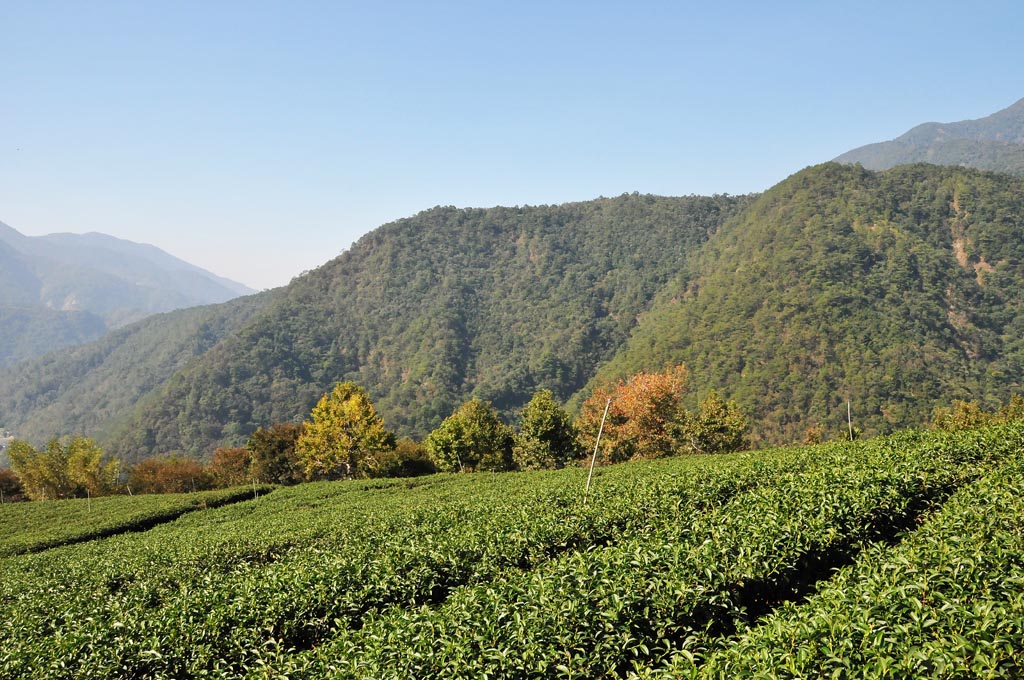
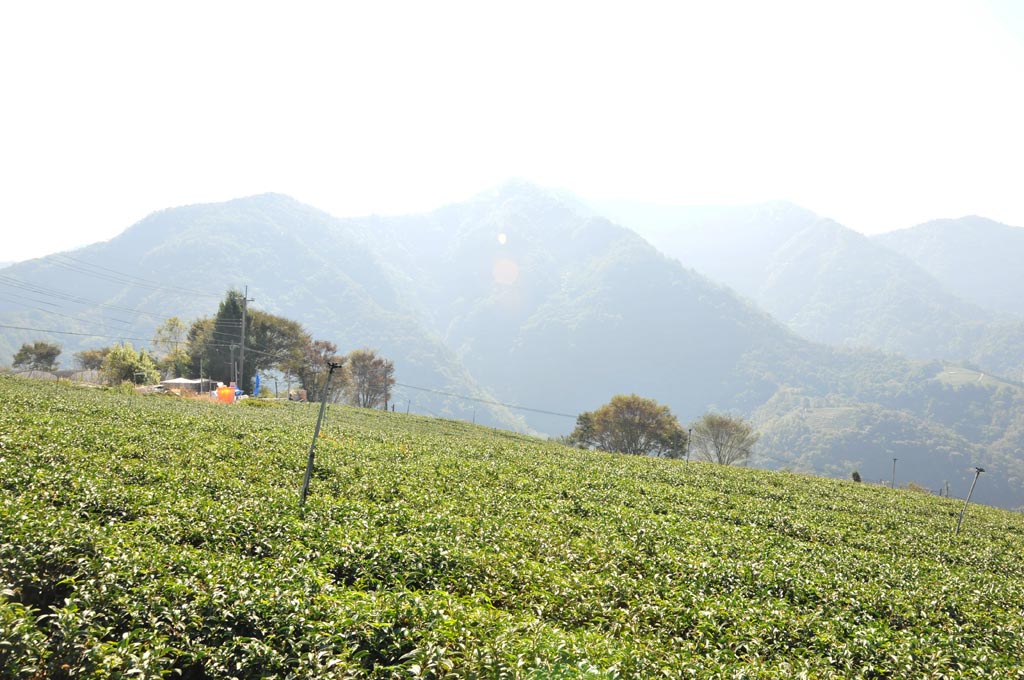
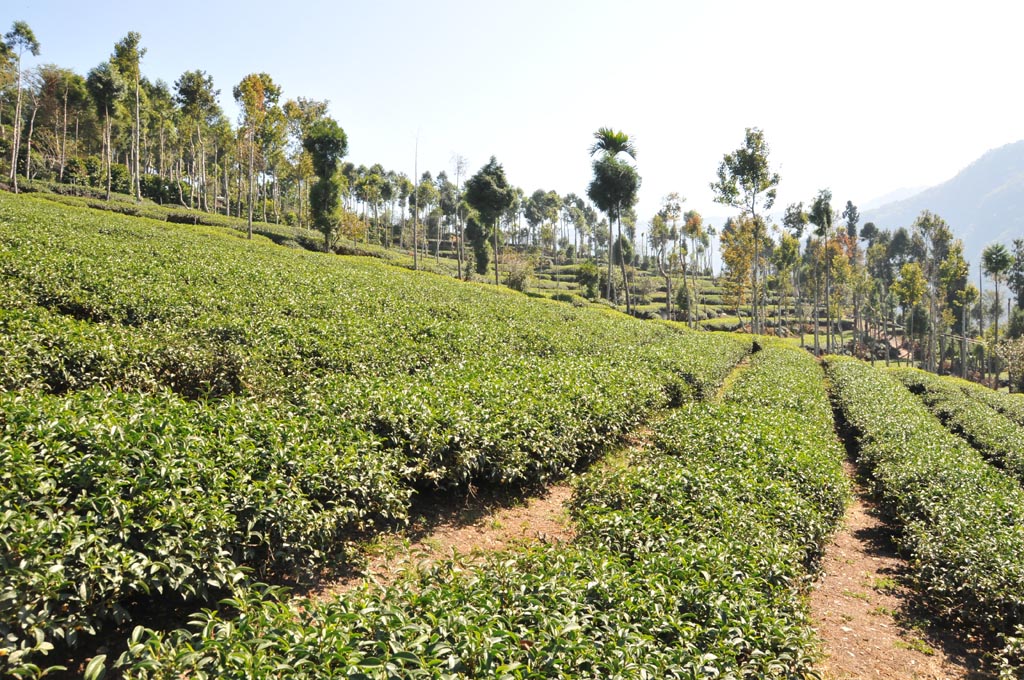
The Datongshan Tea Region is the quintessential hidden gem—quietly flying under the radar while delivering exceptional quality. Tucked away near DongYanShan and the Wushe tea region, it’s a prime origin known mostly to tea insiders.
Head past Meixi River on Provincial Highway 14 and take the agricultural road, and you’ll reach the Datongshan Tea Region in about 15 minutes. It’s quite accessible. Geographically, it sits close to Wushe, DongYanShan, and the Cingjing tea region. Because it’s a bit further off the main tourist paths and casual visitors don’t usually pass through, it doesn’t have mainstream household name recognition.
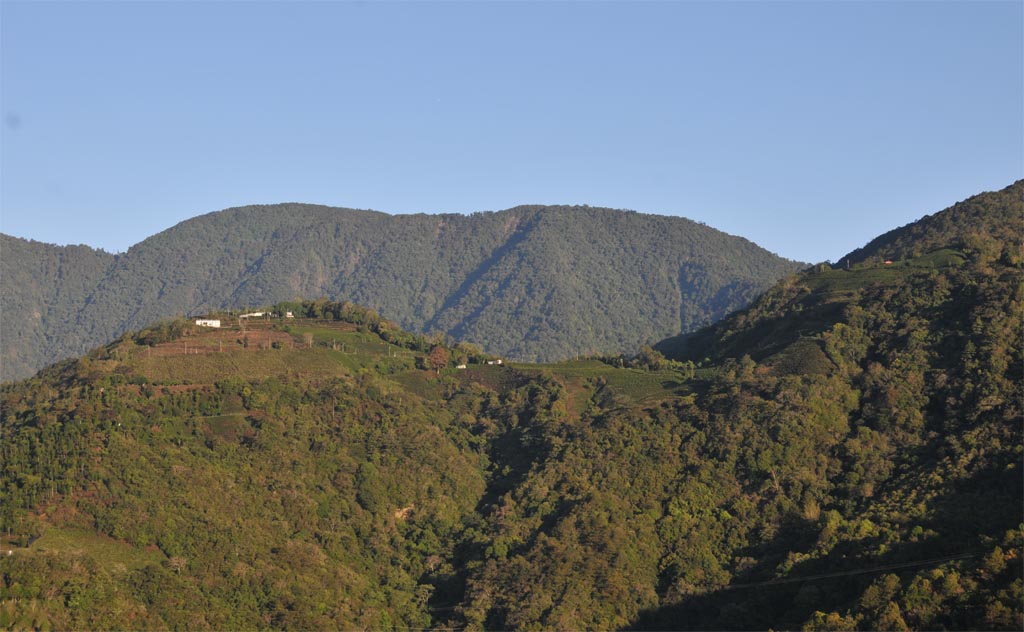
▲ Looking toward the Datongshan Tea Region from DongYanShan.
Despite that, tea merchants consider this place an absolute treasure trove for hunting great finds. Sitting at elevations ranging from 800 to 1,550 meters, the oolong tea from the Datongshan region easily rivals that of Wushe and Cingjing, yet comes at a significantly friendlier price point. With a healthy production volume here, you can frequently uncover high-quality teas that offer incredible value.
The primary cultivars grown are Qingxin Oolong and JinXuan. Spring tea is harvested from late April to early May, and winter tea from late October to early November.
Because the Datongshan Tea Region isn’t widely known by name, most merchants market and sell these teas under the labels of Cingjing tea, Wushe tea, or Lishan tea. You’d likely have a hard time finding tea explicitly labeled as Datongshan at a standard tea shop.
Personal Take: Among the high mountain tea regions in Ren’ai Township, Datongshan’s elevation isn’t its standout feature, but its pricing is notably practical, making it a hotspot for finding high-CP-value high mountain tea. The downside: elevation variations across the region are quite significant, which also leads to a wider gap in tea quality.

| Lishan / Cingjing Tea Region | |||