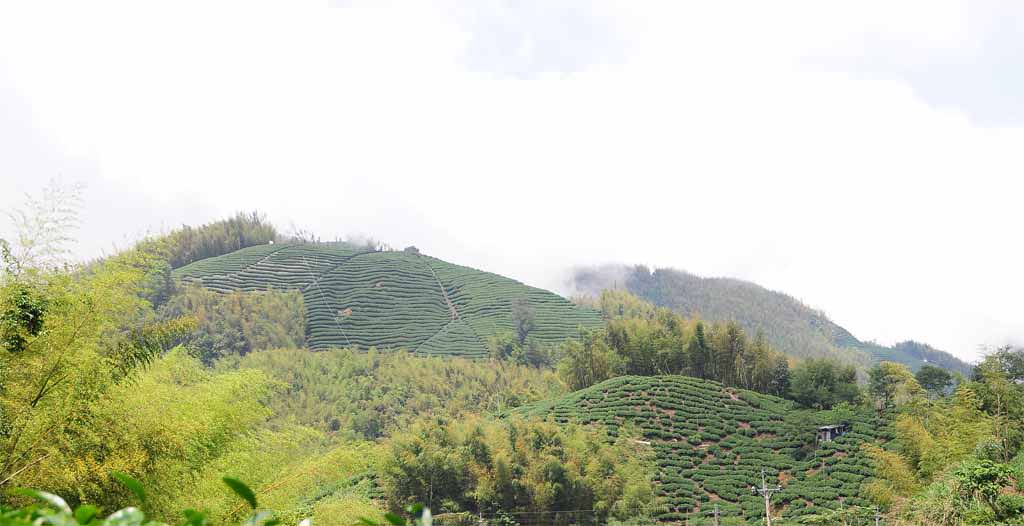
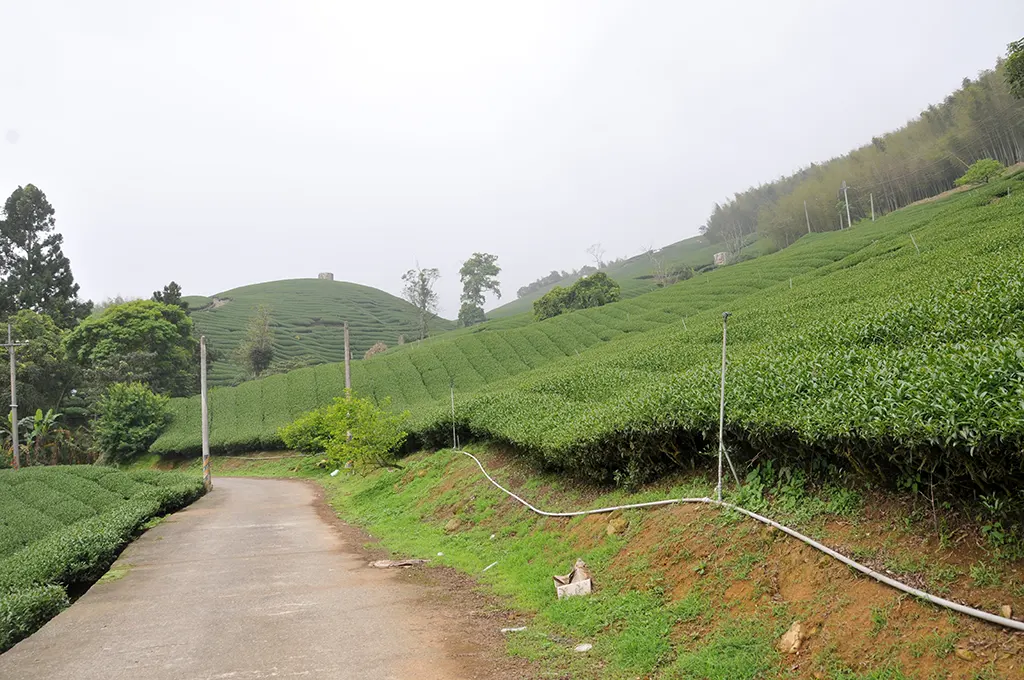
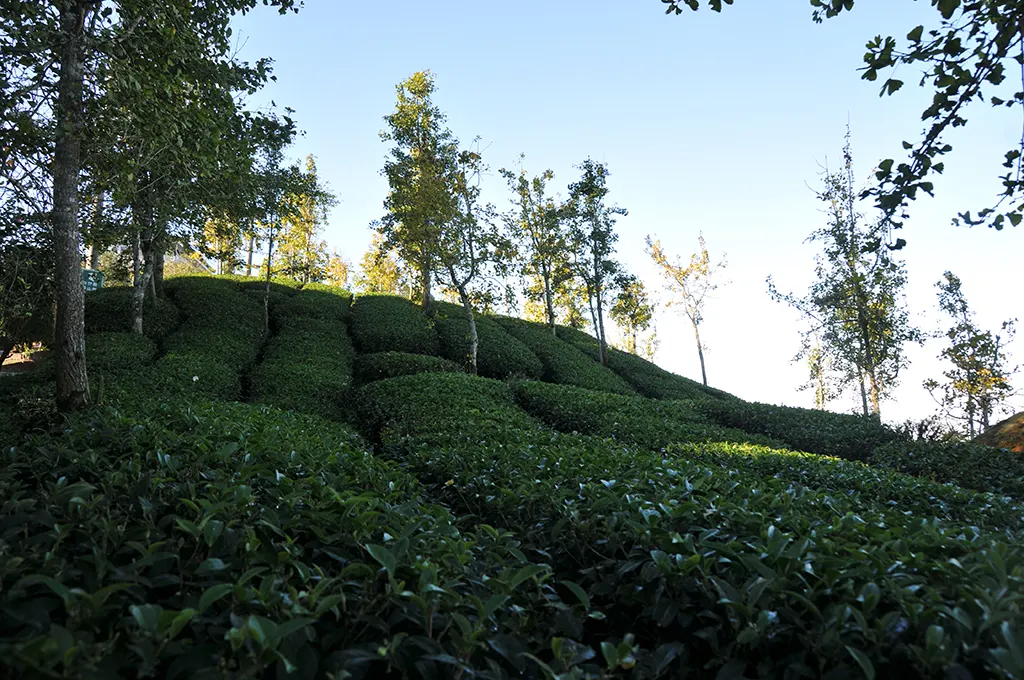
ShanLinXi Tea Region Guide: 6 Sub-regions of ShanLinXi

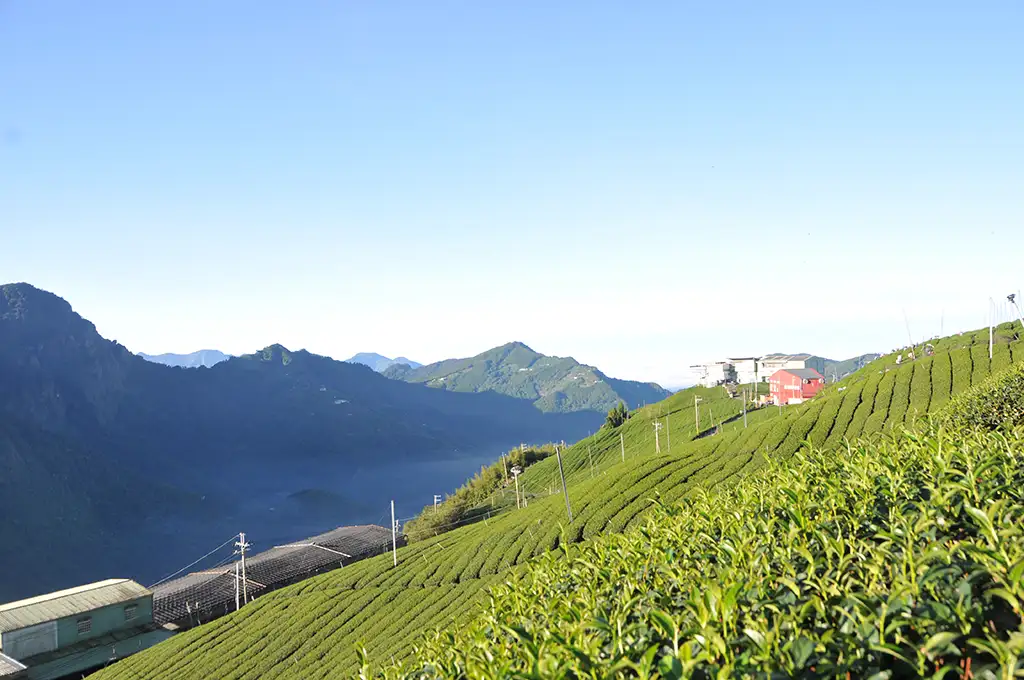
The altitude of the ShanLinXi tea region ranges from 800 meters to 1,950 meters, taking its name and center from the ShanLinXi Forest Recreation Area. With an annual rainfall of 2,700 mm and an average annual temperature of 21°C, it is ranked alongside Lishan and Alishan as one of Taiwan’s three major high-mountain tea regions. The main tea production is distributed across Zhushan Township and Lugu Township, encompassing six major sub-regions: LongFengXia, Budongyu, Sanshengying, Fanzitian, Yangzaiwan, and Ruan’an.

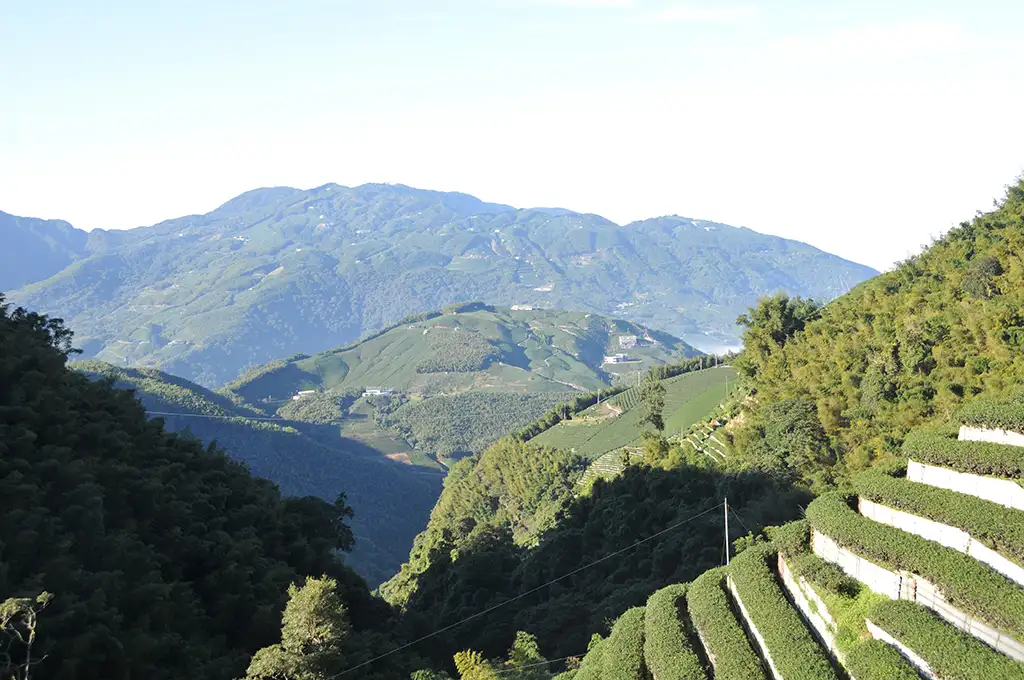
ShanLinXi tea region

Table of Contents

Introduction to ShanLinXi Sub-Regions (Click images for detailed descriptions)

ShanLinXi high-mountain tea is renowned far and wide, with the “LongFengXia tea region” being the most famous. Reaching altitudes of up to 1,800 meters, the tea produced here possesses a very distinct “high-mountain character” and is a star appellation of Taiwanese high-mountain tea.

Regardless of altitude or tea quality, the Fanzitian tea region is a premium production area that can rival LongFengXia. Its altitude (800–1,650 m) is slightly lower than LongFengXia, but the difference is minimal. Facing generally eastward, it enjoys better sunlight conditions than LongFengXia.

Located in Zhushan Township, Nantou, the Sanshengying tea region sits at the southernmost end of the ShanLinXi tea system. Reaching a maximum altitude of 1,750 meters, the high-mountain tea produced here features a rich aroma, smooth texture, and a sweet aftertaste that lingers in the throat, making it a top-tier ShanLinXi tea origin.

The Budongyu tea region is situated right next to the LongFengXia tea region, and the two are connected. One side of the mountain is LongFengXia, and the other is Budongyu—just around the corner. The tea region sits at an altitude of 1,500–1,700 meters.

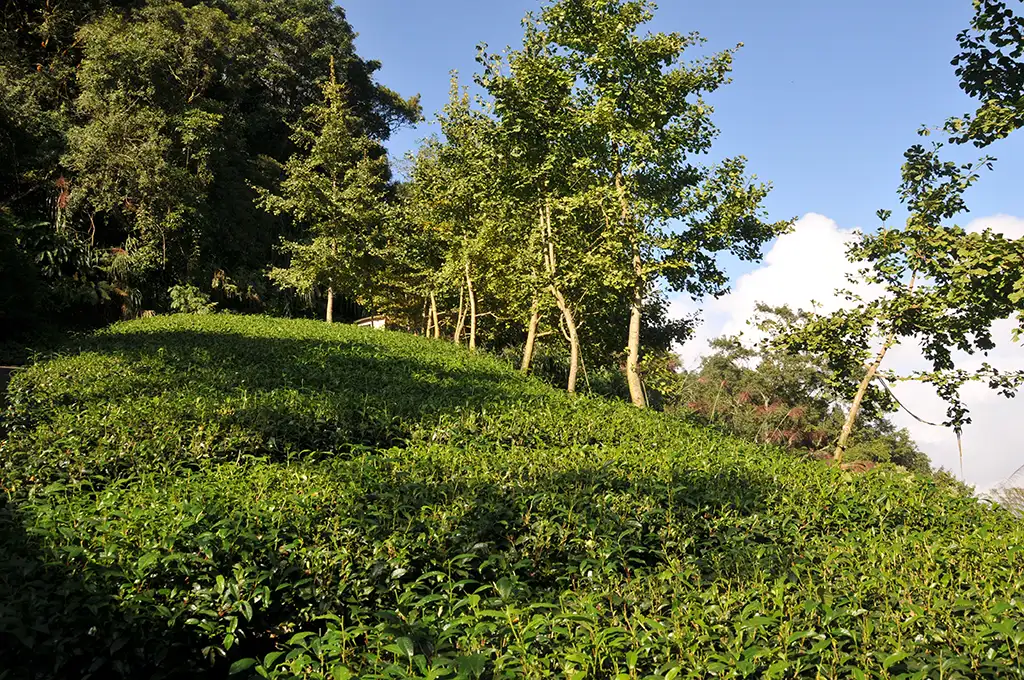
The Yangzaiwan tea region (also known as Yangwan) is located at the border of Lugu Township and Zhushan Township in Nantou County. Since the tea gardens are mainly situated on Dalunshan in Lugu Township, it is also referred to as the Dalunshan tea region. Yangzaiwan ranges from 1,250 to 1,500 meters in altitude and is home to the famous Ginkgo Forest attraction.

You might not be familiar with Ruan’an, but you’ll know it once we mention the Bagua Tea Garden. The nationally renowned Bagua Tea Garden is located right in the Ruan’an tea region, which sits at an altitude of 1,100–1,300 meters.

The Shitouhu tea region is situated just below Sanshengying and Fanzitian. You can think of it as a lower-altitude version of the Sanshengying tea area. Although lower in elevation, it still sits at 1,050–1,300 meters, and its quality should not be underestimated.

The correct historical name is “Liulongtou” (referring to log-hauling cableways used in earlier years). Because some felt the original name sounded unrefined, it was changed to Liulongtou (meaning “staying dragon head”). The Liulongtou tea gardens sit at elevations exceeding 1,800 meters.

The character “坔” sounds like “地” (earth), and in Taiwanese Minnan local pronunciation it sounds like “落” (dropping/sinking), referring to a sunken muddy wetland. Some also pronounce Caodanzai as Caoyanzai. This wetland was formed after the 9/21 earthquake and encompasses the famous Forget-Sorrow Forest attraction. This is the highest tea garden in the ShanLinXi tea system, sitting at nearly 1,950 meters.

ShanLinXi tea region altitude ranges from 800 meters to 1,950 meters

The ShanLinXi area originally grew bamboo shoots and rice as its main crops. Tea cultivation was introduced in the 1970s, and thanks to excellent quality and the booming domestic economy, the planting area continuously expanded. Today, the ShanLinXi tea region has expanded to include Lugu Township and Gukeng Township in Yunlin.

The lowest point in the tea region is 800 meters, and the highest point reaches an altitude of 1,950 meters (the Caodanzai tea garden next to the Forget-Sorrow Forest). Below are the altitudes for each sub-region:

Tea RegionMin. ElevationMax. ElevationNotes
LongFengXia14001800Famous ShanLinXi tea region
Budongyu15001700Twin region to LongFengXia
Fanzitian8001650Some tea gardens located in Yunlin
Sancengping12001750 
Yangzaiwan12001500Ginkgo Forest / Dalunshan
Ruan’an11001300Famous Bagua Tea Garden
Caodaizi16001950Highest tea garden in ShanLinXi

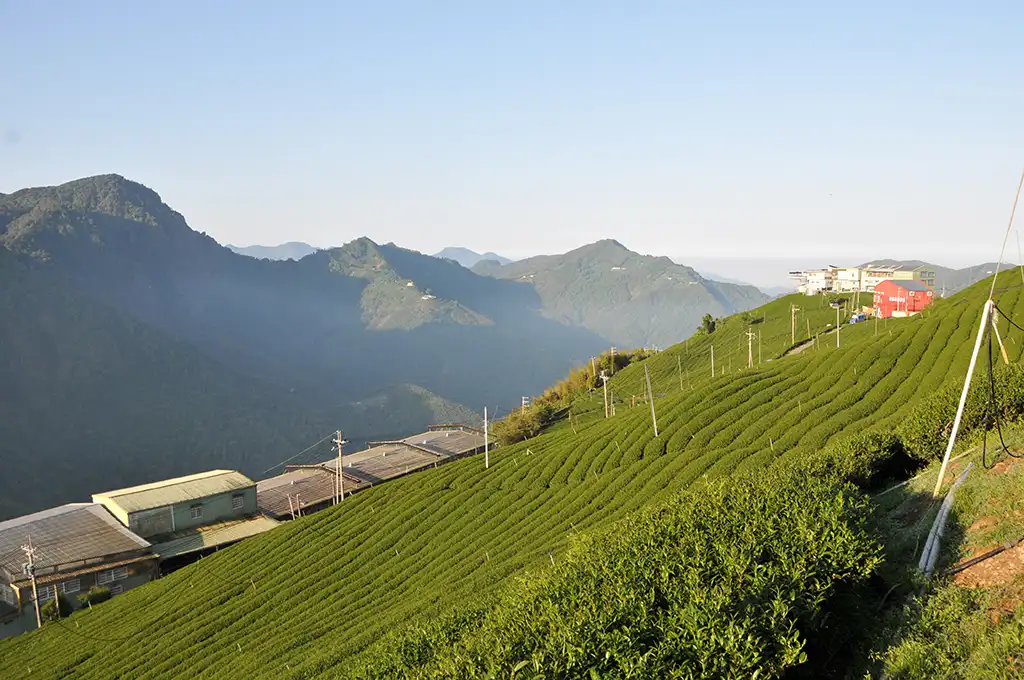
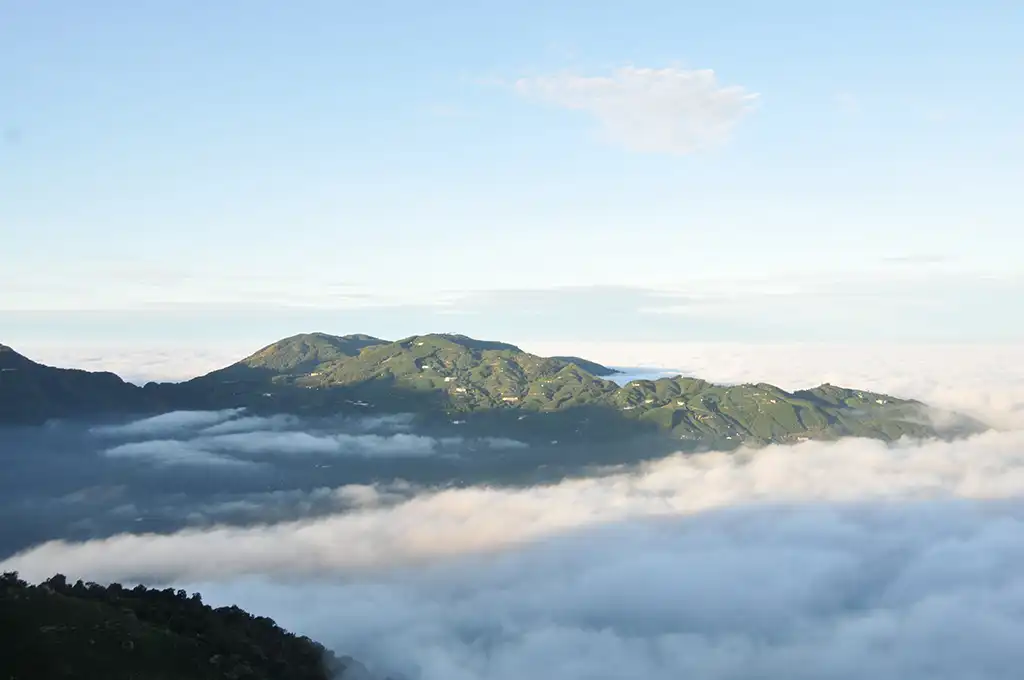
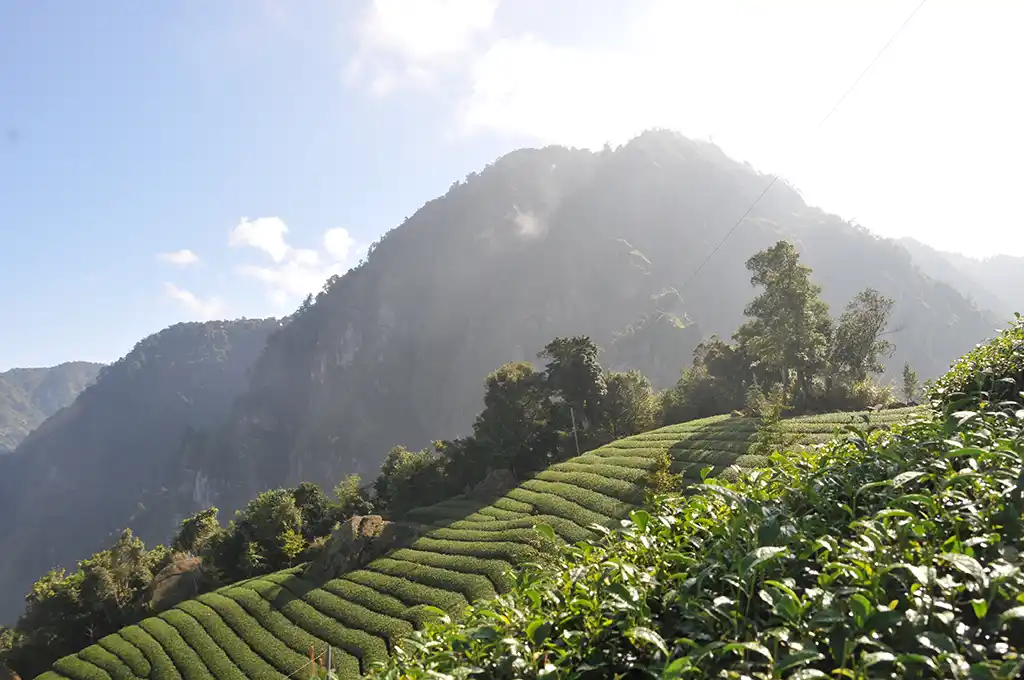
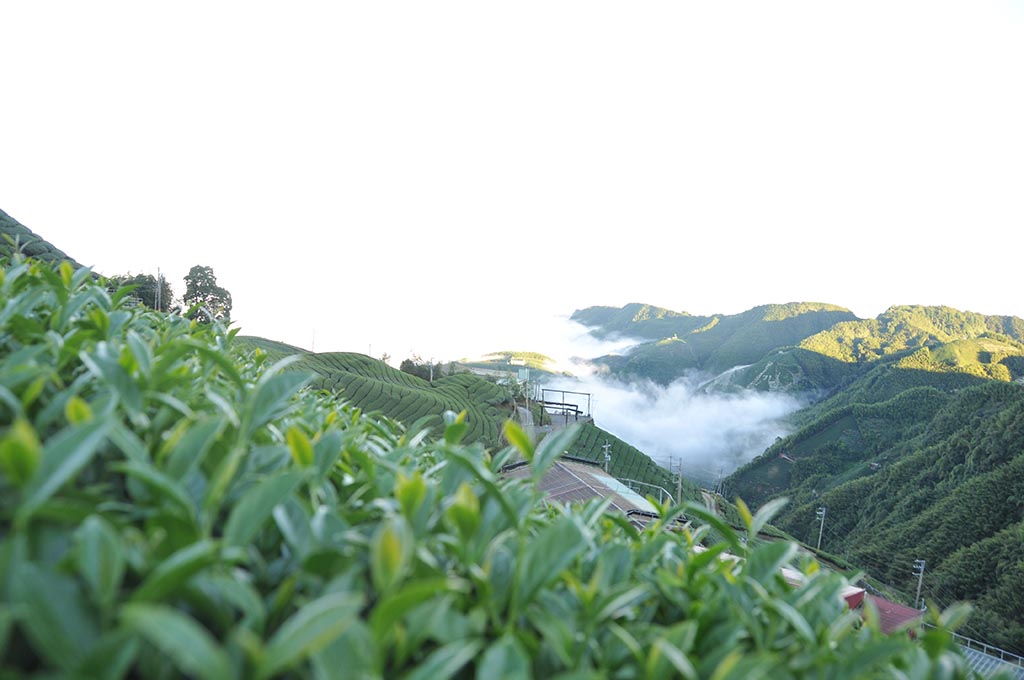
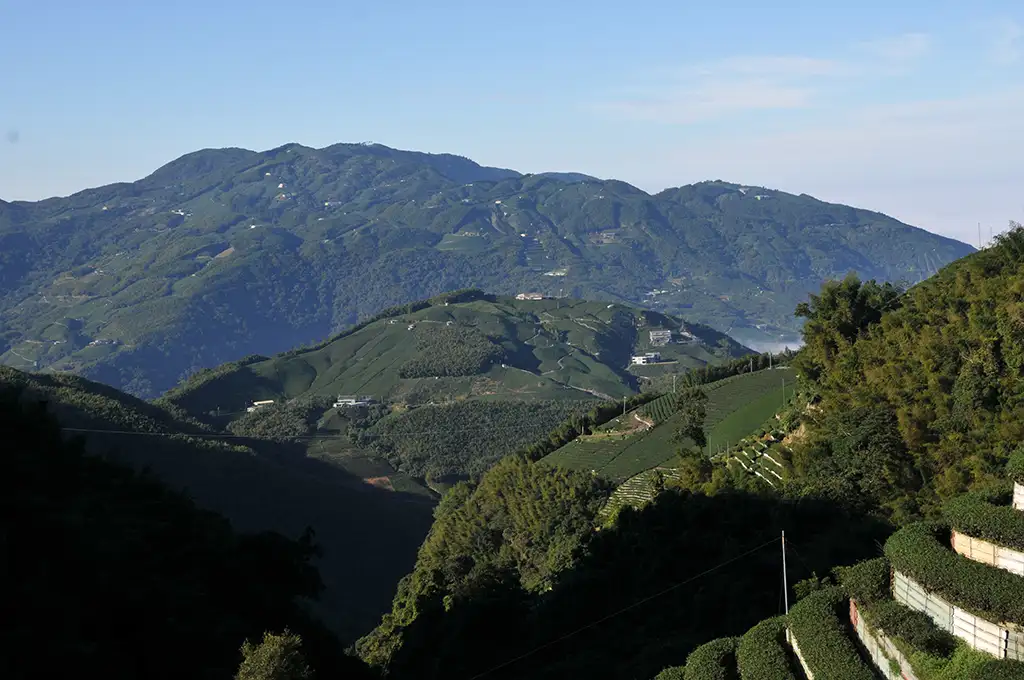
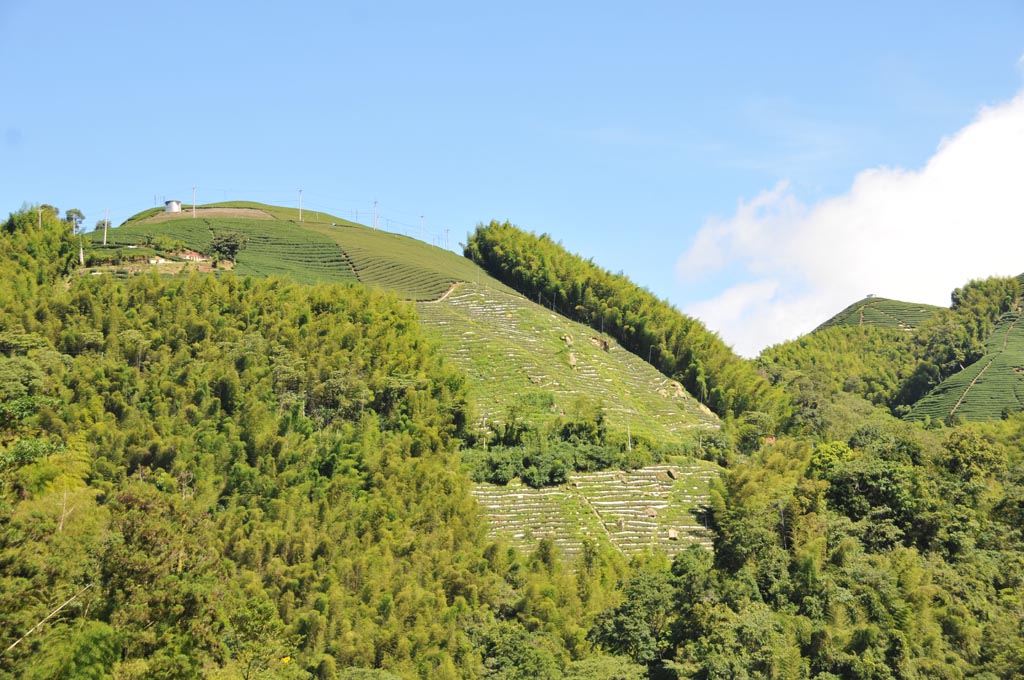
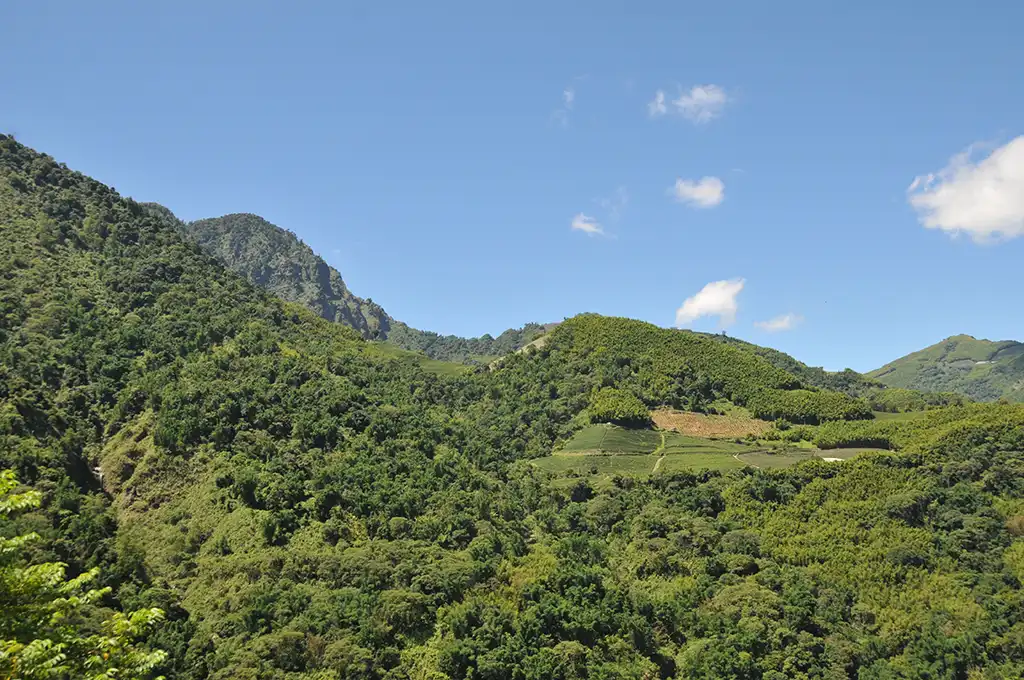
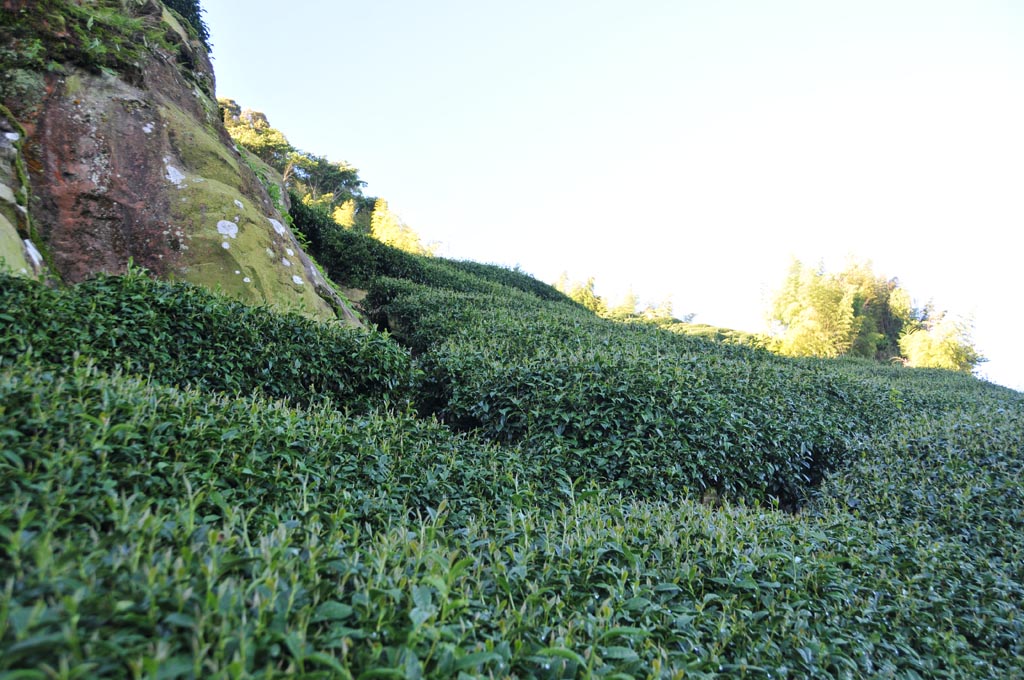
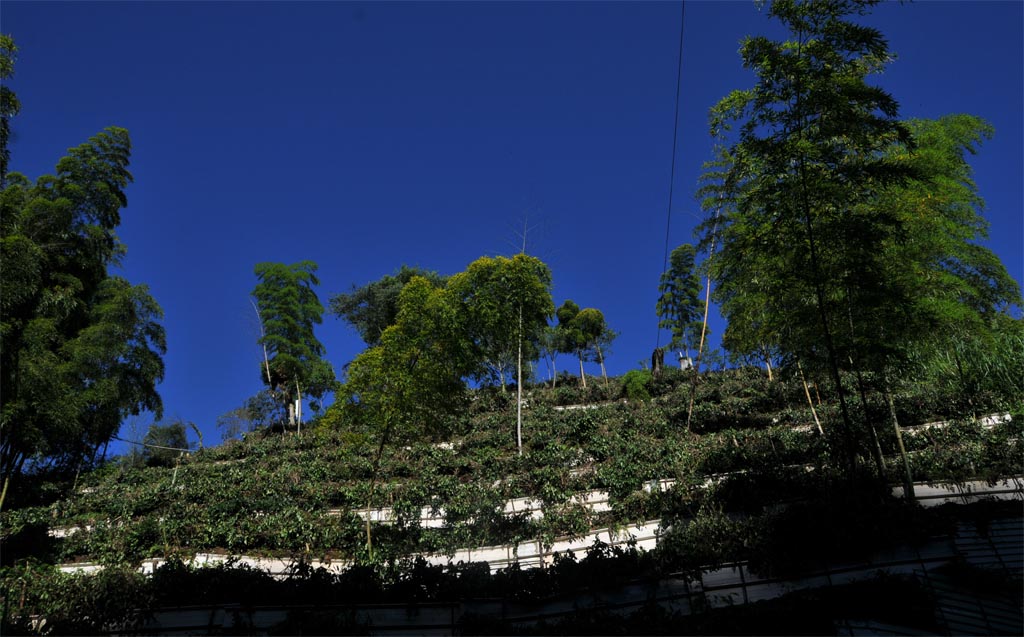
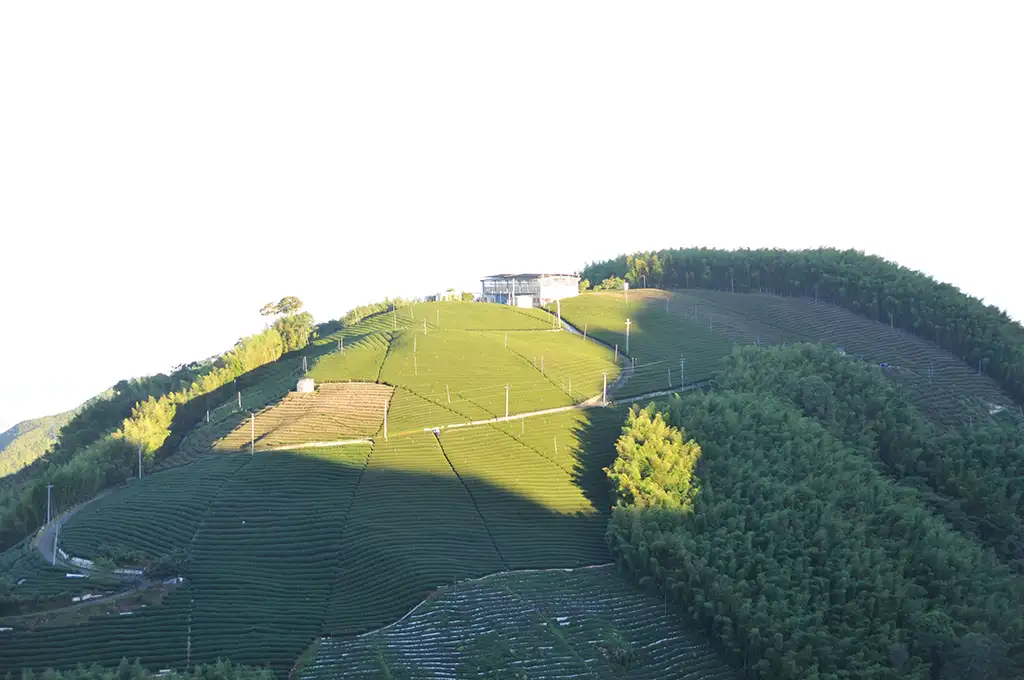
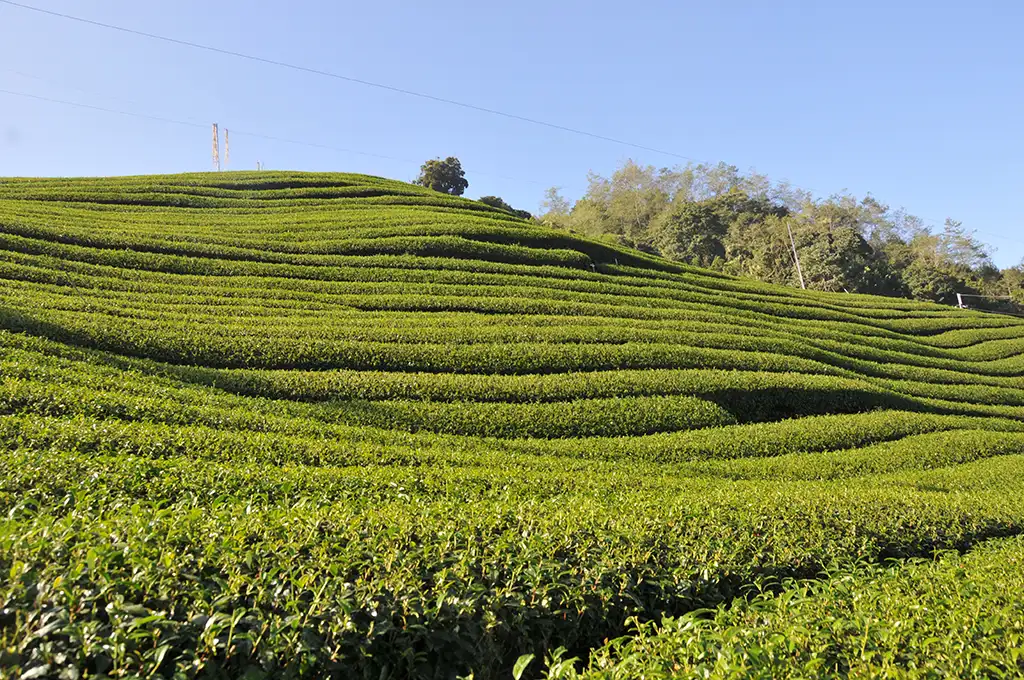
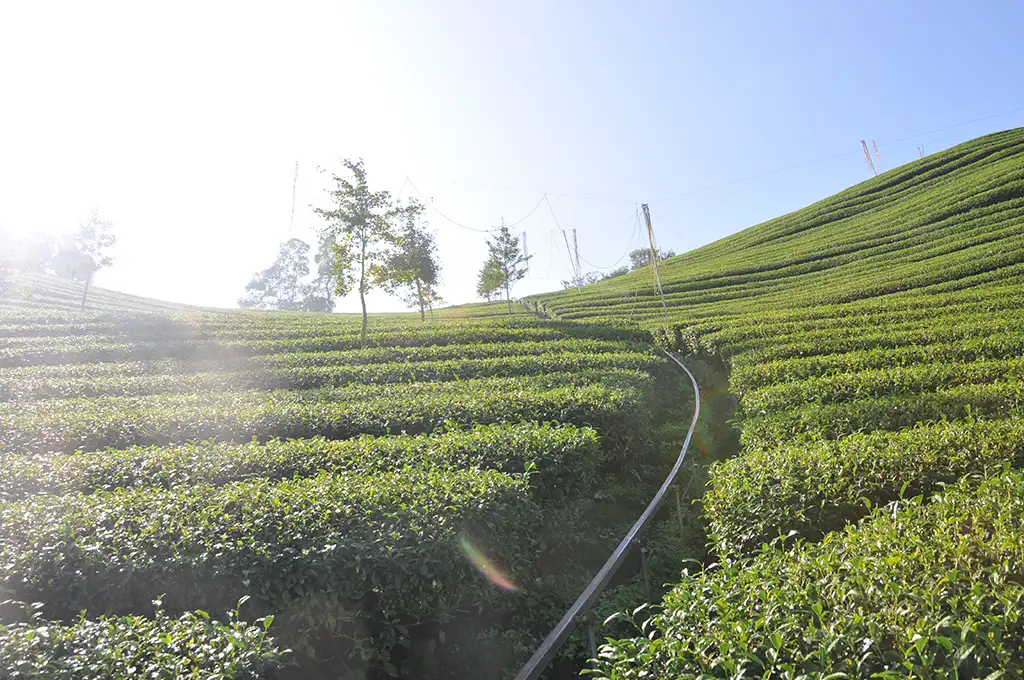
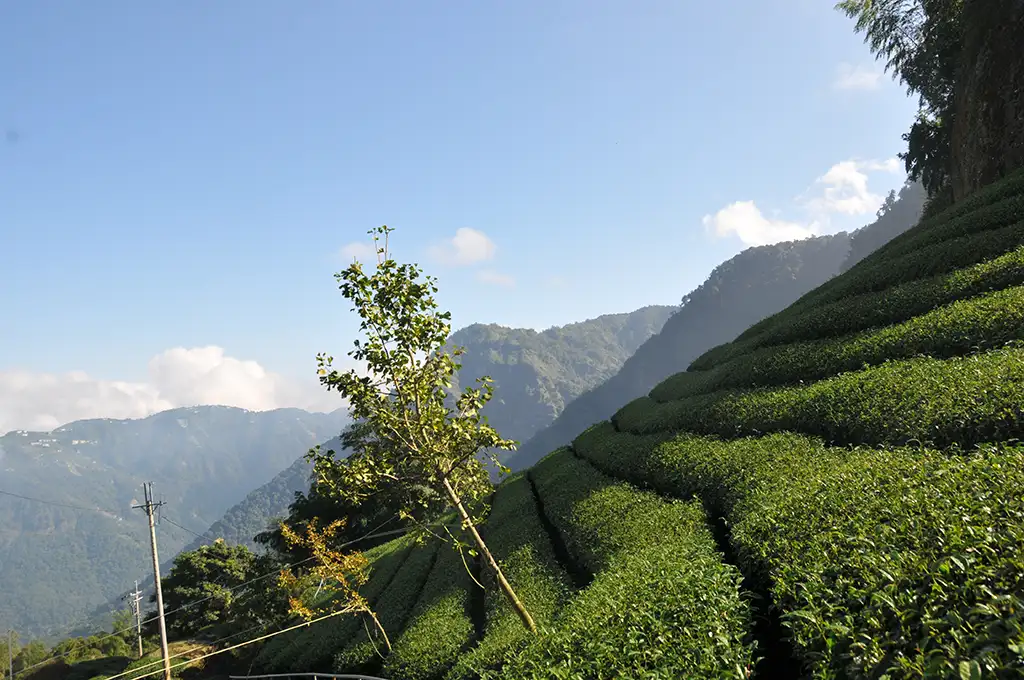
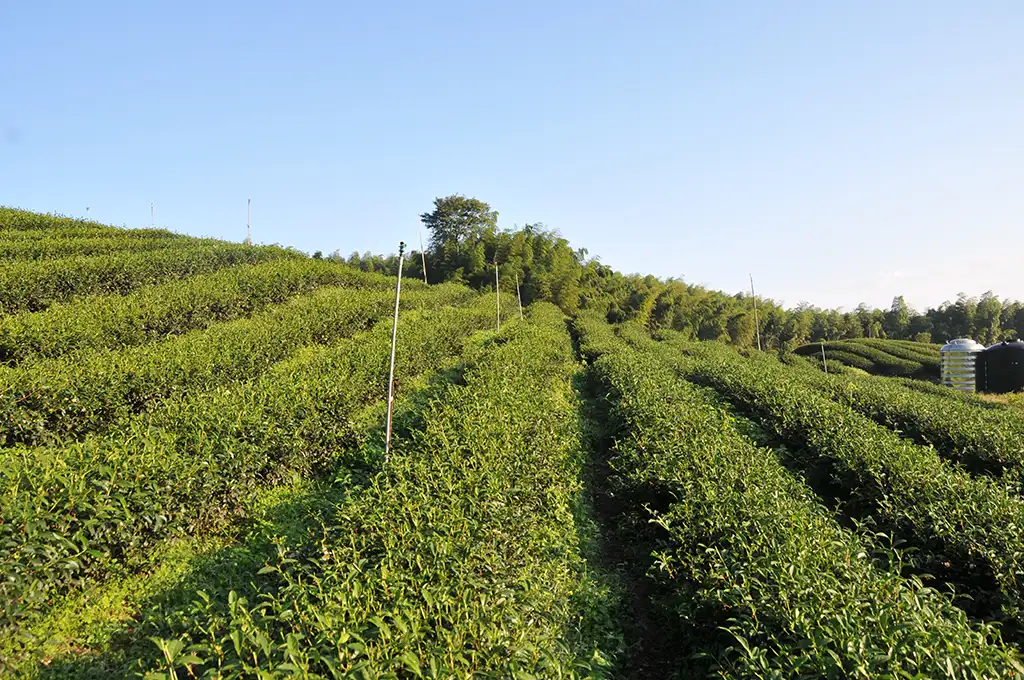
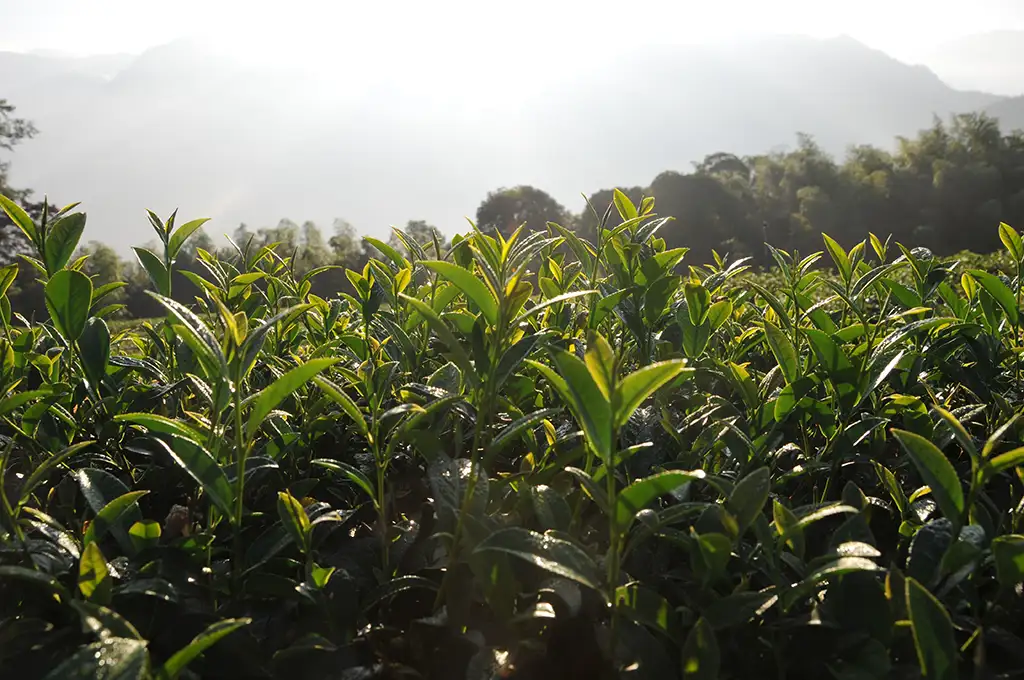
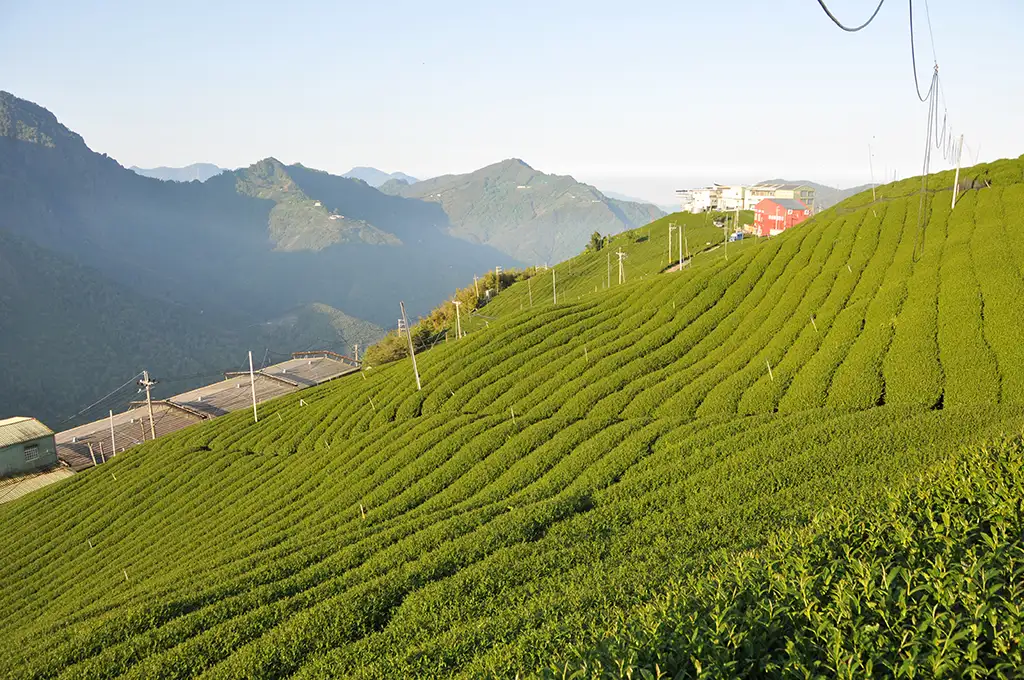
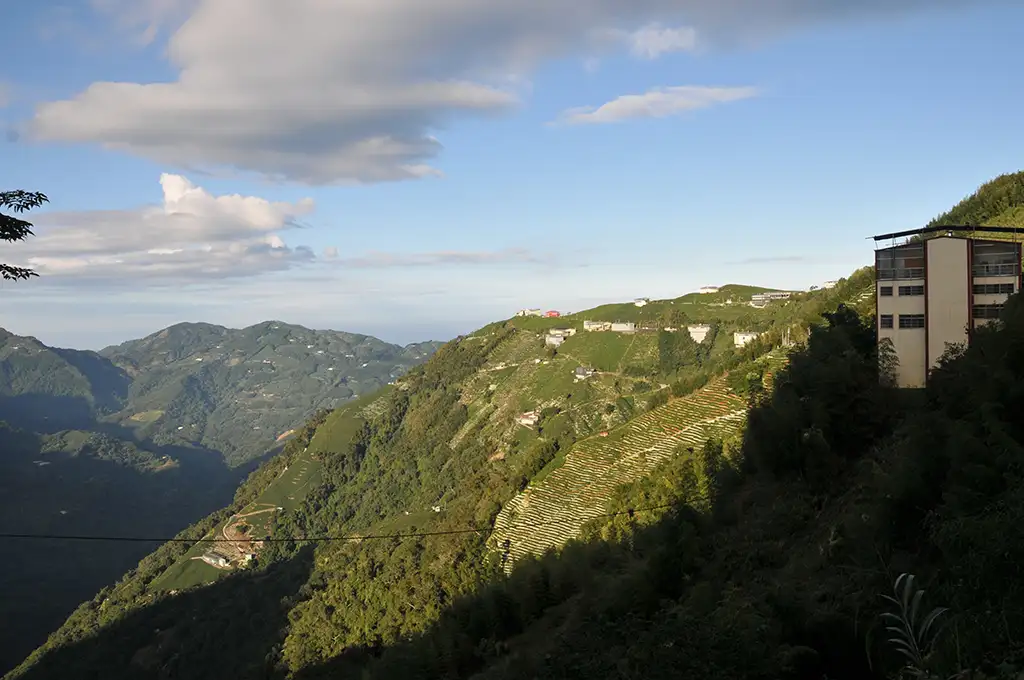
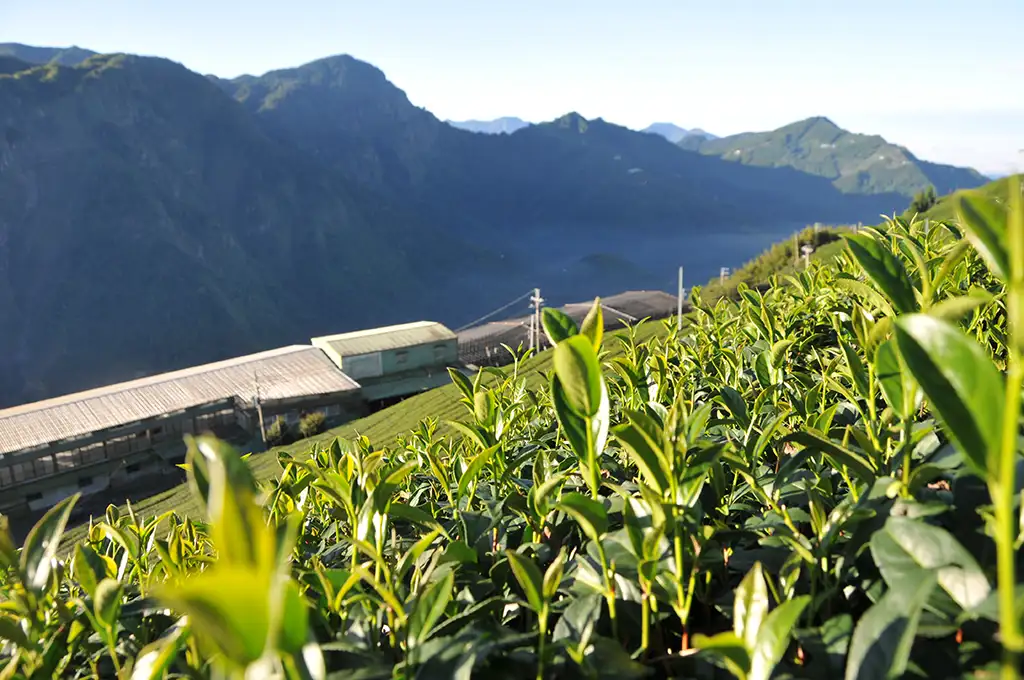
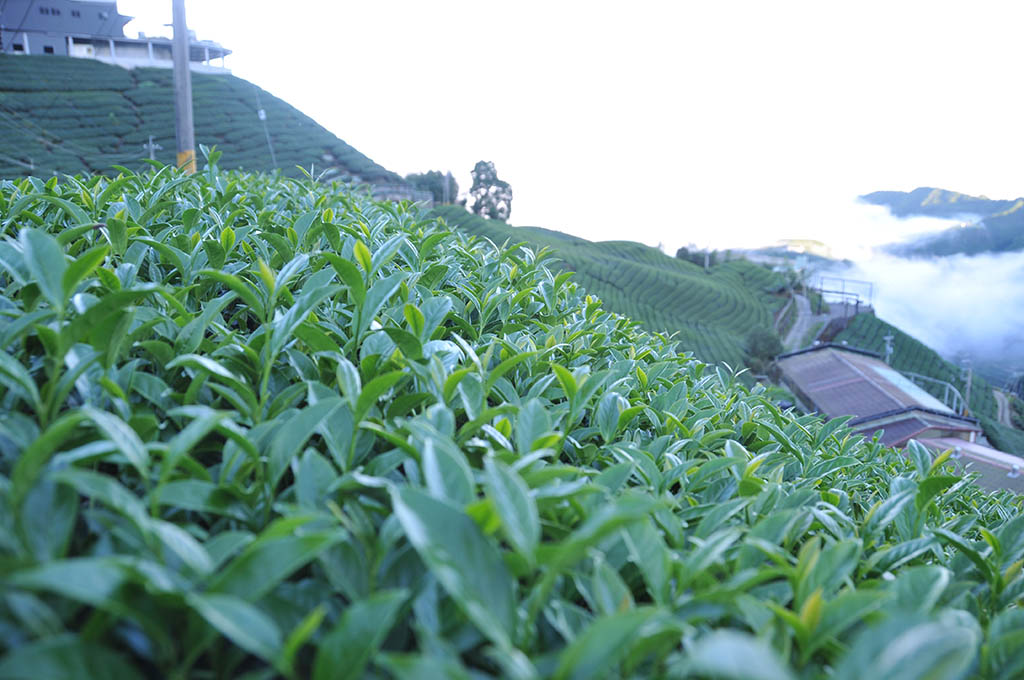
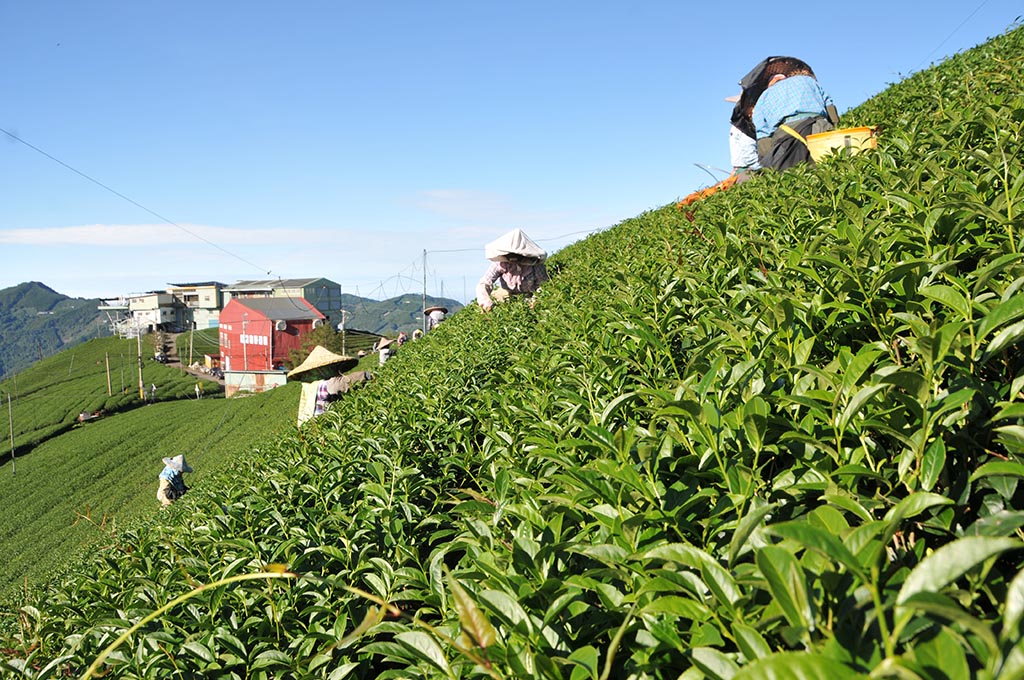
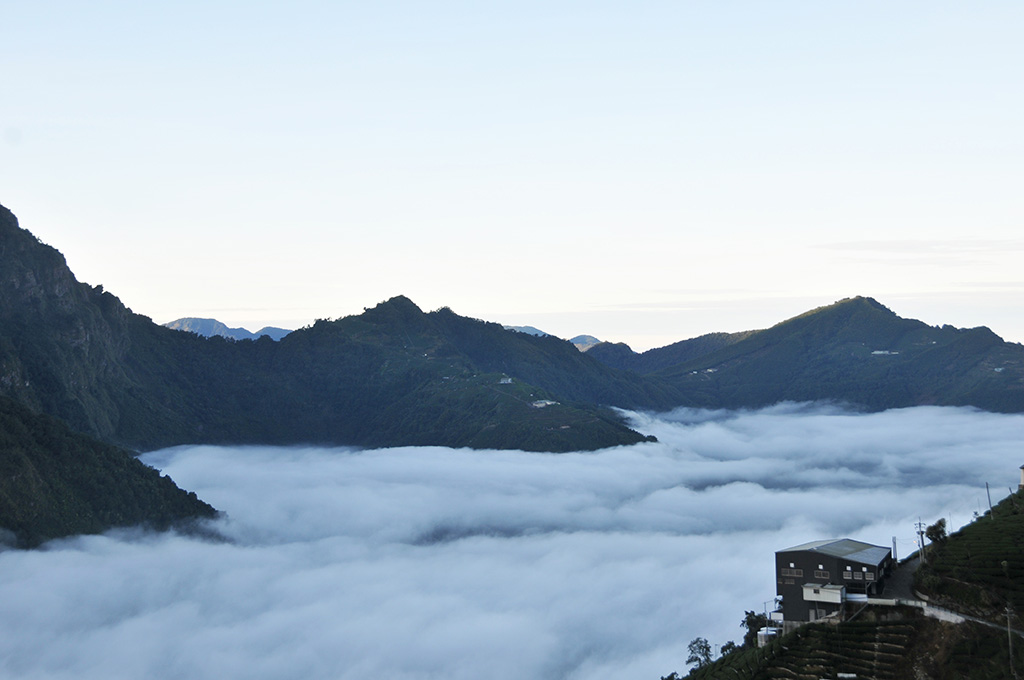
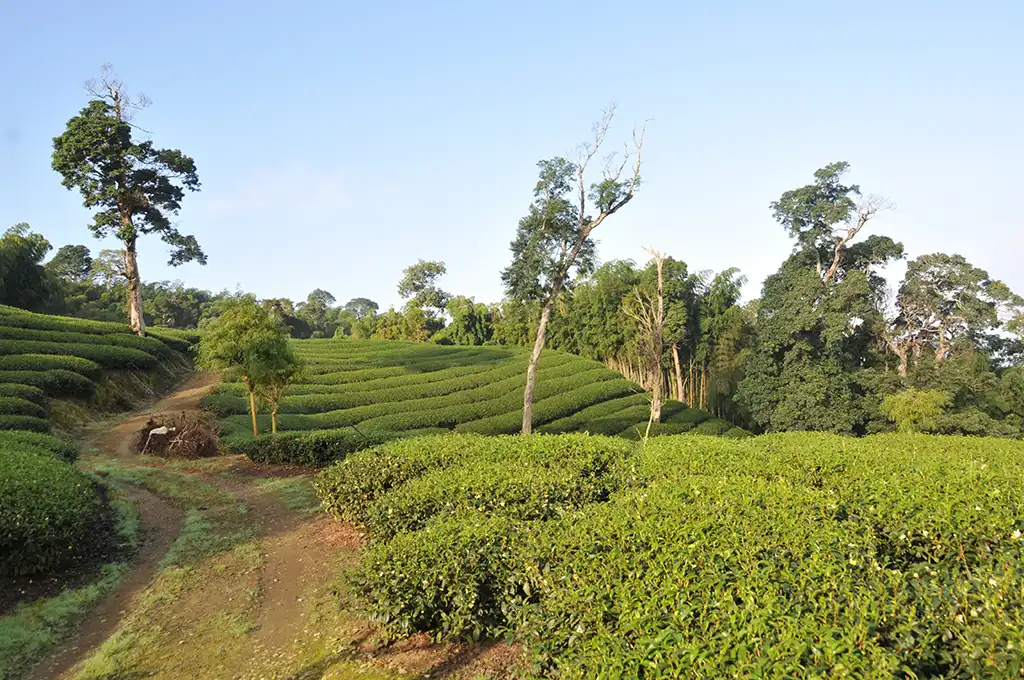
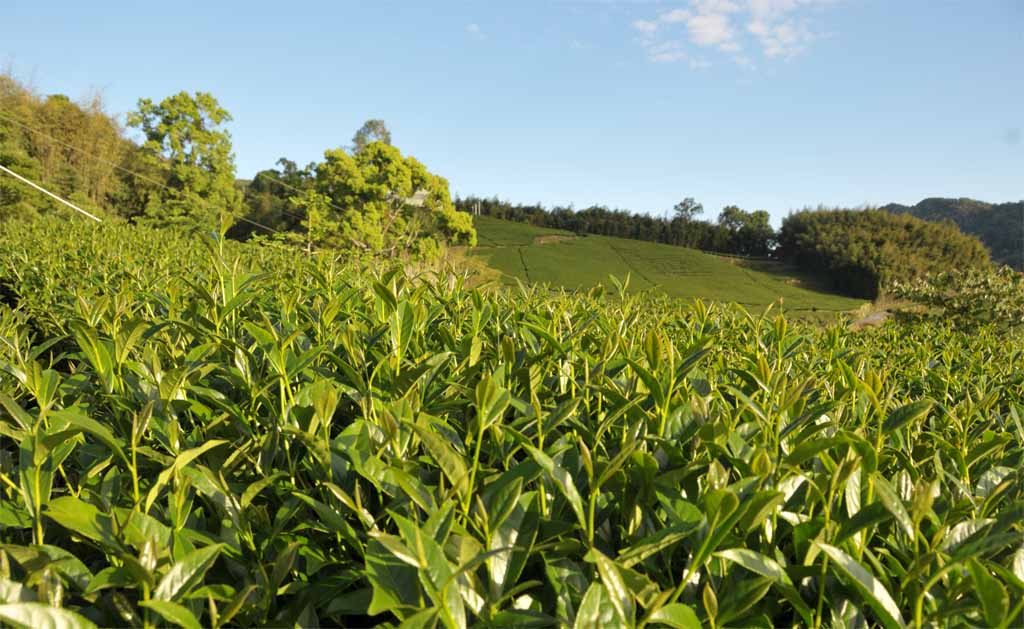
Photos of ShanLinXi Tea Gardens

ShanLinXi Tea Region Q&A

How do I get to the ShanLinXi tea region?

The ShanLinXi tea region is quite expansive. If you are heading to LongFengXia, use this Google Maps link. If you are heading to Fanzitian or Yangzaiwan (Ginkgo Forest), use this navigation point.

Where is the highest point in the ShanLinXi tea region?

That would be the Caodaizi tea garden next to the Forest of Impasse (Forget-Me-Not Valley), sitting at an elevation of 1,950 meters, right beside the ShanLinXi Nature Educational Area.

Which ShanLinXi tea region produces the best quality?

LongFengXia is generally considered the top. However, as a tea curator, I believe each area has its own strengths. When sourcing, weather conditions come first, followed by tea garden management—the specific region isn’t the sole determining factor.

Which tea is better: ShanLinXi, Lishan, or Alishan?

It’s hard to compare directly as it depends on harvesting weather and tea garden management. Lishan generally commands the highest prices and is the most popular.

Shopping Cart