
Author name: 廖長興茶業

Characteristics of Alishan tea

Characteristics of Alishan Tea: 4 Reasons You Can’t Miss It

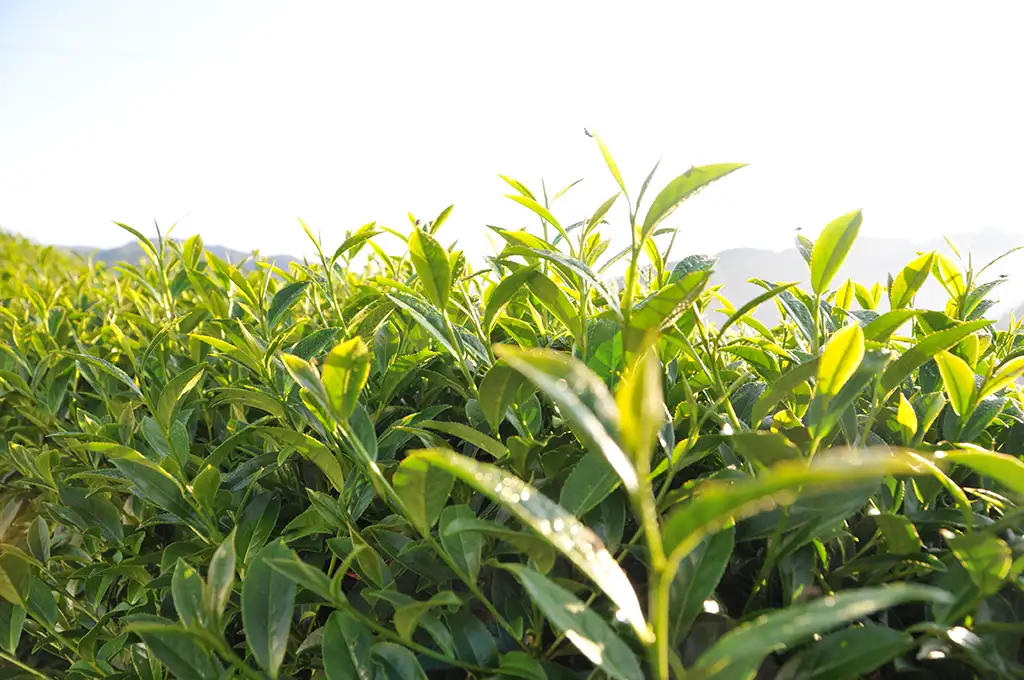
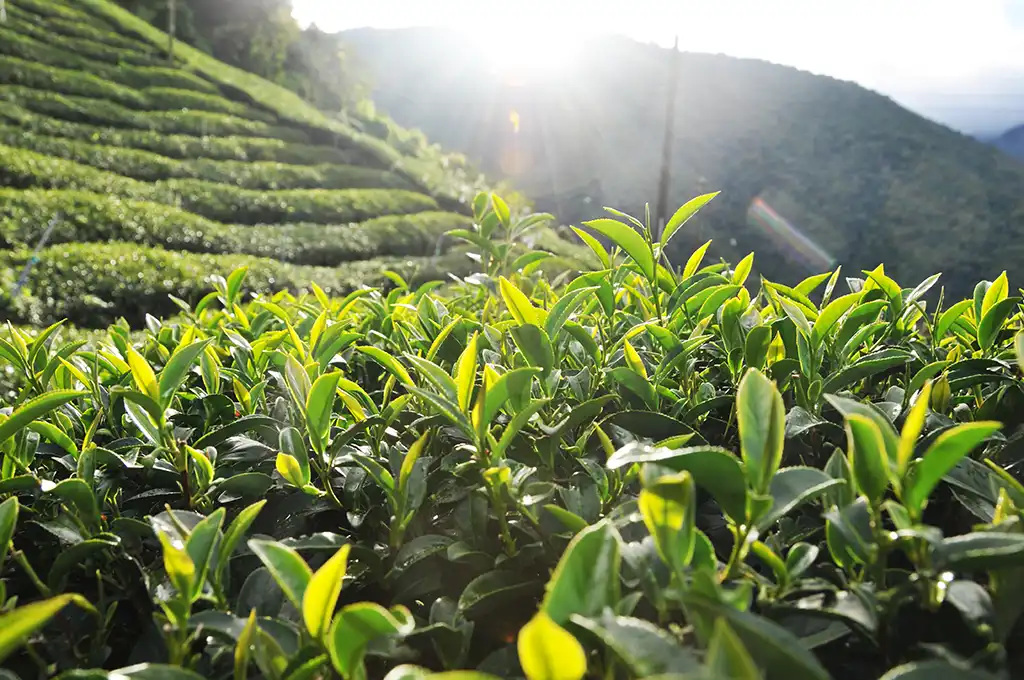
Alishan tea is a top-tier Taiwanese tea, renowned for its unique growing environment and specialized tea-making craftsmanship. Located in Chiayi County, Taiwan, Alishan features high-altitude mountains and abundant rainfall, providing exceptional growing conditions for the tea plants. As a result, Alishan tea leaves not only boast superior quality but also deliver distinct aromas and flavors
Characteristics of Taiwanese Tea

The art of making Taiwanese tea traces its roots back to Chinese tea traditions, when early settlers brought Fujian tea plants to Taiwan. Adapting to the local terrain, climate, and culture, they refined these plants to create uniquely Taiwanese teas. Today, alongside replicas of Tieguanyin, Longjing, and Biluochun, Taiwan has developed its own distinctive line

Taiwan Tea Export Volume

Taiwan’s tea export volume peaked in 1972, after which overseas markets gradually shrank due to rising domestic production costs. In recent years, driven by the popularity of Taiwan oolong tea, Pouchong tea, and high mountain tea, exports of premium Taiwanese tea have shown an upward trend. Among export destinations, Mainland China has seen the most

Types of Taiwanese Tea

Types of Taiwanese Tea: An Introduction to Taiwan’s Famous Teas

Taiwanese tea is primarily centered around partially fermented oolong tea, with Dongding Oolong and Wenshan Pouchong being particularly famous. In addition, Taiwan also produces various other tea categories such as green tea and black tea. Below is an introduction to Taiwan’s top ten famous teas, including: Wenshan Pouchong, Dongding Oolong, Oriental Beauty, Songbai Changqing, Muzha

Taiwan Tea Export Volume

According to customs import and export statistics compiled by the Taiwan Tea Manufacturers Association, Taiwan’s tea export volume reached 3,145 tonnes in 2012. Benefiting from tariff-free status for Taiwanese tea exported to Mainland China, Mainland China became the largest export market with 556 tonnes. The United States followed in second place at approximately 64.6 tonnes,

Where Do the 20,000 Tons of Imported Vietnamese Tea Go Every Year?

Vietnam is the largest source of imported tea in Taiwan, with annual import volumes reaching as high as 21,000 tons—even surpassing Taiwan’s own domestic tea production (according to 2012 statistics from the Taiwan Tea Manufacturers’ Association). Given this massive volume, where do all these imported Vietnamese teas actually go? And why do we never see

Cloth-Wrapping and Rolling Tea Leaves

Cloth-wrapping and rolling is one of the essential steps in making semi-spherical Pouchong tea (commonly known as oolong tea). The goal is to shape the tea leaves into a semi-spherical form, which not only looks appealing but also makes the tea easier to store and transport. This easy-to-transport and store semi-spherical shape is a major

The Tea Harvesting Process

Tea leaf harvesting is the most crucial step in tea production. The weather, timing, and growth condition of the tea leaves (cha-jing) during harvest play a vital role in tea making. Harvesting determines the quality of the raw leaves, which accounts for over 70% of the final tea quality. Weather is the first consideration when

Tea Withering Process

Once tea leaves are harvested, they immediately enter the withering stage. The main purpose of withering is to reduce moisture, encourage fermentation, and trigger chemical changes in the leaves that enhance their aroma and flavor. The withering process is divided into outdoor (solar) withering and indoor withering. Outdoor Withering: The freshly harvested tea leaves are

Taiwan Tea Import Volume

In recent years, Taiwan’s tea import volume has increased year by year, growing from 18,513 metric tons in 2003 and 25,050 in 2007 to 29,917 metric tons in 2012. Compared to domestic tea, imported tea exceeds local production by 12,415 metric tons. After deducting Taiwan’s tea export volume, imported tea accounts for approximately double the

Tea Fixation (Kill-Green)

After withering and fermentation, tea leaves undergo the fixation process (also known as “kill-green” or pan-firing). The purpose of this step is to use high heat to halt the fermentation process. In addition to stopping fermentation, it also eliminates the grassy odor of the tea leaves, breaks down the stems and leaves, and makes the

Tea Rolling

After the kill-green (fixation) process halts fermentation, the next crucial step in tea making is rolling. Tea rolling is extremely important; its primary function is to break down the tea leaves, allowing the juices inside to coat the surface, while shaping the leaves into a tight, twisted form that prepares them for the subsequent cloth-ball

The Tea Fermentation Process

Tea fermentation broadly refers to the oxidation of catechins, which drives the oxidative cleavage of unsaturated fatty acids and amino acids, creating the aroma and sweetness of tea leaves. The tea fermentation process begins right after harvesting. However, because freshly harvested tea leaves contain too much moisture, tea makers first perform outdoor sun withering, followed

Taiwanese Tea Fermentation and Roasting Levels

Tea leaves are categorized by their degree of fermentation into non-fermented, semi-fermented, fully fermented, and post-fermented teas, and by their roasting level into light-roast (raw), medium-roast, and heavy-roast (cooked) teas. Taiwanese tea is primarily semi-fermented, with small amounts of black and green teas also produced. Below are the fermentation and roasting levels of common Taiwanese

The Cost of Hand-Picked Taiwanese Tea

Tea production costs include land, management, harvesting, processing, and sales. It’s common to see tea marketed as hand-picked Taiwanese tea selling for NT$500 to NT$600 per 600 g on the market, but looking at the actual production costs, that doesn’t really add up. Today, we’ll start by breaking down the harvesting costs so consumers can

Shopping Cart