
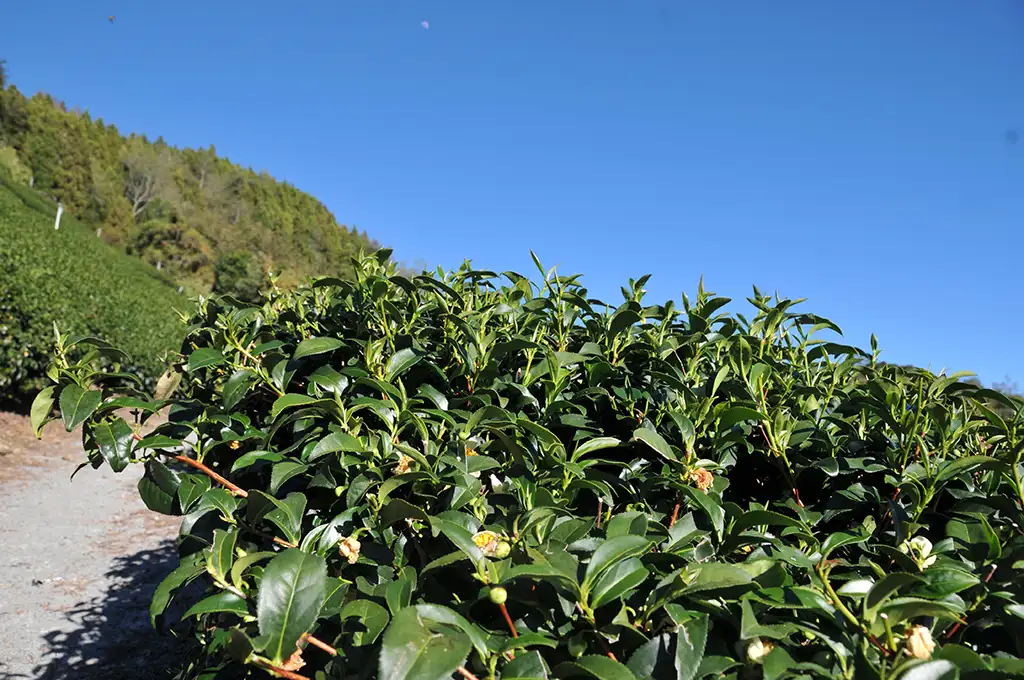
Introduction to Taiwan Tea

Winter Sprout Oolong

What is Winter Sprout Oolong? Discovering This Unique Cold-Weather Tea

What is Winter Sprout Oolong? It is a rare and uniquely textured tea. Taiwanese tea is typically harvested four times a year: spring, summer, autumn, and winter. Normally, after the winter harvest, the tea bushes enter a dormant period until they sprout again in spring. However, due to warm winters, they sometimes experience a second
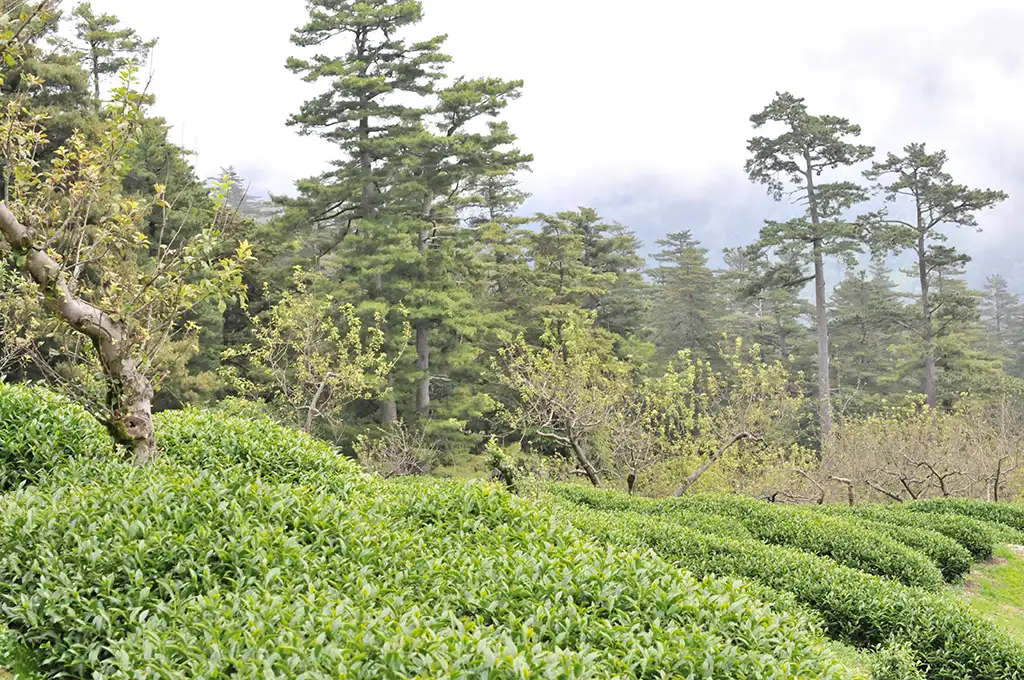
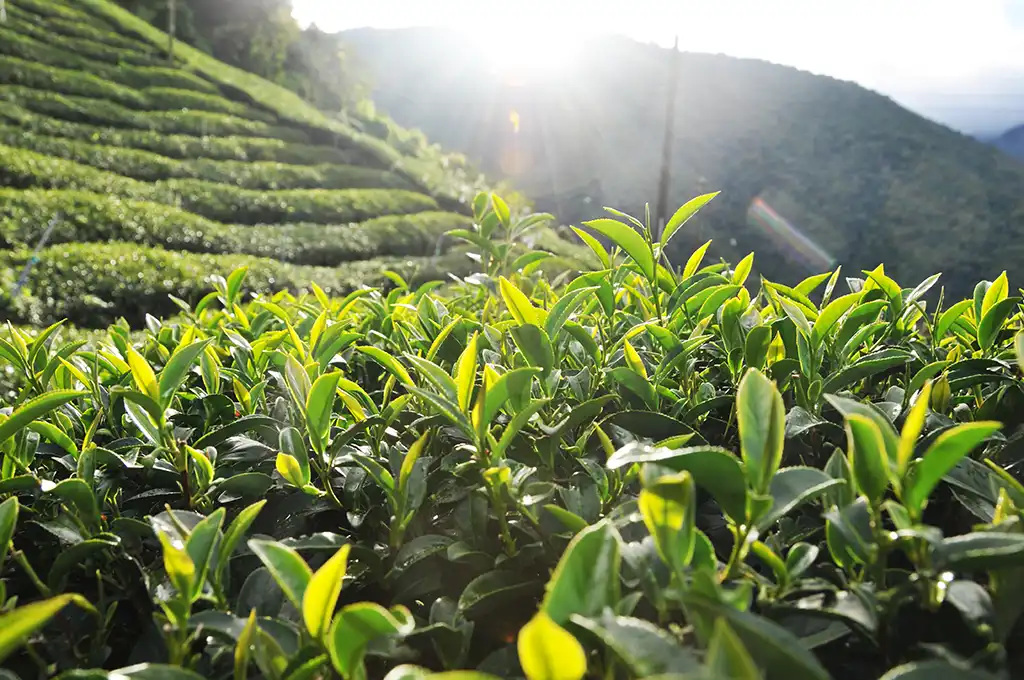
Introduction to Charcoal Roasted Oolong Tea

Winter Sprout Oolong is a rare and uniquely textured tea. In Taiwan, tea is generally harvested four times a year: spring, summer, autumn, and winter. After the winter harvest, the tea bushes enter a dormant period. However, due to warmer winters, they sometimes flush once more before the winter solstice—this is what we call Winter Sprout Oolong.

Dayuling Tea Region

Dayuling Tea Region: High-Mountain Tea at Up to 2,400 Meters

Located in Ren’ai Township, Nantou County, Taiwan, the traditional Dayuling tea region spans tea gardens situated between the 100 km and 105.5 km markers of the Central Cross-Island Highway. In the past, elevations reached as high as 2,650 meters, making it Taiwan’s highest tea-producing region. However, following large-scale clearings of tea plantations in 2015, the

What is a Reasonable Price for Dayuling Tea?

[Netizen Question]: I bought Dayuling tea at a tea shop for NT$8,000 per 600 g, but home shopping channels sell less than 1.8 kg (3 jin) for NT$4,000. Did I overpay? What is a reasonable price per 600 g? Dayuling Tea Price: What is a Reasonable Market Price? For Dayuling tea priced at NT$8,000, it

Types of Taiwanese Tea

Types of Taiwanese Tea: An Introduction to Taiwan’s Famous Teas

Taiwanese tea is primarily centered around partially fermented oolong tea, with Dongding Oolong and Wenshan Pouchong being particularly famous. In addition, Taiwan also produces various other tea categories such as green tea and black tea. Below is an introduction to Taiwan’s top ten famous teas, including: Wenshan Pouchong, Dongding Oolong, Oriental Beauty, Songbai Changqing, Muzha

The Tea Harvesting Process

Tea leaf harvesting is the most crucial step in tea production. The weather, timing, and growth condition of the tea leaves (cha-jing) during harvest play a vital role in tea making. Harvesting determines the quality of the raw leaves, which accounts for over 70% of the final tea quality. Weather is the first consideration when

Cloth-Wrapping and Rolling Tea Leaves

Cloth-wrapping and rolling is one of the essential steps in making semi-spherical Pouchong tea (commonly known as oolong tea). The goal is to shape the tea leaves into a semi-spherical form, which not only looks appealing but also makes the tea easier to store and transport. This easy-to-transport and store semi-spherical shape is a major

Tea Withering Process

Once tea leaves are harvested, they immediately enter the withering stage. The main purpose of withering is to reduce moisture, encourage fermentation, and trigger chemical changes in the leaves that enhance their aroma and flavor. The withering process is divided into outdoor (solar) withering and indoor withering. Outdoor Withering: The freshly harvested tea leaves are

Tea Fixation (Kill-Green)

After withering and fermentation, tea leaves undergo the fixation process (also known as “kill-green” or pan-firing). The purpose of this step is to use high heat to halt the fermentation process. In addition to stopping fermentation, it also eliminates the grassy odor of the tea leaves, breaks down the stems and leaves, and makes the

Tea Rolling

After the kill-green (fixation) process halts fermentation, the next crucial step in tea making is rolling. Tea rolling is extremely important; its primary function is to break down the tea leaves, allowing the juices inside to coat the surface, while shaping the leaves into a tight, twisted form that prepares them for the subsequent cloth-ball

The Tea Fermentation Process

Tea fermentation broadly refers to the oxidation of catechins, which drives the oxidative cleavage of unsaturated fatty acids and amino acids, creating the aroma and sweetness of tea leaves. The tea fermentation process begins right after harvesting. However, because freshly harvested tea leaves contain too much moisture, tea makers first perform outdoor sun withering, followed

Taiwanese Tea Fermentation and Roasting Levels

Tea leaves are categorized by their degree of fermentation into non-fermented, semi-fermented, fully fermented, and post-fermented teas, and by their roasting level into light-roast (raw), medium-roast, and heavy-roast (cooked) teas. Taiwanese tea is primarily semi-fermented, with small amounts of black and green teas also produced. Below are the fermentation and roasting levels of common Taiwanese

The Cost of Hand-Picked Taiwanese Tea

Tea production costs include land, management, harvesting, processing, and sales. It’s common to see tea marketed as hand-picked Taiwanese tea selling for NT$500 to NT$600 per 600 g on the market, but looking at the actual production costs, that doesn’t really add up. Today, we’ll start by breaking down the harvesting costs so consumers can

Tea Roasting and Firing

Once raw tea leaves are processed into semi-finished loose-leaf tea, an additional step known as tea roasting is sometimes applied to improve storage longevity and enhance flavor. The principle behind tea roasting is using heat to induce chemical changes in the leaves, reducing moisture and grassy notes while transforming the overall flavor profile. Depending on

Types and Origins of Taiwanese Black Tea

There are two main types of Taiwanese black tea: Honey Black Tea and SunMoon Lake Black Tea. Honey Black Tea is grown in Hualien, New Taipei City, and Nantou, while SunMoon Lake Black Tea is produced around the SunMoon Lake area in Nantou. The tea cultivars used include Qingxin Oolong and TTES No. 12 JinXuan

Shopping Cart