
How to get rid of astringency in tea? To put it simply from the shop manager’s perspective, “choosing the right tea is far more practical.” Every tea has some level of astringency; it’s just a matter of degree. The manager has tried many ways to solve tea astringency, such as using lower water temperatures, using less tea leaves, avoiding boiling the tea, and not steeping it for too long. While these methods are effective, they also tend to make the tea tasteless. The manager suggests that if you really dislike astringency, you should simply buy low-astringency teas like high mountain tea or Pouchong tea.
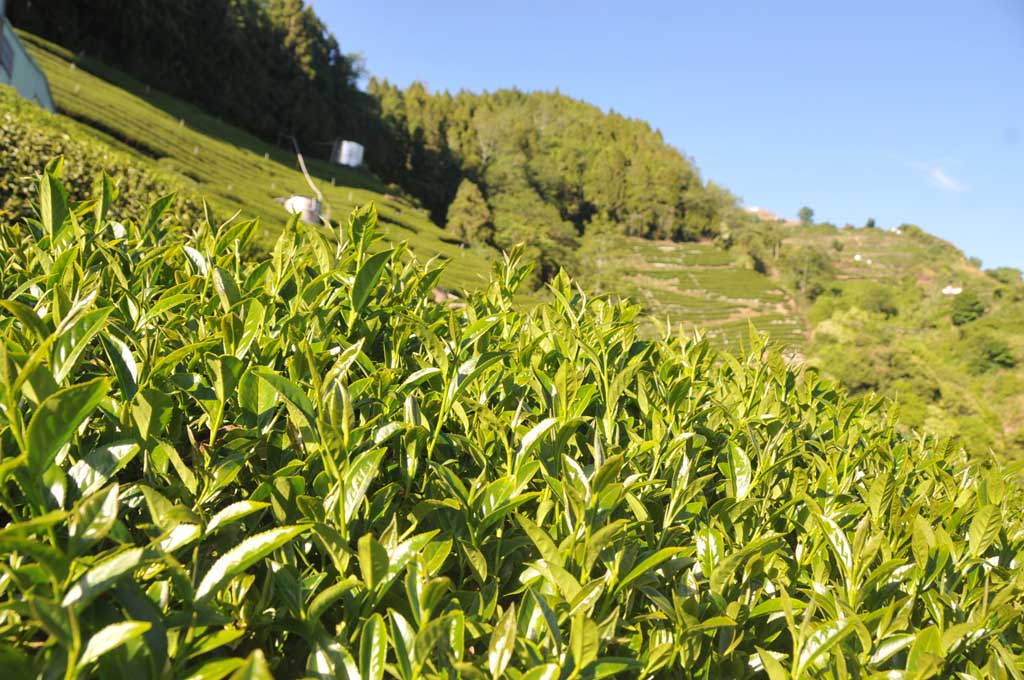
Want to drink Oolong tea? Which types have low astringency?
The withering and moisture-removal process in Taiwan Oolong tea can significantly reduce its astringency, though it isn’t always successful every time. Aside from the tea maker’s skill, it also depends on the quality of the tea leaves and weather conditions. Based on the manager’s experience: winter teas have the lowest astringency, followed by autumn and spring teas, while summer teas are the most astringent. Qingxin Oolong tea trees have lower astringency than TTES No. 12 (Taiwan Tea No. 12), Qingxin Damo, and Sijichun (Four Seasons Spring). High mountain teas also have lower astringency than lowland teas.
Bringing all of this together, high mountain tea / Qingxin Oolong / winter tea make for great choices if you want to avoid bitterness.
Because green tea is unfermented, it has the highest catechin content and the most noticeable astringency. It is not recommended for those who dislike astringent teas.