Have you ever heard of “Frost Snow Tea” (霜雪茶), “Frost Descent Tea” (霜降茶), or “Snowflake Tea” (雪片茶), but aren’t quite sure what kind of tea they actually are? They sound like tea leaves harvested right in the middle of the snow. Today, let’s dive into what these teas really are.
What Are Frost Snow Tea, Frost Descent Tea, and Snowflake Tea?
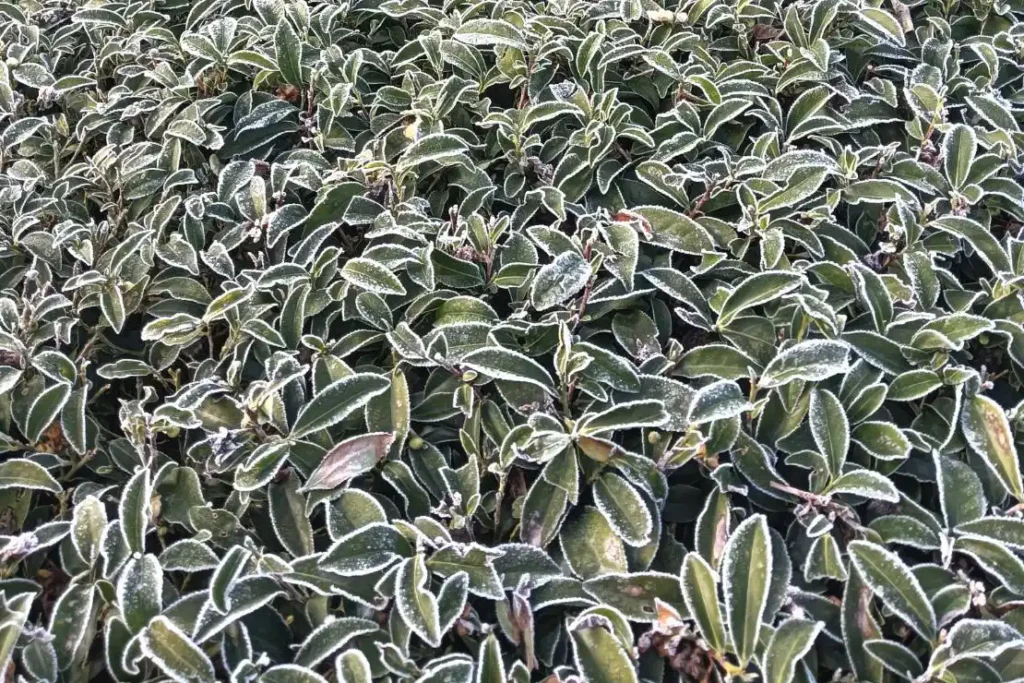
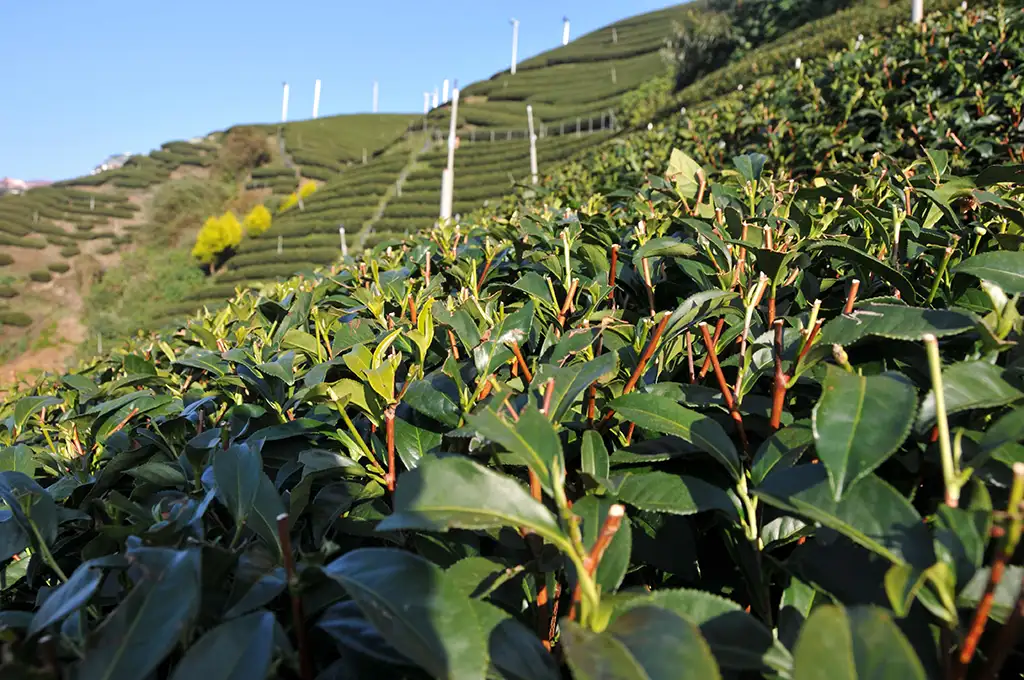
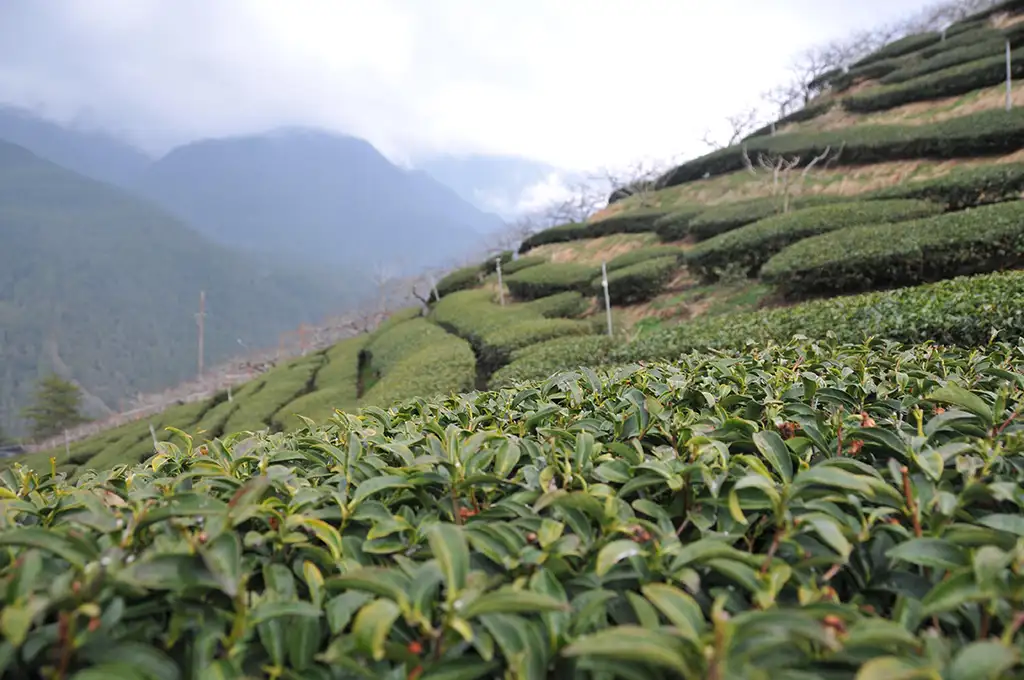
When tea merchants talk about frost tea, frost-descent tea, or snow flake tea, they are referring to tea leaves harvested from high-mountain tea gardens at elevations above 1,500 meters after experiencing frost and snow. In reality, this type of tea is actually “Winter Sprout Oolong“, and many merchants also market it under another name, “Golden Oolong Tea“.
Frost tea, frost-descent tea, and snow flake tea are mainly harvested in December or January and are typically crafted into lightly fermented oolongs. Because of the low temperatures during harvest, these teas boast a golden liquor, low bitterness and astringency, and delightful floral and herbal aromas.
The Drawbacks of Frost Tea, Frost-Descent Tea, and Snow Flake Tea
While these teas sound precious and unique, they also come with major drawbacks. Due to the chilly high-mountain environment, once temperatures drop after November in tea gardens above 1,500 meters, it becomes difficult for the tea shoots to grow. Even if they manage to sprout, exposure to low temperatures causes them to age rapidly. While aged shoots can yield a unique floral and herbal fragrance, they also result in a weak flavor, poor staying power across infusions, and a lack of substance.

High-mountain Oolong tea that genuinely manages to combine substance with fragrance only emerges during a “warm winter.” If the high mountains can maintain temperatures above 18°C in December or January and are harvested during just the right moderate drop in temperature, it is possible to achieve both aroma and tea character. However, such conditions are extremely rare, which is why the quality of most frost tea, frost-descent tea, and snow flake tea is often underwhelming.
To put it bluntly, frost tea, frost-descent tea, and snow flake tea are simply Winter Sprout Oolong. While they certainly feature a fresh floral and herbal aroma, winter is not an ideal season for tea trees to grow. Consequently, truly good high-mountain Winter Sprout Oolongs harvested in December and January are hard to come by. Most tea leaves lack body due to aging, offering plenty of aroma but very little flavor. If tea lovers really want to give them a try, we strongly recommend tasting them before making a purchase.
Note: “Frost-descent tea” can also refer to tea harvested around Frost’s Descent (around October 23), one of the 24 solar terms. This version of frost-descent tea is generally considered a type of autumn tea.