Common Taiwan Tea Plant Varieties

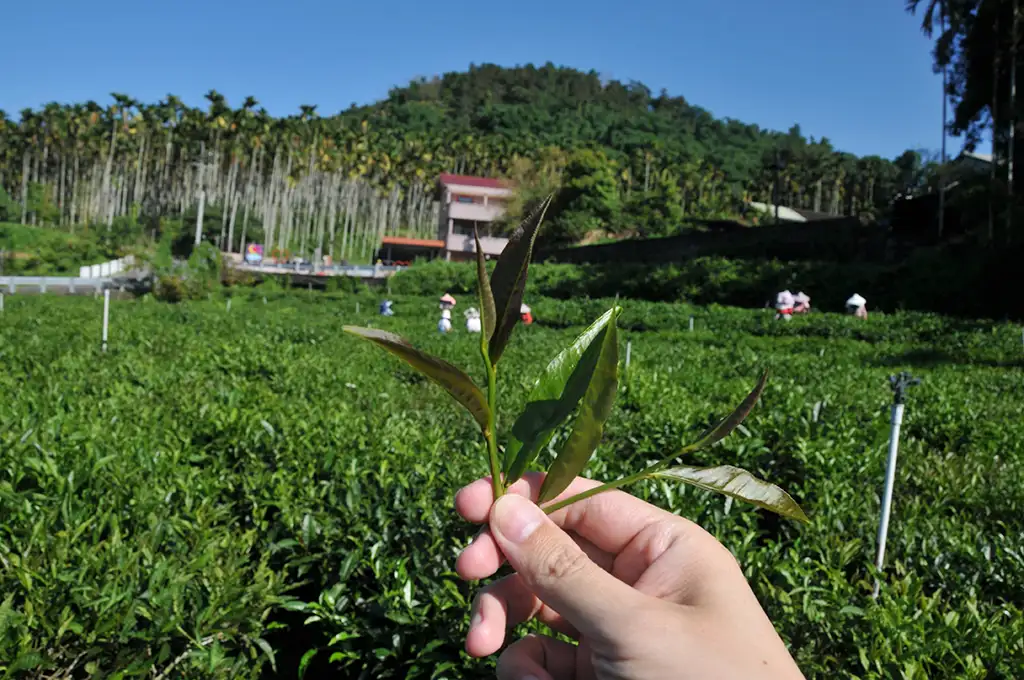
Common tea plant varieties in Taiwan can be roughly divided into three main categories: native indigenous varieties (i.e., Taiwan wild mountain tea), introduced varieties (such as Foshou and Tieguanyin from China, and Assam from Sri Lanka), and developed hybrid varieties (such as JinXuan, CuiYu, SiJiChun, and YingXiang bred locally in Taiwan).

Common Taiwanese tea varieties (click images for detailed descriptions)

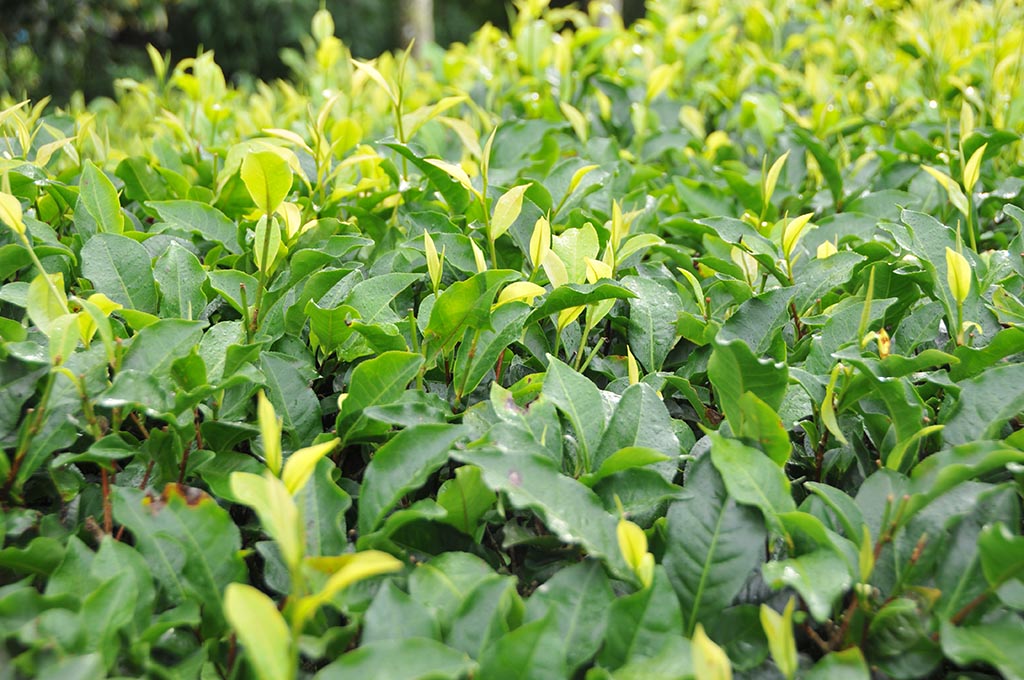
The tea variety with the longest cultivation history and widest distribution in Taiwan, found everywhere from the south to the north, and from lowlands to high mountains. It is also the tea variety with the highest yield and greatest economic value.

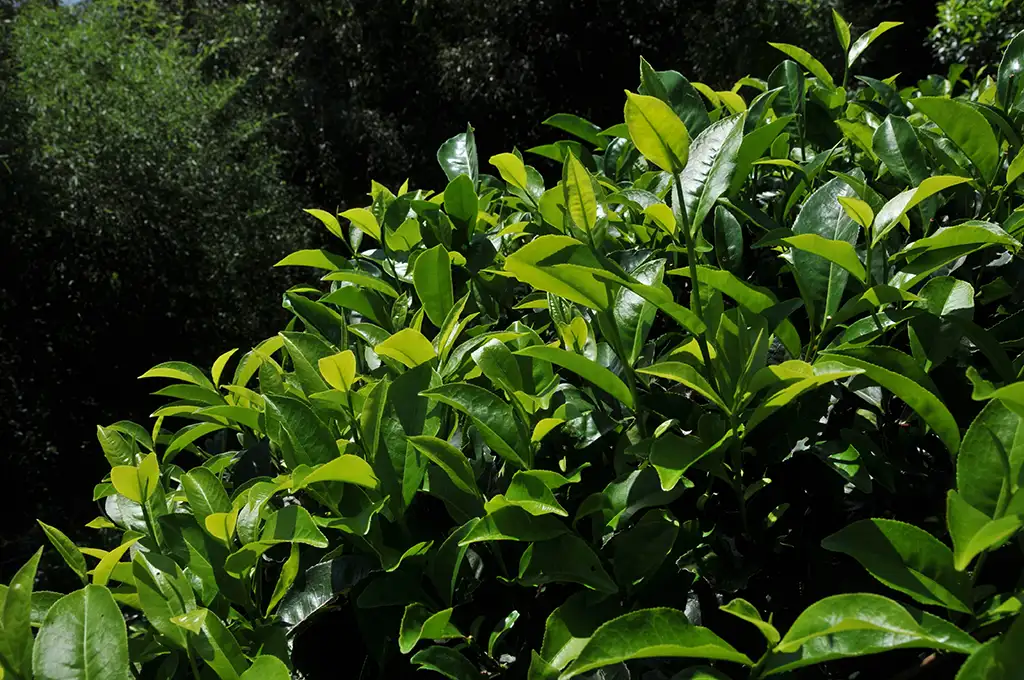
JinXuan tea is a tea plant variety bred by the Taiwan Tea Research and Extension Station, renowned for its fresh floral notes and rich milky aroma. It is the second most widely cultivated tea variety in Taiwan.

Originally produced mainly in Anxi County, Fujian Province, its excellent quality allowed it to quickly spread across China and even as far as Taiwan and Southeast Asia.

Discovered by tea farmer Zhang Wen-hui in Muzha. Because it can be harvested many times a year, it was originally named “LiuJiXiang” (Six Seasons Fragrance) by Zhang. As it spread to tea regions in central and southern Taiwan, tea farmers named it “SiJiChun” (Four Seasons Spring) due to its vigorous growth all year round like spring.

A new tea plant variety developed by the Taiwan Tea Research and Extension Station and named in 2004. It is a small-leaf, medium-maturing tea variety. Its young buds appear bright green with a slight purple tint before turning bright green, and the mature leaves are narrow and long. It has weak resistance to pests and diseases, medium-to-good drought tolerance, and medium-to-high yields.

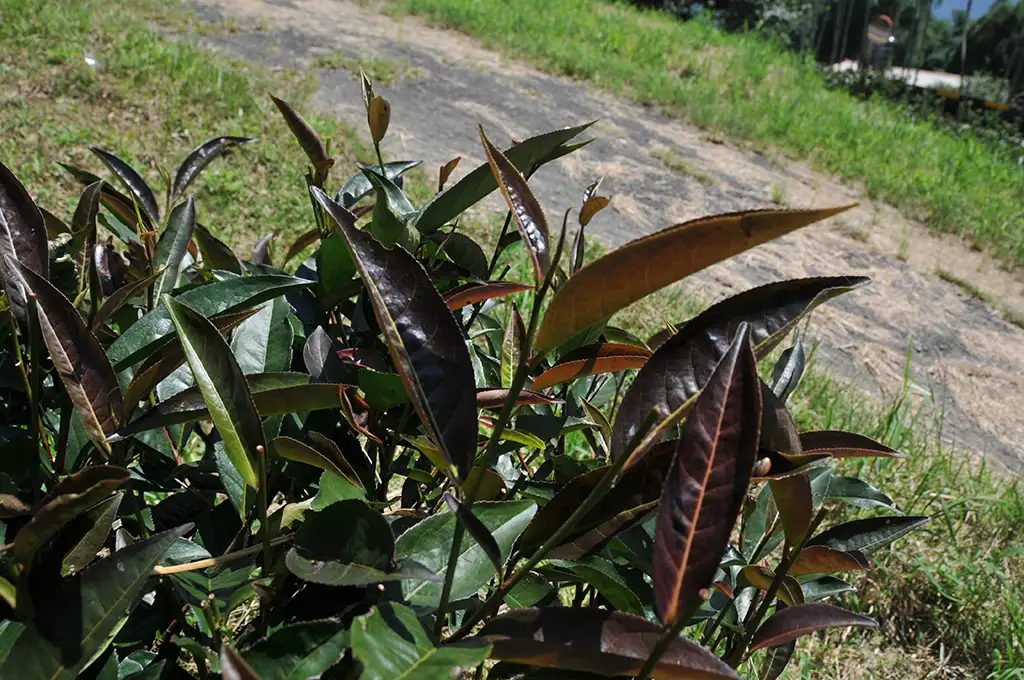
The first purple-bud tea plant variety bred in Taiwan. Its defining characteristics are its deep purple leaves and the unique trait where green tea made from it turns pink when mixed with lemon juice.

A black tea variety bred by the Yuchi Branch of the Taiwan Tea Research and Extension Station, cultivated from a single-plant selection of the Indian Assam Jaipuri line and released in 1973.

Also known as Ruby, this is a new variety bred by the Yuchi Branch of the Taiwan Tea Research and Extension Station from a cross between Taiwan wild mountain tea and Burmese large-leaf varieties. It offers a rich, fresh, and smooth taste with subtle hints of cinnamon and mint, and is commonly used to make black tea.

Purple Bud Mountain Tea is an indigenous tea plant variety in Taiwan, named for its tender, light purple buds. While making oolong tea from Purple Bud Mountain Tea results in a heavy astringency, processing it into black tea brings out delightful fruity and woody aromas.

Taiwan Tea No. 13, also known as CuiYu Tea, is a new variety bred by the Taiwan Tea Research and Extension Station. It was officially named “Taiwan Tea No. 13” in 1981 with the breeding code 2029, which is why it is also affectionately called “Er-Jiu-Zai” (No. 29).

Shopping Cart