
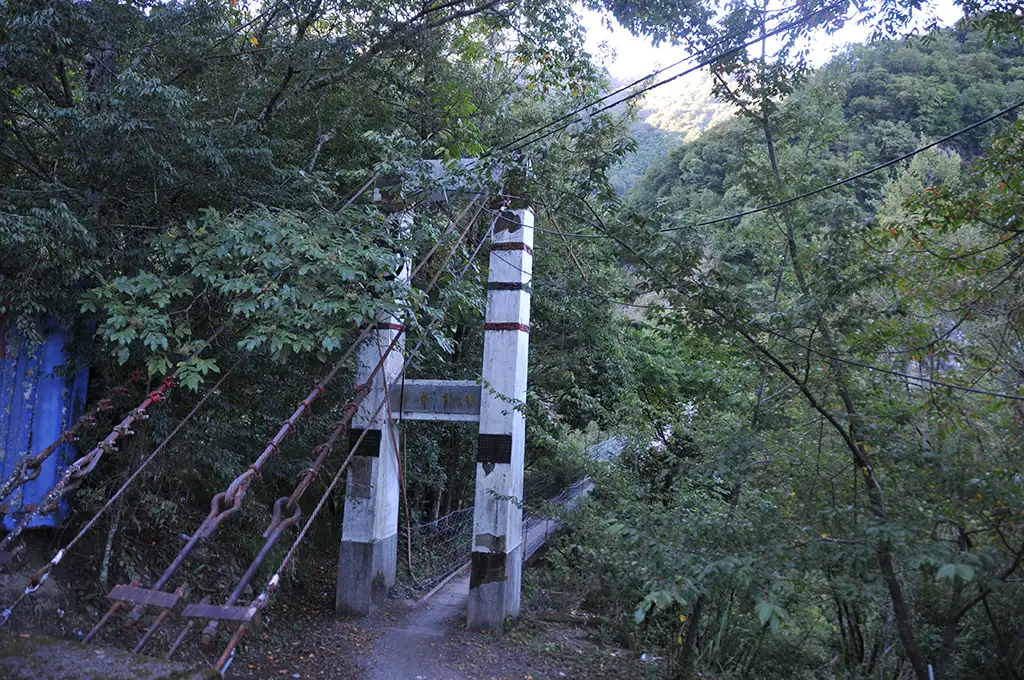
The Lishan Diaoqiaotou tea region, commonly known in the industry as Diaoqiaotou. Named after the nearby Lixing Suspension Bridge, it is also called Lixing Suspension Bridge tea region or Malieba Diaoqiaotou tea region. I personally consider it one of the top three hardest-to-reach tea regions in Taiwan, reaching elevations of up to 2,030 meters.
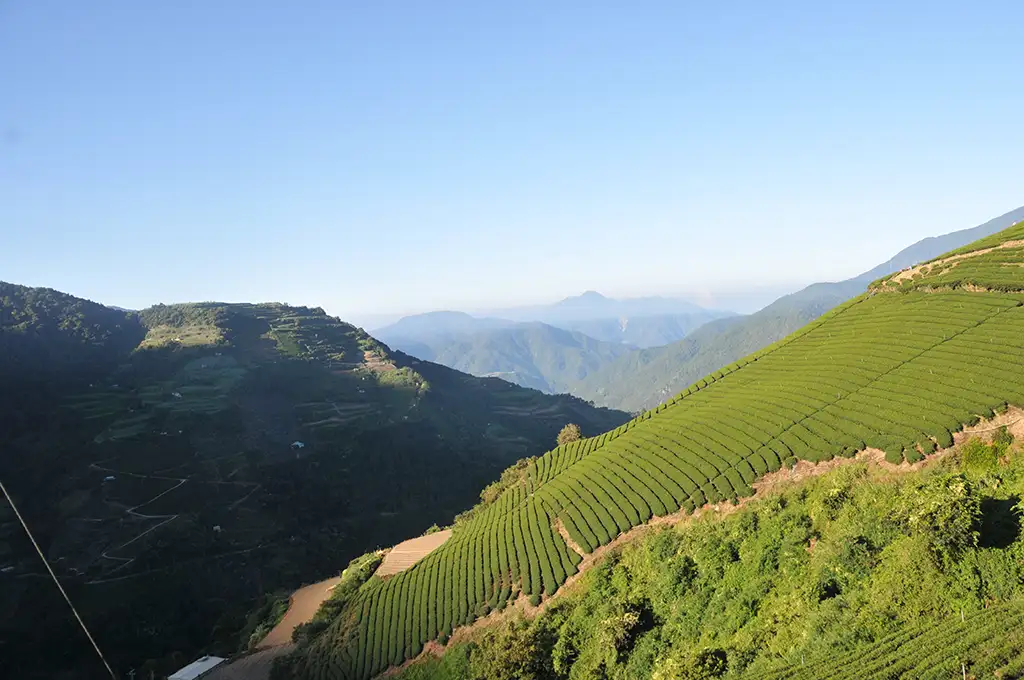
Table of Contents
Lishan Diaoqiaotou reaches elevations of up to 2,030 meters
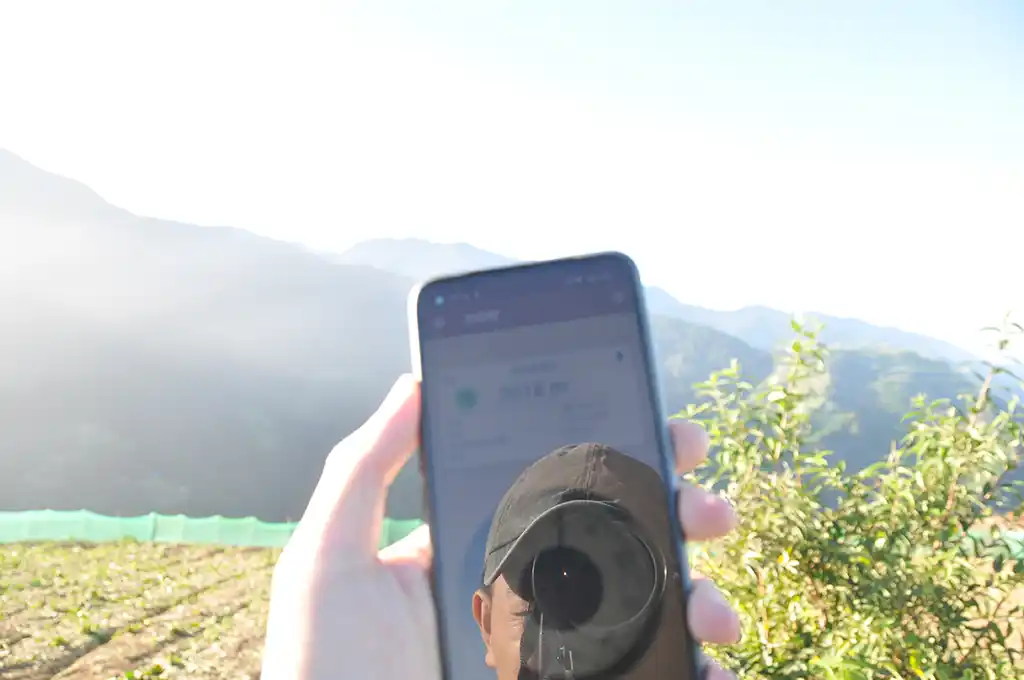
With elevations ranging from 1,650 to 2,030 meters, it holds a distinct advantage among high-mountain tea regions. The tea plantations are cultivated along both sides of the Ruiyan River, and the gorge plantations on either side mostly sit above 1,700 meters, creating an exceptional overall alpine environment. Below is the elevation measured by a mobile app (Google Maps data) before reaching the highest point—sorry the photo is slightly out of focus, but the number reads 2,018 meters.
Characteristics of the Lishan Diaoqiaotou Tea Region
First, its maximum elevation reaches 2,030 meters; high elevations yield tea with high sweetness and low bitterness. Second, this is an emerging tea region surrounded by virgin forests, offering superb environmental conditions and soil fertility. Third, local tea farmers generally maintain very high standards of plantation management, sparing no expense on organic fertilizers, soybean meal, and other inputs. Furthermore, irrigation and tea-processing equipment are exceptionally well-equipped. Combined, these factors result in an exceptionally high success rate for producing outstanding oolong tea in the Diaoqiaotou tea region.
The downside, much like other high-mountain tea regions, is its susceptibility to frost damage, which leads to reduced yields or lower quality when it occurs. Additionally, the Lixing Industrial Road is prone to landslides and frequently cuts off access for days at a time. Furthermore, with elevations spanning from 1,650 to 2,030 meters, there is still a noticeable quality gap between the tea from the lower plots and those at the very peak.
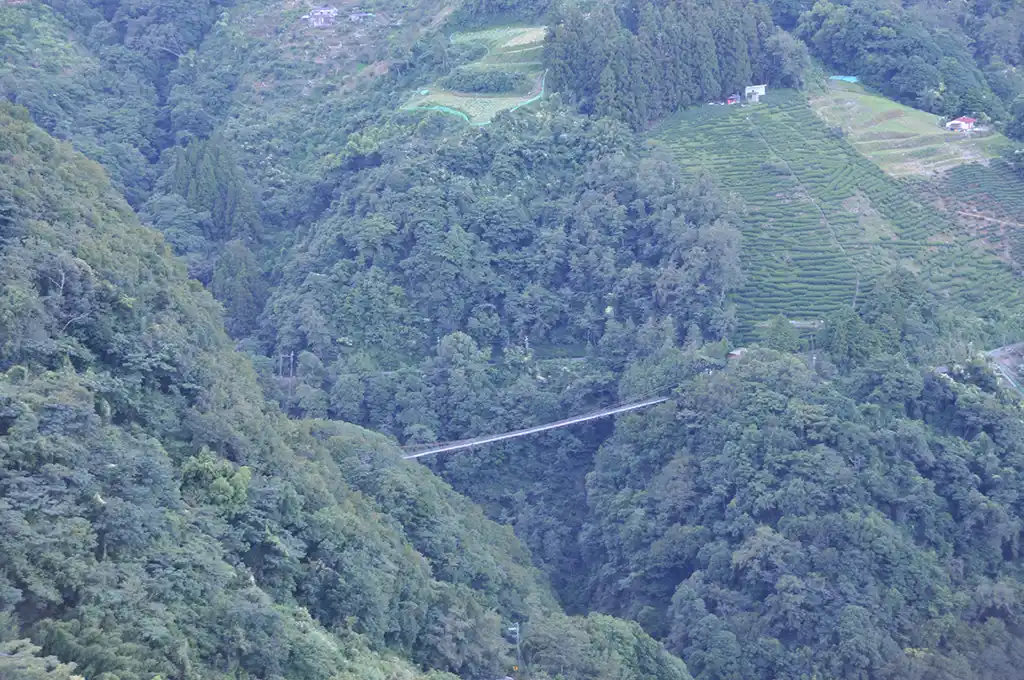
Photos of the Lishan Diaoqiaotou Tea Plantations
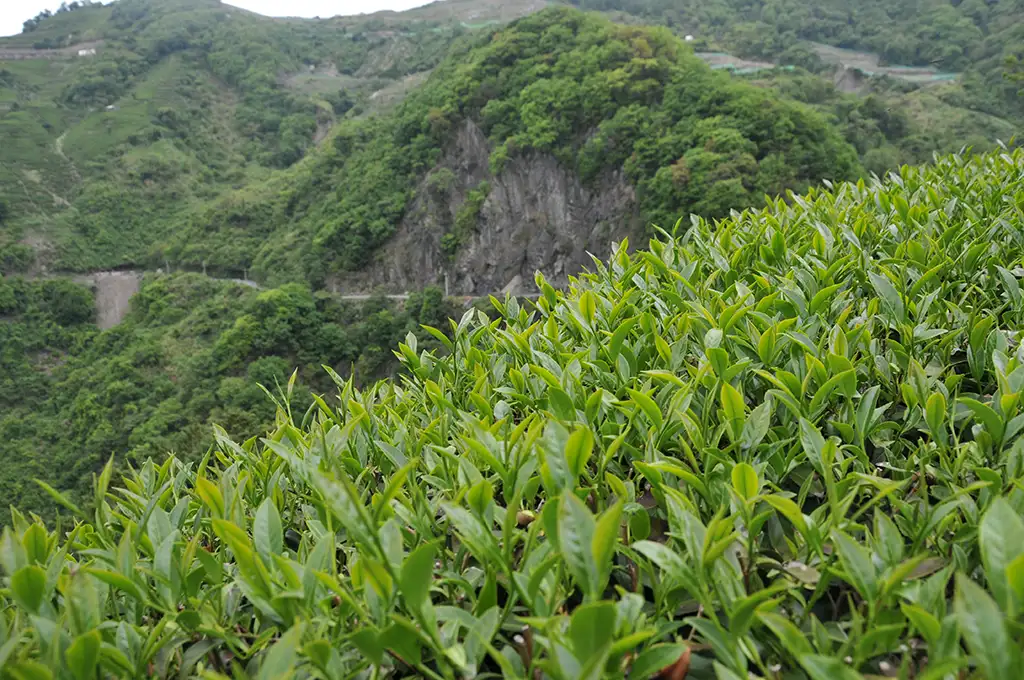
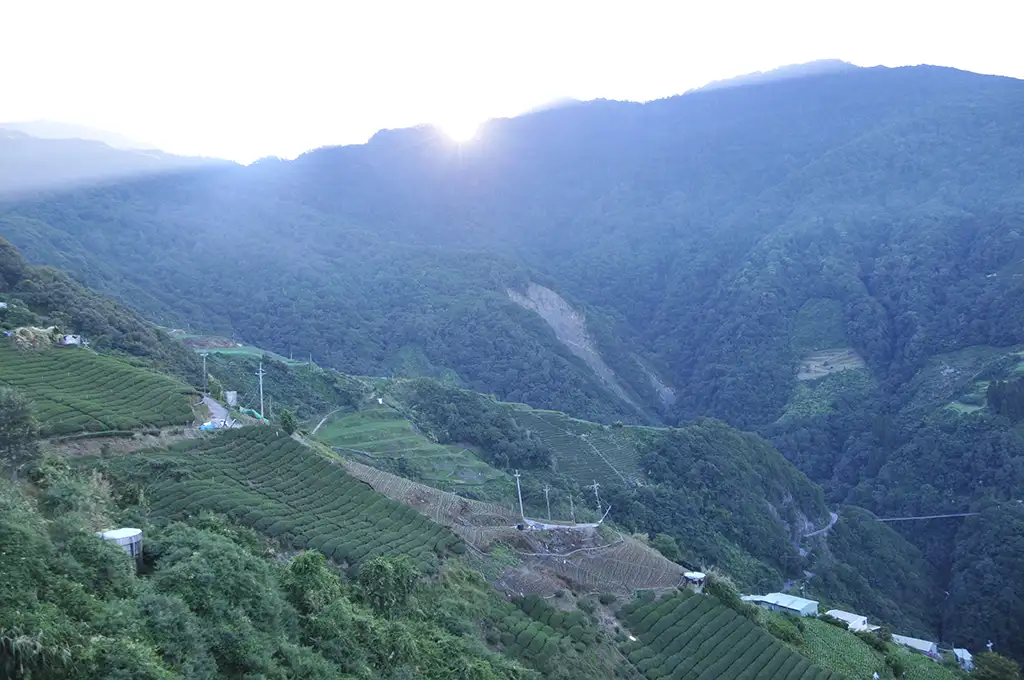
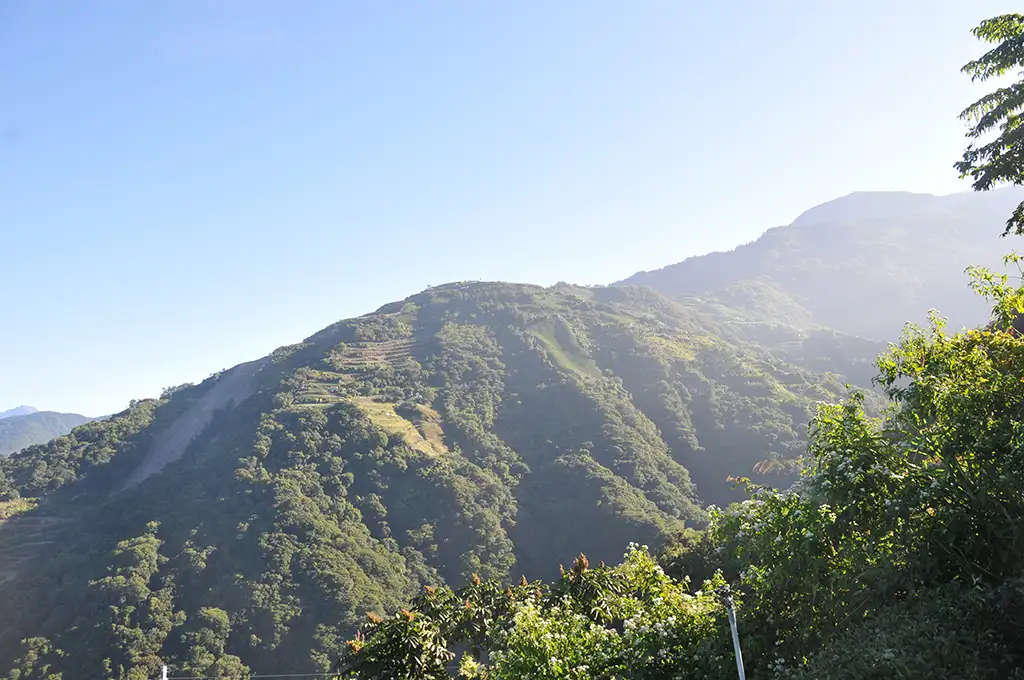
| Lishan / Cingjing Tea Region | |||
Lishan Suspension Bridge Tea Area FAQ
Is the Suspension Bridge area considered part of the Malieba tea area?
Tea varieties and harvest seasons for spring and winter tea?
The main tea variety is Qingxin Oolong. Harvest times are April and May for spring tea, August for autumn tea, and October for winter tea. Small quantities of black tea and Winter Sprout Oolong are also produced.
Transportation
From Wushe, take Lixing Industrial Road; it takes about 1 hour to reach the Suspension Bridge tea area. Alternatively, drive via Lishan → Fushoushan Tianchi → HuaGung → Cuiluan, which takes about 50 minutes. Please note that Lixing Industrial Road is frequently blocked by landslides. Lishan Suspension Bridge Google Location
Is the Suspension Bridge area considered part of the Lishan tea area?
The tea industry generally classifies it as part of the Lishan tea area. However, in 2016, the Taichung City Government stipulated that only areas within Heping District, Taichung City qualify as the Lishan tea area. For details, please see: Lishan Tea Area Range