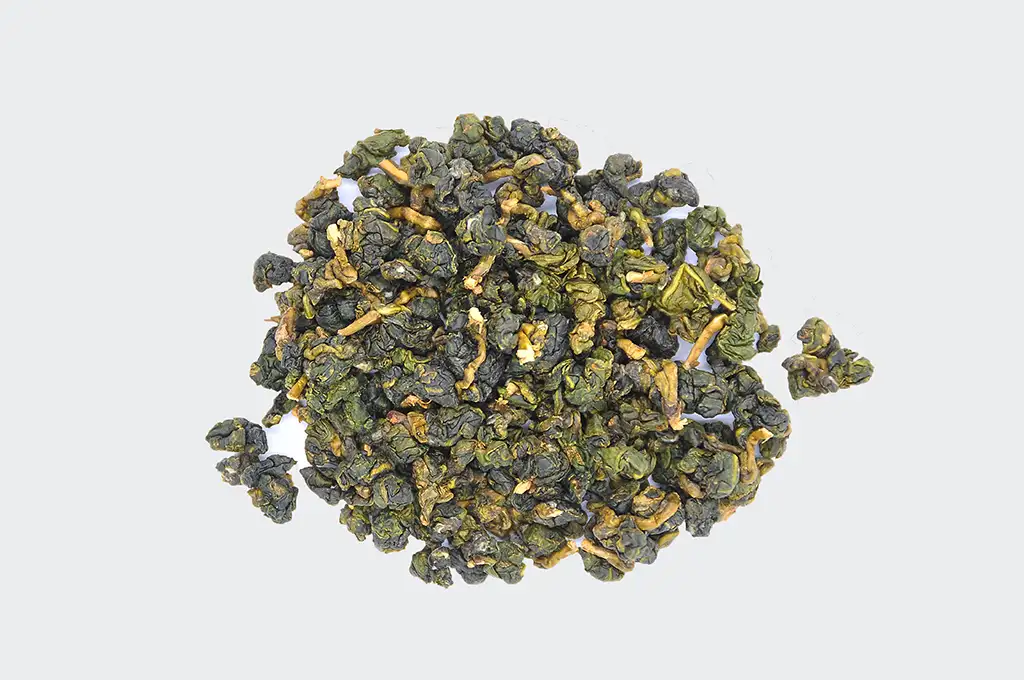
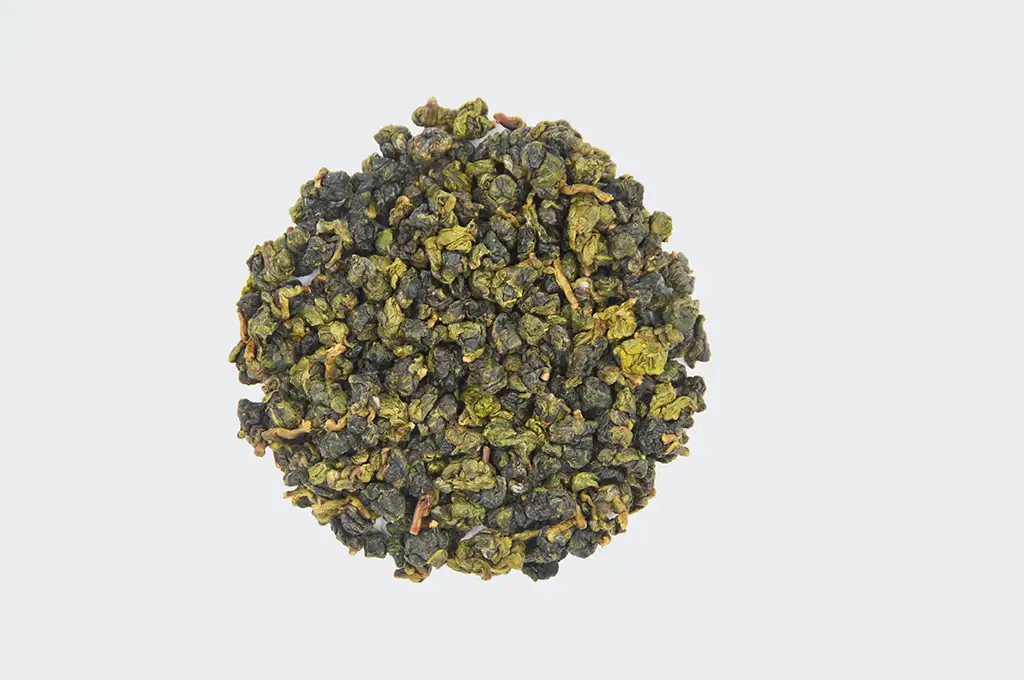
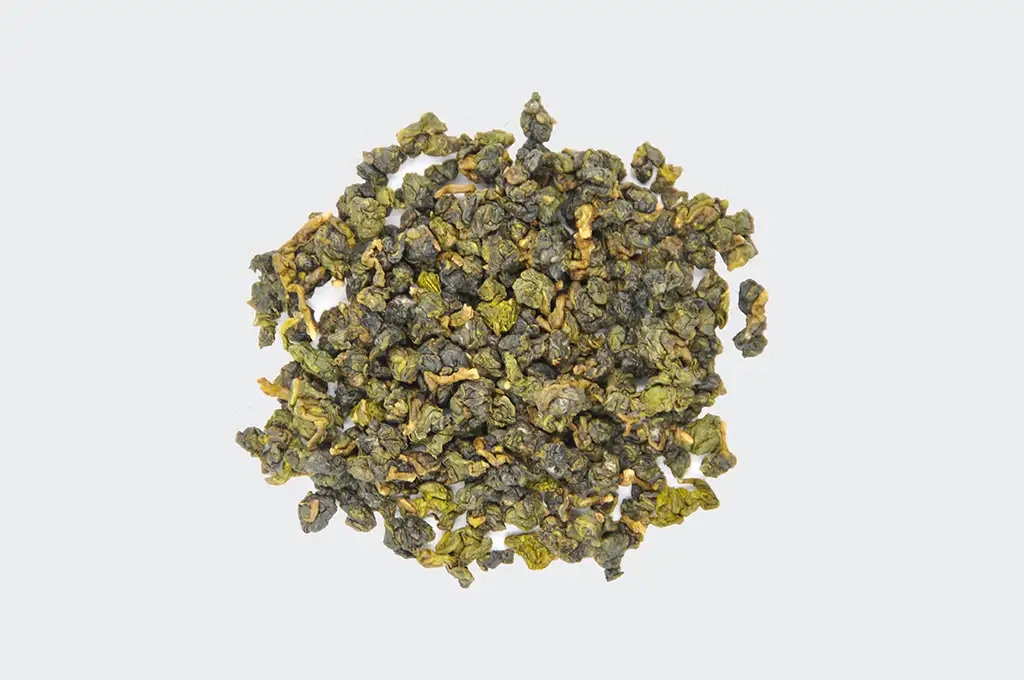
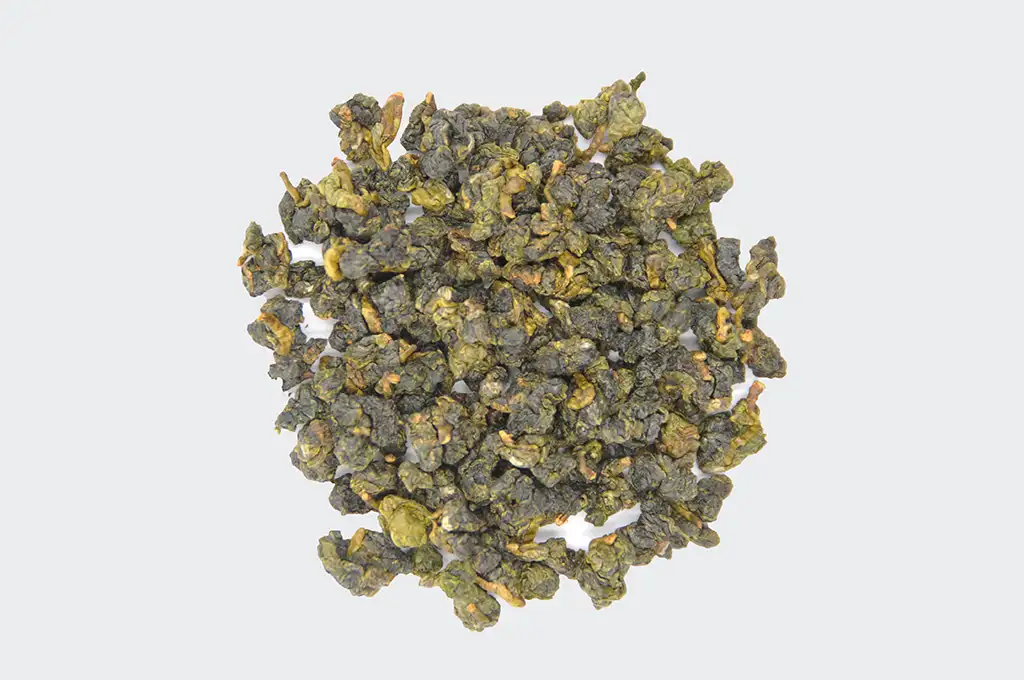
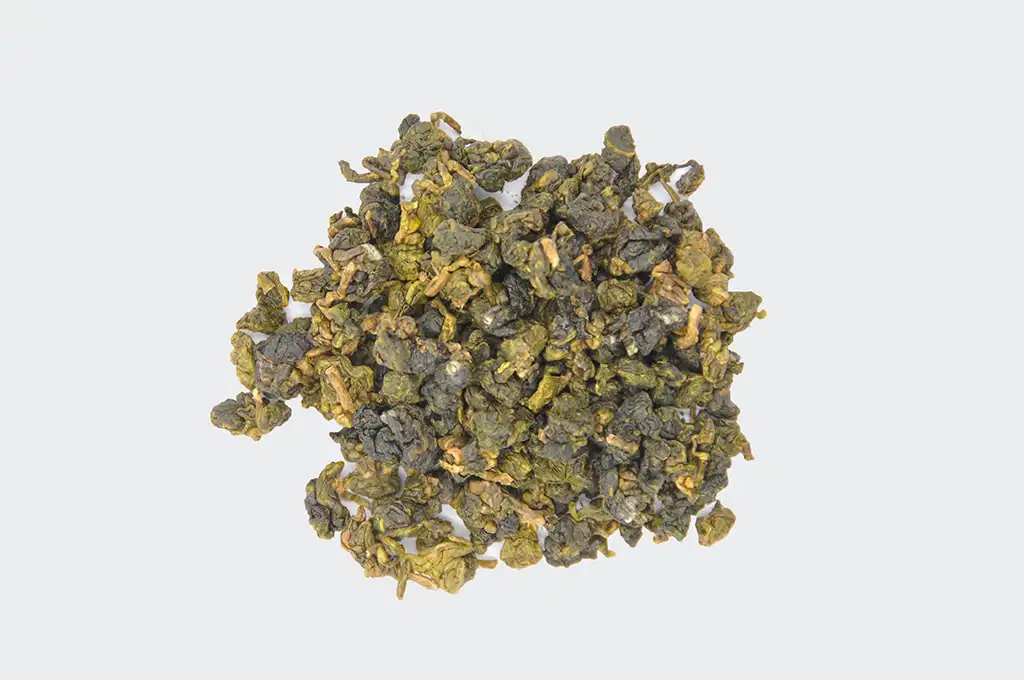
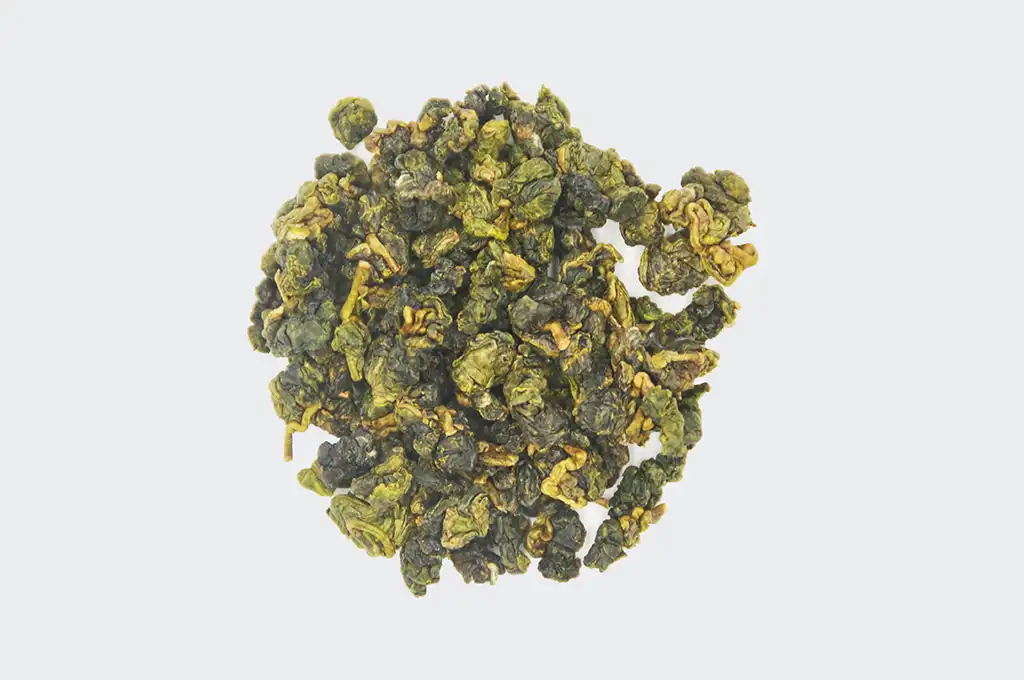
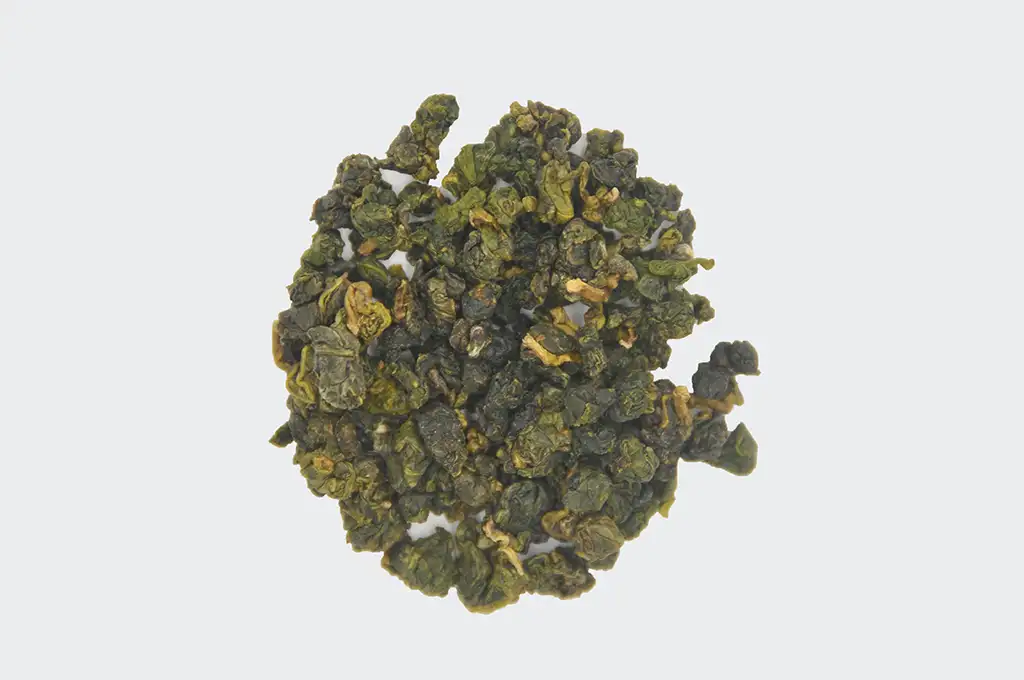
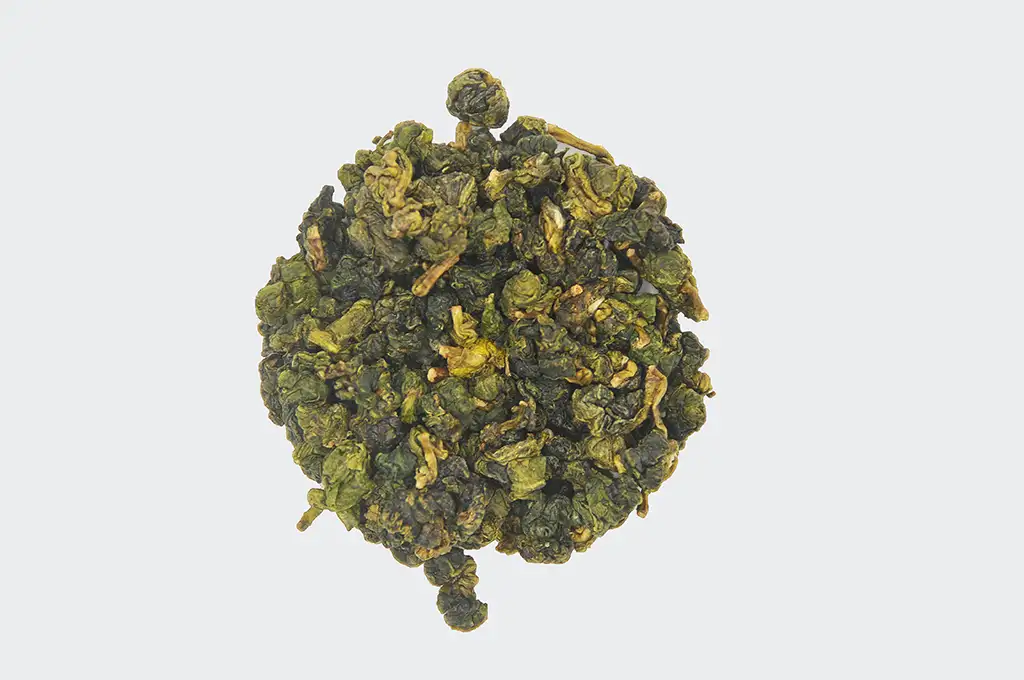
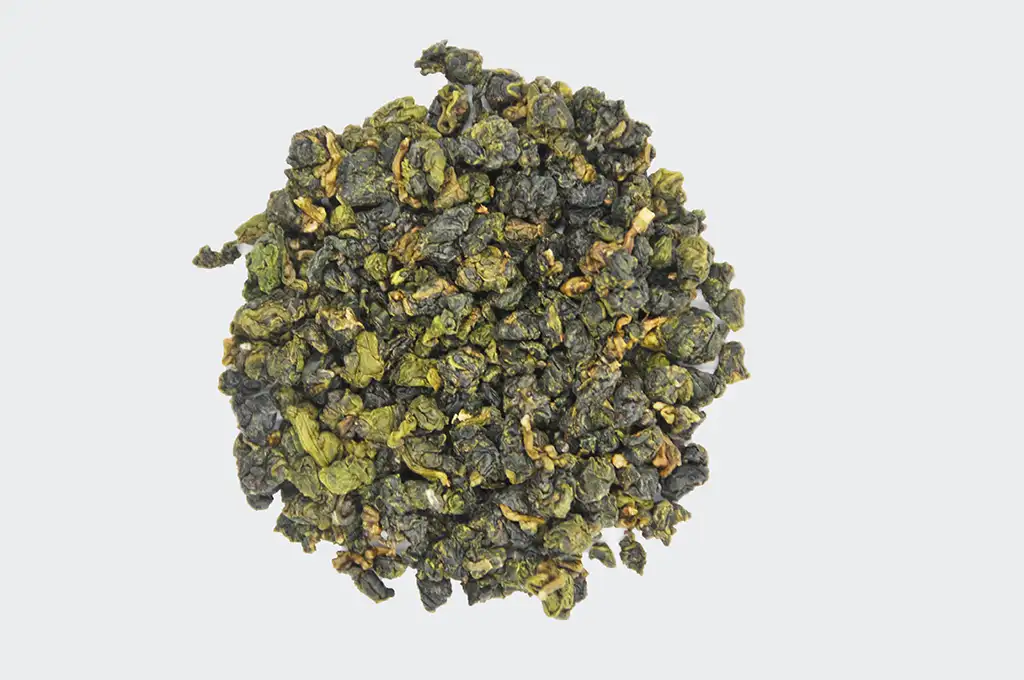
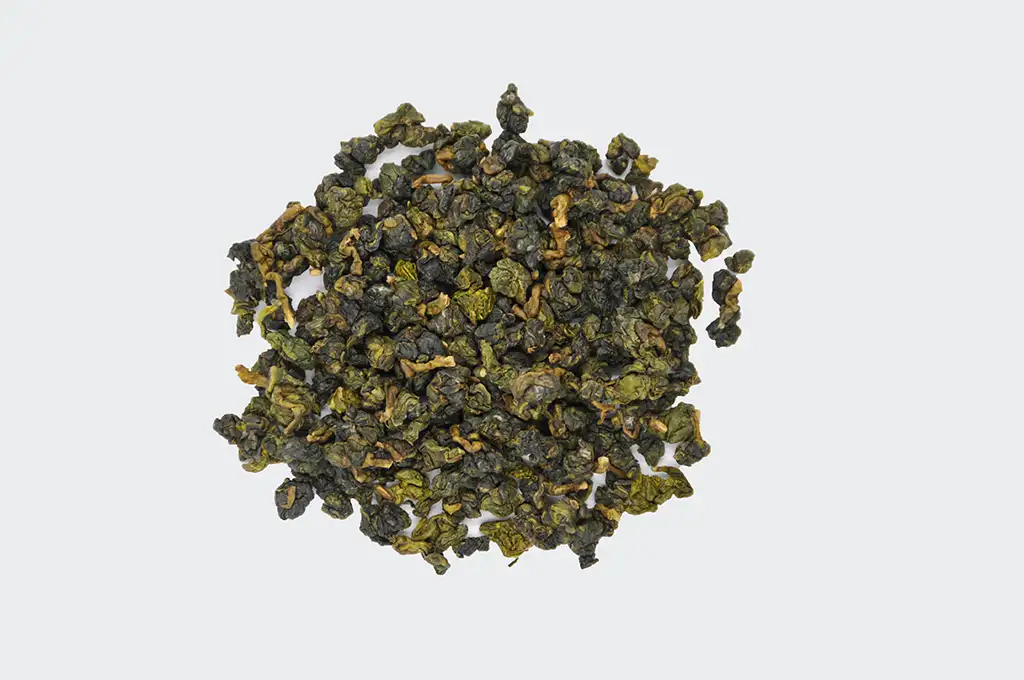
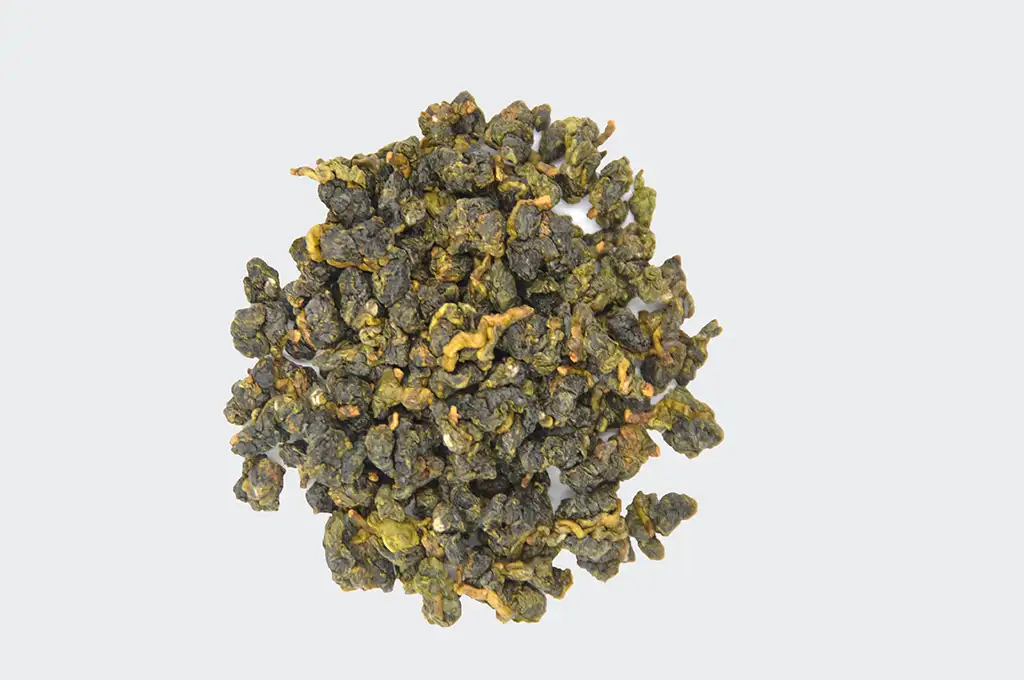
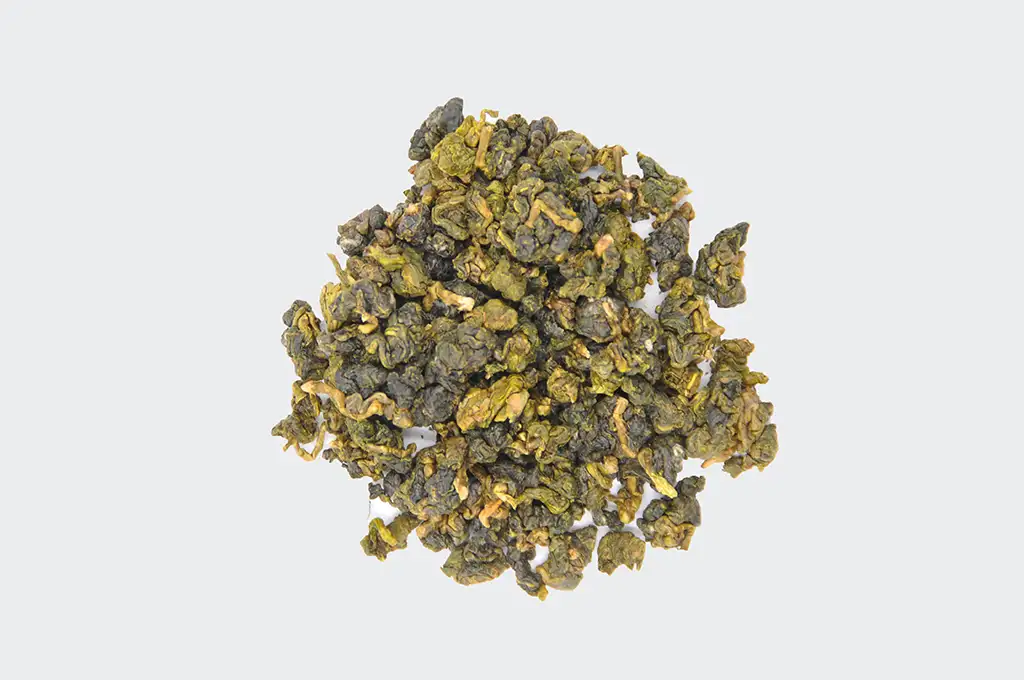
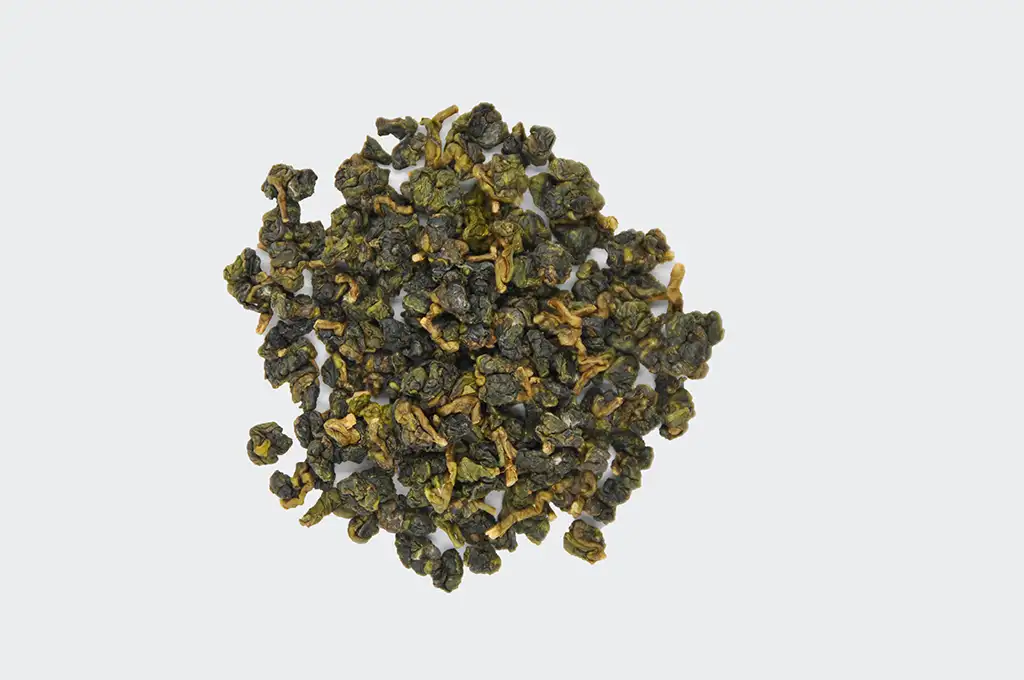
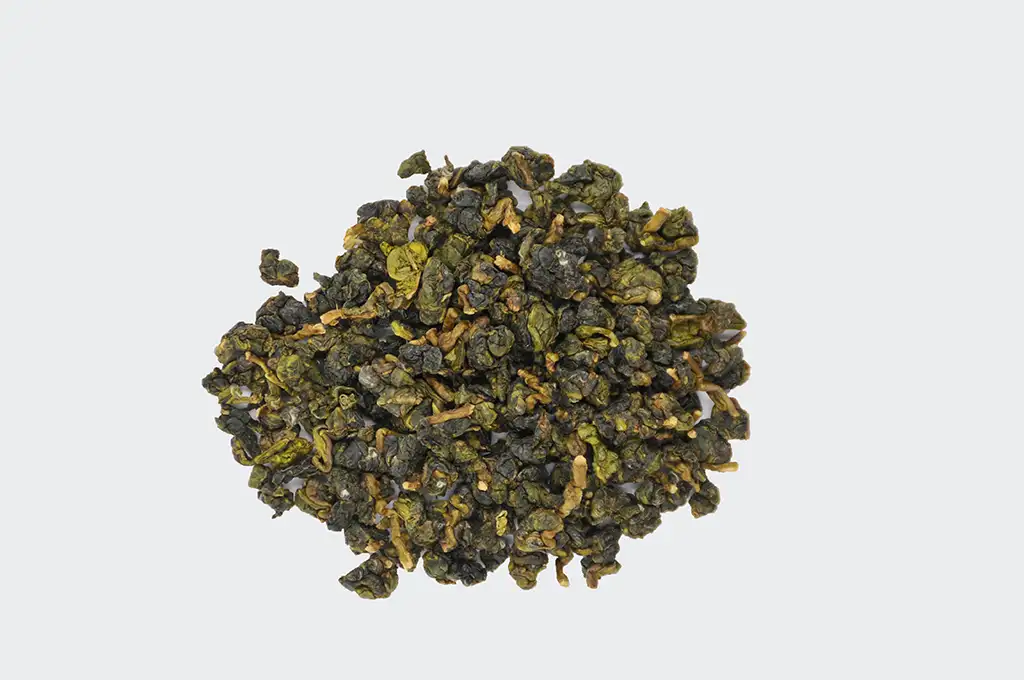
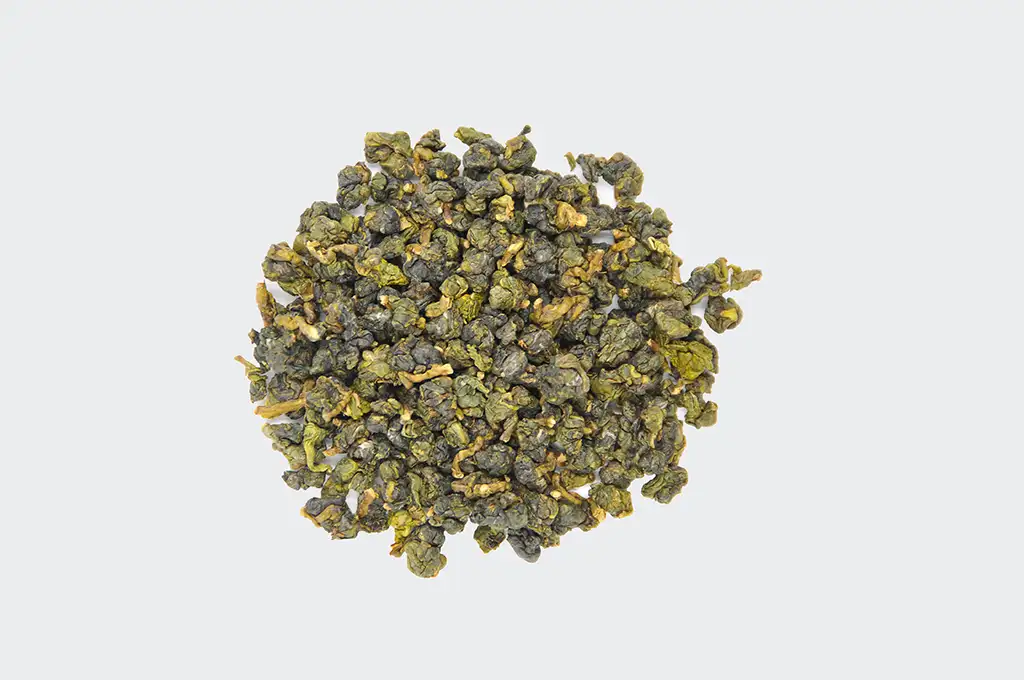
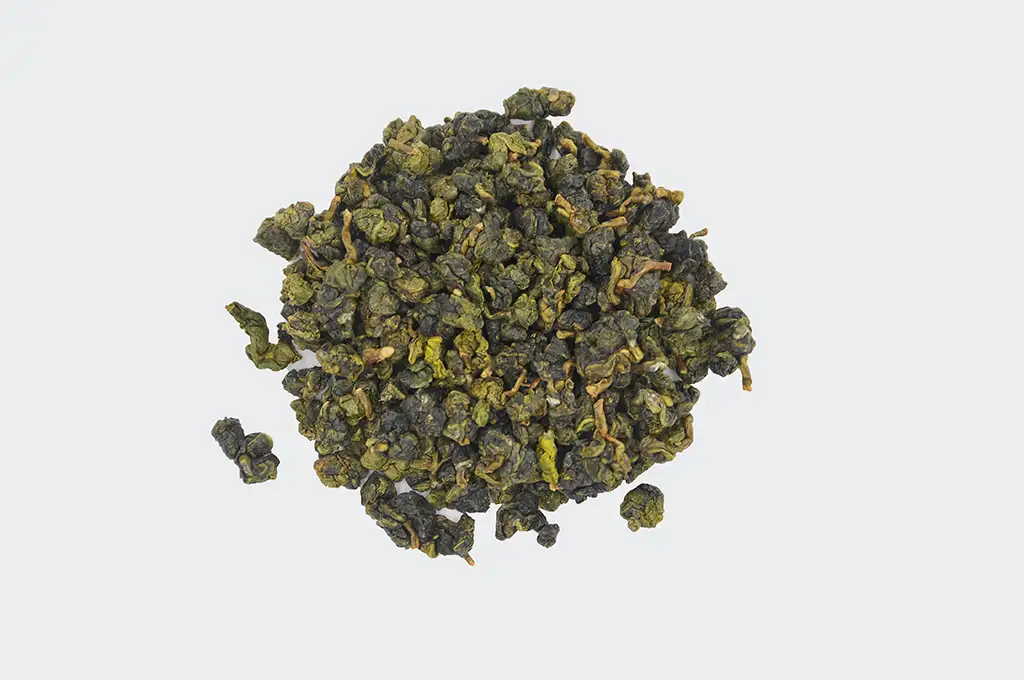
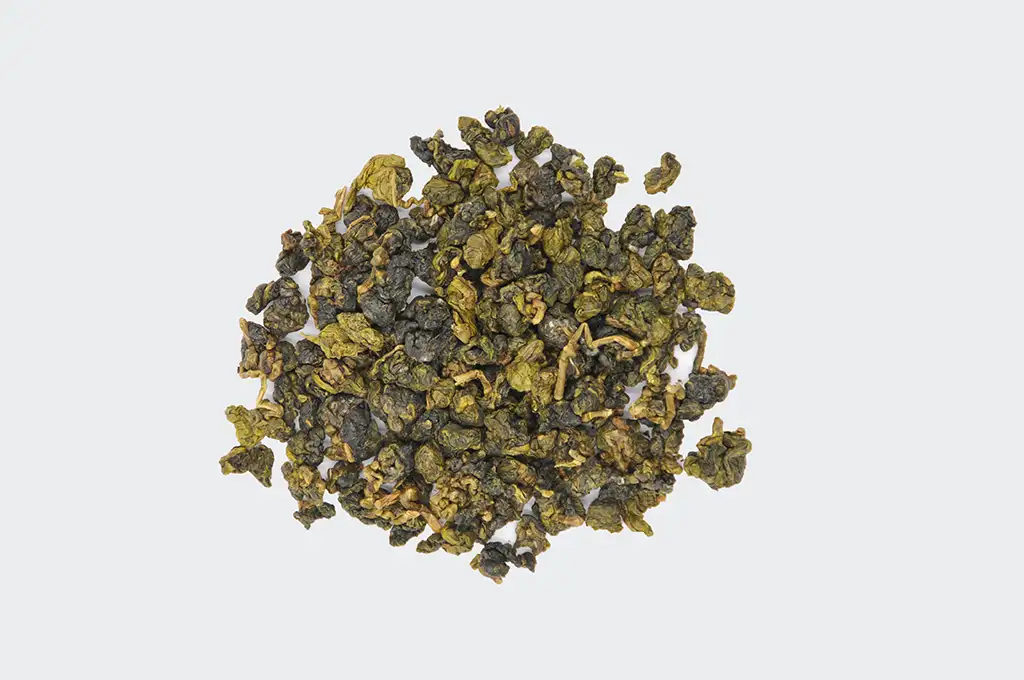
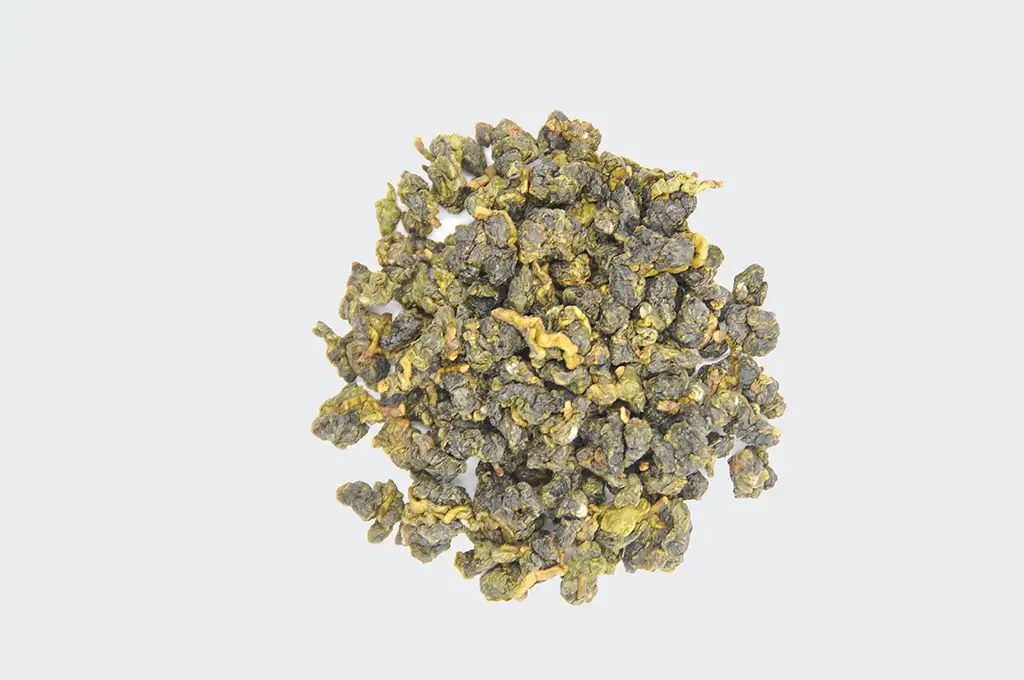
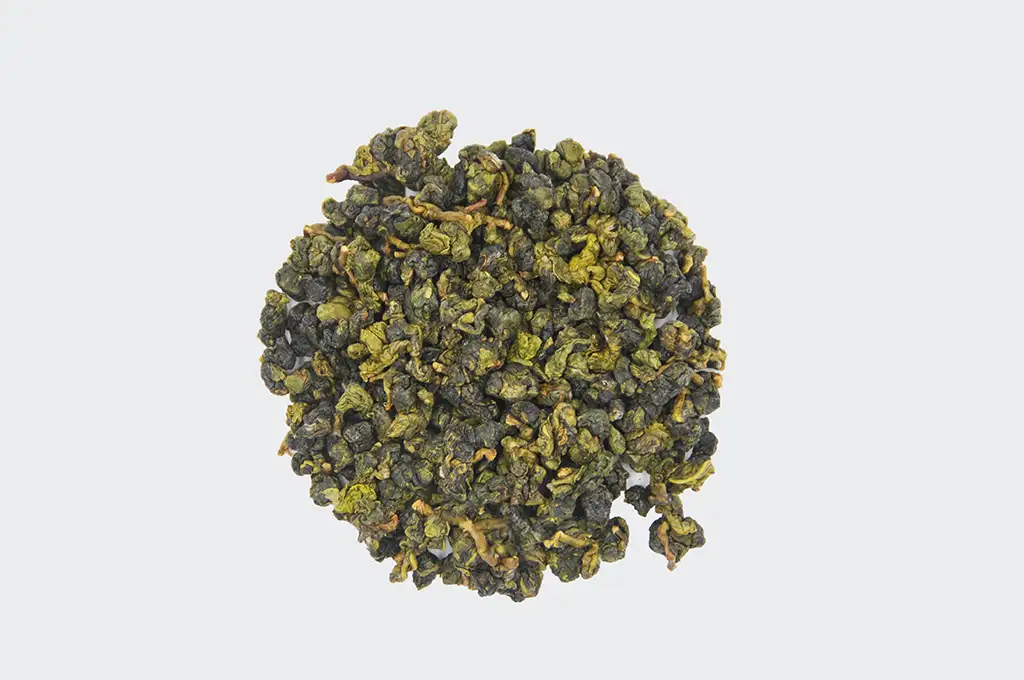
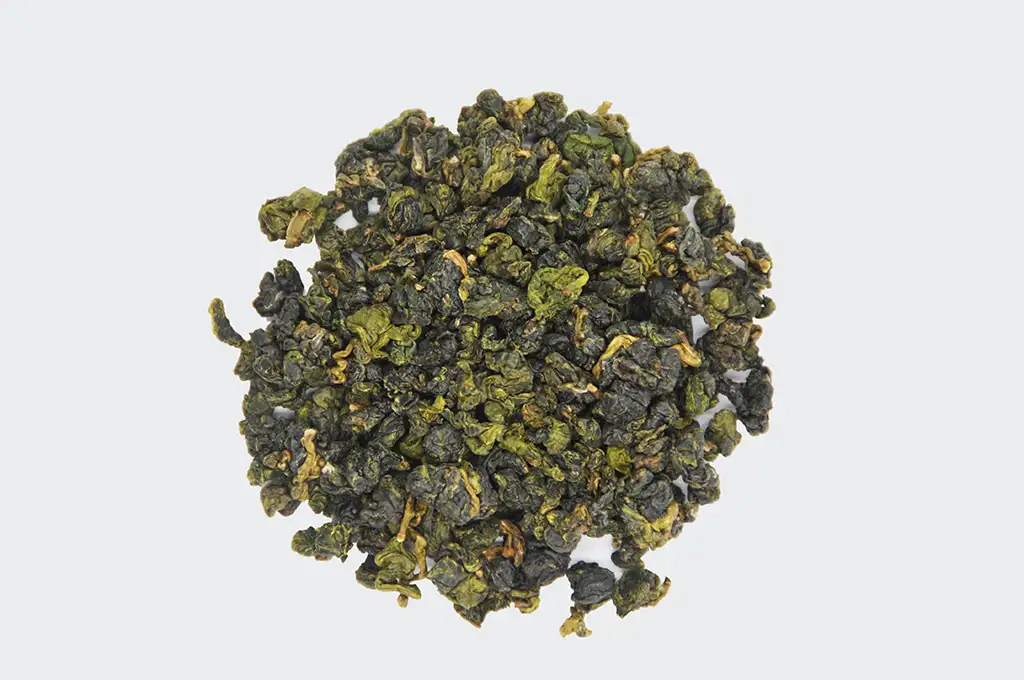
Taiwanese high-mountain tea generally refers to tea produced in tea gardens at elevations of 1,000 meters or higher. While these high-mountain tea gardens also produce black tea, green tea, and heavily fermented oolong, lightly fermented high-mountain oolong tea makes up the vast majority. Below is an introduction to some of the most renowned varieties of Taiwanese high-mountain tea:
Taiwan High-Mountain Tea Varieties (Click image for detailed descriptions)
Known for its unique flavor and fresh aroma, Lishan tea is one of the true treasures among Taiwan’s high-mountain teas. It leaves a lingering fragrance on the palate with a rich, smooth finish, making it a favorite among tea lovers.
Centered around and named after the ShanLinXi Recreation Area, this tea region spans Zhushan Township and Lugu Township in Nantou County, with a small portion located in Gukeng Township. The tea gardens sit at elevations ranging from 800 to 1,950 meters.
Fushou Mountain Farm tea is a pioneer among Lishan teas. Backed by endorsements from former presidents and other prominent figures, it has been in high demand for over a decade, starting at NT$7,000 per 600 g.
Located at the intersection of Taichung, Hualien, and Nantou, Dayuling tea is celebrated for its exceptional quality, limited yield, and distinctive mountain character, making it the pinnacle of Taiwan’s high-mountain teas.
Located in Zhushan Township, central Taiwan, LongFengXia’s blessed geography and unique climate make this mist-shrouded land an ideal environment for cultivating high-quality tea.
Zhangshuhu features well-aerated sandy soil with an ideal pH balance. Combined with rich organic matter accumulated from the primeval forest, the tea plants grown here are rich in pectin, yielding a glossy, vibrant tea broth.
HuaGung tea is a renowned Taiwanese high-mountain tea produced in Cuihua Village, Ren’ai Township, Nantou County. At elevations ranging from 1,800 to 2,520 meters, it is currently the highest tea-producing region in Taiwan.
Biluxi tea is a premium Taiwanese high-mountain tea produced in Ren’ai Township, Nantou County. The tea gardens are situated between the 95 km and 99 km marks of the Central Cross-Island Highway, and historically, its quality has been considered on par with Dayuling tea.
Commonly referred to as “off-farm tea,” this tea is produced in private tea gardens outside Fushou Mountain Farm, located in Lishan Village, Heping District, Taichung City. Because its orientation and elevation match those of Fushou Mountain Farm, its flavor and quality are considered remarkably similar.
Located in Lishan Village, Heping District, Taichung City, Xinjiayang is one of the most important tea-producing areas in the Lishan region. Centered around the Xinjiayang indigenous community, the tea gardens span across four mountain ridges and generally face east.
Diaoqiaotou tea is produced in Ren’ai Township, Nantou County, an area well-known for the Lixing Suspension Bridge. The tea gardens are scattered among the primitive forests on both sides of the suspension bridge, providing an ideal growing environment for the tea trees.
Grown in Ren’ai Township, Nantou County, right at the center of the Lixing Industrial Road, Malieba benefits from an exceptional alpine climate and fertile soil, giving its tea a unique fragrance and mellow taste.
Produced in Ren’ai Township, Nantou County, Cuiluan tea is centered around the Cuiluan community and Maliguan, with tea gardens cultivated along the Lixing Industrial Road. The high-altitude environment ensures that both the yield and quality of the tea rank among the very best.
Qilai Mountain tea is grown around Duda Village and Delugu Village in Ren’ai Township, Nantou County, with tea gardens primarily distributed near the 96 km mark of Provincial Highway 14, above Duda Village, and above Jingguan Village.
Cuifeng tea is produced in Ren’ai Township, Nantou County. The tea gardens are nestled along the Cuifeng branch of the Lixing Industrial Road, stretching from Cingjing toward Wuling.
Originating from Ren’ai Township, Nantou County, these tea gardens are mainly situated on the slopes below Provincial Highway 14. Facing east with abundant sunlight, combined with the chilling winds from Hehuanshan and the extremely high altitude, the tea produced here is of exceptional quality.
Produced in Lugu Township, Nantou County, home to the famous Ginkgo Forest attraction. The primary tea cultivar is Qingxin Oolong, alongside newer varieties such as JinXuan, Yingxiang, and CuiYu.
Located at the border of Zhushan Township in Nantou County and Gukeng Township in Yunlin County, Fanzitian is the highest-yielding mountain area within the ShanLinXi tea family, known for its outstanding quality.
Produced in Nanfeng Village and Datong Village, Ren’ai Township, Nantou County. The premium DongYanShan tea rivals the quality of Lishan or Cuifeng teas, yet is priced at only two-thirds of their cost, making it the ultimate value-for-money origin in the tea industry.
Produced across Meishan Township, Zhuchi Township, Alishan Township, and Fanlu Township in Taiwan, it is one of Taiwan’s three major high-mountain tea production regions.