
Author name: Liao Chang Xing

Winter Sprout Oolong

What is Winter Sprout Oolong? Discovering This Unique Cold-Weather Tea

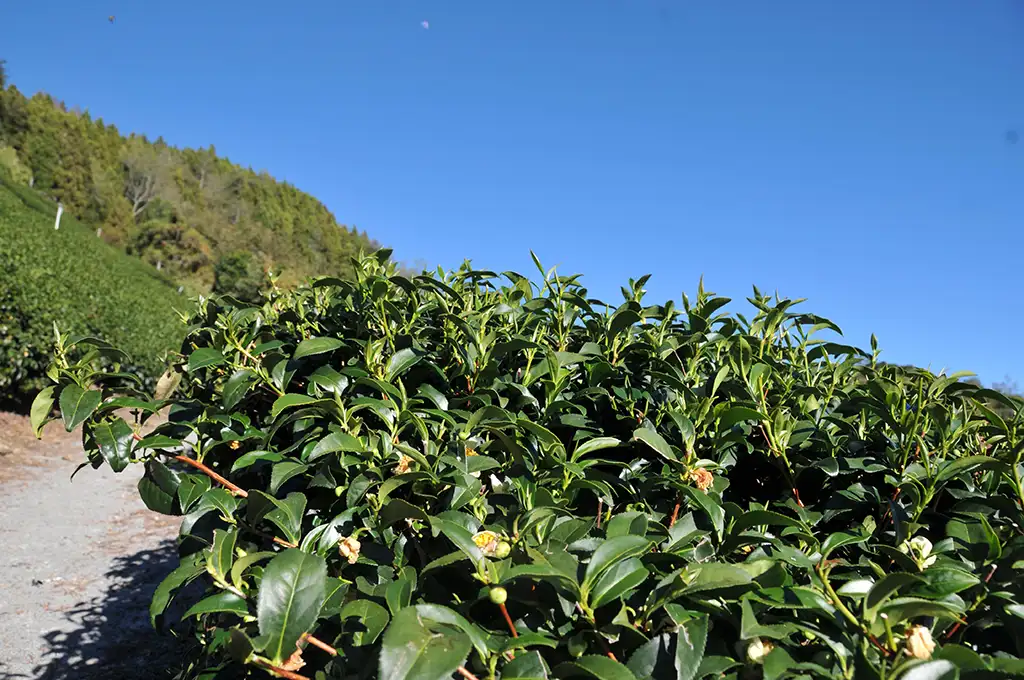
What is Winter Sprout Oolong? It is a rare and uniquely textured tea. Taiwanese tea is typically harvested four times a year: spring, summer, autumn, and winter. Normally, after the winter harvest, the tea bushes enter a dormant period until they sprout again in spring. However, due to warm winters, they sometimes experience a second

Ruili Tea Region

Ruili is located in Meishan Township, Chiayi County, Taiwan, and is part of the Alishan Scenic Area. Originally cultivated with crops such as bamboo shoots, betel nuts, jelly figs, and plums, tea was introduced here thirty years ago. Unexpectedly, the quality received high praise, and Ruili tea has since gradually become a representative local crop.

Taihe Tea Region

Located in Taihe Village, Meishan Township, Chiayi County, the Taihe Tea Region is the most remote village in Meishan Township, yet thanks to tea cultivation, it has become one of its most prosperous communities. Sitting at elevations ranging from about 700 to 1,500 meters, the Taihe Tea Region belongs to the Alishan tea family, much

Meishan Tea Region

Located in Chiayi County, Taiwan, the Meishan tea region borders Alishan Township to the east, Gukeng Township in Yunlin County to the north, and Zhuqi Township to the south, making it part of the Alishan tea family. Tea cultivation in Meishan began 30 years ago. Through years of development, Meishan tea has long become synonymous

Yilan Tea Region: Datong and Dongshan Townships Produce Exceptional Tea

Although the Yilan tea region may not be widely famous, tea cultivation here started very early, and the quality is exceptional. Currently, Yilan’s tea-producing areas are distributed across Jiaoxi, Dongshan, Datong, and Sanxing Townships. The lowland tea regions mainly produce strip-style Pouchong tea, while Datong Township primarily produces semi-balled Oolong. Distribution of the Yilan Tea

Sanxia Tea Region

Located in New Taipei City, Taiwan, Sanxia has been cultivating tea since the Tongzhi era of the Qing Dynasty, making it New Taipei City’s third-largest tea-producing region after Pinglin and Shiding. Sanxia is best known for its Taiwanese Longjing and Biluochun green teas, alongside small amounts of Pouchong and Oriental Beauty tea. Tea cultivation in

Wushe Tea Region: Gaofeng Mountain and Guantou Mountain

Wushe is located in Ren’ai Township, Nantou. Surrounded by famous attractions like Cingjing Farm, Aowanda, and Lushan Hot Spring, it is not only a well-known destination throughout Taiwan but also an exceptional high mountain tea production area. Wushe Tea Region: Main Peaks Include Guantou Mountain and Gaofeng Mountain The tea region sits at an altitude

Nanshan & Siji Tea Region

Datong Township in Yilan County is a renowned region for high-mountain fruits and vegetables. Traveling up along the Lanyang River via Provincial Highway 7 甲, you’ll be greeted by lush fields of alpine produce all along the way. At the highest points of Datong Township—Nanshan and Siji Villages—in addition to mountain vegetables, premium tea leaves

Introduction to Charcoal Roasted Oolong Tea

Winter Sprout Oolong is a rare and uniquely textured tea. In Taiwan, tea is generally harvested four times a year: spring, summer, autumn, and winter. After the winter harvest, the tea bushes enter a dormant period. However, due to warmer winters, they sometimes flush once more before the winter solstice—this is what we call Winter Sprout Oolong.

Pinglin Tea Region

Located in New Taipei City, Taiwan, Pinglin is part of the Wenshan tea region. With an elevation ranging from 200 to 650 meters, the area produces Baozhong tea and Oriental Beauty tea. Spanning 800 hectares of tea plantations with an annual production of approximately 500,000 metric tons, it is the largest tea-producing region in northern

Shiding Tea Region

Located in New Taipei City, Taiwan, Shiding belongs to the Wenshan tea-growing region and primarily produces Wenshan Pouchong tea and Shiding Oriental Beauty tea. Among northern Taiwan’s tea regions, Shiding ranks second in Pouchong tea production and first in Oriental Beauty tea. Shiding has a long history of tea cultivation. In the early days, it

Muzha Tea Region

The Muzha tea region is located in Wenshan District, Taipei City, at an altitude between 250 and 350 meters. Covering about 110 hectares of tea plantations, it primarily produces Tieguanyin, alongside small amounts of Pouchong and Oolong teas, with a total annual production of about 60,000 kg. Originally, the primary crops in the Muzha area

Songbailing Tea Region

Located in Mingjian Township, Nantou County, the Songbailing tea region sits at the southernmost end of the Bagua Mountain Range at an elevation of 200 to 400 meters. Although not very high, the environment is ideal for growing tea, allowing the tea industry to develop here early on. The resulting Songbailing Oolong is of excellent

Shimen Tea Region

Located in New Taipei City’s Shimen District, the Shimen tea region is renowned for its Tieguanyin tea. It is one of only two Tieguanyin-producing areas in Taiwan and by far the largest. With 130 hectares of cultivation and an annual output of about 60,000 kg, Shimen Tieguanyin is exceptionally popular in Taiwan and exported to

Ruisui Tea Region

Ruisui Township is located in south-central Hualien County. Situated on the Wuhe Terrace at an elevation of 150 to 300 meters, Ruisui has a century-long history of tea cultivation. Local teas include Pouchong and oolong, while black tea has been actively promoted in recent years, making “Ruisui Black Tea” a signature local specialty. Adjacent to

Shopping Cart