Taiwan Teas

The origin of Winter Sprout Oolong

The Origin of Winter Sprout Oolong

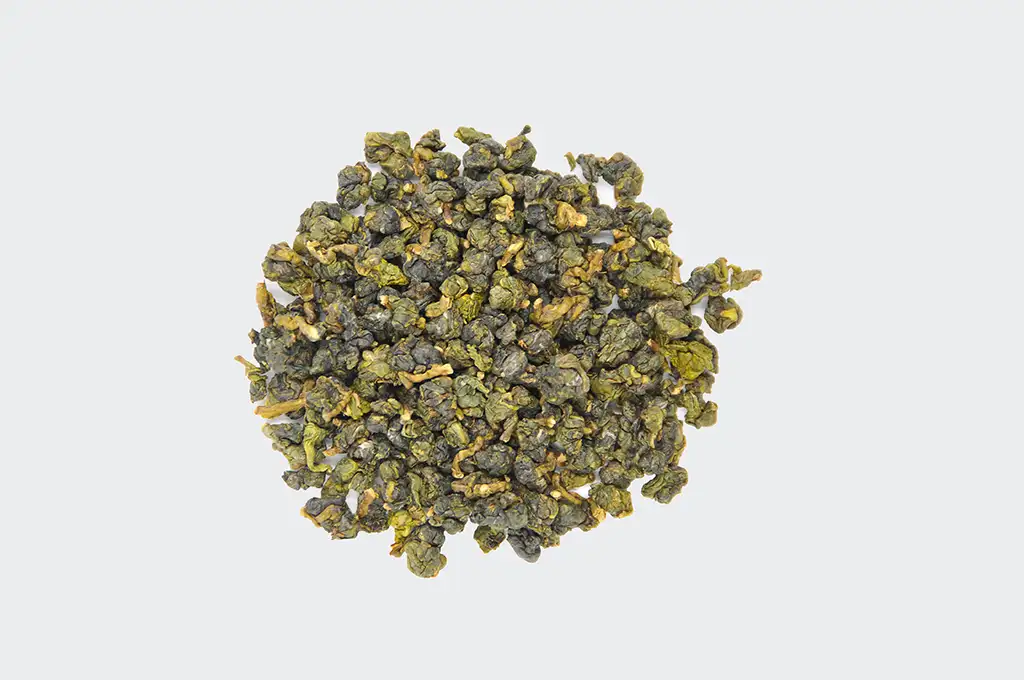
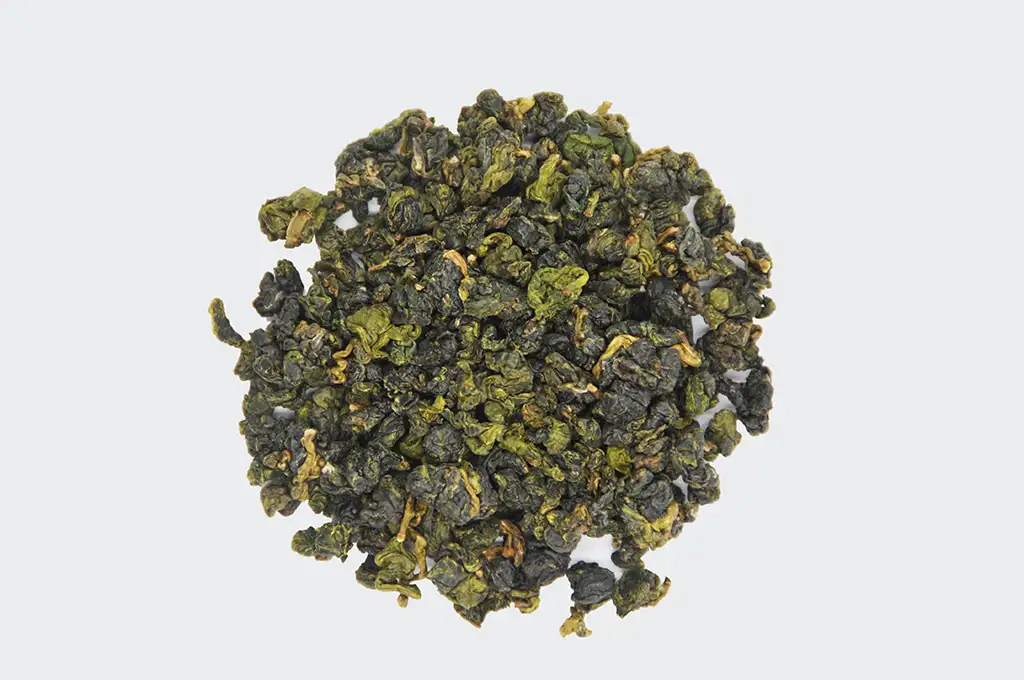
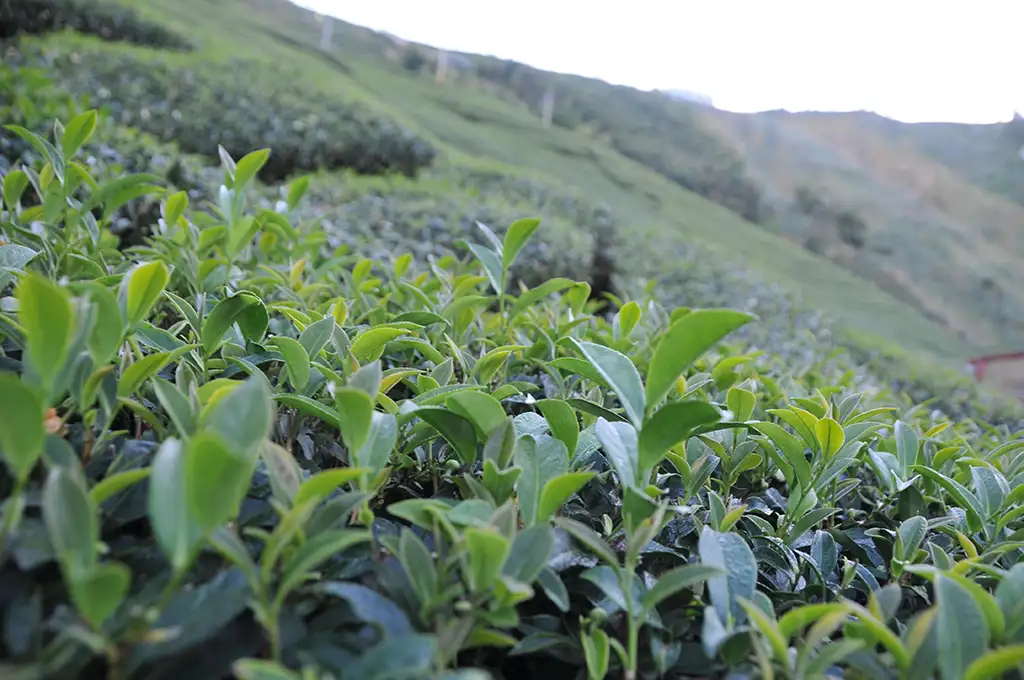
Customer Question: I heard that Winter Sprout Oolong is not available every year. What is the origin of Winter Sprout Oolong? Why can’t it be mass-produced annually? The Origin of Winter Sprout Oolong Liao Chang Xing: Winter Sprout Oolong is a flush of tea that grows between the winter harvest and the spring harvest. Taiwanese
TTES No. 18 Ruby

Taiwan Tea No. 18 Ruby: Taiwan’s Finest Black Tea Variety

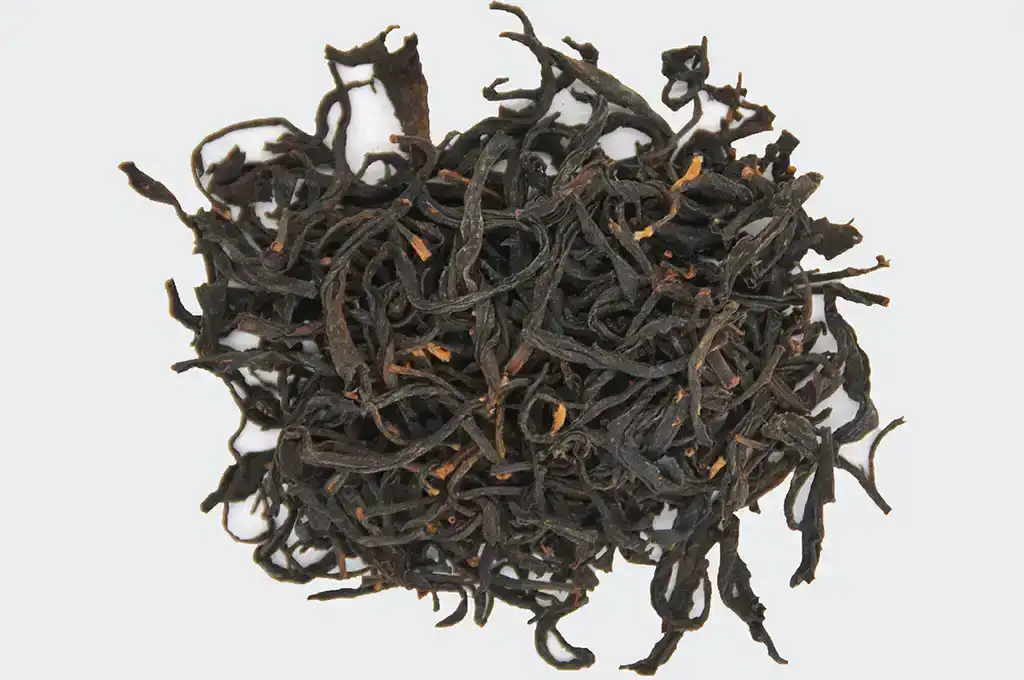
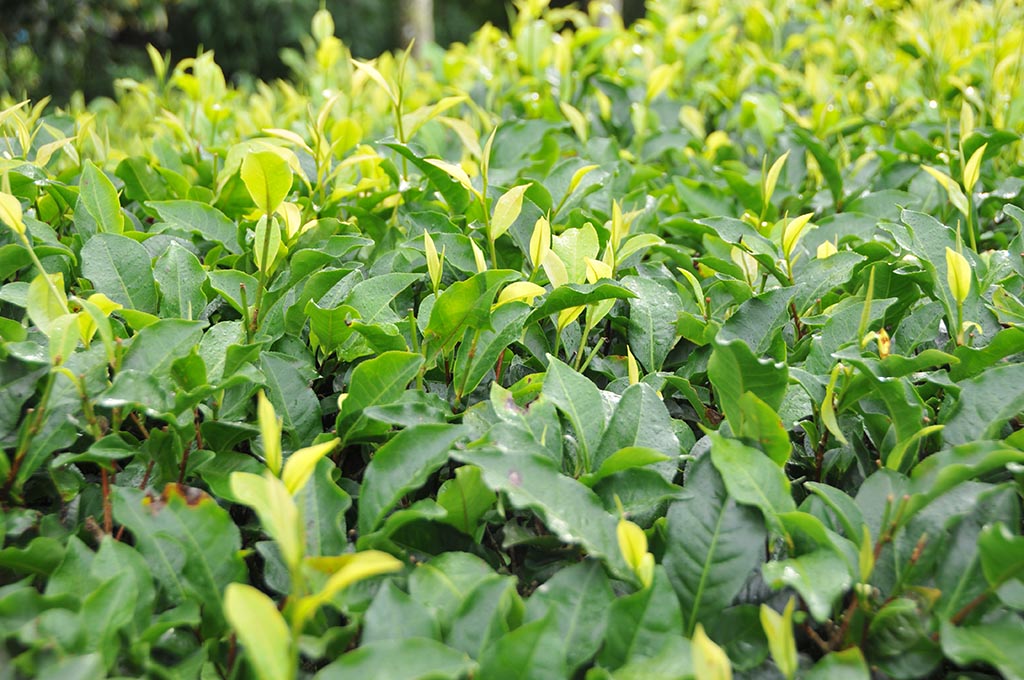
Taiwan Tea No. 18, also known as Ruby, is a new variety bred by the Yuchi Branch of the Tea Research and Extension Station (TRES). It is a hybrid of native Taiwanese wild mountain tea and Burmese large-leaf variety, offering a rich, refreshing taste with subtle notes of cinnamon and mint. It is widely used

Status of the 2022 High Mountain Winter Sprout Oolong

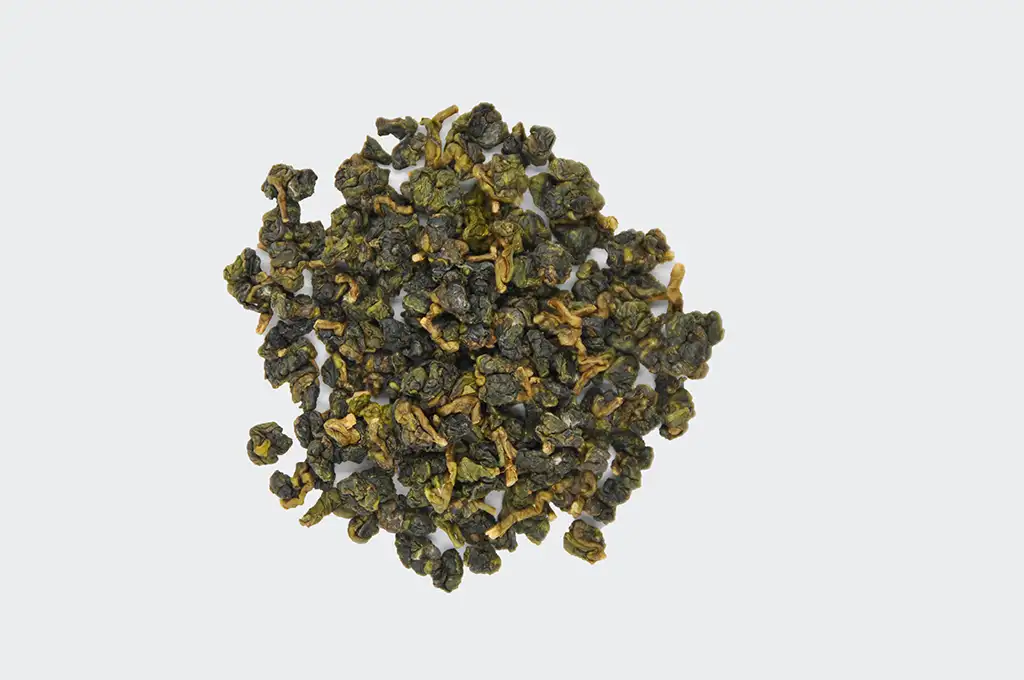
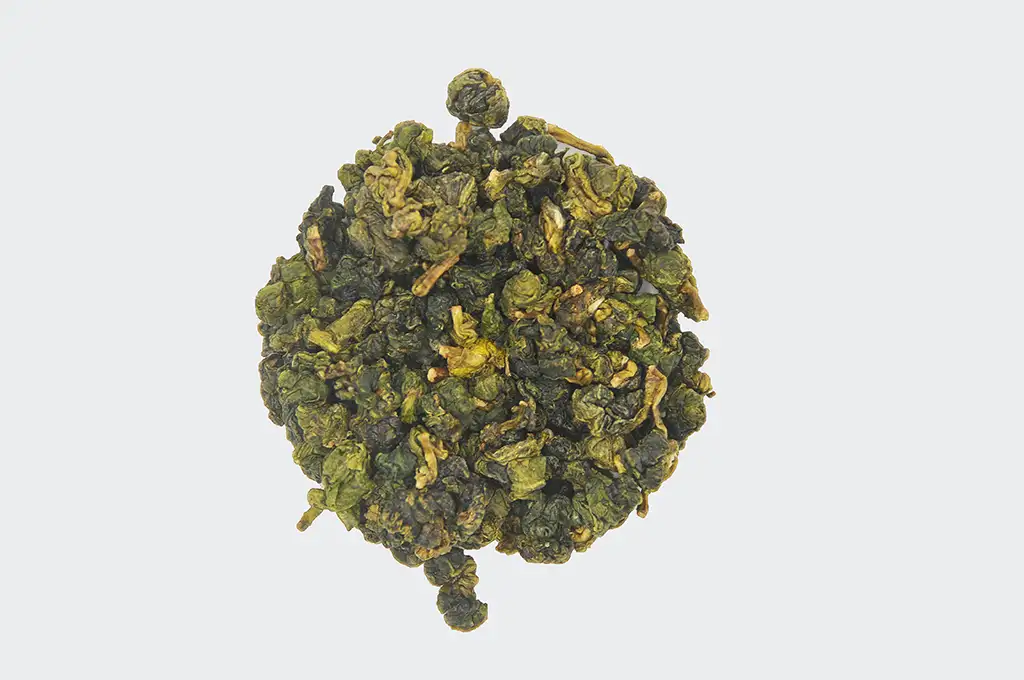
Reporting to all tea lovers: from mid-November to early December, the store manager tasted nearly 20 batches of High Mountain Winter Sprout Oolong and “didn’t find a single good one.” Therefore, the 2022 High Mountain Winter Sprout Oolong is definitely off the table. That’s two years in a row without selling High Mountain Winter Sprout

Zhushan Hand-Picked Si Ji Chun Winter Sprout Oolong (Harvested Dec 18) is Sold Out

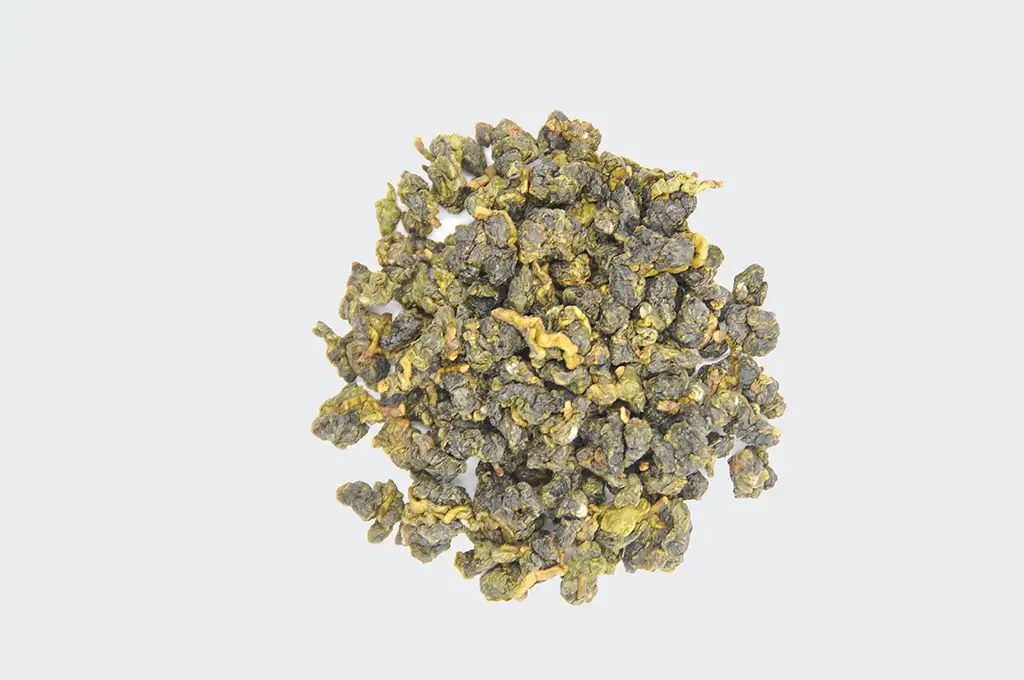
Zhushan Hand-Picked Si Ji Chun Winter Sprout Oolong (Harvested Dec 18) is sold out~Zhushan Hand-Picked Si Ji Chun Winter Sprout Oolong (Harvested Dec 18) is sold out~Zhushan Hand-Picked Si Ji Chun Winter Sprout Oolong (Harvested Dec 18) is sold out~ Thank you so much~ Spring teas will be available soon, and we appreciate your continued

Biluxi tea

Biluxi Tea: An Unforgettable Sip in Every Cup

Biluxi Tea is a premium Taiwanese high mountain oolong tea grown in Ren’ai Township, Nantou County. Located along the Central Cross-Island Highway between the 95 km and 99 km markers, these tea gardens were historically regarded on par with Dayuling tea. Biluxi Tea is primarily crafted into lightly fermented oolong tea. Biluxi Tea: Rivaling the

HuaGung Tea

HuaGung Tea: Taiwan’s Highest-Altitude Tea

HuaGung tea is a renowned Taiwanese high-mountain tea originating from Cihua Village in Ren’ai Township, Nantou. At altitudes ranging from 1,800 to 2,520 meters, it is currently Taiwan’s highest tea-producing region. Virtually all HuaGung tea is crafted into lightly fermented oolong tea. The Highest Altitude HuaGung Tea Originally, Dayuling tea held the record for Taiwan’s

Biluxi tea

Xinjiayang Tea: The Core Origin of Lishan Tea

Xinjiayang Tea is located in Lishan Village, Heping District, Taichung City, and is one of the most important tea-producing areas in the Lishan region. Centered around the Xinjiayang indigenous community, the tea gardens span across four mountain ridges and face predominantly east. Blessed with exceptional geographical conditions and abundant sunshine, Xinjiayang produces tea that ranks

Diaoqiaotou Tea

Diaqiaotou Tea: Premium Tea Grown on Both Sides of Lixing Suspension Bridge

Diaqiaotou tea originates from Ren’ai Township, Nantou County, Taiwan, an area well-known for the Lixing Suspension Bridge. The tea plantations are nestled within the primitive forests on either side of the suspension bridge, providing an ideal growing environment for the tea trees. The region primarily produces lightly fermented Oolong tea, along with small quantities of

Maleba tea

Malieba Tea: High Mountain Tea from an Ancient Atayal Tribal Village

Malieba tea is grown in Ren’ai Township, Nantou County, Taiwan, situated at the central point of the Lixing Industrial Road. Blessed with an exceptional high-mountain climate and fertile soil, Malieba tea exudes a unique aroma and a rich, mellow flavor. Malieba tea primarily consists of lightly fermented oolong tea, along with a small amount of

Cingjing Tea

Cingjing Tea: A Premium Choice of Limited Quantity and Exceptional Quality

Cingjing tea originates from Ren’ai Township, Nantou County. The tea plantations are primarily located on the slopes below Provincial Highway 14, with a small portion along the Lixing Industrial Road. These tea-producing areas generally face east, receiving abundant sunlight. Combined with the chilly breezes and ultra-high altitude of Hehuanshan, this results in tea of outstanding

Cuifeng Tea

Cuifeng Tea: Exceptional Quality High Mountain Tea

Cuifeng Tea is produced in Ren’ai Township, Nantou County. The tea gardens are located along the Cuifeng branch of the Lixing Industrial Road, stretching from Cingjing toward Wuling. The main characteristics of Cuifeng Tea are its high yield and exceptional quality, which rivals that of Lishan tea. The region primarily produces lightly fermented oolong tea,

Cuiluan tea leaves

Cuiluan Tea: The Largest Tea-Producing Region in the Back of Lishan

Cuiluan tea is produced in Ren’ai Township, Nantou County, centered around the Cuiluan Tribe and Maliguan, with tea plantations cultivated along the Lixing Industrial Road. The high-altitude environment here allows both the yield and quality of the tea to rank among the finest. The local tea is primarily made into lightly fermented oolong, with small

Fanzitian tea

Fanzitian Tea: The Low-Profile Star of ShanLinXi Teas

Located at the border of Zhushan Township in Nantou County and Gukeng Township in Yunlin County, Fanzitian Tea is the largest tea-producing area within the ShanLinXi tea region, renowned for its exceptional quality. The tea plants here are predominantly Qingxin Oolong, alongside small amounts of Tiguanyin, Yingxiang, and JinXuan. While mostly crafted into lightly fermented

Alishan tea leaves

Alishan Tea: Floral and Fruity Aromas with a Smooth Taste

Alishan tea is produced in Meishan Township, Zhuqi Township, Alishan Township, and Fanlu Township in Taiwan, making it one of Taiwan’s three major high-mountain tea-producing regions. It offers a wide variety of teas, primarily including lightly fermented Oolong tea, heavily fermented tea, black tea, green tea, and white tea. Among these, the lightly fermented Oolong

Shopping Cart