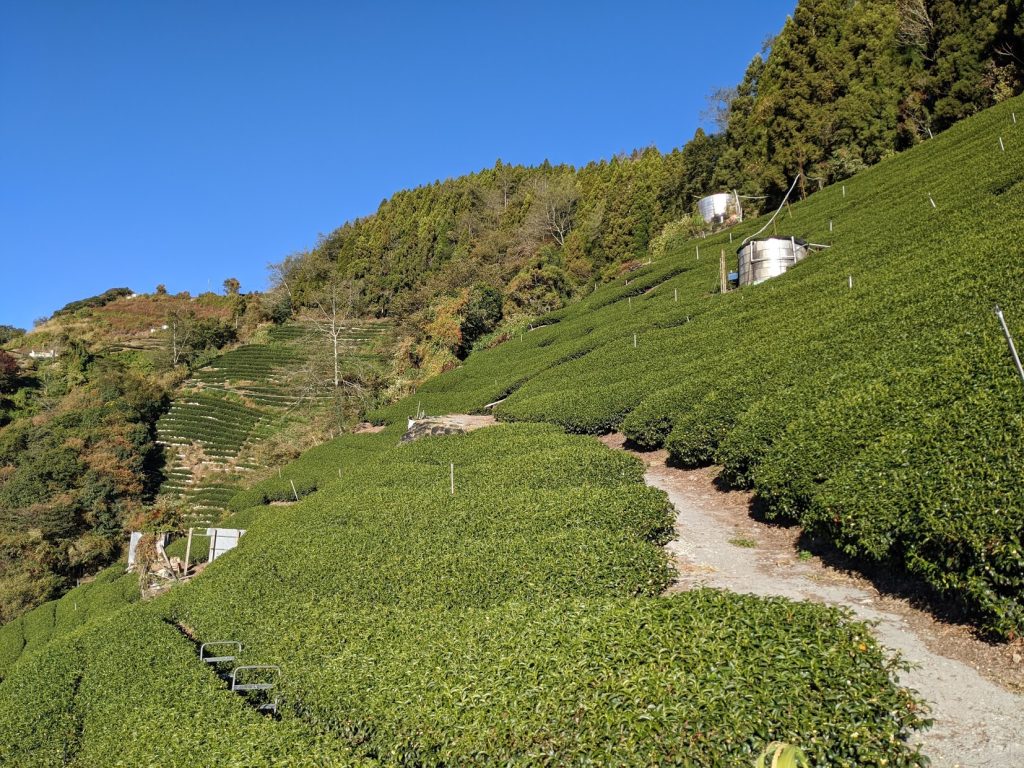
Taiwan Tea Regions

Dayuling Spring Tea Harvest Time: Is Dayuling Spring Tea Really Sold in April?

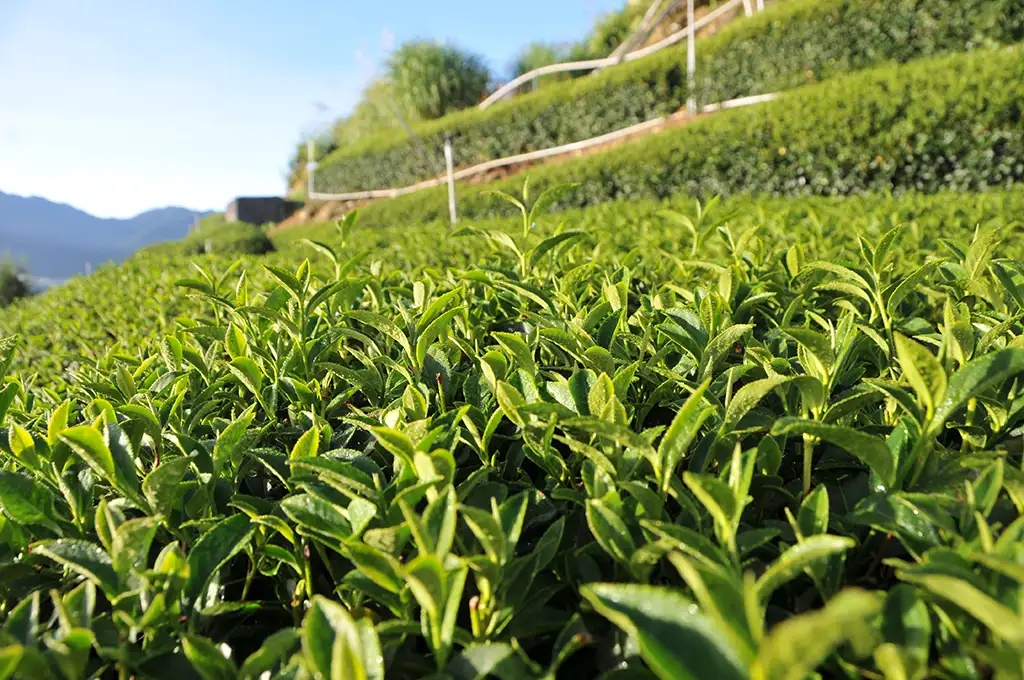
Dayuling Spring Tea is the season with the highest yield and best quality in the Dayuling tea region. Because the tea region is located in high mountains above 2,200 meters, the cold growing season causes the tea leaves to grow slowly. While lowland teas begin harvesting in March, Dayuling Spring Tea isn’t harvested until May,
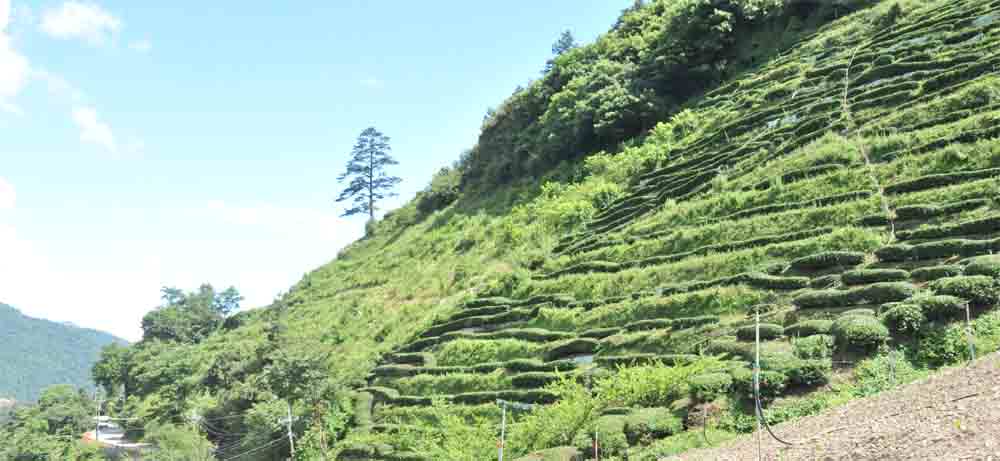
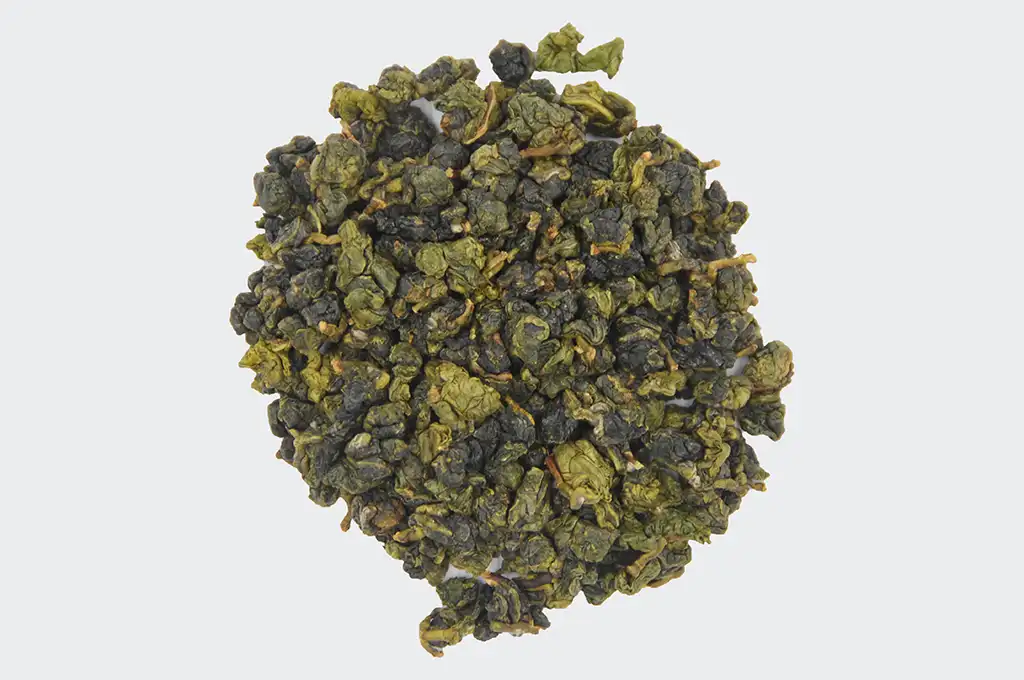
Dayuling Winter Tea Harvest Season

The harvest period for Dayuling winter tea begins in late September. The highest-altitude 105K and 104K plantations are harvested first, followed sequentially by 102K, 100K, 97K, and 98K, with the harvest wrapping up in October. Due to Dayuling’s high altitude and early arrival of winter, the tea plants grow less than they do in spring.

Dayuling tea introduction

Introduction to Dayuling Tea

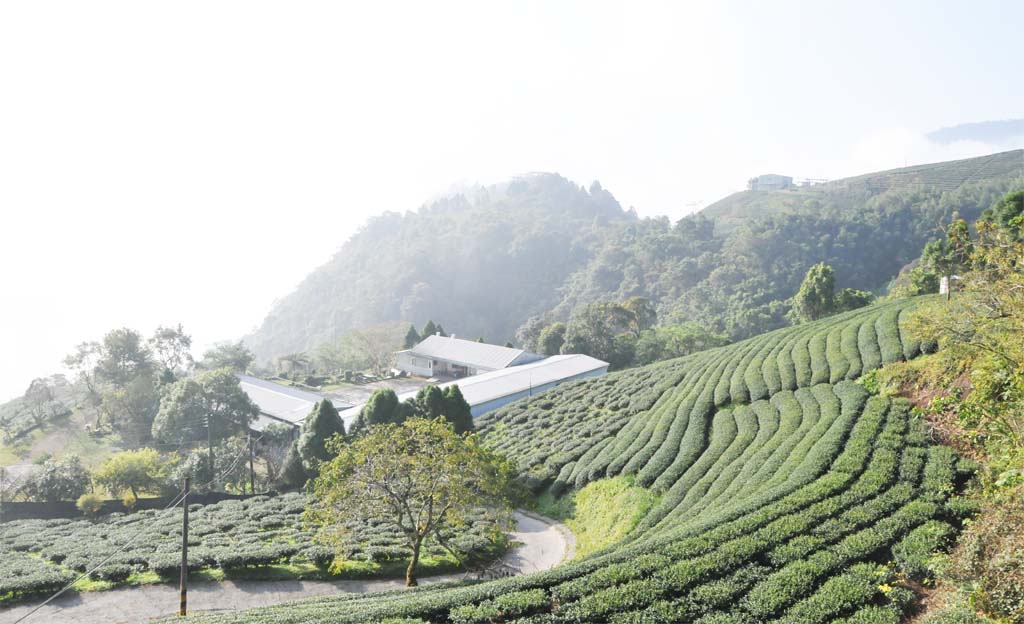
Dayuling tea is grown along the Central Cross-Island Highway in the Dayuling section, between the 97 km and 105 km markers. The tea gardens sit at an altitude of over 2,200 meters, with the 104K tea garden (now removed) reaching nearly 2,700 meters, making it the highest hand-cultivated oolong tea garden in the world. Introduction

Characteristics of Dayuling Tea

When it comes to Dayuling tea, seasoned high-mountain tea lovers usually think of words like “high altitude,” “delicious,” “expensive,” and “cold climate.” But beyond these impressions, what are the unique characteristics of Dayuling tea that make it unforgettable after just one sip? Dayuling tea is grown at high altitudes where it snows in winter and

Dayuling Tea Prices

Customer Inquiry: What is a reasonable price for Dayuling tea? I’ve seen some very cheap options on the market—hand-picked 150g packages for just NT$230, and 300g or 600g for only NT$400 and NT$700, respectively, with guarantees that it’s authentic Dayuling tea. Is this kind of pricing even possible? Chang-Hsing Tea: Dayuling tea is known for

Lishan Oolong Tea Price

Lishan Oolong Tea Price

Customer Inquiry: Hello, I would like to promote Taiwan tea in mainland China. Could you tell me what the approximate price of Lishan Oolong Tea is? Prices in the market range anywhere from NT$500 to NT$8,000 with a huge variance, and I am really worried about buying fake products. Could you please provide a price

Winter tea harvest time

Lishan Winter Oolong Harvest Time: Are There Winter Teas Harvested in September?

Customer Inquiry: When is Lishan Winter Oolong harvested? I’ve already seen Lishan Winter Tea on the market in September—are these genuine winter teas? I also saw a tea shop selling Lishan Winter Tea for NT$1,500 per 600 g; is this price reasonable? Thank you! Table of Contents Lishan Winter Oolong Harvest Time: September to November

Wujie Tea Region: High-Mountain Tea Grown at an Altitude of 1,500 Meters

Located in Fazhi Village, Ren’ai Township, Nantou County, the Wujie tea-producing region sits at an elevation between 1,300 and 1,500 meters. It is an indigenous Bunun community situated along the upper reaches of the Zhuoshui River. Near Aowanda and Cingjing Farm, the area is renowned not only for its stunning maple trees and sea of

Lushan Tea Region: Lushan Tea at an Altitude of 1,750 Meters

I personally rank Lushan in the top five “hardest-to-reach tea regions.” The first time I went to Lushan and asked a tea farmer friend how to get there, I got the reply, “Next to Cingjing Farm” and “You’ll see it after passing Wushe.” When I arrived, I realized it should have been “Next to Cingjing

Shibi Caoling Tea Region

Shibi and Caoling Tea Region: Elevation 1,300 Meters

Shibi and Caoling are located in Gukeng, Yunlin, near Fanzitian and Sancengping, and are also considered part of the ShanLinXi tea family. With elevations ranging from 700 to 1,300 meters here, the characteristic high-mountain mountain aroma is fantastic. Shibi and Caoling Tea Region Reaches Up to 1,300 Meters in Elevation The Shibi area is close

Bihu Tea Region

The Bihu tea region is located in Meishan Township, Chiayi County, at an altitude of 700 to 1,200 meters. Home to the well-known Bihu Mountain Tourist Tea Plantation, it’s not just a great spot for tea tasting, but also a popular destination for taking in the sea of clouds and catching the sunrise. /*! elementor

Taiping Tea Region

The Taiping Tea Region is located in Meishan Township, Chiayi County, primarily cultivating Qingxin Oolong and JinXuan tea. The tea gardens sit at altitudes between 900 and 1,100 meters. /*! elementor – v3.7.8 – 02-10-2022 */ .elementor-widget-image{text-align:center}.elementor-widget-image a{display:inline-block}.elementor-widget-image a img[src$=”.svg”]{width:48px}.elementor-widget-image img{vertical-align:middle;display:inline-block} The Taiping Tea Region, Taihing Tea Region, and Bihu Tea Region can essentially be

Cuiluan tea growing area

Cuiluan Tea Region: Cuiluan Tea Grown at an Altitude of 2,050 Meters

Located in Ren’ai Township, Nantou, the Cuiluan Tea Region centers around the Cuiluan settlement and is primarily divided into the North and South Cuiluan lines. The tea gardens are scattered along the Cuiluan Industrial Road and Lixing Industrial Road, adjacent to the HuaGung and Malieba tea regions, sitting at altitudes ranging from 1,400 to 2,050

Shopping Cart