Tea Cultivars

Taiwan Tea No. 18

Taiwan Tea No. 18

Introduction to the Taiwan Tea No. 18 tea cultivar, including its origins, pricing, characteristics, and more. Related to Taiwan Tea No. 18 Taiwan Tea No. 18 Ruby Taiwan Tea No. 18, also known as Ruby, is a premium cultivar developed by the Yuchi Branch of the Tea Research and Extension Station in Taiwan… Characteristics What
What is Si Ji Chun tea

What is Sijichun Tea? Why Has It Become the Favorite Tea of the Younger Generation?

What is Sijichun tea? Sijichun is a tea tree variety discovered by Zhang Wen-hui, a tea farmer from Muzha. Because it can be harvested many times a year, Zhang initially named it “Liuji Xiang” (Six-Season Fragrance). As it spread to tea-growing regions in central and southern Taiwan, its vigorous growth—lush and green all year round—earned

Is Si Ji Chun green tea?

Is Si Ji Chun Green Tea? You Might Have Tea Classification Wrong!

When inquiring about Si Ji Chun tea, many customers often ask: “Is Si Ji Chun green tea?” In fact, this question is not entirely accurate. Si Ji Chun is not a tea made through a specific production method, but rather a tea tree variety. Depending on different processing methods, Si Ji Chun can be made

What is Four Seasons Oolong Tea

Must-Read for Tea Lovers! What is Sijichun (Four Seasons Spring) Green Tea?

What exactly is Sijichun green tea? First, we need to explain two concepts: “Sijichun” and “green tea” (Qingcha). “Sijichun” is a tea tree variety, while “green tea” refers to the tea-making method. Professionally, Qingcha is known as “partially fermented tea,” but it is more commonly and familiarly known as “oolong tea.” We have a more

What is JinXuan 27 tea

What is JinXuan 27 Tea? Taste, Flavor, and Review

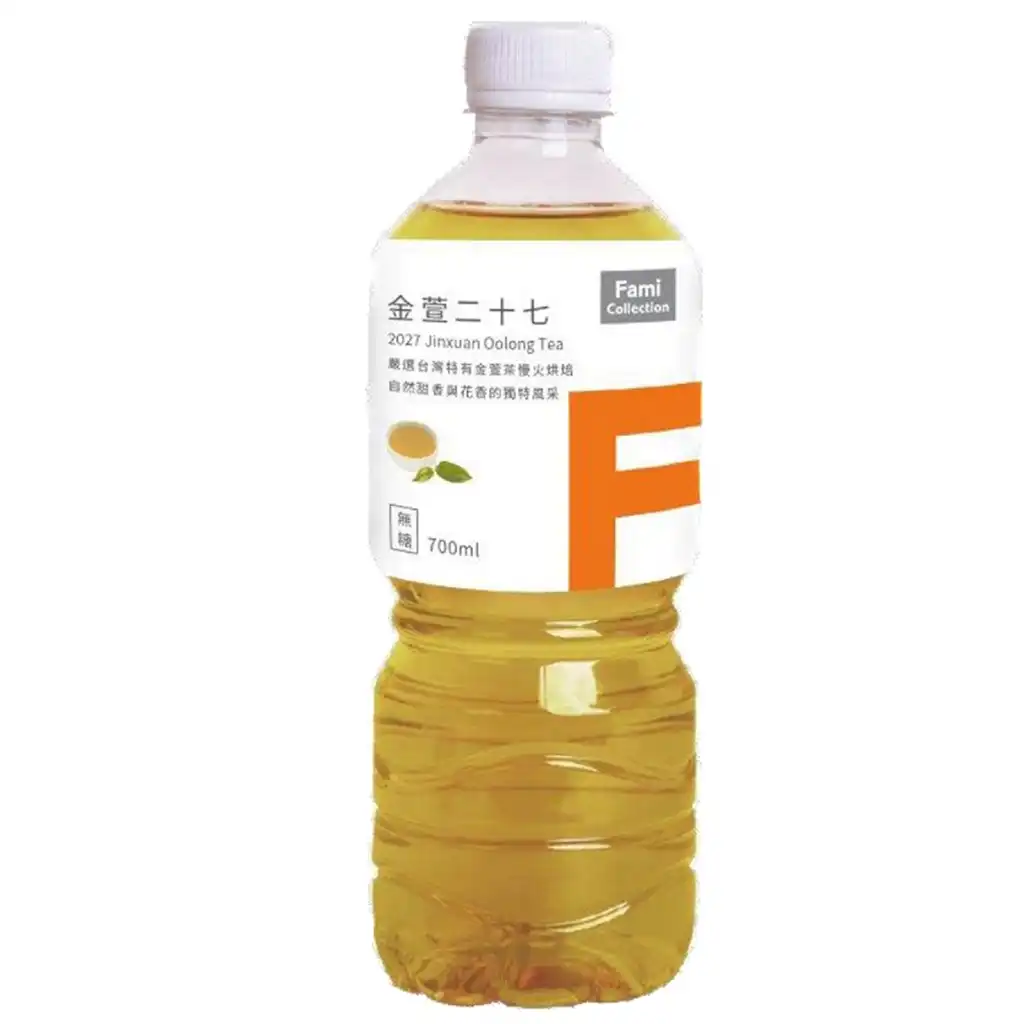
JinXuan 27 is a bottled tea beverage launched by FamilyMart. It uses Taiwan’s unique JinXuan tea variety, crafted with slow roasting to deliver natural sweetness and floral aromas. It is called JinXuan 27 because JinXuan tea’s original experimental number was 27. What is JinXuan 27 tea? A tea beverage launched by FamilyMart, made with Taiwan

Er-Shi-Qi Zai Tea

What is “27-zai” Tea? The Story Behind This Quirky Name

“27-zai” tea is another name for JinXuan tea. This unique nickname comes from its early experimental code, “2027.” Tea farmers affectionately gave it this moniker based on the Taiwanese Hokkien pronunciation—”27-zai tea” (27仔茶). The name is simple yet full of local character, making it memorable the moment you hear it. Why Is It Called 27-zai

Qingxin Oolong tea

Tea Plant Variety: Qingxin Oolong

Qingxin Oolong is the tea variety with the longest cultivation history and widest distribution in Taiwan. It can be found from south to north, and from lowlands to high mountains. It is also the tea variety with the largest production volume and highest economic value. Origins of the Qingxin Oolong Tea Plant Legend has it

Tea tree variety

Tea Plant Varieties

An introduction to various tea plant varieties, their characteristics, pricing, comparisons, and more. Tea Plant Varieties Comparison Between Qingxin Oolong and Sijichun A comparison between these two tea plant varieties: Qingxin Oolong and Sijichun~

Characteristics of Taiwan Tea No. 18

Characteristics of TTES No. 18: What is its flavor profile like?

TTES No. 18 is Taiwan’s most popular black tea variety. As a landmark tea cultivar, it offers exceptional mouthfeel and flavor. Here are the characteristics of Ruby (TTES No. 18). Characteristics of TTES No. 18: What is its flavor profile like? Varietal Aroma The defining characteristic of Ruby (TTES No. 18) is its distinct varietal

Tea Cultivar: Qingxin Dahao

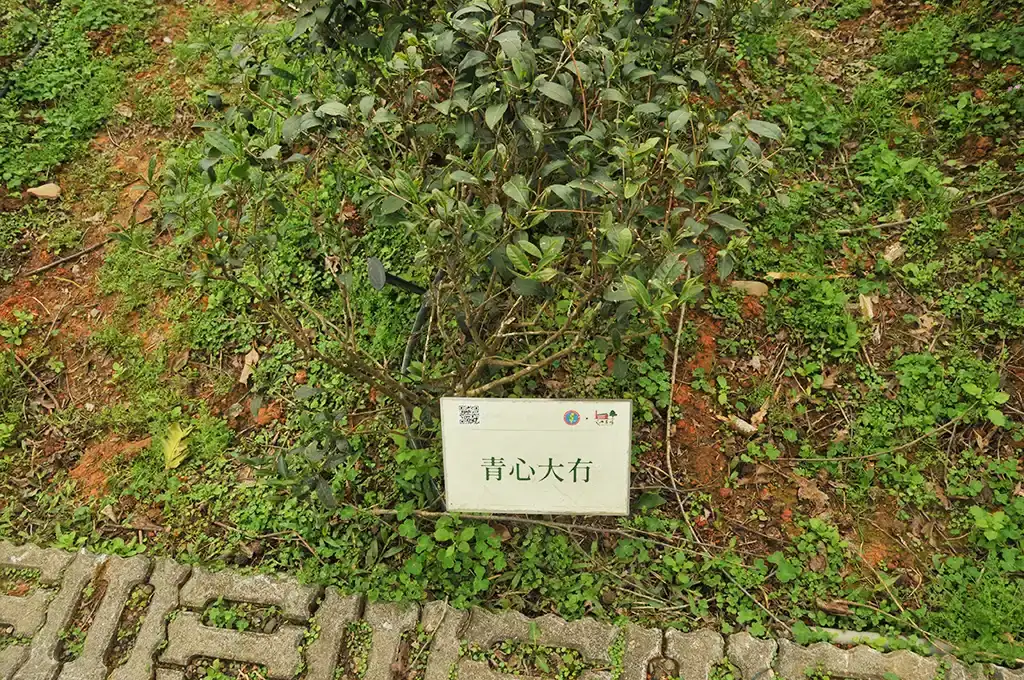
When talking about Qingxin Dahao, many people’s first question is how to pronounce the character 「冇」 (mǎo).In Mandarin Zhuyin, it is pronounced the same as 「某」 (mǎo), and in Taiwanese Hokkien, it is pronounced “phànn” (similar to “pa”). It is often simply referred to as “Dahao.” Now that we know how to pronounce its name,

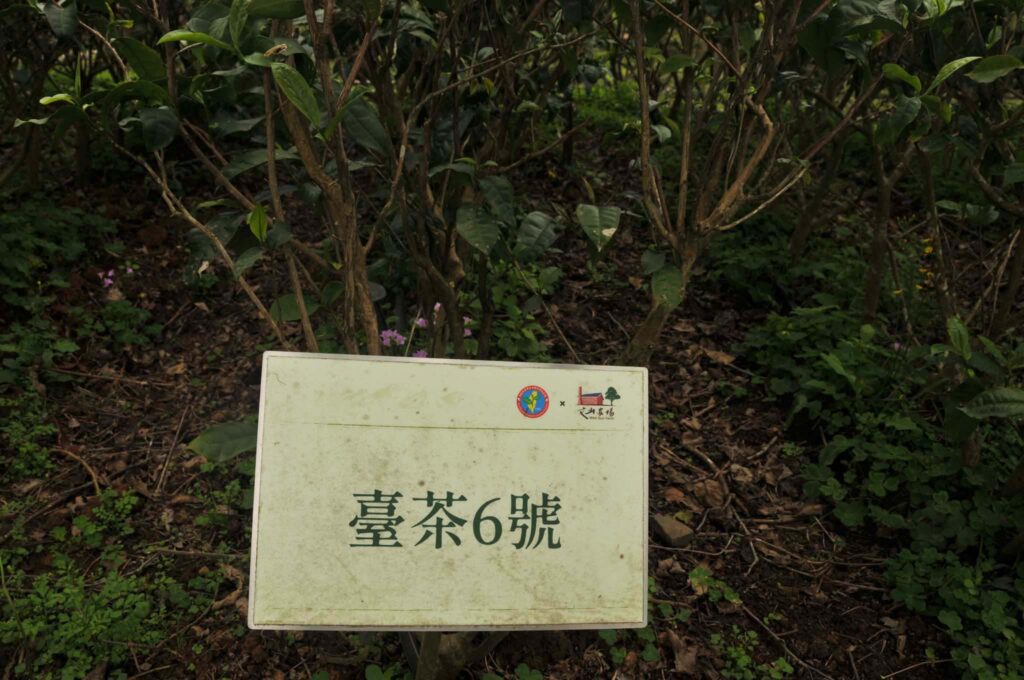
Tea Cultivar: TTES No. 6

TTES No. 6 is a tea cultivar developed by the Taiwan Tea Experiment Station and officially named in 1974. Selected from natural hybrid offspring with Qingxin Oolong as the maternal parent, it is an early-budding cultivar particularly well-suited for green tea production. Tea Cultivar: TTES No. 6 TTES No. 6 was selected from a natural

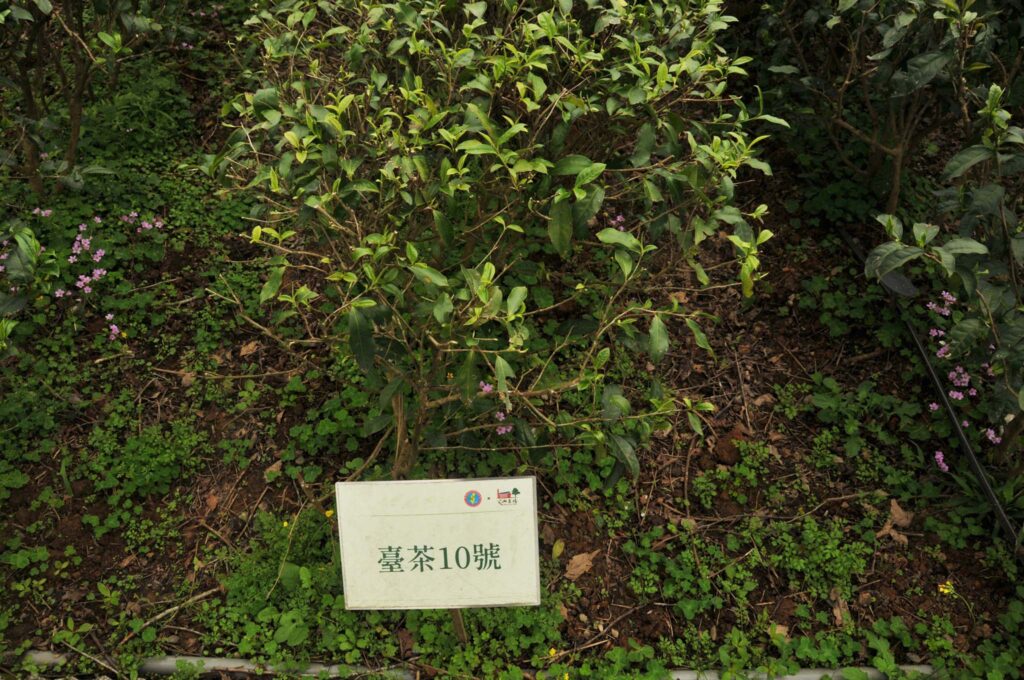
Tea Cultivar: TTES No. 10

TTES No. 10 is a cultivar developed by the Taiwan Tea Research and Experiment Station. Created through artificial hybridization between the paternal cultivar Jaipuri and the maternal cultivar Huang-Gan, it was officially named TTES No. 10 in 1975 and is particularly well-suited for producing summer black tea. Tea Cultivar: TTES No. 10 TTES No. 10

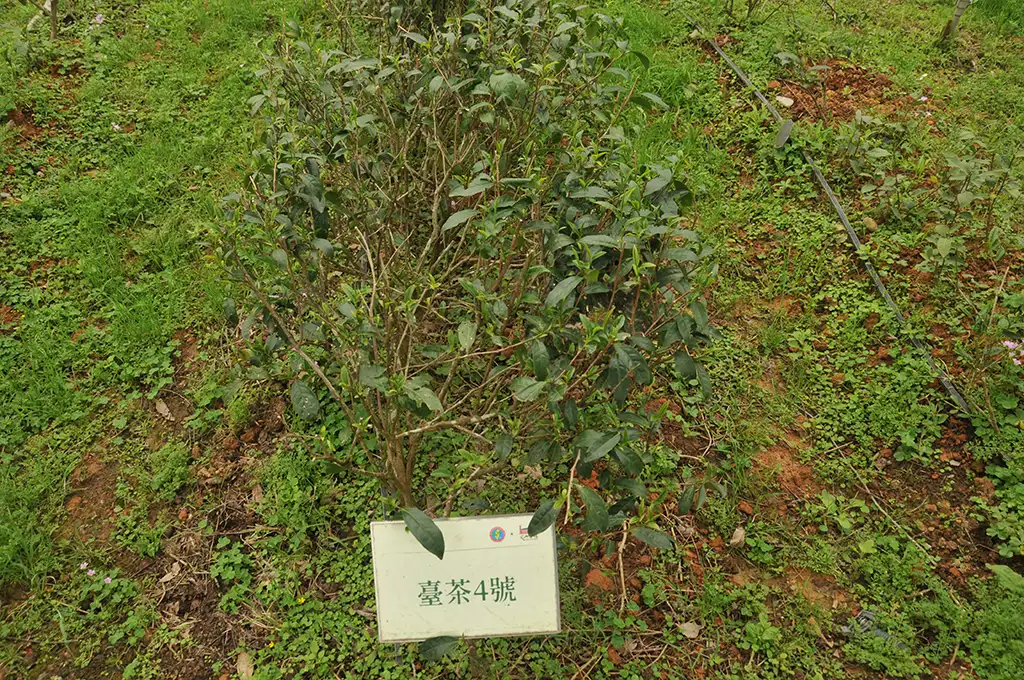
Tea Cultivar: TTES No. 4

TTES No. 4 is a cultivar developed by the Tea Research and Extension Station (TRES). Field trials began in 1952, selecting from 46 breeding lines before completing selection in 1968 and receiving its official name in 1969. Like TTES No. 3, it was created by cross-breeding the paternal Manipuri cultivar with the maternal Hongxin Damou

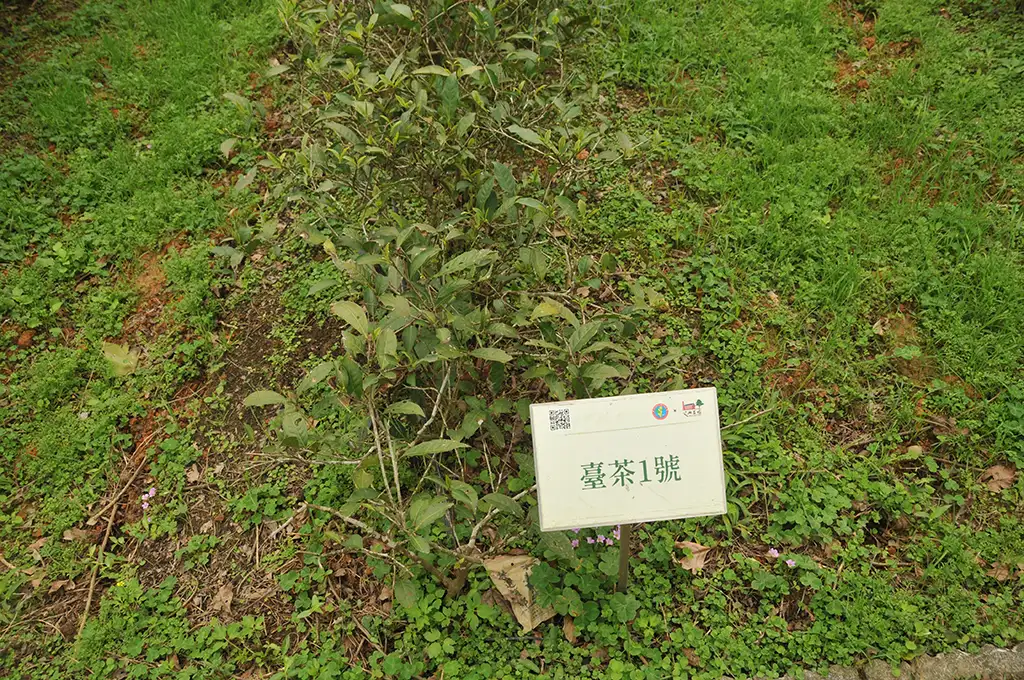
Tea Cultivar: TTES No. 1

In this post, we’re talking about the tea cultivar “TTES No. 1″—not the popular boba shop! If you ended up here by mistake, feel free to hit the back button 😂. Either way, hope you have a great day! 😉 TTES No. 1 Tea Cultivar Bred by Taiwan’s Tea Research and Extension Station, this variety

Shopping Cart