Tea Cultivars

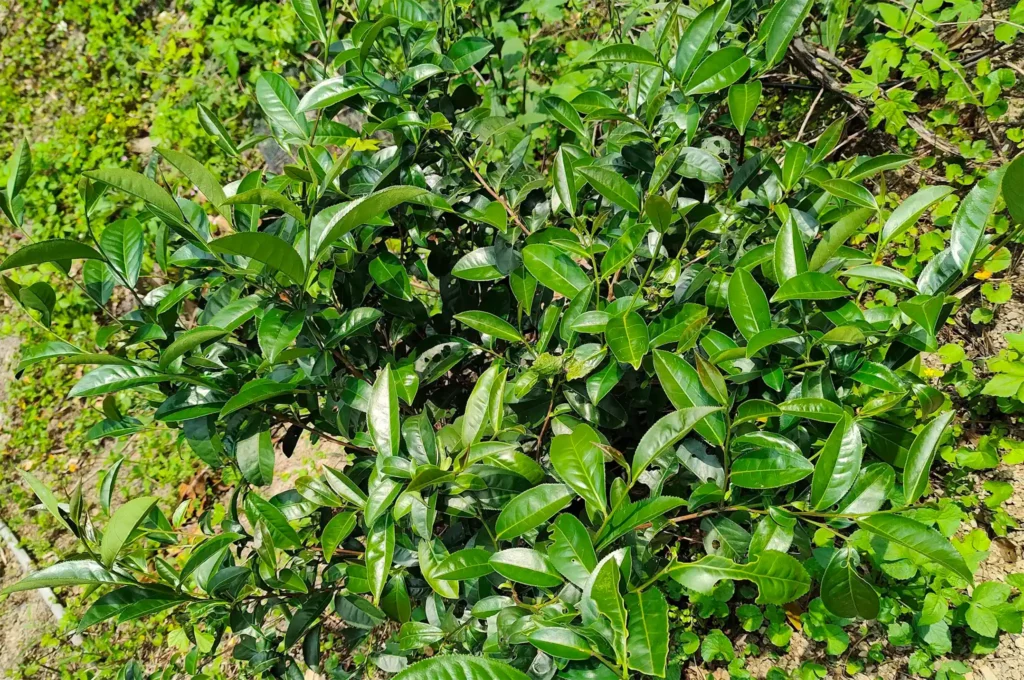
Tea Cultivar: Daye Oolong

Daye Oolong is a tea cultivar selected during the Japanese colonial era in Taiwan and propagated through vegetative cloning to become a renowned local variety. Along with Qingxin Oolong, Qingxin Damao, and Yingzhi Hongxin, it is known as one of Taiwan’s “Four Great Cultivars.” Despite having “Daye” (large leaf) in its name, it actually belongs
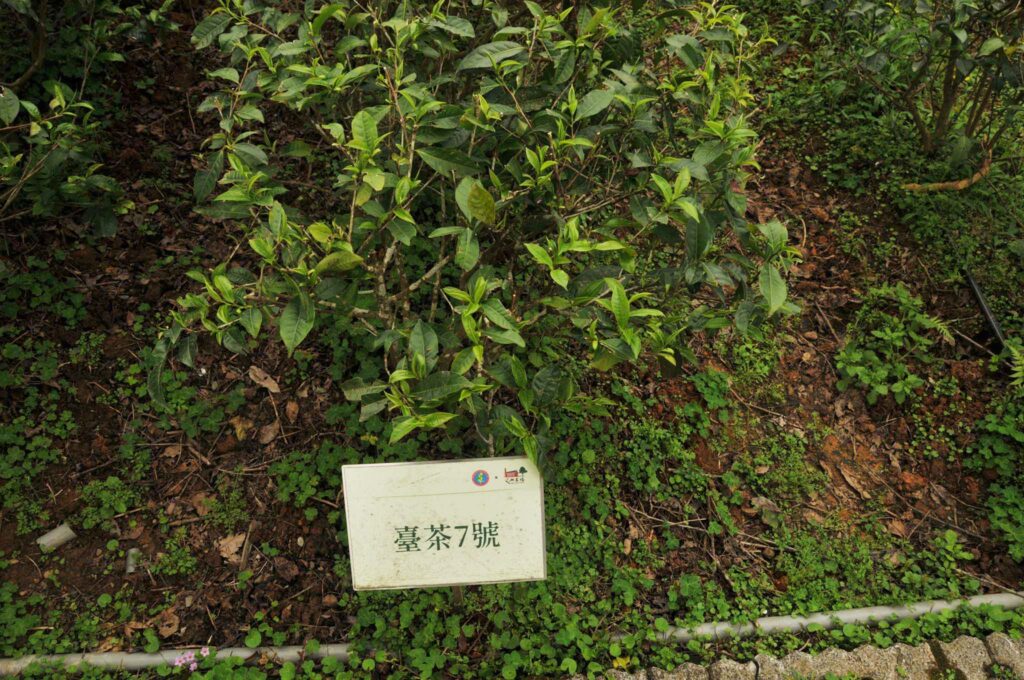
Tea Cultivar: TTES No. 7

TTES No. 7 is a tea cultivar developed by the Taiwan Tea Research and Extension Station. Selected in 1941 from open-pollinated offspring of the “Shan” variety, it was officially named in 1974. It is ideally suited for making black tea. Tea Cultivar: TTES No. 7 TTES No. 7 is a large-leaf, mid-early budding cultivar with

Milk Aroma JinXuan Tea

Where Does the Milky Aroma of TTES No. 12 JinXuan Come From?

A tea lover asked: I bought a JinXuan tea drink from a tea shop that had a rich milky aroma and loved it. Later, I bought loose-leaf JinXuan Oolong tea to brew at home, but I could barely taste any milky flavor. Why is that? Did I buy fake JinXuan tea? Where Does the Milky

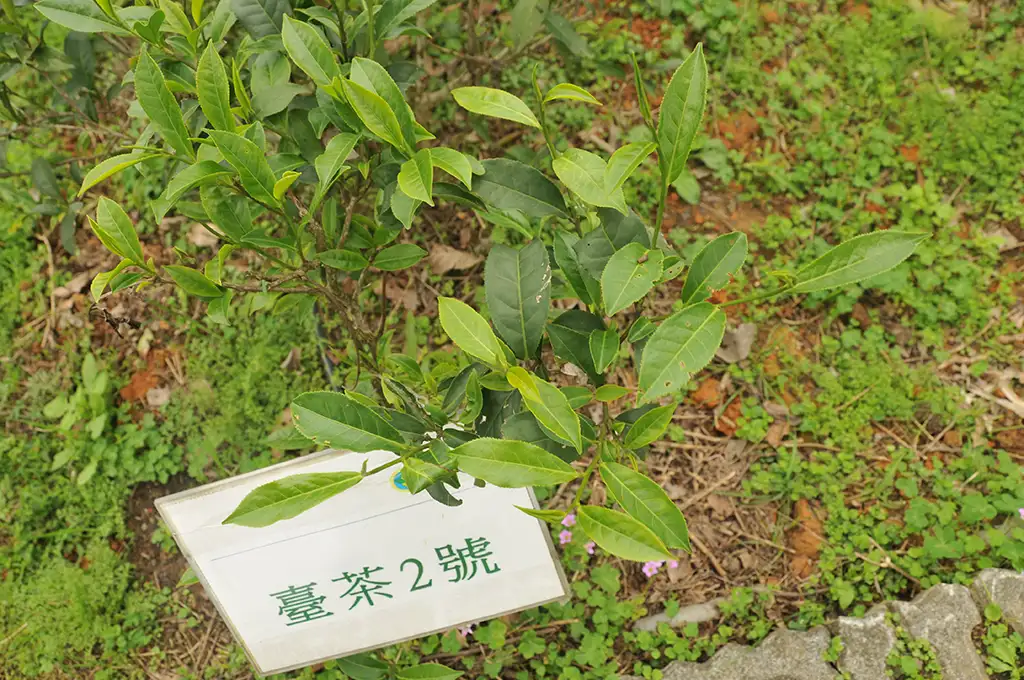
Tea Cultivar: TTES No. 2

TTES No. 2 is a cultivar developed by the Tea Research and Extension Station (TRES). Trials began in 1952, selecting from 46 lines before final selection in 1968 and official registration in 1969. It was created through controlled hybridization between a Jaipuri male parent and a Daye Oolong female parent. TTES No. 2 Tea Cultivar

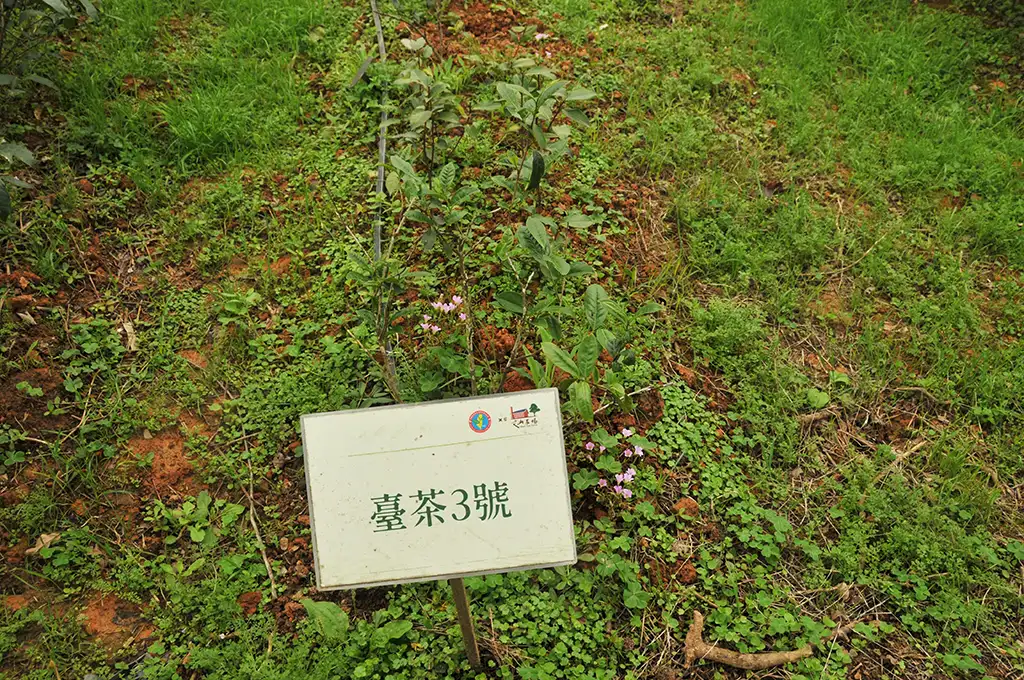
Tea Cultivar: TTES No. 3

TTES No. 3 is a cultivar developed by the Tea Research and Extension Station (TRES). Trials began in 1952, selecting from 46 strains, with final selection completed in 1968 and its naming registered in 1969. It was created through artificial hybridization using the father plant Manipuri and the mother plant Hongxin Dahong. TTES No. 3

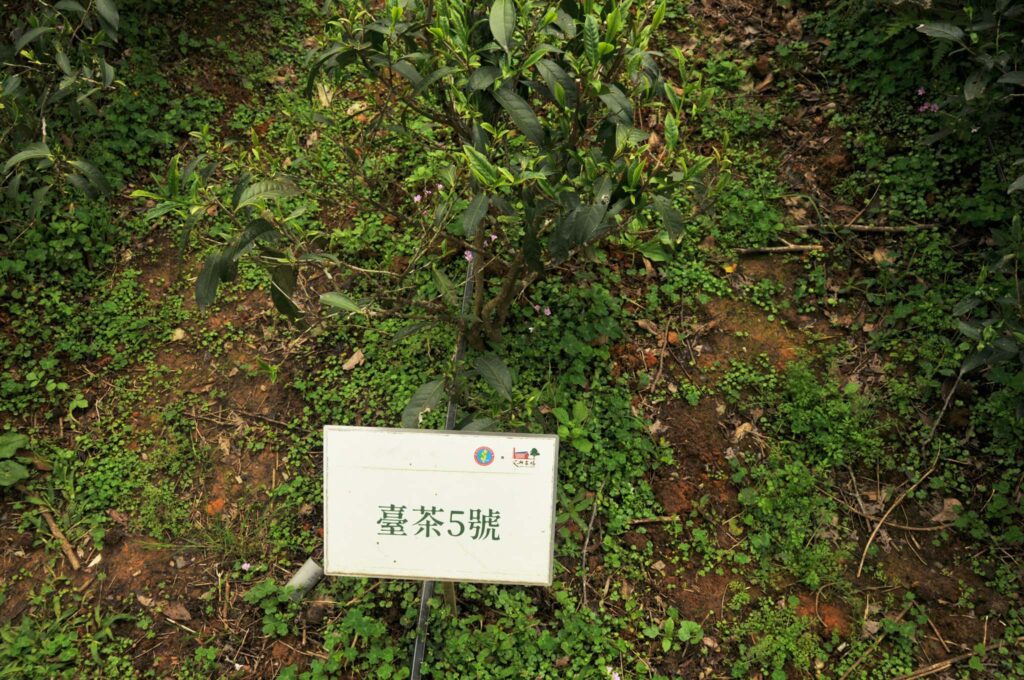
Tea Cultivar: TTES No. 5

TTES No. 5 is a tea cultivar developed by Taiwan’s Tea Research and Extension Station (TRES) and officially named in 1974. Selected from natural hybrid descendants of a Fuzhou maternal line, it is an early-budding cultivar exceptionally suited for green tea production. TTES No. 5 Tea Cultivar Selected from natural hybrid offspring of a Fuzhou

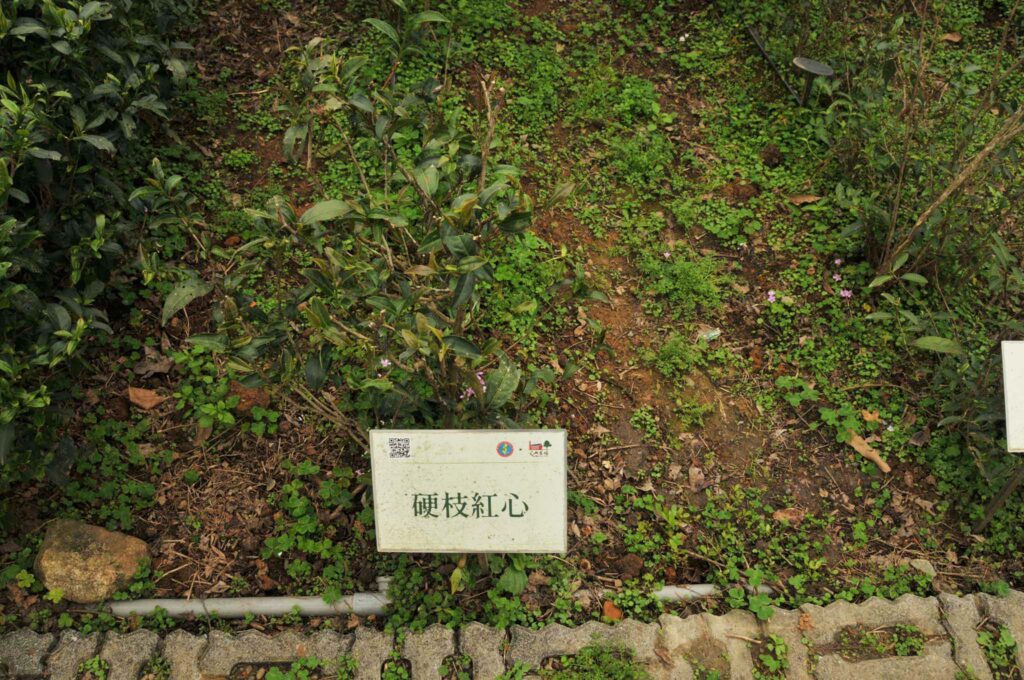
Tea Cultivar: Yingzhi Hongxin

Yingzhi Hongxin is a tea cultivar selected during the Japanese era and established as a renowned local cultivar through vegetative propagation. Together with Qingxin Oolong, Qingxin Damao, and Daye Oolong, it is celebrated as one of Taiwan’s “Four Great Cultivars.” Its defining characteristic is young leaves with a purplish-green tint and tender leaf midribs that

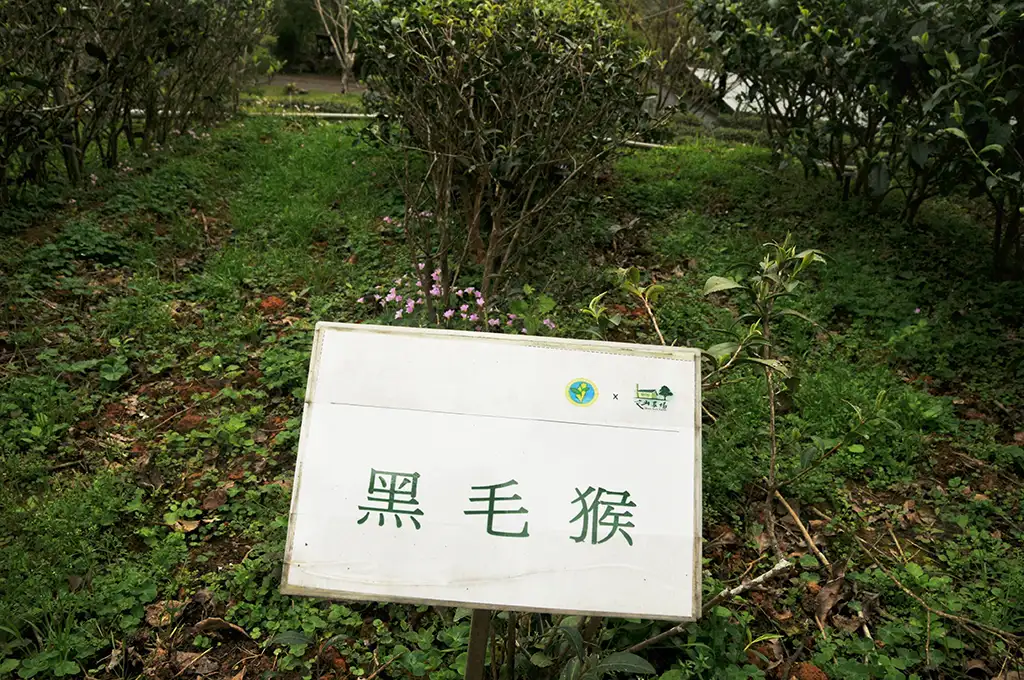
Tea Cultivar: Hei Mao Hou (Black Hair Monkey)

Just to be clear, this article is about the “Hei Mao Hou” tea cultivar, not the actual animal! If you clicked expecting a monkey, feel free to hit the back button 😂. Otherwise, hope you enjoy reading! Rare Tea Cultivar: Hei Mao Hou Many tea lovers are familiar with the Bai Mao Hou (White Hair

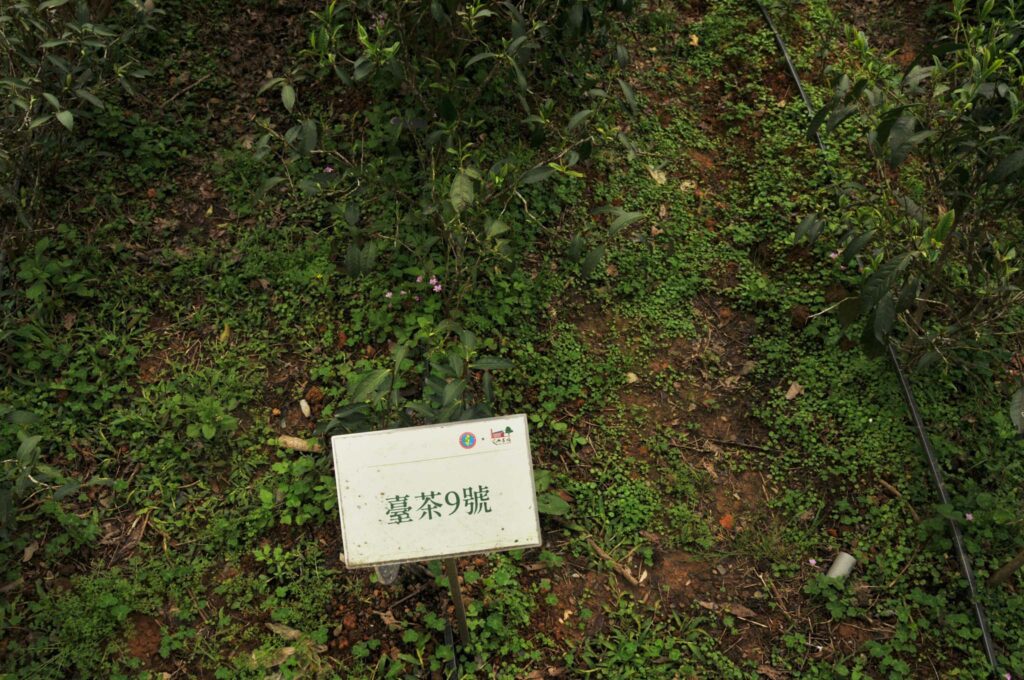
Tea Cultivar: TTES No. 9

TTES No. 9 is a tea cultivar developed by the Taiwan Tea Research and Extension Station (TRES). Bred through controlled hybridization between the Kyang tea strain (paternal parent) and Hongxin Damou (maternal parent), it was officially named TTES No. 9 in 1975. It yields excellent quality whether processed into black or green tea. The bushes

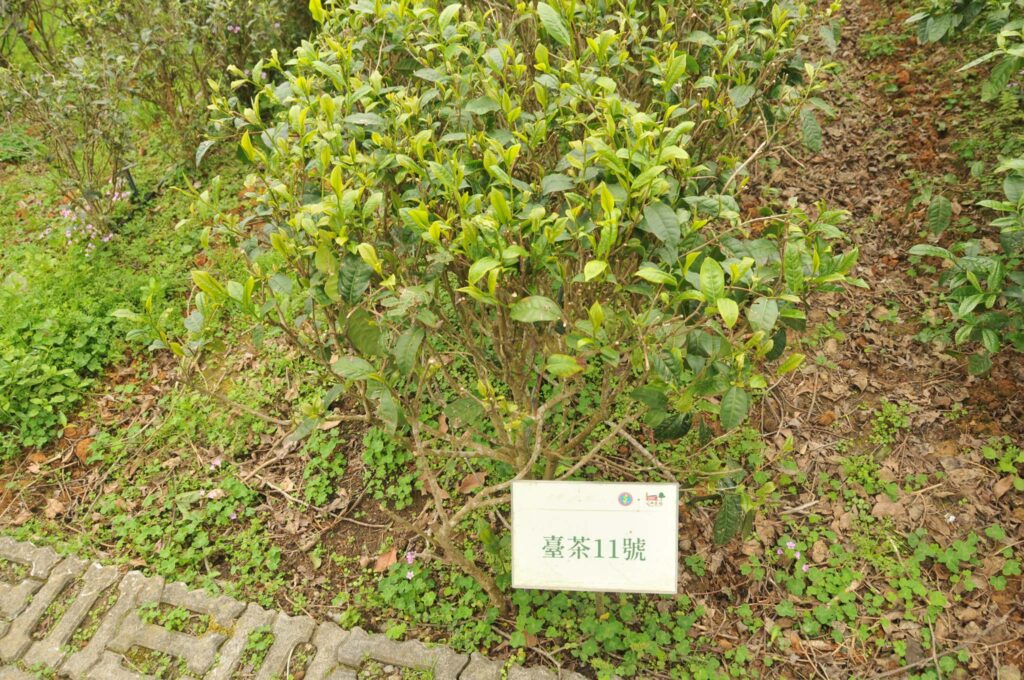
Tea Cultivar: TTES No. 11

TTES No. 11 was developed by the Taiwan Tea Research and Extension Station through artificial hybridization, using Jaipuri as the pollen parent and Daye Oolong as the seed parent. Officially named TTES No. 11 in 1975, it is an extremely early-budding cultivar ideally suited for making black tea. Tea Cultivar: TTES No. 11 TTES No.

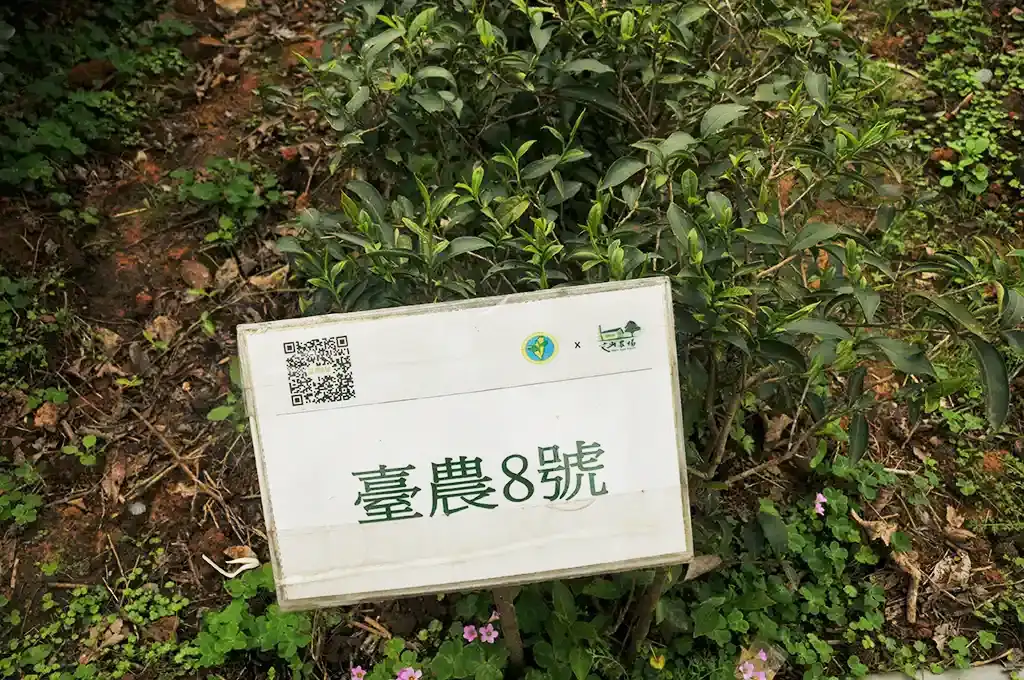
Tea Cultivar: Tainung No. 8

To be clear, this refers to the tea tree cultivar, not corn, orchids, or peaches (which also have “Tainung No. 8” varieties). Also, Tainung No. 8 is not the same as “TTES No. 8″—make sure not to confuse the two! Tainung No. 8 Tea Cultivar This cultivar was developed during the Japanese colonial era at

Shopping Cart