
Can Puer tea be cold brewed? With high summer temperatures, many people love cold brew tea, but Puer tea is a post-fermented tea. Aside from microbial concerns, prolonged storage can potentially lead to mold growth, making cold brewing Puer tea generally not recommended. If you really want to cold brew it, it must be done under the right conditions. Here is an introduction to cold brewing Puer tea:
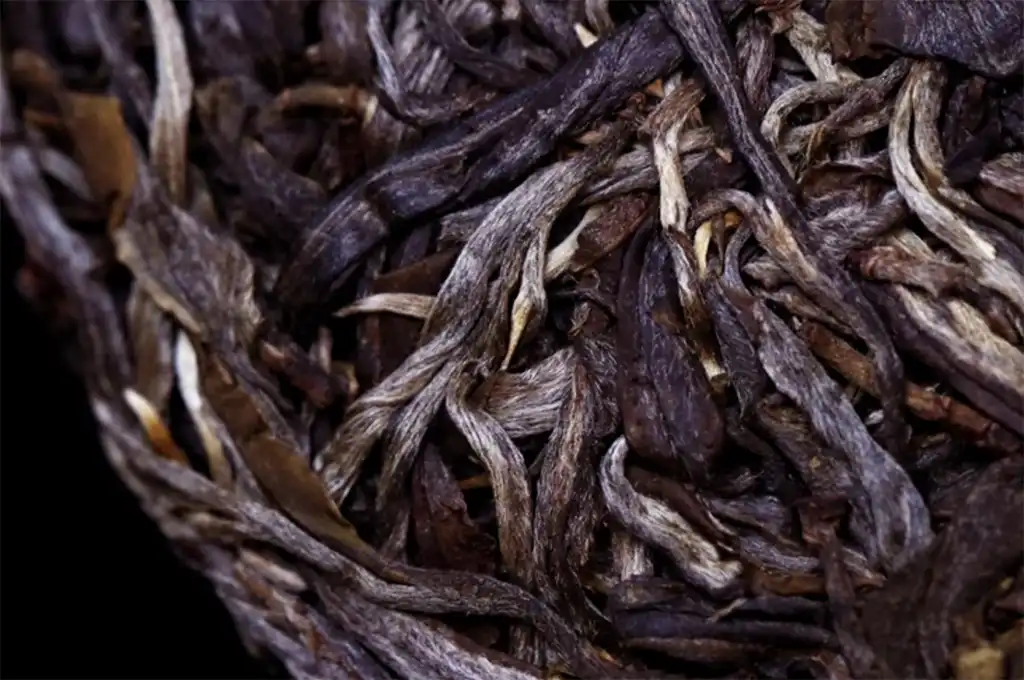
Can Puer Tea Be Cold Brewed? Why It Is Not Recommended
Whether raw (sheng) or ripe (shou) Puer tea, both undergo microbial fermentation. Raw Puer undergoes aging fermentation, while ripe Puer undergoes pile-fermentation (wo dui). In addition to microbial proliferation during the process, subsequent storage can also create opportunities for mold. To avoid consuming unwanted microbes and mold when drinking tea, Puer tea is typically rinsed before brewing—meaning it is first washed with hot water. A single rinse is not enough; it must then be brewed with boiling water to kill any potential mold and microorganisms.
The reason Puer tea is not recommended for cold brewing is that room-temperature water may fail to eliminate harmful microorganisms and mold, and drinking it could cause physical discomfort. Of course, Puer tea produced under ideal conditions may not have pathogen issues, but post-storage still carries risks. Therefore, for health reasons, it is generally recommended to brew it with hot water.
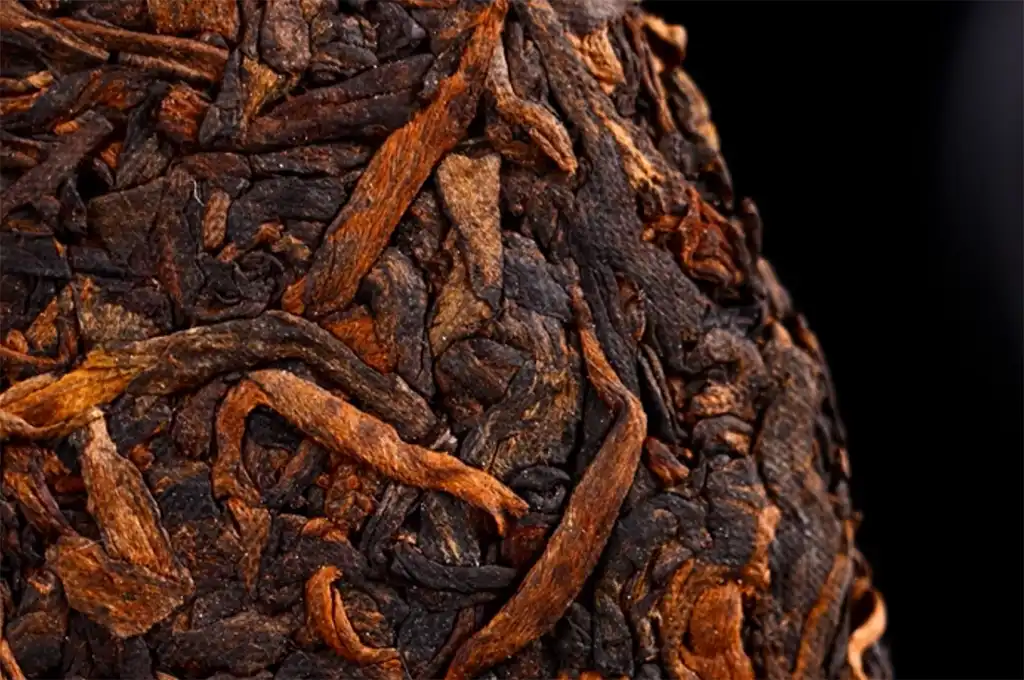
If You Really Want to Cold Brew Puer Tea, What Are the Methods?
At the very least, it must be rinsed with boiling water, and ideally brewed completely with hot water at least once before using it for cold brewing. This ensures the Puer tea is clean and free of mold. If you feel that using previously brewed tea leaves lacks flavor for a cold brew, you can increase the amount of tea leaves used or extend the cold brewing time.
If you choose to cold brew because you want to reduce the extraction of caffeine in Puer tea, this can be achieved by shortening the steeping time and reducing the amount of tea leaves used; you do not necessarily have to resort to cold brewing. Once again, due to microorganisms and fungal concerns, post-fermented dark teas are not suitable for cold-brew consumption.