
Customers sometimes assume that because online marketplaces sell high mountain tea for NT$500 per 600 g, our price of NT$2,000 per 600 g is too high. From a consumer’s perspective, cheaper is naturally better. However, to prevent any misunderstanding that we are making exorbitant profits, we would like to break down the production costs and wholesale prices of high mountain tea to serve as a reliable reference when you are shopping for tea.
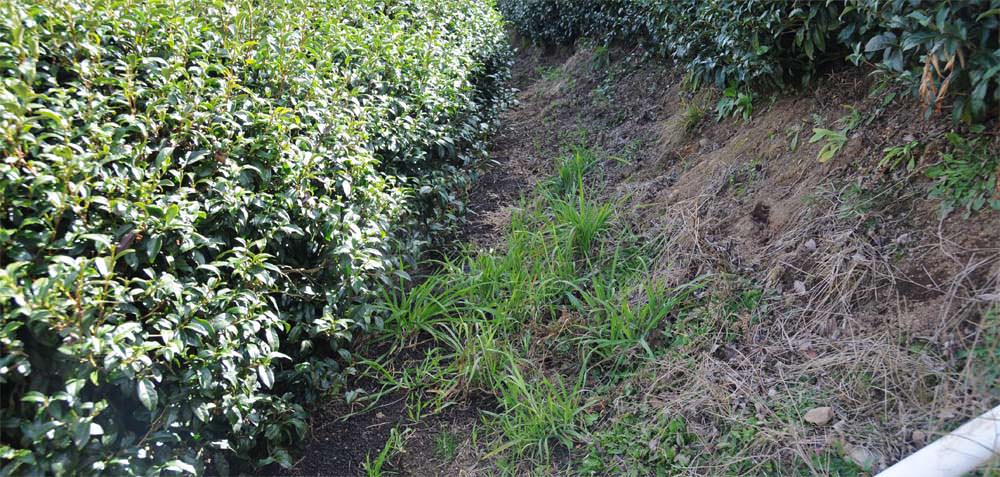
High Mountain Tea Production Costs
High mountain tea costs include tea garden management, harvesting, production, and sales.
Tea Garden Management: This covers land acquisition, daily maintenance, pesticides, and fertilization. Looking at fertilization alone, a 20 kg bag of fertilizer costs NT$200, and one hectare requires 250 bags, totaling NT$50,000. Based on a yield of 360 kg per hectare, the fertilizer cost alone comes out to roughly NT$83 per 600 g. Factoring in pesticides, labor, weeding, and other expenses, it totals around NT$200.
Harvesting Costs: It takes 5 kg of freshly picked tea leaves to make 1 kg of rough tea (maocha). Picking labor costs about NT$60 per catty of fresh leaves, meaning the harvesting cost for 600 g of rough tea is roughly NT$300. Additionally, there are expenses for tea pickers’ beverages, bento meals, transportation, and lodging. Combined, this comes to about NT$320.
Production Costs: High mountain tea is typically outsourced to a tea factory or produced by hiring a specialized tea-making team. A team consists of 4 to 10 people, plus site rental and equipment expenses. Processing costs around NT$200 to NT$250 per 600 g.
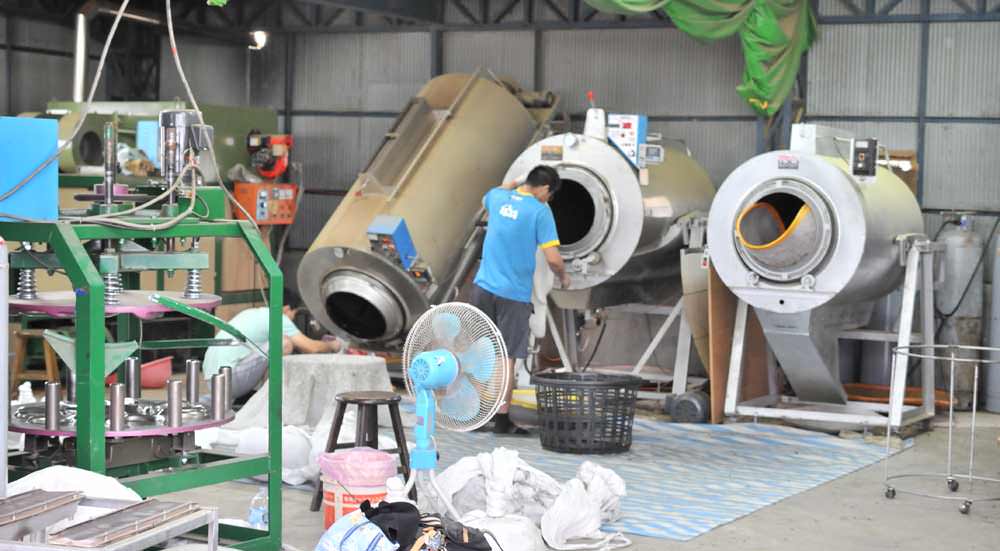
▲ Master tea makers’ wages and equipment costs are very high. Tea-making equipment easily runs into the millions.
Sales Costs: Once the tea is finished, it requires refining, packaging, shipping, complimentary sample mailings, and allowances for loss. Sales costs average about NT$50 per 600 g.
Based on these figures, the production cost alone for 600 g of high mountain tea is around NT$800. And this is just the cost for lower-altitude tea regions—fertilizer, management labor, and harvesting costs are even higher in high-altitude areas. No one would believe a tea merchant selling tea for NT$500 per 600 g when the farmer’s production cost is already NT$800.
High Mountain Tea Price
Alishan Tea: JinXuan is affordable, while Qingxin Oolong is more expensive. Lower altitudes are budget-friendly, and high altitudes cost more. JinXuan grown around 1,000 meters has lower tea leaf costs, with wholesale prices ranging from NT$800 to NT$1,400. Qingxin Oolong ranges from NT$1,200 to NT$2,000.
Lishan Tea: Primarily Qingxin Oolong, with spring tea being more affordable and winter tea more expensive. Around 1,700 meters, wholesale prices range from NT$1,600 to NT$4,000. Tea regions above 1,800 meters, including Jiayang, Cuiluan, and Tianfu Farm, start at around NT$2,600 and up. Biluxi at altitudes above 2,000 meters starts from NT$3,000, while HuaGung and Dayuling start from NT$4,000 per 600 g.
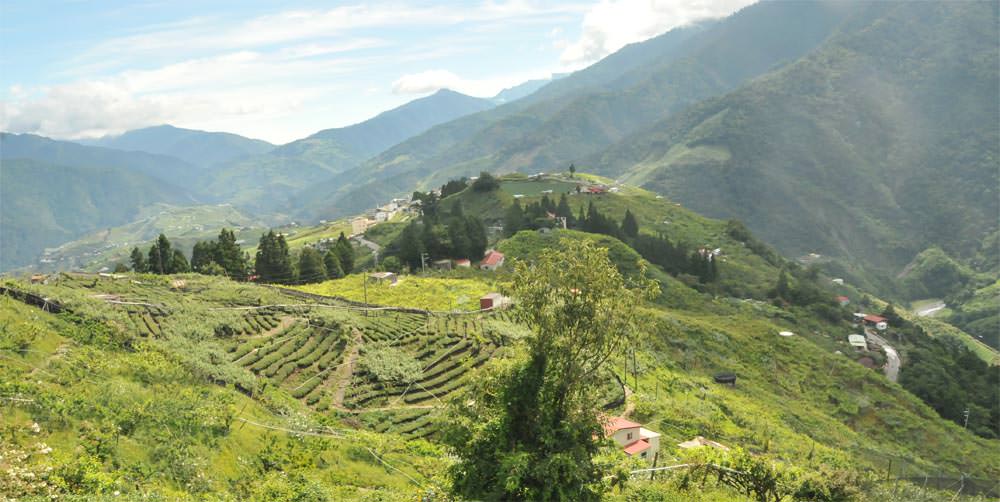
▲ Lishan tea, with wholesale prices starting from NT$1,600.
ShanLinXi Tea: Primarily Qingxin Oolong. Around 1,000 meters, prices range from NT$1,200 to NT$2,000. Premium lots like Zhuwan, LongFengXia, and Yangwan have wholesale prices starting at NT$1,800.
The above are high mountain tea wholesale prices—what tea farmers and factories charge tea merchants. After receiving the teas, merchants sort and refine them before selling to consumers. With a 30% profit margin as a baseline, consumers can easily calculate a fair retail price for high mountain tea.