Renai Township Tea Region: 12 High Mountain Tea Areas in Renai Township

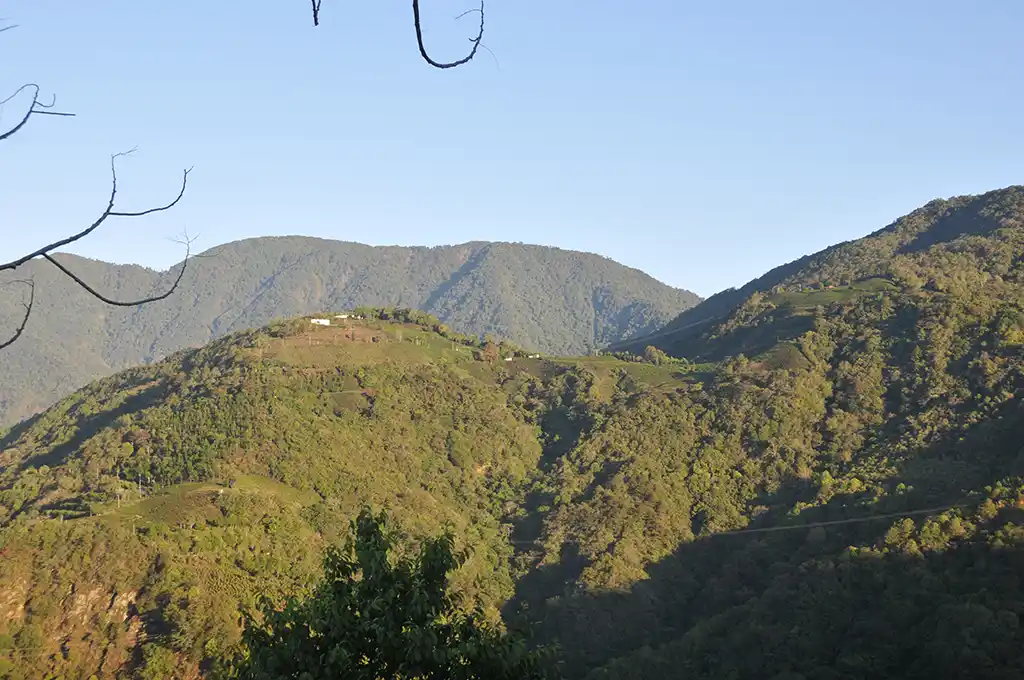
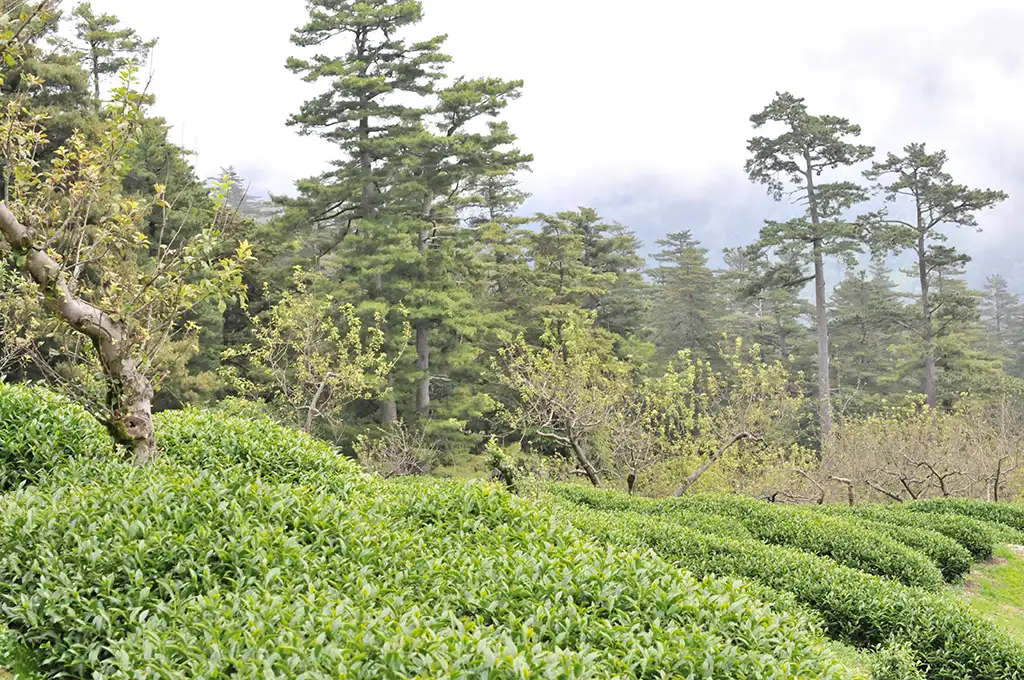
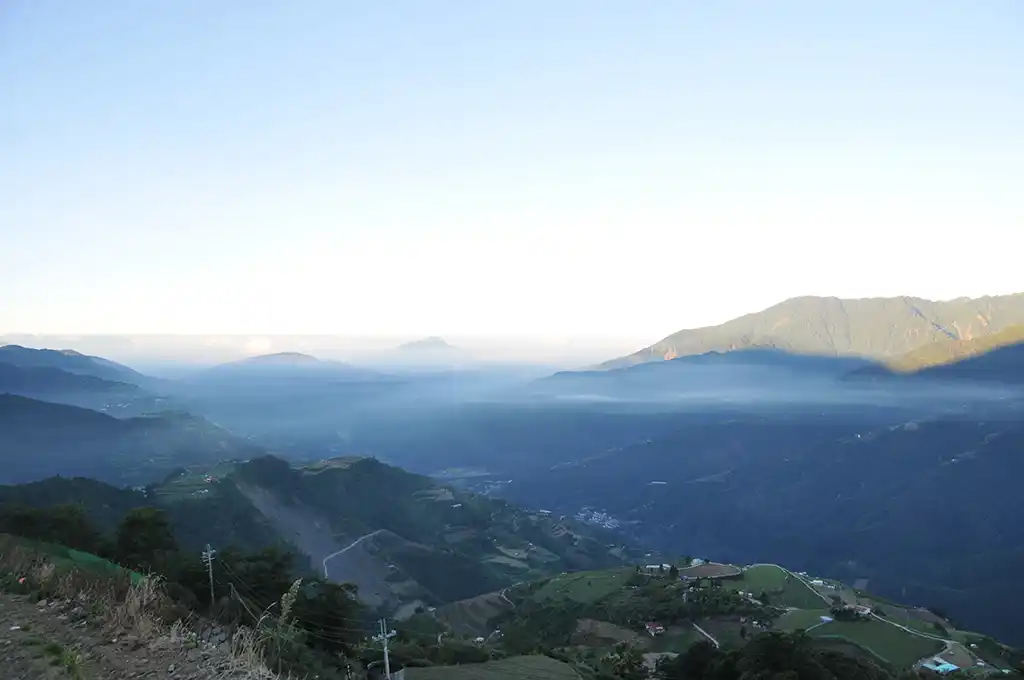
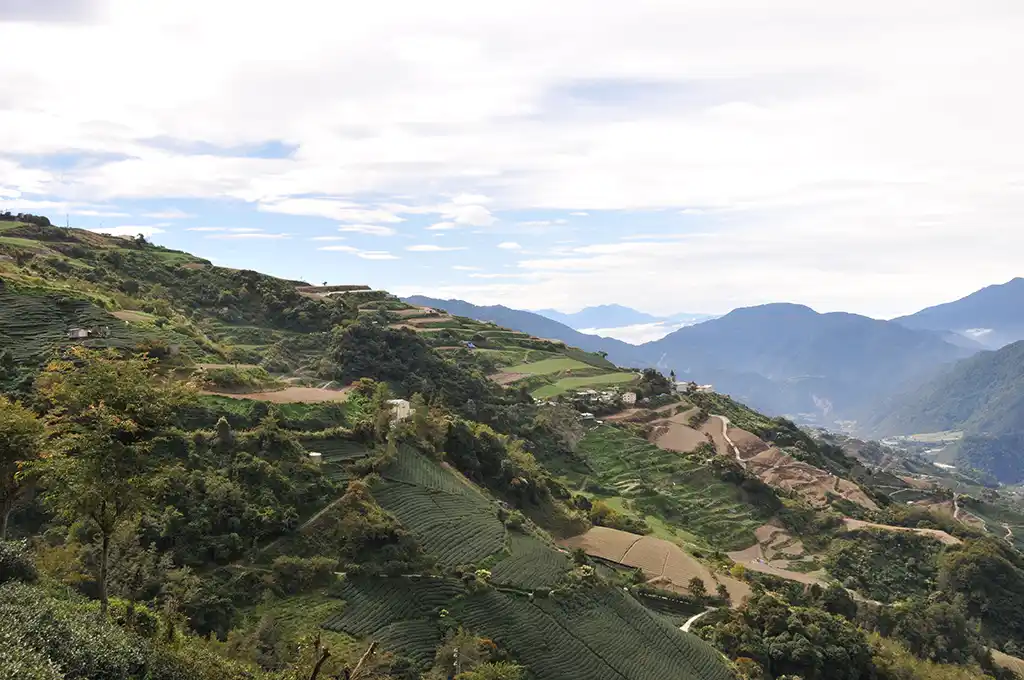
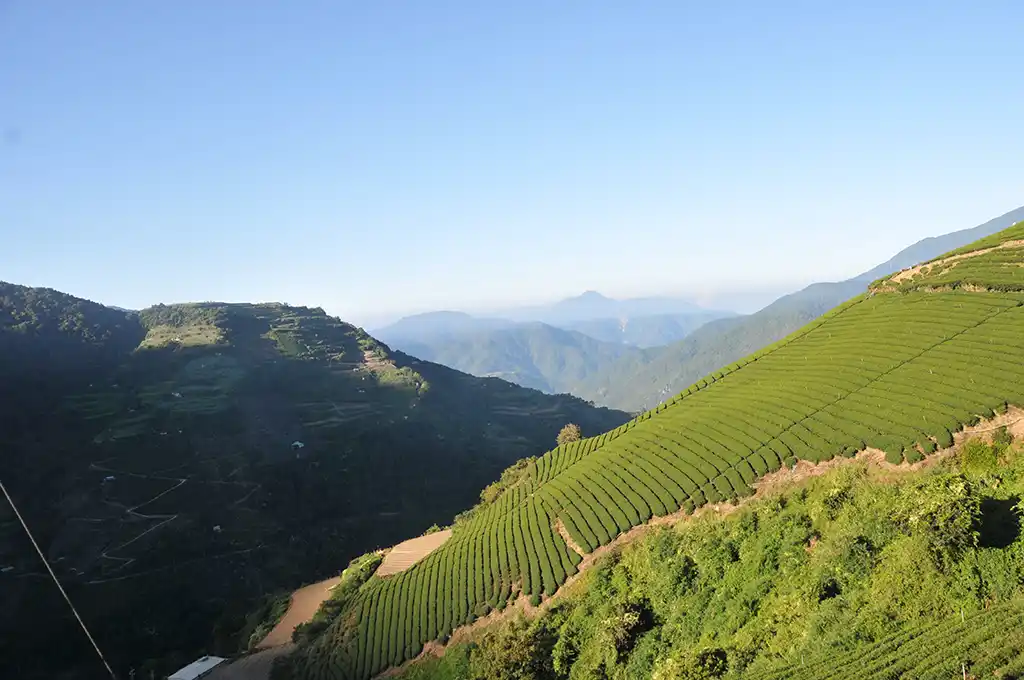
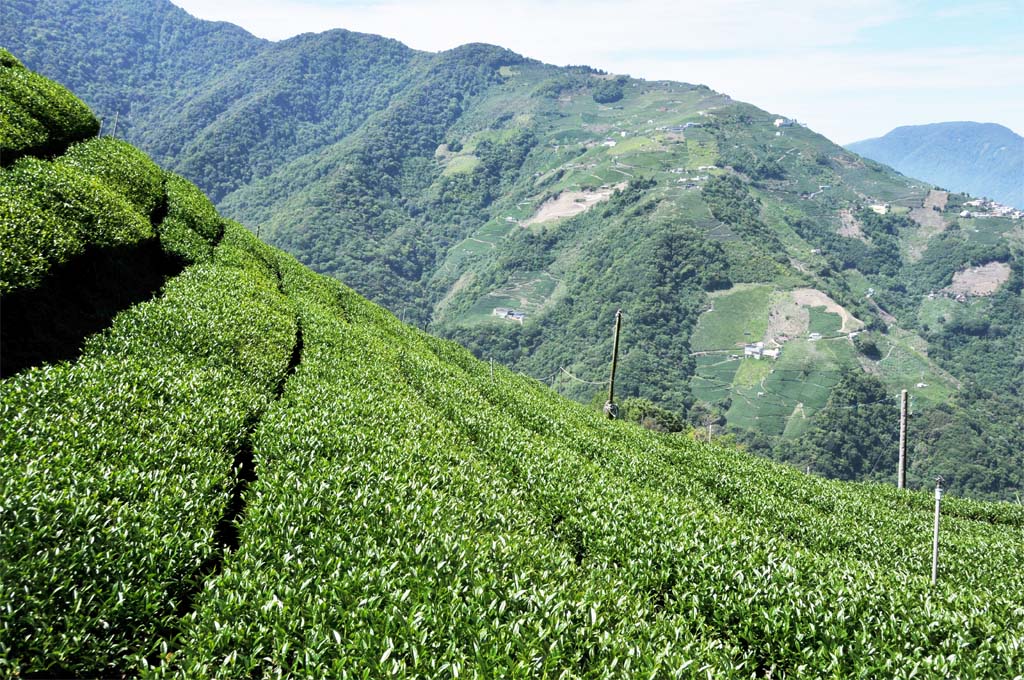
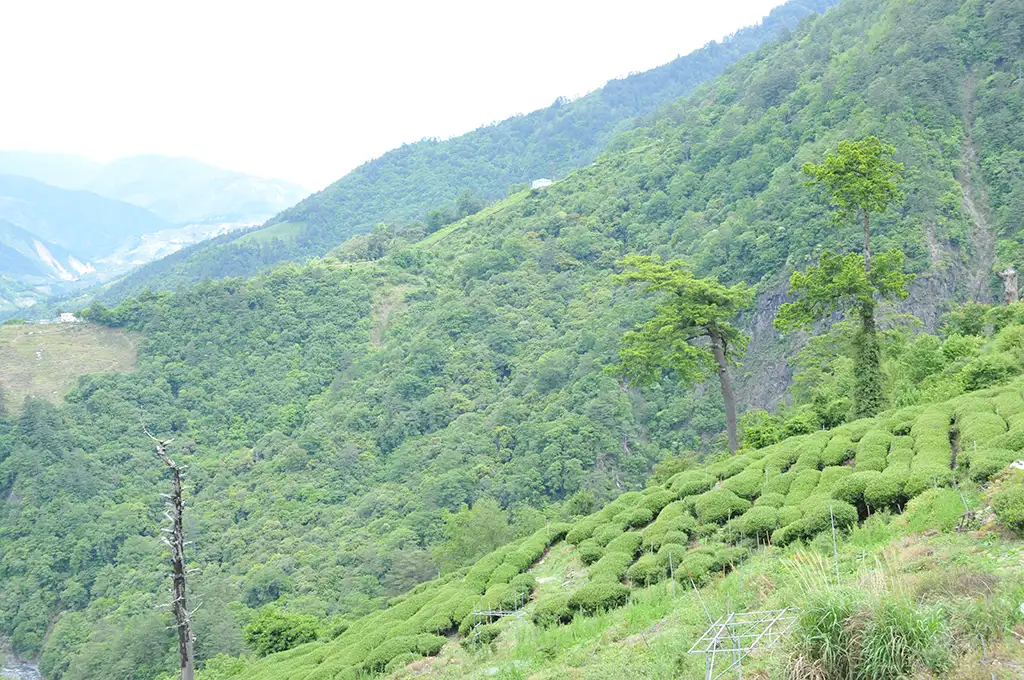
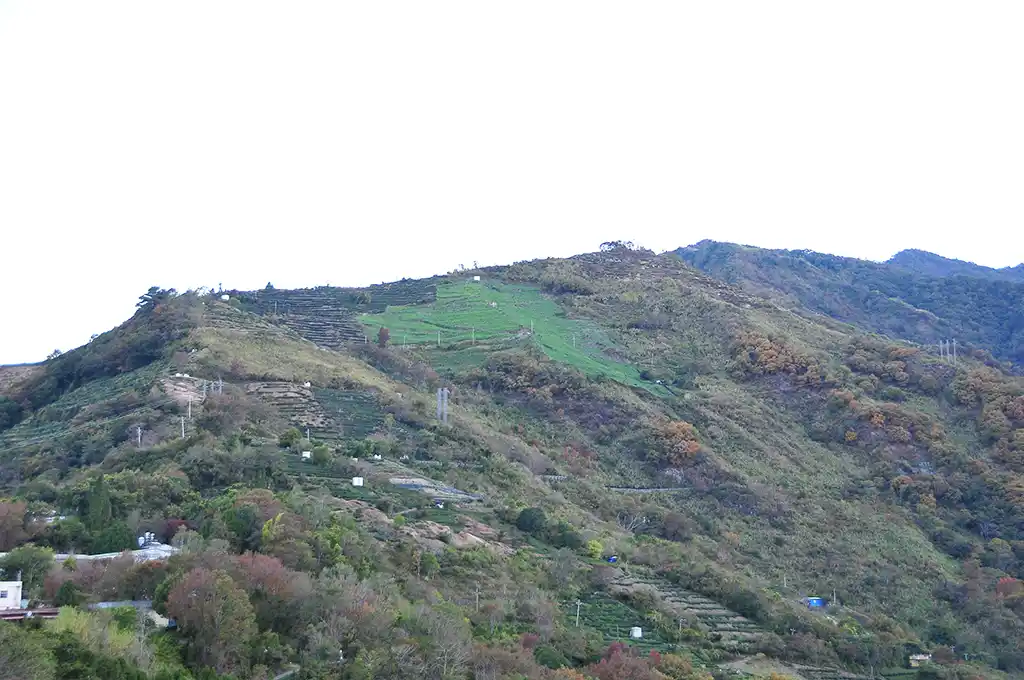
Dayuling, HuaGung, and Qilai Mountain are all renowned tea-producing regions, yet many people do not realize that all of these areas are located in Ren’ai Township. Not only is the output of Ren’ai Township High Mountain Tea substantial, but its quality also ranks among the very best in Taiwan. Let our store manager introduce you to the tea regions of Ren’ai Township.

Ren'ai Township tea region

Overview of Ren'ai Township Tea Regions and Origins (Click image for detailed guide)

Mainly comprising Malieba, Diaoqiaotou, Cuiluan, HuaGung, Hongxiang, Cingjing, Cuifeng, Qilai Mountain, Datongshan, DongYanShan, the Hehuanshan range, Lushan Cunyuan, and the most famous Dayuling—all belong to the Ren’ai Township tea regions. The altitude of these tea-producing areas ranges from 1,300 to 2,520 meters. Below is the list of Ren’ai Township tea origins:

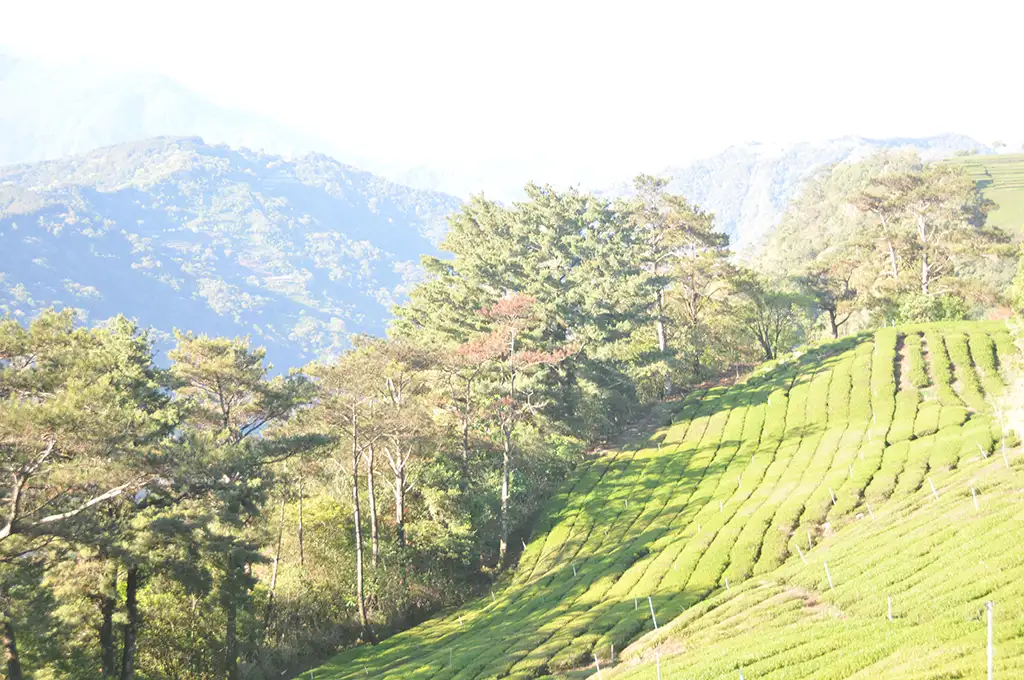
The Qilai Mountain tea region spans a fairly large area, extending from the Lushan Tribe all the way to the Jingguan Tribe. It is broadly divided into three areas: one located at kilometer 96 of Provincial Highway 14; one situated above Duda Village towards the Mt. Nanhua trailhead; and one located above the Jingguan Tribe.

Situated near Wushe and Cingjing, the DongYanShan tea region—much like the Datongshan tea region—is tucked away off the main tourist routes, keeping its profile relatively low. However, the quality of tea produced here is exceptional while remaining more affordable than Cingjing, making it a favorite origin among tea industry insiders.

Large-scale tea cultivation in Cuifeng began around the year 2000, making it a relatively new tea region. Blessed with fertile soil and an ideal environment, coupled with generally excellent tea garden management, it has become a highly praised producing area in recent years.

Located in Ren’ai Township, Nantou, the Cingjing tea region benefits not only from the famous Cingjing Farm but also from an exceptional high-mountain environment that produces some of Taiwan’s finest Cingjing High Mountain Tea. The altitude of the Cingjing tea region ranges from 1,500 to 2,100 meters.

The Datongshan tea region is a powerhouse that keeps a low profile. Tucked away next to DongYanShan and the Wushe tea region, it is a hidden gem known primarily to true tea connoisseurs. Its highest elevation reaches 1,550 meters.

Located in Ren’ai Township, Nantou County, Taiwan, the traditional Dayuling tea region refers to tea gardens distributed between kilometer 100 and kilometer 105.5 of the Central Cross-Island Highway. Following the removal of numerous tea gardens after 2015, only 3 tea estates remain today.

Situated in the back ranges of Lishan, the HuaGung tea region falls under Ren’ai Township, Nantou rather than Taichung City. With elevations ranging between 1,800 and 2,520 meters, the high altitude makes tea growth challenging, rendering it the lowest-yielding region within the Lishan tea family. Thanks to its supreme elevation advantage, HuaGung tea commands the highest price among Lishan teas.

Centered around the Cuiluan Tribe in Ren’ai Township, Nantou, the Cuiluan tea region is mainly divided into the Cuiluan North Line and Cuiluan South Line. The tea gardens are scattered along the Cuiluan Industrial Road and Lixing Industrial Road, adjacent to HuaGung and Malieba. The altitude ranges from 1,400 to 2,050 meters.

Located in the Lishan area, this region is commonly known in the industry as the Diaoqiaotou tea region. It gets its name because the Lixing Suspension Bridge is nearby, and it is also referred to as the Lixing Suspension Bridge tea region or Malieba Diaoqiaotou tea region.

Positioned at the midpoint of the Lixing Industrial Road, the Malieba tea region features tea gardens spread across high-mountain elevations between 1,200 and 1,800 meters. Its superb orientation and high-mountain environment yield exceptional high-cold tea.

Situated in Ren’ai Township, Nantou County at an altitude of 2,000 to 2,200 meters, the Biluxi tea region borders both Lishan and Dayuling, making its boundaries somewhat fluid. Generally, it refers to the tea gardens situated along the Central Cross-Island Highway from kilometer 95 to 99, and all tea produced here is marketed as “Biluxi Tea.”

Located near Lushan Hot Spring at an altitude of 1,400 to 1,750 meters, this area is about a 50-minute drive from Wushe. This is considered the authentic Lushan tea region, primarily cultivating Qingxin Oolong. The Lushan Tribe area sits at an altitude of 1,300 to 1,600 meters, taking about 30 to 60 minutes to drive there from Wushe.

In addition to the secondary tea regions mentioned above, there are several other excellent secondary regions such as Wushe, Hehuanshan, Cunyuan, Hehuanxi, Hongxiang, Yuanfeng, Songgang, Meifeng, and Cuiluan North Line.

Renai Township Tea Region FAQ

With such a large production of Renai Township high mountain tea, why is its brand awareness not as high?

The Renai Township tea region primarily expanded from the Lishan tea region, previously referred to in the tea industry as the “Greater Lishan tea region.” After 2010, the Renai Township government began vigorously promoting the official name “Renai Township High Mountain Tea.”

Which of the secondary tea regions has the highest elevation?

Before 2015, it was the Dayuling tea region, where the famous Dayuling 104K Li Ah-chun tea garden reached an elevation of up to 2,650 meters. The 105 tea garden also reached 2,560 meters, though both were cleared after 2015. Currently, the highest tea region is HuaGung at 2,520 meters.

Which Renai Township high mountain tea region is recommended?

If you are looking for premium-priced tea, you can choose HuaGung, Cuiluan, or Cuifeng. For more affordable options, Datongshan and DongYanShan are good choices. Please remember that tea is an agricultural product, and every region produces both good and bad tea. Try to look for tea from gardens with excellent management, good equipment, quality fertilizers, and harvested on sunny days.

Where to buy the King of Renai Township High Mountain Tea?

You can inquire with the Renai Township Farmers’ Association or visit the online Renai Township Farmers’ Association Shopping Mall.

Shopping Cart