Taiwan Tea Cultivar Numbers: Introduction to Cultivar Characteristics

This article introduces numbered Taiwan tea cultivars, covering their history, cultivar traits, and recommended processing styles.

Taiwan Tea No.Year ReleasedCommon NameMale ParentFemale ParentSuitable Tea Types
Taiwan Tea No. 11969 KyangQingxin DamoBlack tea, Mee tea, Oolong tea
Taiwan Tea No. 21969 JaipuriDaye OolongBlack tea, Mee tea, Oolong tea
Taiwan Tea No. 31969 ManipuriHongxin DamoBlack tea
Taiwan Tea No. 41969 ManipuriHongxin DamoBlack tea
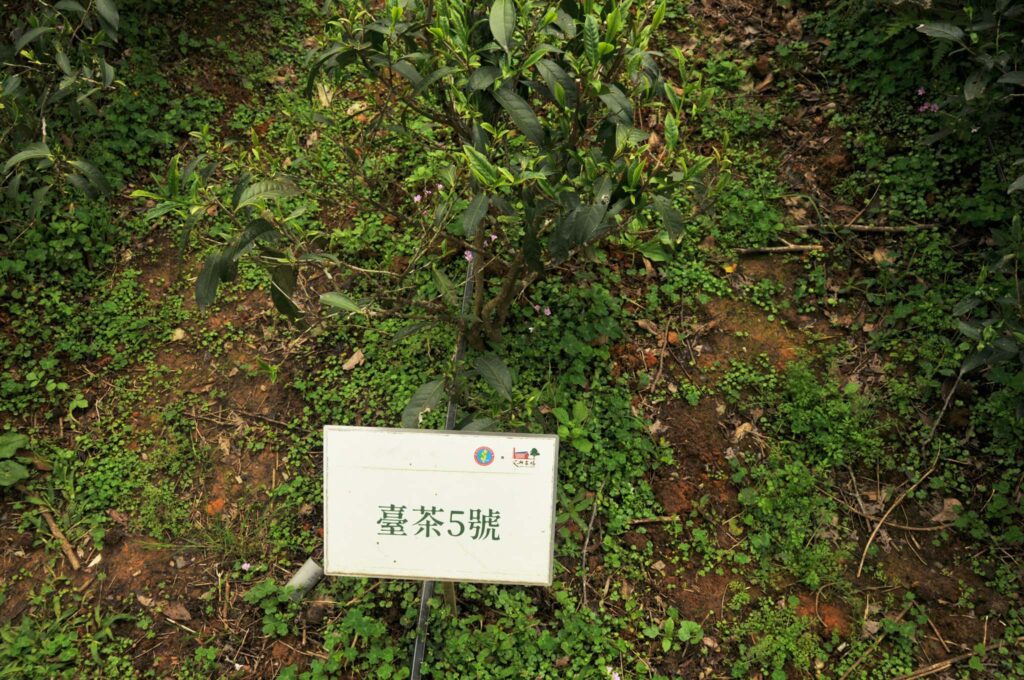
Taiwan Tea No. 51973 Fuzhou strain natural hybridFuzhou strain natural hybridSencha-style green tea, Oolong tea
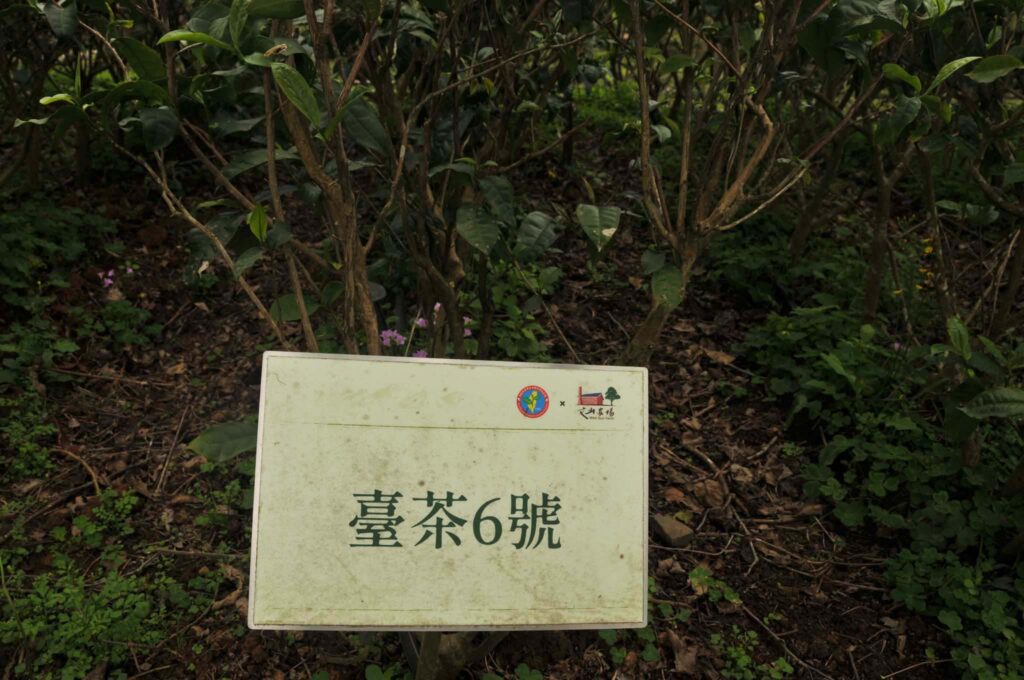
Taiwan Tea No. 61973 Qingxin Oolong strain natural hybridQingxin Oolong strain natural hybridGreen tea
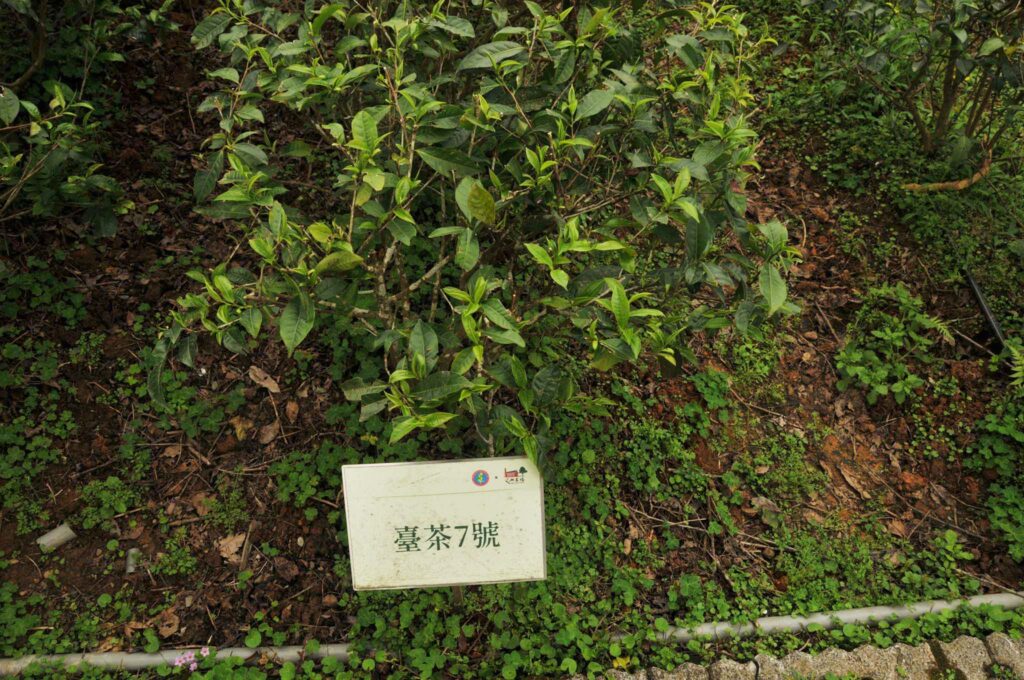
Taiwan Tea No. 71973 Shan single-plant selectionShan single-plant selectionBlack tea
Taiwan Tea No. 81973 Jaipuri single-plant selectionJaipuri single-plant selectionBlack tea
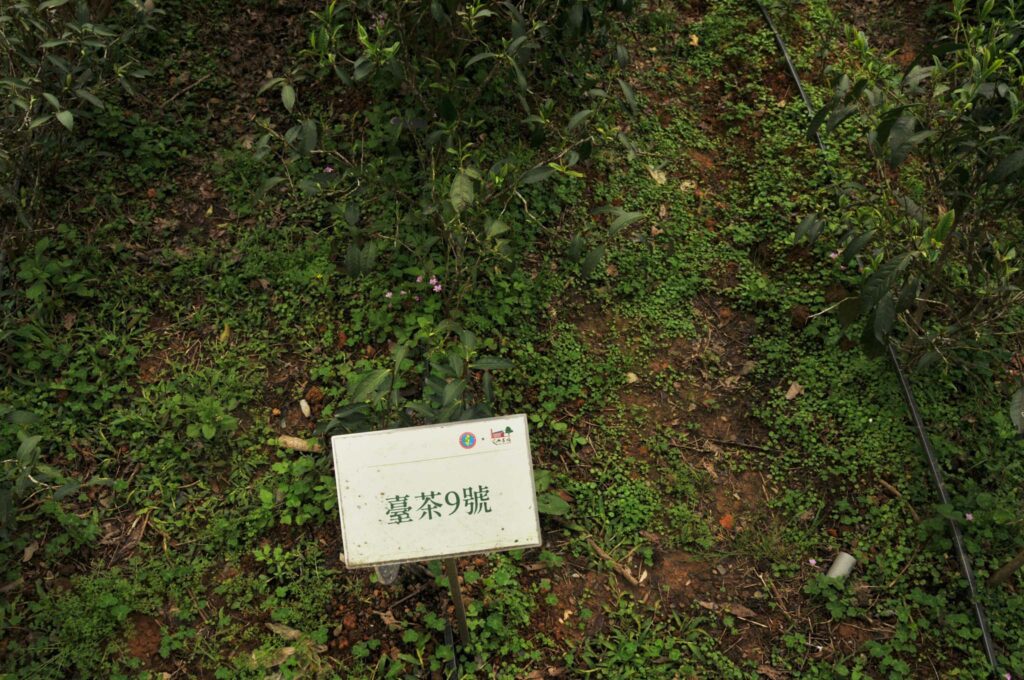
Taiwan Tea No. 91975 KyangHongxin DamoGreen tea, Black tea
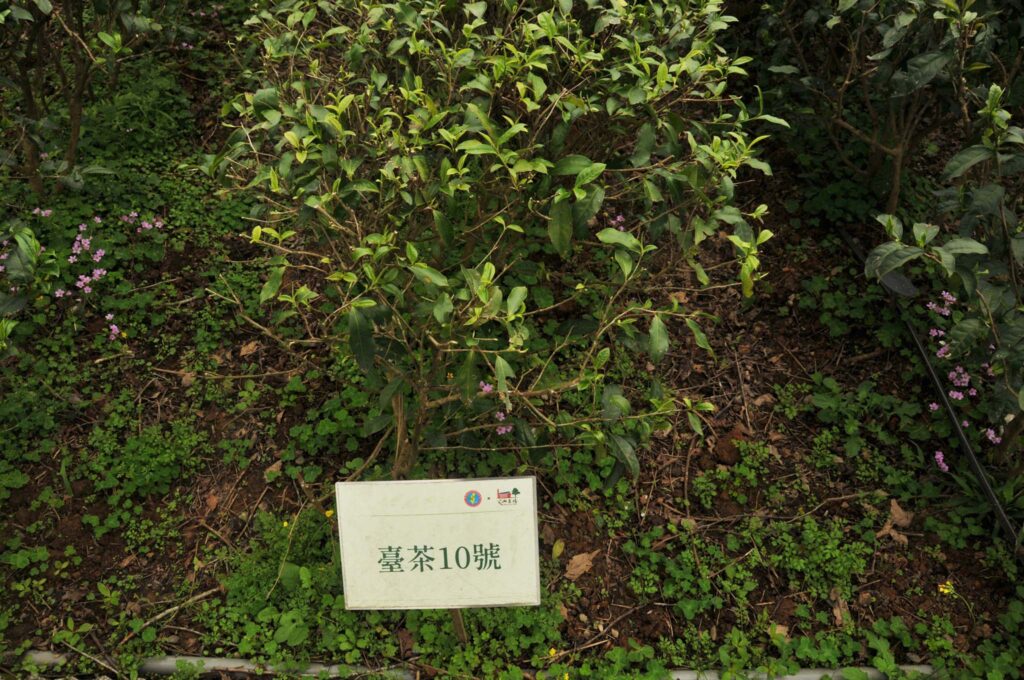
Taiwan Tea No. 101975 JaipuriHuangganBlack tea
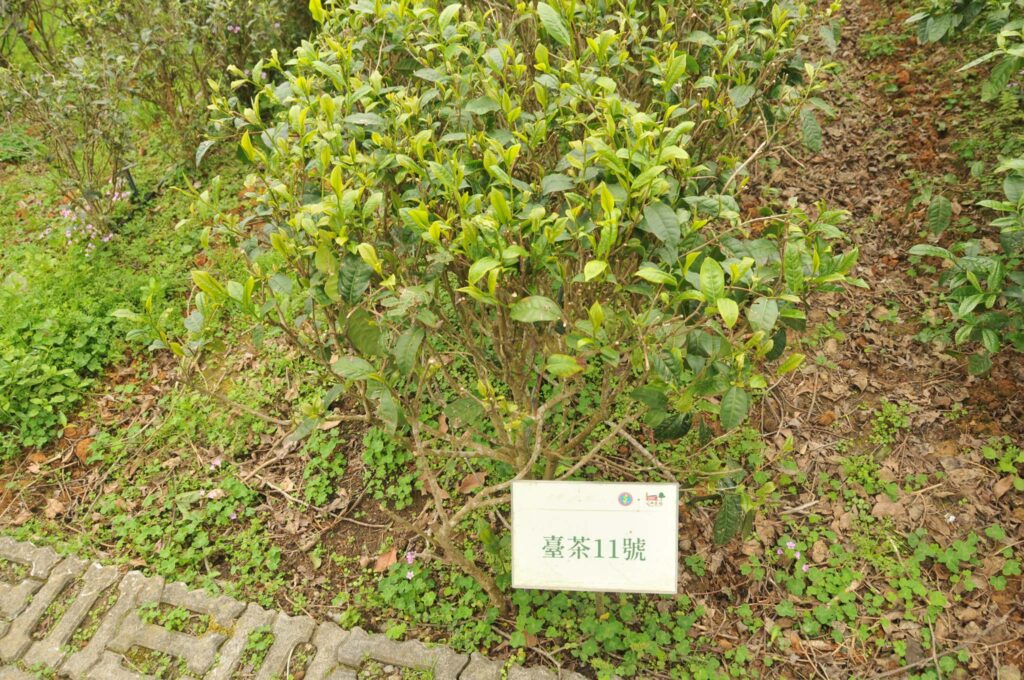
Taiwan Tea No. 111975 JaipuriDaye OolongBlack tea
Taiwan Tea No. 121981JinXuanYingzhi HongxinTainung No. 8Oolong tea, Baozhong tea
Taiwan Tea No. 131981CuiYuYingzhi HongxinTainung No. 80Oolong tea, Baozhong tea
Taiwan Tea No. 141983BaiwenBaimao HouTainung No. 983Baozhong tea, Oolong tea
Taiwan Tea No. 151983BaiyanBaimao HouTainung No. 983White tea, Oolong tea
Taiwan Tea No. 161983BaiheTainung No. 1958Tainung No. 335Early Spring Longjing, Scented Baozhong base
Taiwan Tea No. 171983BailuTainung No. 1958Tainung No. 335Oolong tea, Shoumei
Taiwan Tea No. 181999RubyTaiwan Wild TeaBurmaBlack tea
Taiwan Tea No. 192004BiyuQingxin OolongTaiwan Tea No. 12Oolong tea, Baozhong tea
Taiwan Tea No. 202004YingxiangQingxin OolongStrain 2022Oolong tea, Baozhong tea
Taiwan Tea No. 212008HongyunFKK-1 natural hybridFKK-1 natural hybridBlack tea
Taiwan Tea No. 222014QinyuTaiwan Tea No. 12Qingxin OolongOolong tea, Baozhong tea
Taiwan Tea No. 232017QiyunKeemun strain natural hybridKeemun strain natural hybridBlack tea
Taiwan Tea No. 242019ShanyunTaiwan Native Wild Tea (Yongkang var.)Taiwan Native Wild Tea (Yongkang var.)Green tea, Black tea
Taiwan Tea No. 252021ZiyunBurma natural hybridBurma natural hybridGreen tea, Black tea

Guide to Taiwan Tea Cultivars: Updated August 22, 2025

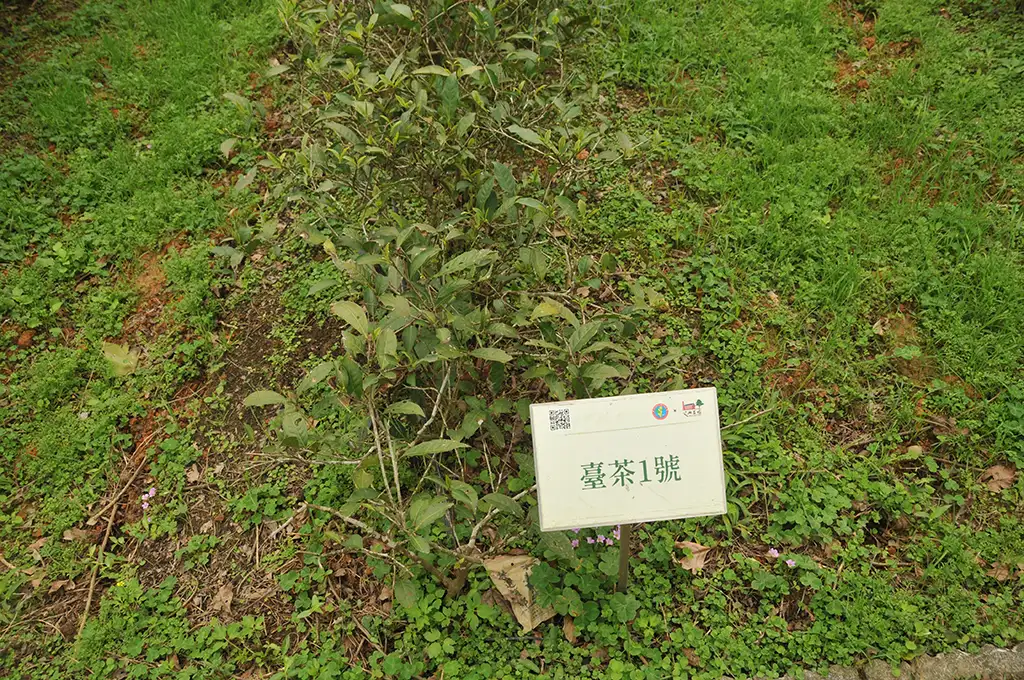
Bred by the Taiwan Tea Research and Extension Station, this cultivar was created through controlled crossbreeding between the male parent Kyang (an Indian large-leaf strain) and the female parent Qingxin Damao. It was officially named Taiwan Tea No. 1 in 1969.

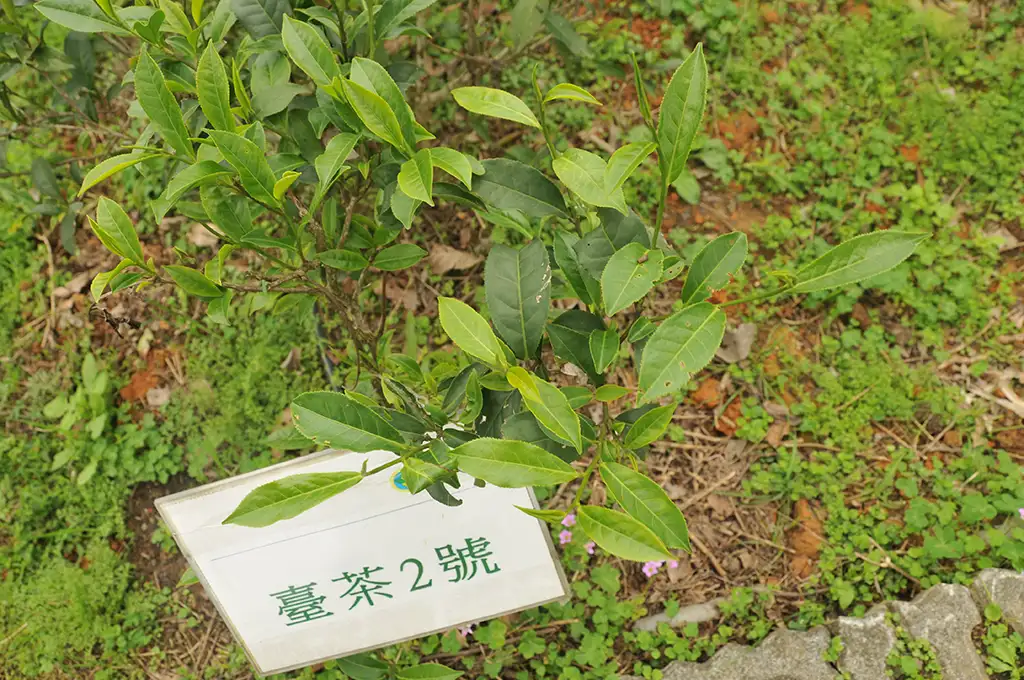
Developed by the Tea Research and Extension Station, trial cultivation began in 1952, and naming was requested in 1969. It is a controlled crossbreed between the male parent Jaipuri and the female parent Daye Oolong.

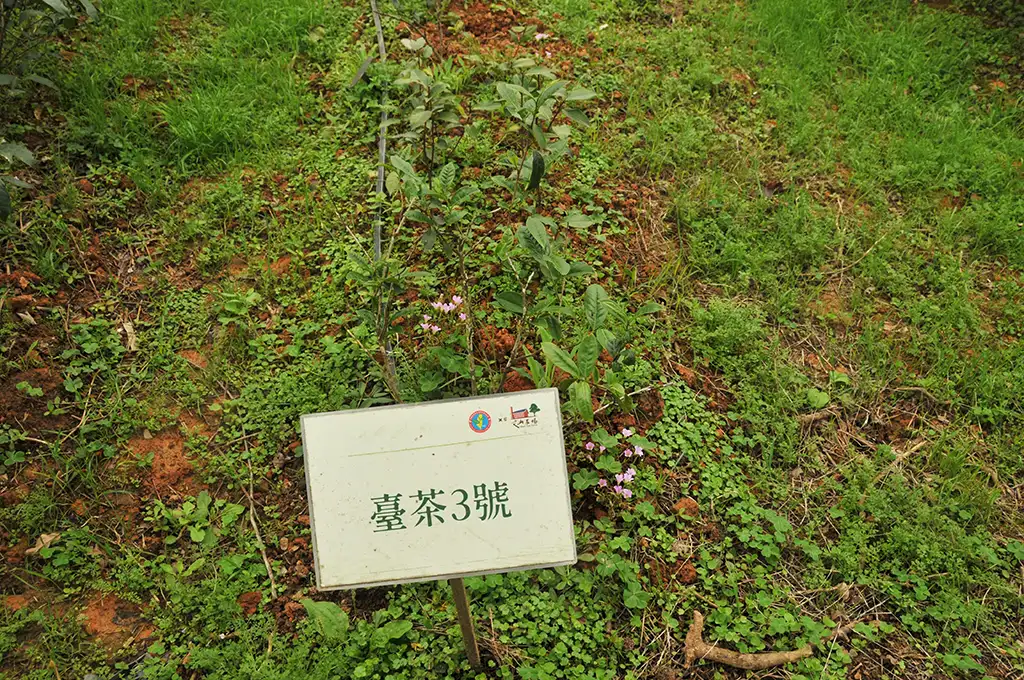
Developed by the Tea Research and Extension Station, trials began in 1952, selecting from 46 strains. Selection was completed in 1968, and naming was requested in 1969. It is a controlled crossbreed between the male parent Manipuri and female parent Hongxin Damao.

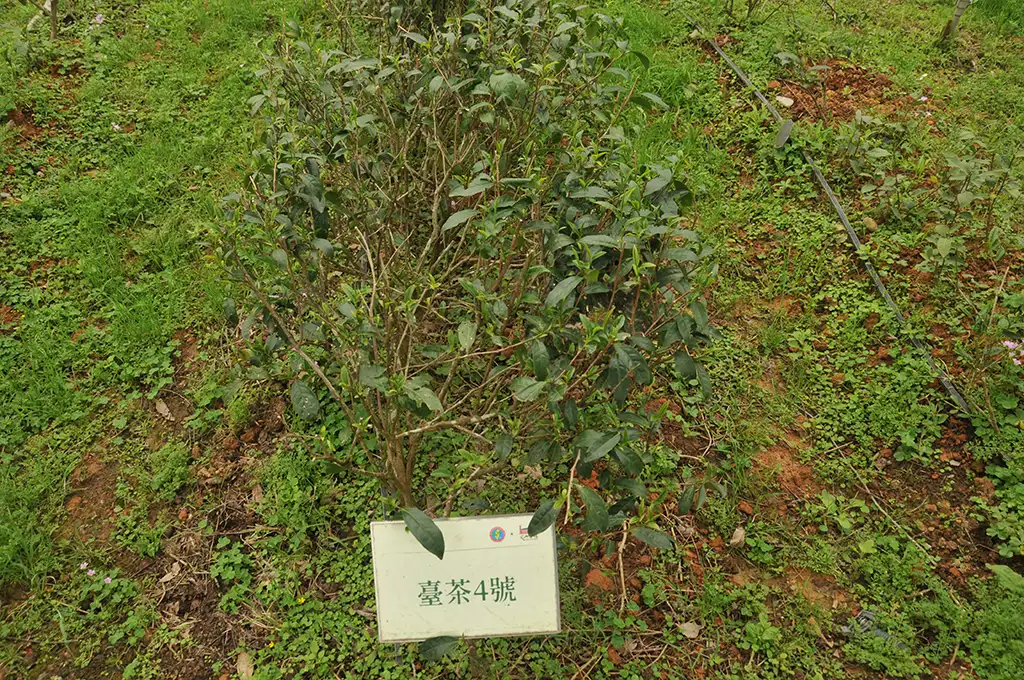
Developed by the Tea Research and Extension Station, trial cultivation started in 1952, with naming requested in 1969. Like Taiwan Tea No. 3, it was crossbred from Manipuri (male parent) and Hongxin Damao (female parent), but belongs to a medium-to-late maturing variety.

Developed by the Tea Research and Extension Station and named in 1974. Selected from natural hybrid descendants of the Fuzhou maternal line, it is an early-maturing cultivar ideal for making green tea.

Developed by the Taiwan Tea Research and Extension Station and officially named in 1974. It was selected from natural hybrid descendants of the Qingxin Oolong maternal line. An early-maturing variety, it is especially suited for producing green tea.

Developed by the Taiwan Tea Research and Extension Station, this cultivar was selected in 1941 from natural hybrid offspring of the Shan strain and officially named in 1974. It is well-suited for making black tea.

Bred from single-plant selections of the Indian Assam Jaipuri strain and released in 1973, it is one of Taiwan’s most iconic black tea cultivars.

Developed by the Taiwan Tea Research and Extension Station through controlled crossbreeding of Kyang (male parent) and Hongxin Damao (female parent). Officially named Taiwan Tea No. 9 in 1975, it yields excellent quality whether made into black tea or green tea.

Developed by the Taiwan Tea Research and Extension Station from a cross between Jaipuri (male parent) and Huanggan (female parent). Officially named Taiwan Tea No. 10 in 1975, this variety is particularly suitable for making black tea in summer.

A crossbreed between Jaipuri (male parent) and Daye Oolong (female parent), named Taiwan Tea No. 11 in 1975. It is a very early-maturing cultivar well-suited for black tea production.

Taiwan Tea No. 2 was developed by the Tea Research and Extension Station, with trial cultivation beginning in 1952. Selected from 46 strains, selection was finished in 1968, and naming was requested in 1969. It was crossbred from the male parent Jaipuri and female parent Daye Oolong.

Also known as CuiYu Tea, Taiwan Tea No. 13 is a cultivar developed by the Taiwan Tea Research and Extension Station. Officially named ‘Taiwan Tea No. 13’ in 1981, its strain selection code was 2029, earning it the local nickname ‘Er-Jiu-Zai’ (No. 29).

Also known as Ruby, this cultivar was developed by the Yuchi Branch of the Taiwan Tea Research and Extension Station by crossing native Taiwan wild tea with a Myanmar large-leaf strain. Rich, bold, and brisk with subtle notes of cinnamon and mint, it is most famously used for making black tea.

A cultivar developed by the Taiwan Tea Research and Extension Station and named in 2004. It is a small-leaf, medium-maturing tea bush with young buds that appear bright green with a hint of purple before turning vivid green. The mature leaves are narrow and long. It has lower resistance to pests and diseases, moderate-to-high drought tolerance, and above-average yield.

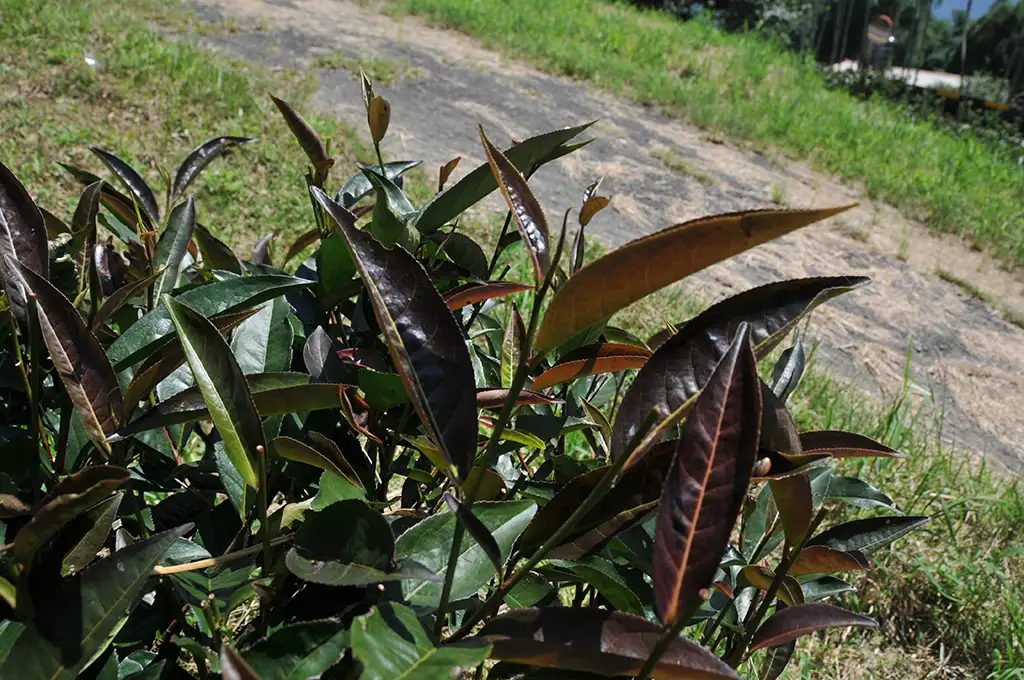
The first purple-bud tea cultivar bred in Taiwan, its defining features are its deep purple leaves and the unique trait where green tea made from it turns pink when lemon juice is added.

Shopping Cart