
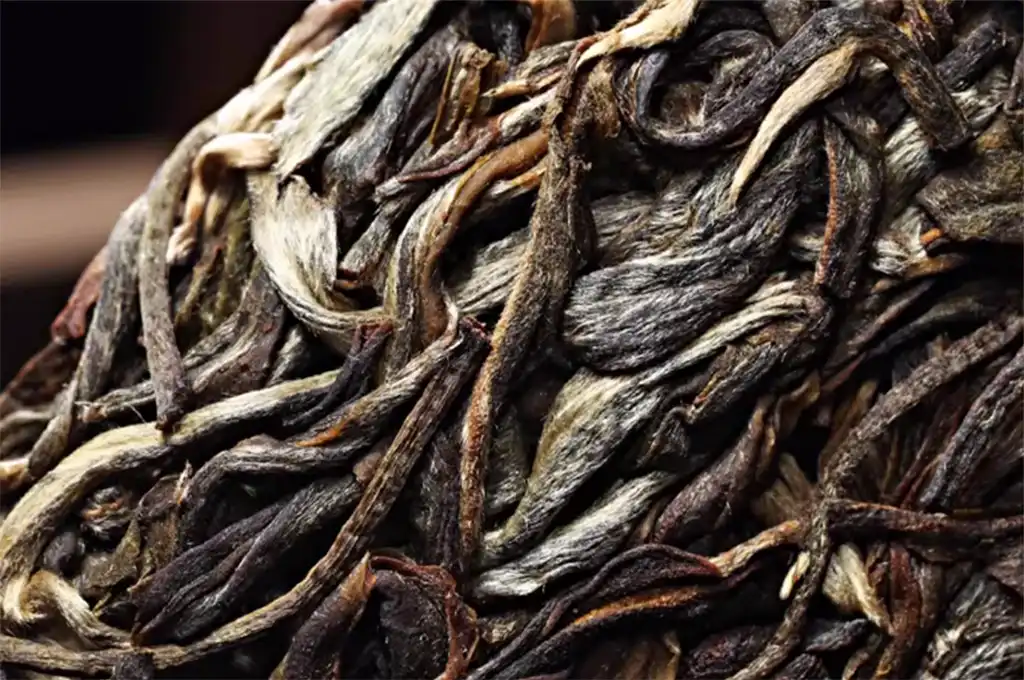
The definition of raw and ripe tea varies across the tea industry in Taiwan and mainland China, which is why many people get confused about the differences between raw and ripe Pu-erh tea. The distinction is actually quite simple: tea that has not undergone pile-fermentation is raw (sheng) Pu-erh, while tea processed with pile-fermentation is ripe (shou) Pu-erh. Their differing production methods create distinct flavor profiles, and neither is objectively “better” than the other—it all comes down to personal taste.
Why Distinguish Between Raw and Ripe Pu-erh Tea?
Traditionally, the production process for Pu-erh tea followed these steps: Harvesting → Withering → Fixation (using high heat to halt fermentation by deactivating enzymes) → Rolling → Drying → Pressing into shape → Natural aging and fermentation. Freshly made tea has a heavy astringency and typically requires at least 3 years of natural aging to develop a pleasant flavor. Because a 3-year wait is quite long, the “ripe tea” production method was developed in the last century.
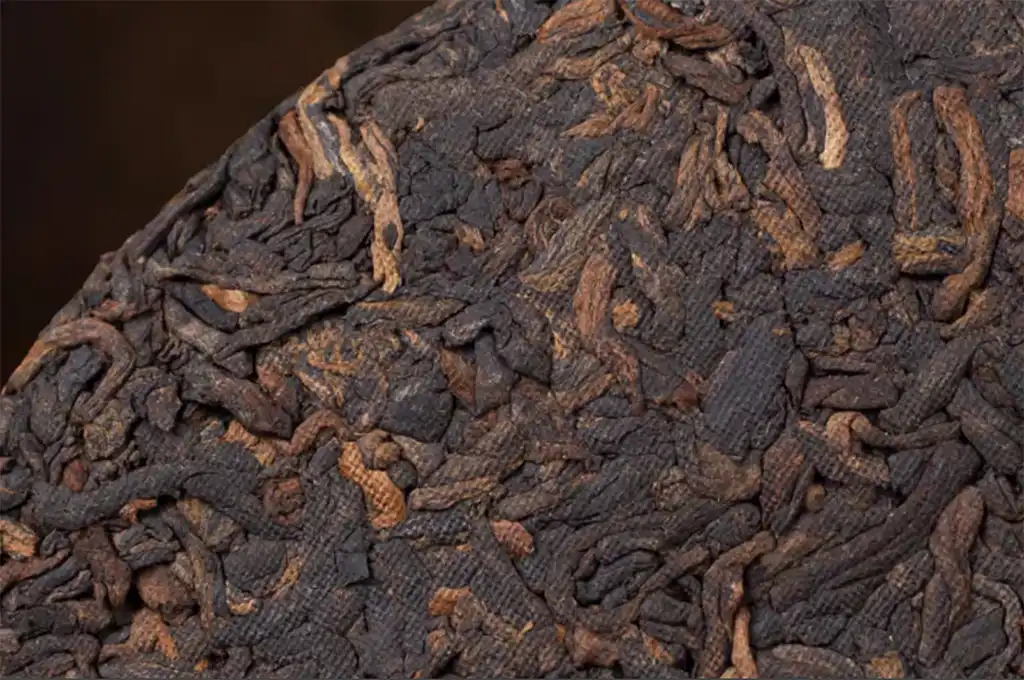
The ripe tea production method introduces an extra step of “pile-fermentation” (wo dui) between rolling and drying. By artificially controlling temperature, humidity, and microbial cultures, the aging process that usually takes 3 years is accelerated and completed within weeks or months. Pu-erh tea made this way is called ripe Pu-erh tea. (The image below shows ripe Pu-erh tea)
How Do Raw and Ripe Pu-erh Tea Differ in Taste?
Even though the fermentation process is accelerated, the flavor profile turns out completely different. First, the tea’s astringency transforms into a smooth, sweet aroma, and both the appearance of the leaves and the tea liquor turn a dark reddish-brown. The downside is that it loses the bracing kick of raw Pu-erh, and aged ripe Pu-erh won’t develop the unique aged fragrance and soft aroma characteristic of raw Pu-erh.
Which One Should I Buy for the Best Value?
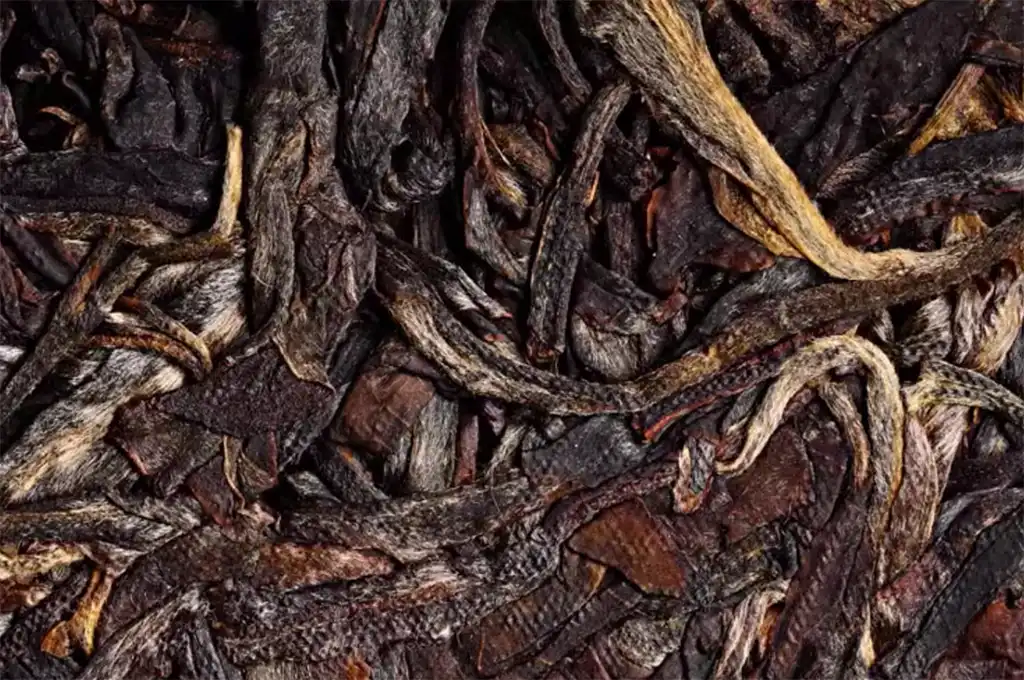
In the Chinese Pu-erh tea community, there’s a saying: “Appreciate aged tea, collect young tea, and drink ripe tea!” This perfectly captures the distinct roles played by raw and ripe Pu-erh. Young raw Pu-erh isn’t quite ready to drink and needs at least 3 years of aging to shine. Ripe Pu-erh, on the other hand, is affordable with consistent quality across both new and aged batches, though its drawback is that its aging potential doesn’t quite match that of raw Pu-erh. (Pictured below is raw Pu-erh tea)
If your budget allows, you can buy a cake each of young raw Pu-erh, 3-year-aged raw Pu-erh, and ripe Pu-erh to try out. You don’t need to chase famous mountains or regions; in recent years, raw Pu-erh hasn’t been expensive, with cakes available for just a few hundred NT$ (though famous mountain cakes can cost tens of thousands). New raw Pu-erh and ripe Pu-erh are even more affordable, so buying one of each will run you under NT$1,000—a reasonable investment as a learning experience. If your budget is tight and you just want to drink Pu-erh tea, go for the ripe tea; it offers stable quality and great value.