
What is Lishan tea? What are the types of Lishan tea? The majority of Lishan tea is “ball-shaped lightly-scented oolong,” commonly known as high mountain oolong. Because the tea gardens are situated at very high altitudes, it carries a unique high-mountain aroma. Here is an introduction to the types of Lishan tea:
What is Lishan tea?
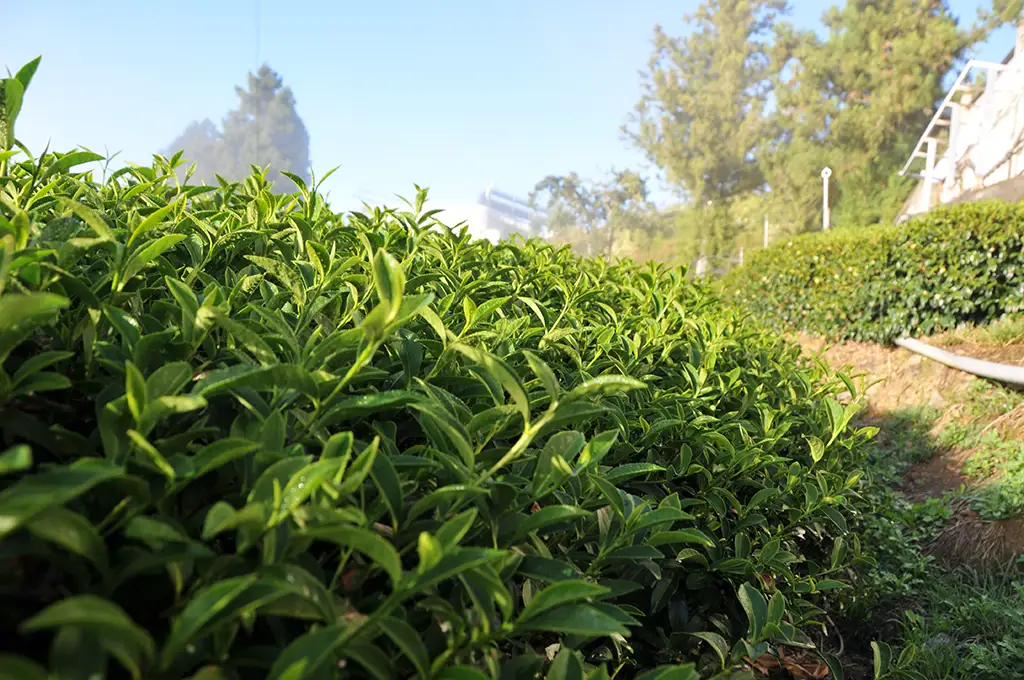
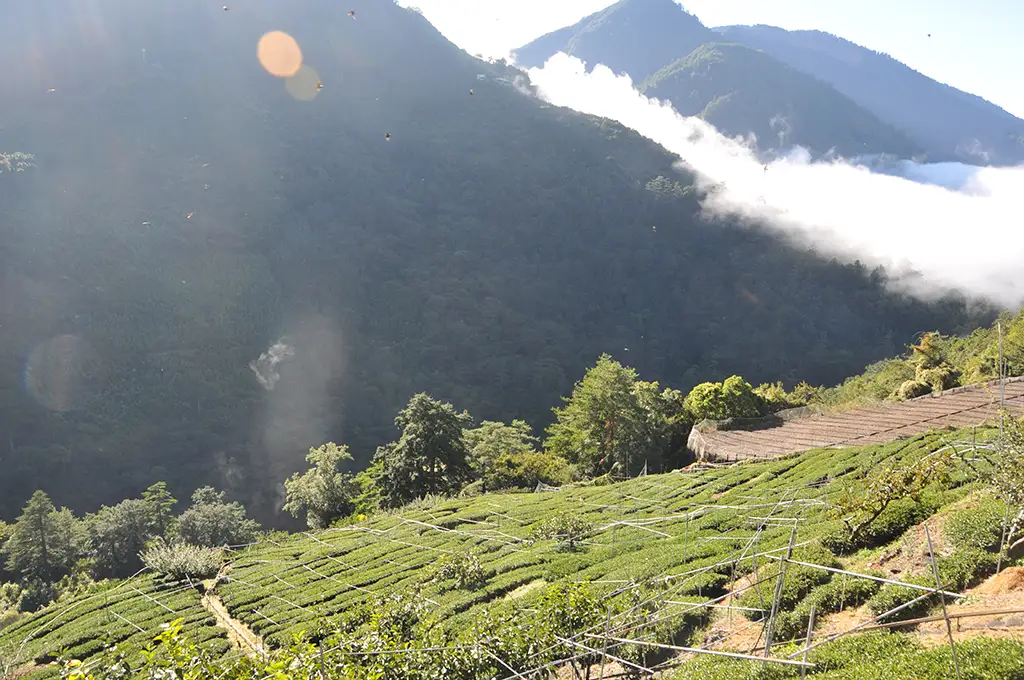
Lishan tea refers to tea leaves grown in the Lishan area of Heping District, Taichung City, Taiwan. The tea bushes grow in high-mountain terrain at altitudes ranging from 1,450 to 2,520 meters. Nourished by crisp air, crystal-clear mountain spring water, and an unpolluted natural environment, Lishan tea boasts exceptional quality. Most of the tea leaves here are made into “lightly fermented oolong tea.” The high-altitude environment gives Lishan tea a special, lingering aromatic flavor that makes it wildly popular worldwide.
Many people mistakenly think Lishan tea is green tea, but 99% of the local tea is actually oolong. The brewed liquor of Lishan oolong tea is golden with a greenish tint because the fermentation level is very light, only about 15-20%. Tea masters control the fermentation of Lishan tea at 15-20% precisely to preserve its high-mountain character and aroma; if it were fermented any heavier, it would just taste like ordinary oolong tea.
Lishan Tea Types
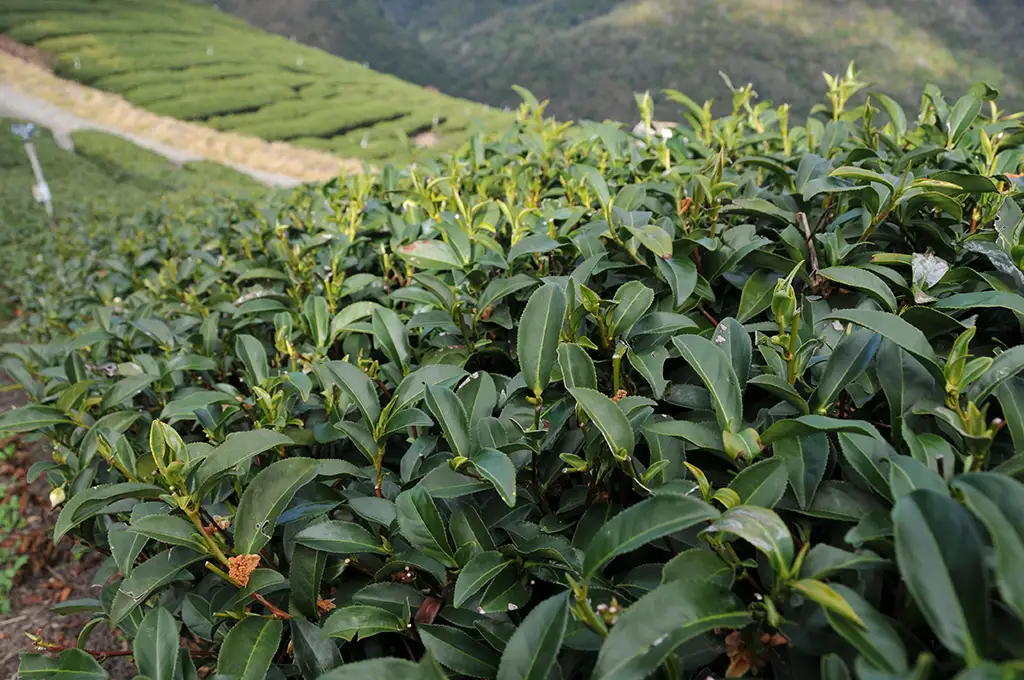
In terms of tea processing, 99% of Lishan tea is lightly fermented oolong, with a small amount of black tea produced in the summer, though in very limited quantities. Categorized by tea tree variety, over 97% is Qingxin Oolong, with only a small minority consisting of Tieguanyin (mainly around the Fushoushan Farm area), Wuyi tea (at Fushoushan Farm), JinXuan, and CuiYu. Seasonally, spring tea has the highest yield, followed by autumn tea, while winter tea has the lowest yield.
| Lishan Tea Varieties Overview | ||
|---|---|---|
| Tea Variety | Qingxin Oolong (Over 97%) | Very few: Tieguanyin, Wuyi, JinXuan, CuiYu, etc. |
| Processing Method | Semi-fermented Oolong (Over 99%) | Very few: Black tea, green tea, white tea, etc. |
| Harvest Season | Mainly Spring, Autumn, and Winter (Summer tea and Winter Sprout Oolong are rare) | |
| Sub-growing Regions | Xinjiayang, Songmao, Huanshan, Pingdengli, Cuiluan, Diaoqiaotou, etc. | |
Lishan Tea Varieties FAQ
Is Lishan tea a green tea?
Lishan tea refers to tea grown in the Lishan region. 99% of Lishan tea is made into lightly fermented oolong tea, commonly known as high-mountain oolong, while a small portion is made into fully fermented black tea. Green tea is very rare.
What do sub-varieties like Fushoushan Lishan, HuaGung Lishan, and Tianchi Lishan mean? How are they different?
Fushou, HuaGung, and Tianchi refer to sub-regions within the Lishan tea area. Some tea merchants use these specific areas for categorization to differentiate their teas. However, keep in mind that both Fushoushan and Tianchi tea gardens belong to the Fushoushan Farm; it is unlikely for regular tea merchants to sell tea from these two locations, so there’s no need to take these regional distinctions too seriously.
Why is Lishan tea so expensive?
Because of its high elevation, high production costs, excellent mountain orientation, and superb flavor, Lishan tea is much more expensive than high-mountain teas from other regions. Lishan tea is loved not only by people in Taiwan but also in Mainland China, Hong Kong, Japan, Europe, and the US. Naturally, something everyone loves doesn’t come cheap.
Is Lishan tea considered high-mountain tea?
Of course! With Lishan tea gardens sitting at elevations between 1,450 and 2,500 meters, they are definitely high-mountain teas.
Is Lishan tea good?
There is both good and bad Lishan tea. With proper tea garden management, skilled processing techniques, and favorable weather conditions, Lishan tea can be considered the best tea in Taiwan.