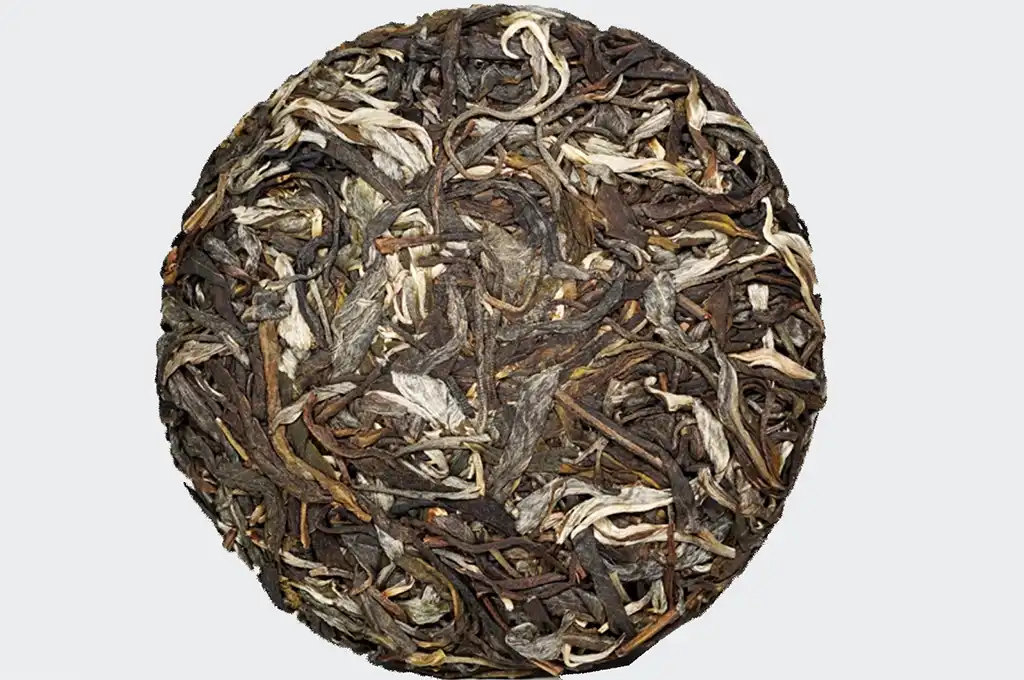
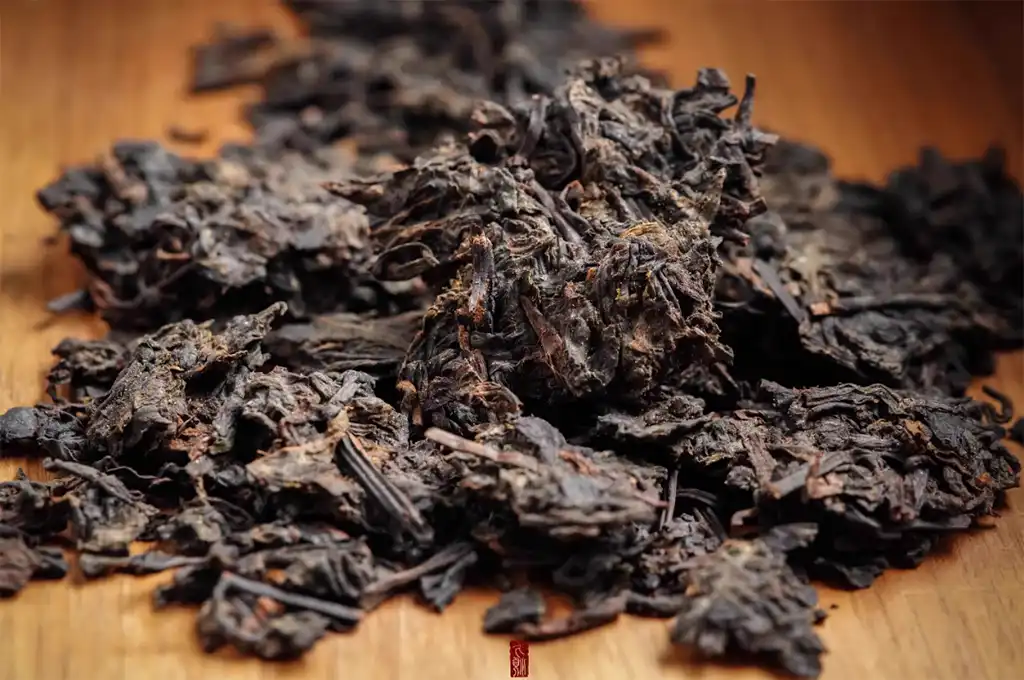
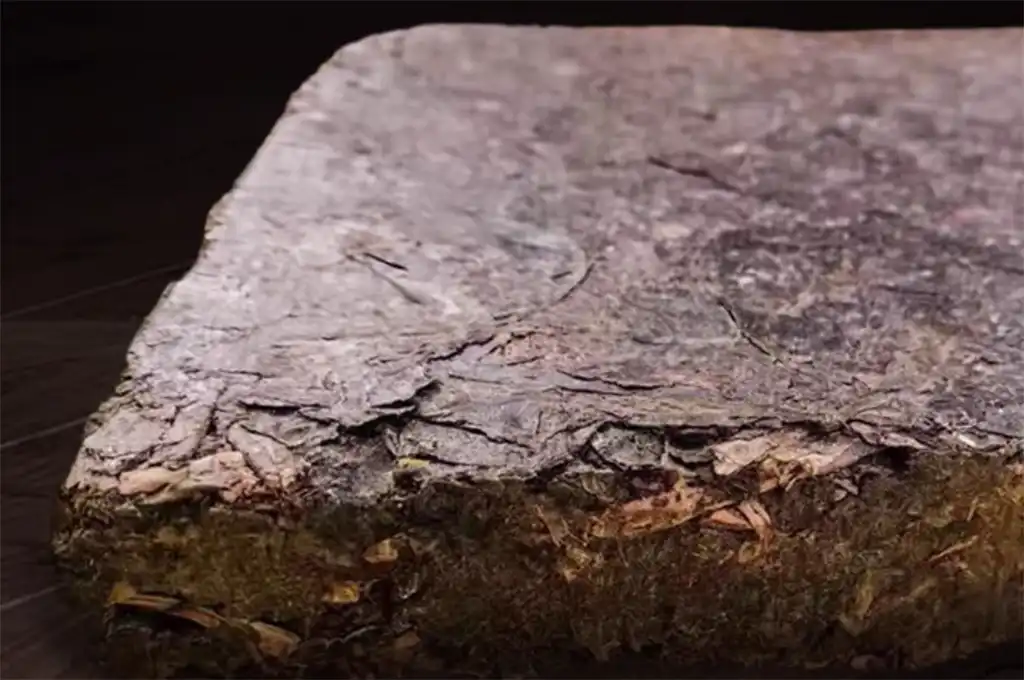
Chinese dark tea (Hei Cha) is one of China’s six major tea categories, renowned for its post-fermentation process and unique aged aroma. The production process involves fixing, rolling, piling (wo dui fermentation), and drying. This fermentation gives the leaves a dark brown hue, rich aroma, and full-bodied taste. Dark tea is famous for its longevity; as time passes, its flavor becomes smoother and more complex, earning aged dark tea the nickname “drinkable antiques.”

Types of Chinese Dark Tea
Produced in Yunnan Province, China, Puerh is a post-fermentation dark tea celebrated for its distinctive aged aroma. It is divided into raw (sheng) and ripe (shou) styles: raw Puerh ages naturally over time, while ripe Puerh undergoes accelerated pile-fermentation, resulting in a reddish-brown liquor and a smooth, warming palate. Puerh is widely cherished for its exceptional aging potential and how it improves with time.
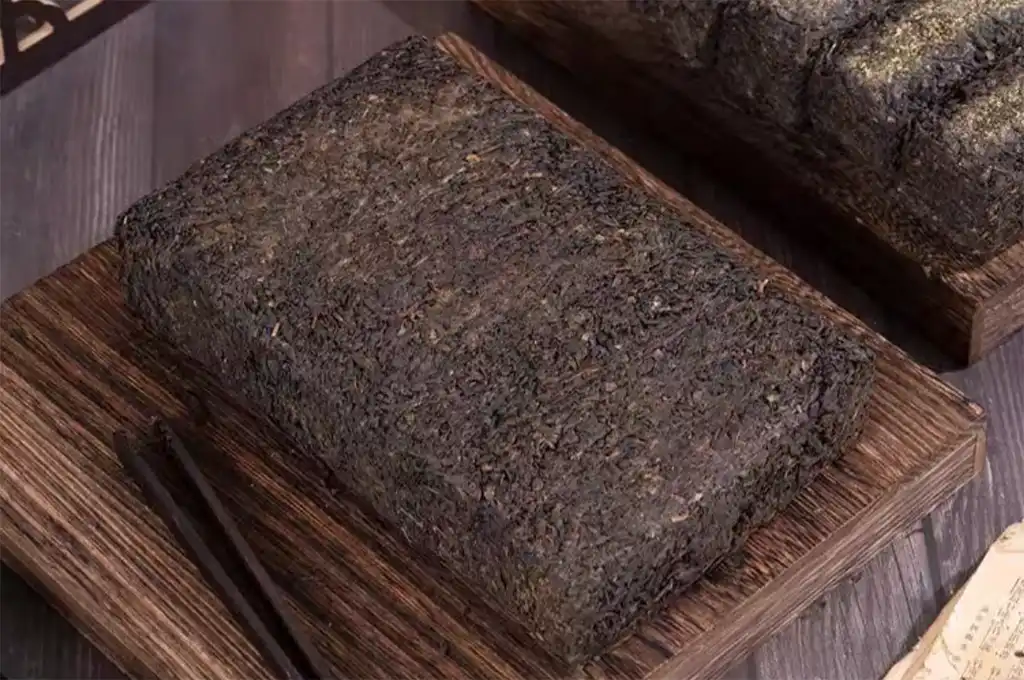
Primarily produced in Anhua County, Hunan Province, this post-fermentation dark tea stands alongside Yunnan Puerh as one of China’s most famous and popular dark tea varieties. Anhua dark tea can be further categorized into San Jian, Hua Juan, Hua Zhuan, Hei Zhuan, and Fu Zhuan.
A post-fermentation dark tea known for its bold flavor and unique aroma. After extended aging, the leaves develop a signature aged fragrance. Hubei dark tea is often pressed into brick or tablet form, making it exceptionally well-suited for long-term storage.
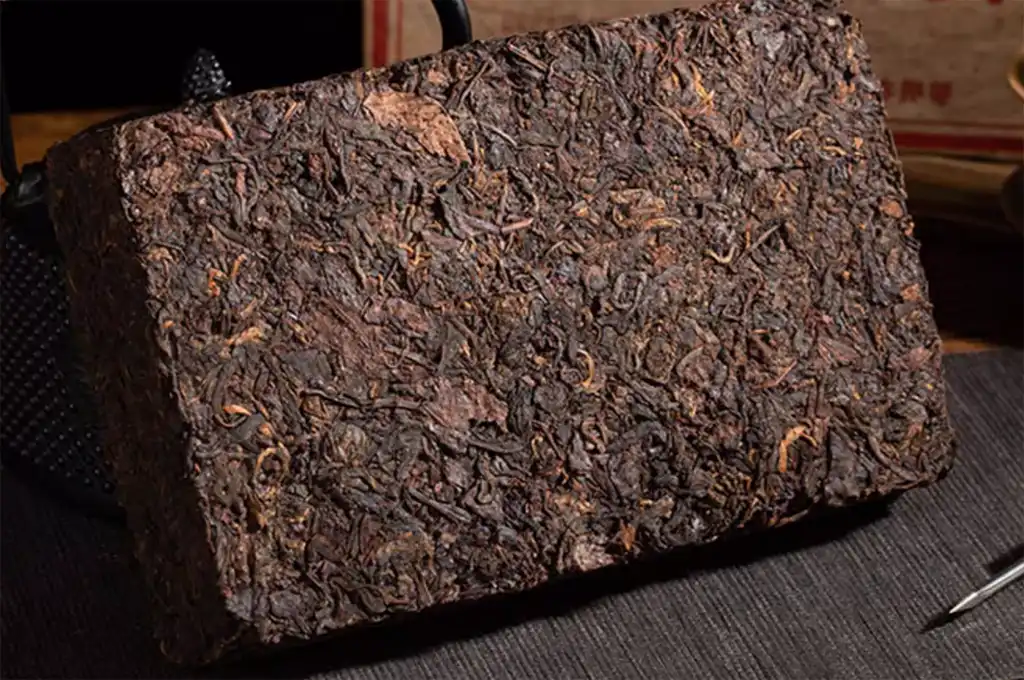
Originating from Liubao Township, Cangwu County in Guangxi Province, this is a major representative of Chinese dark tea. Defined by its “red, rich, aged, and mellow” flavor profile, Liubao tea is beloved by tea enthusiasts for its distinctive betel-nut aroma and aged character.
Produced in Ya’an, Sichuan, this is a post-fermentation dark tea historically supplied to Tibetan communities, hence its name. It is typically pressed into heavy tea bricks for easier transport and shares the characteristic of improving in flavor with age.